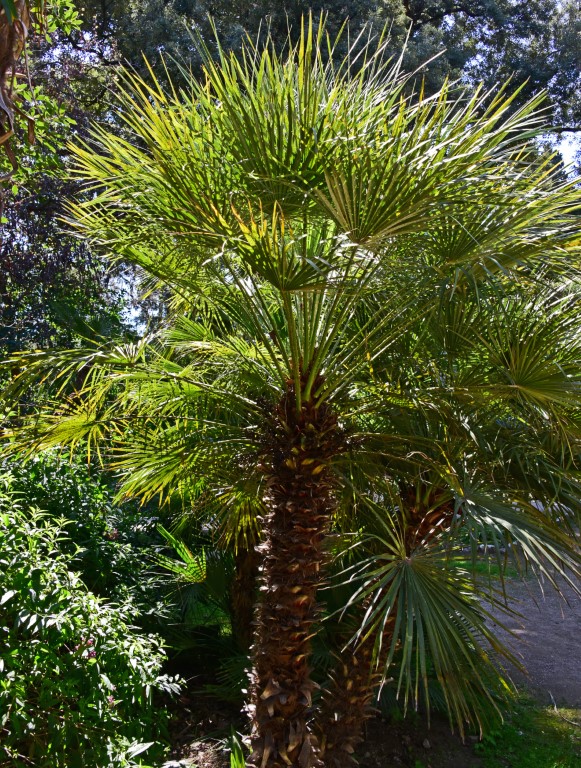


It grows in Mediterranean-type shrublands in coastal and near-coastal areas. It is resistant to low temperatures down to -20 °C, making it the only species of the Arecaceae (palm) order that occurs at high northern latitudes as well as at high altitudes, reaching up to 2,300 m in the Atlas Mountains of Morocco.
(height, leaf arrangement, leaf shape, root system)
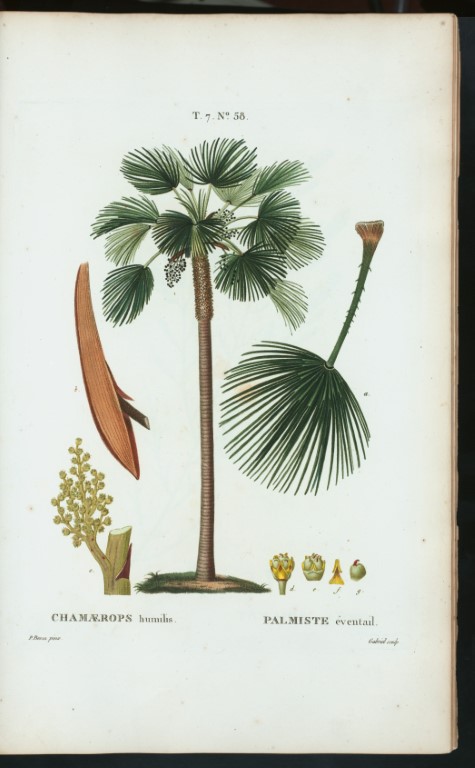
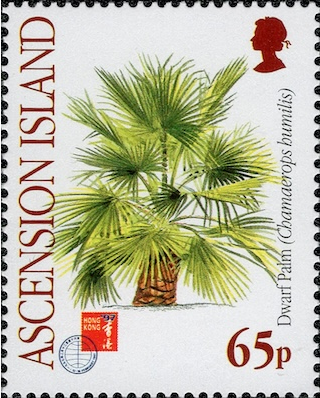
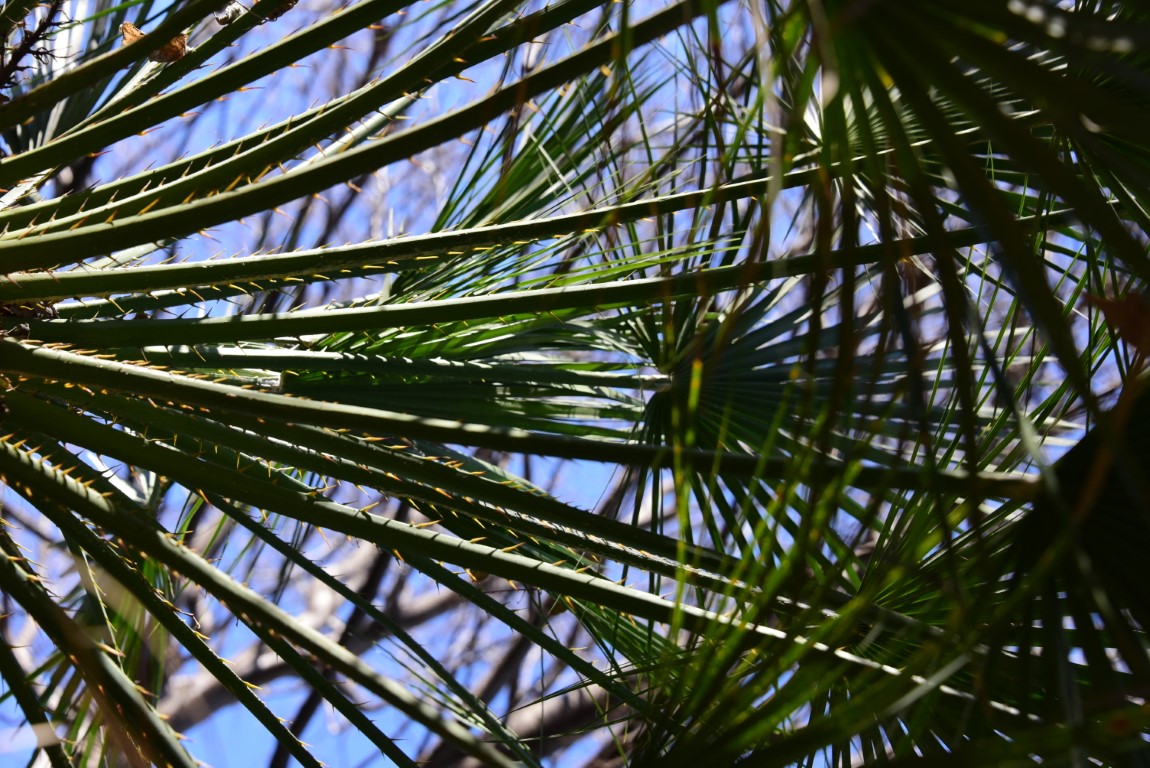
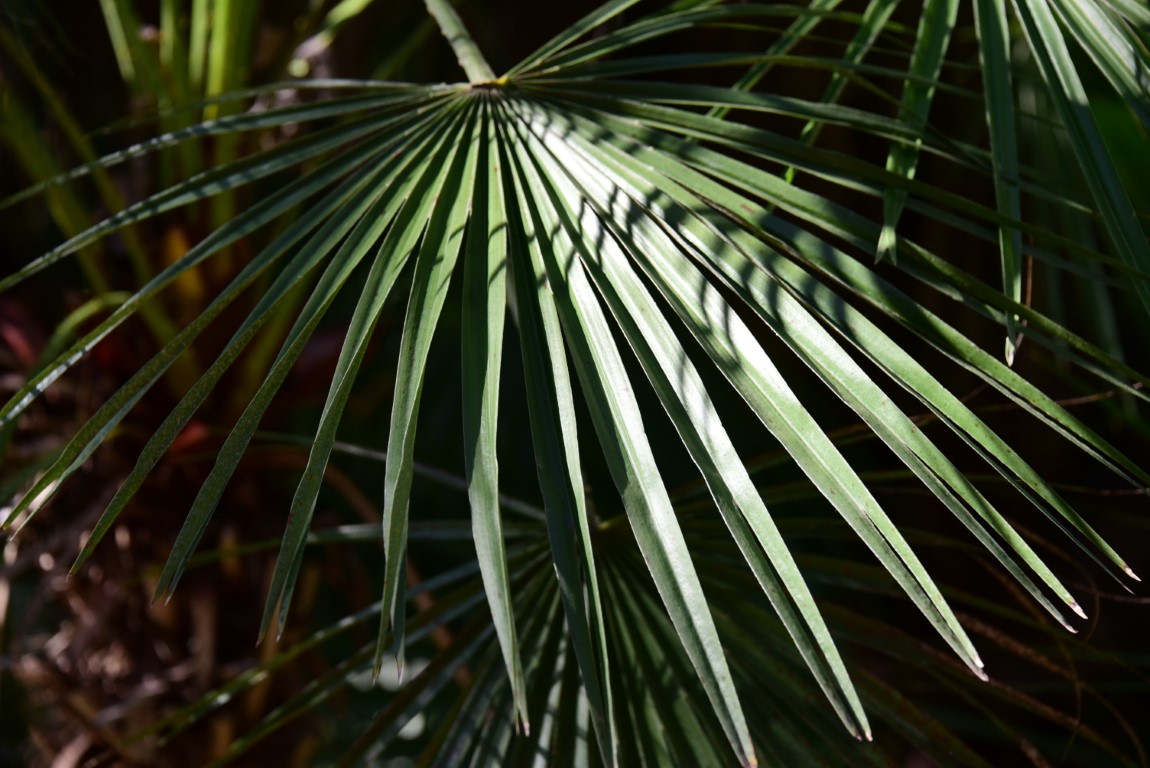
Evergreen palm with a characteristic clumping growth, as multiple shoots emerge from its underground rhizome. Its growth is slow, and the stems usually remain short, spaced closely together, with a height ranging from 2 to 5 meters and a trunk diameter of 20–25 cm, covered with a fibrous “bark.” The roots and underground rhizomes contribute to the formation of new shoots, creating dense, shrub-like clumps. The leaves are palmate, stiff, and petiolate, reaching up to 1.5 meters in length. They bear 10–20 fan-shaped leaflets, 50–80 cm long, with palmate venation and a rough texture. The petioles carry numerous sharp spines, a feature that enhances the plant’s defensive character. The foliage varies in color from light green to silvery-green or bluish-green, forming a dense, hemispherical crown that is particularly striking and recognizable.
(flowering period, flowers, seeds)
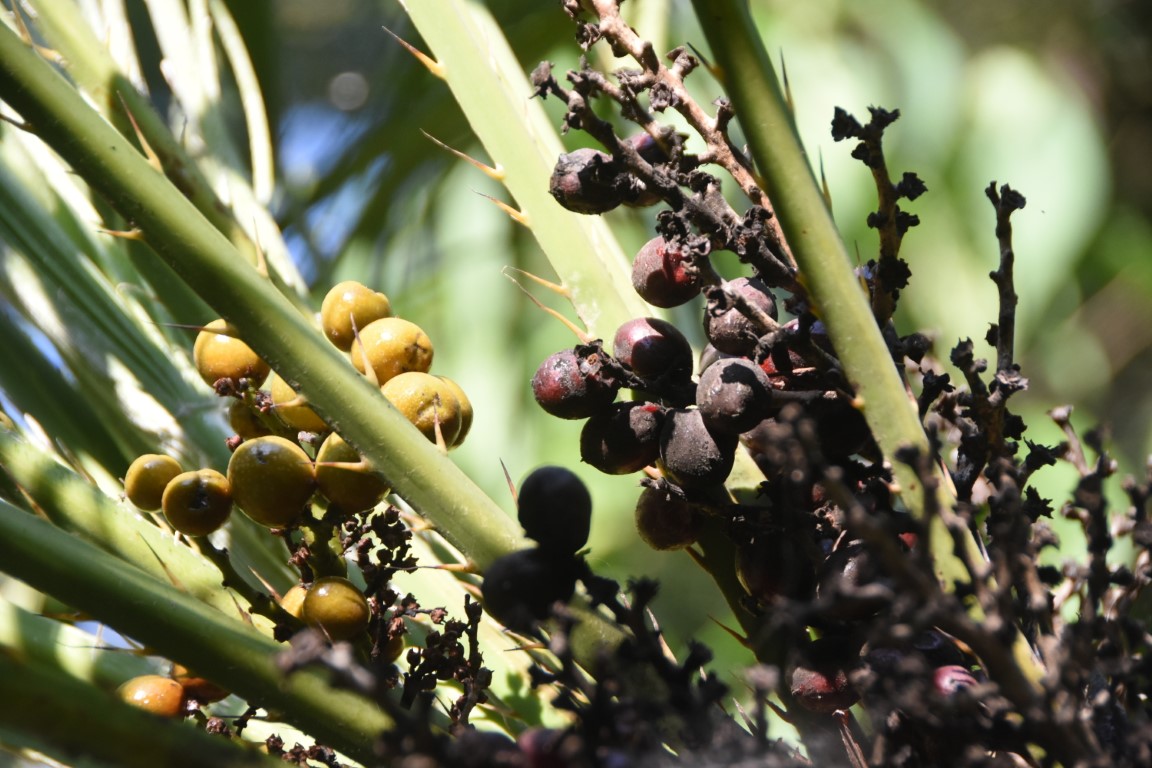
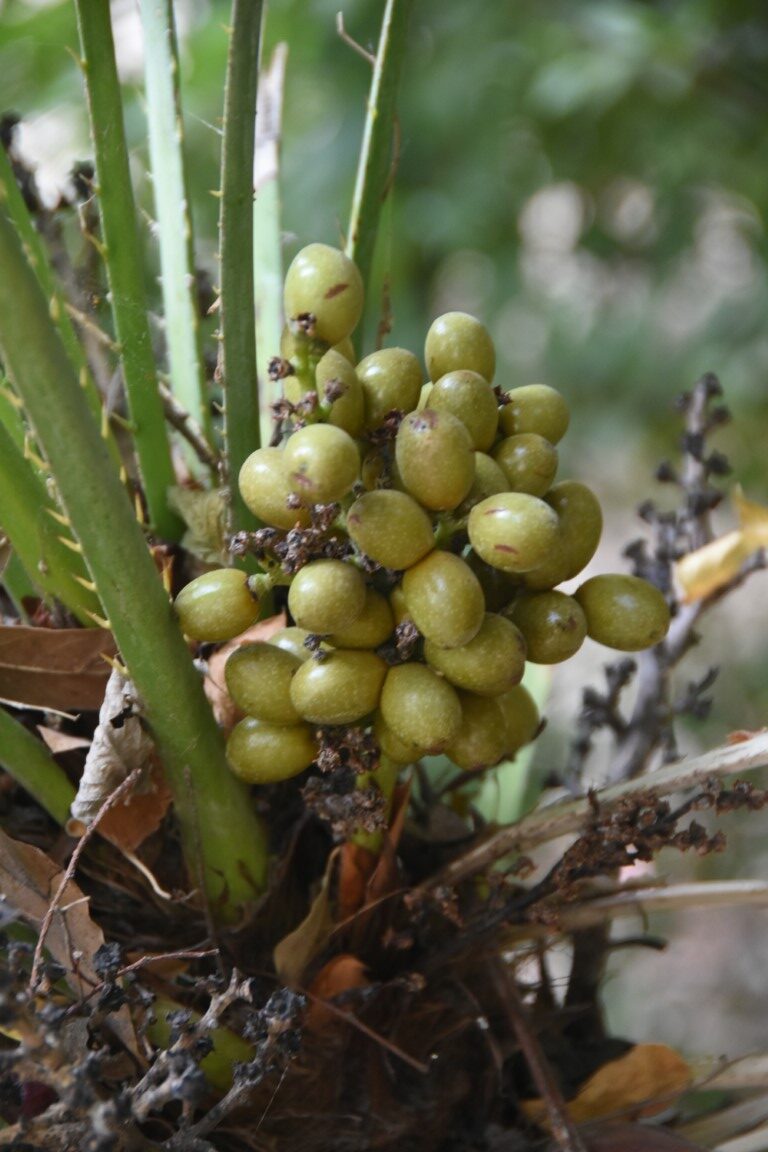
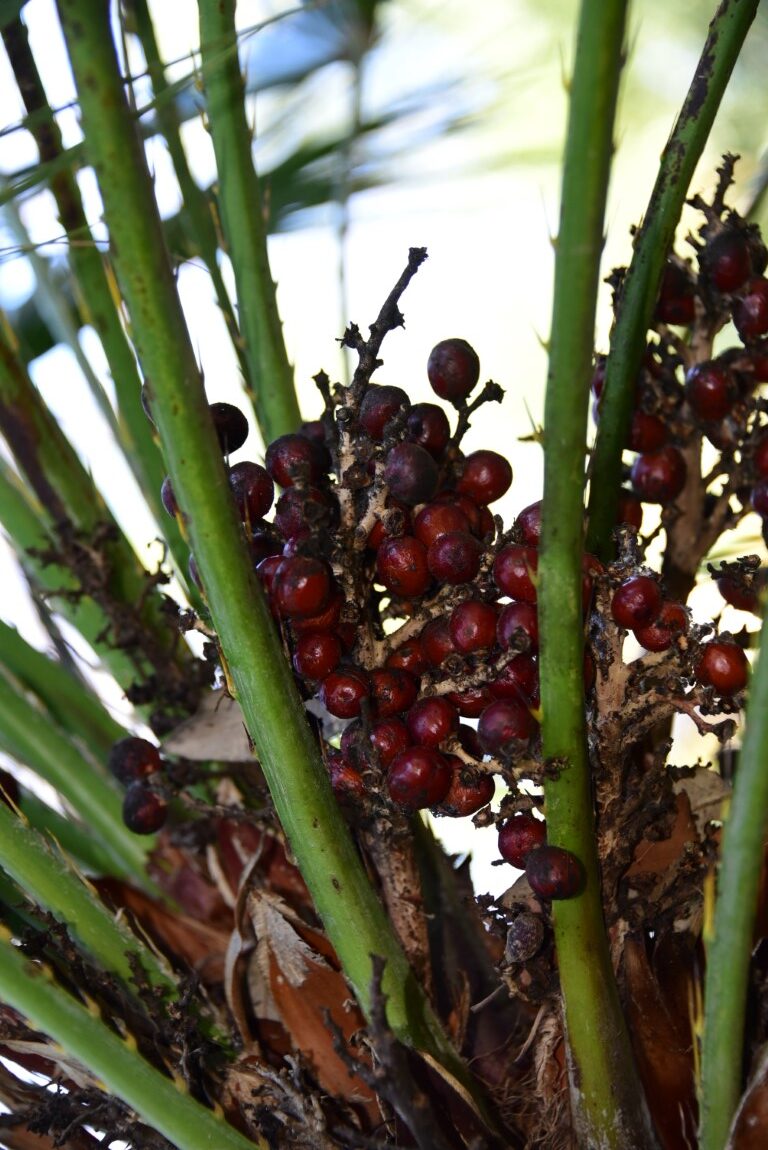
Dioecious palm, with male and female flowers on separate plants, although intermediate forms may rarely occur. Flowering takes place in spring (April–May), with inflorescences emerging at the top of the stems and protected by bracts. Male flowers are yellowish, 4–5 mm in diameter, with three sepals and three petals. Male inflorescences, up to 20 cm long, are yellow, fragrant, and attract insects despite the absence of nectar. Female flowers are also small (3–4 mm), triovulate, with three free carpels. Each inflorescence bears 38–90 flowers, which bloom progressively from the top downward, so the upper portion is often already fertilized (and green), while the lower portion remains yellowish and fertile. The lifespan of each female inflorescence ranges from 7 to 15 days, and some flowers produce nectar. Pollination is mixed: the plant is partially wind-pollinated but primarily insect-pollinated. The only recorded specialized pollinator is the beetle Derelomus chamaeropsis, which is guided by chemical cues released from the leaves rather than the flowers – an unusual trait among plants. Fruits are drupes, initially green, turning from dark yellow to brown upon ripening (September–November). Each fruit is surrounded by a fibrous mesocarp that emits a strong rancid-butter odor when ripe. This scent attracts nocturnal mammals, which consume fruits and disperse the seeds. The fleshy mesocarp delays germination until the seeds are dispersed, acting as a barrier against insects, and facilitates dispersal by mammals. However, although consumed seeds have a higher likelihood of germination, they often suffer greater insect predation. In addition to sexual reproduction via seeds, the species reproduces asexually through the sprouting of new shoots from the rhizome.
It is one of only two palm species endemic to continental Europe, the other being Phoenix theophrastii, a palm endemic to Greece, specifically in the region of Crete.
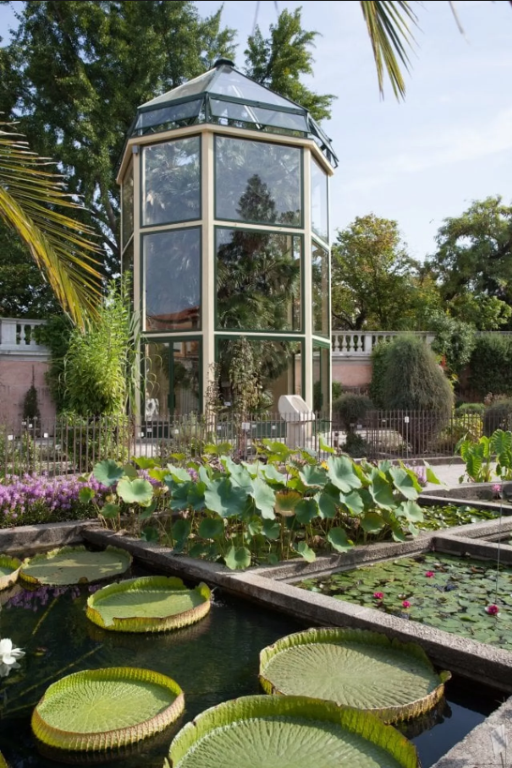
The origin of the species dates to the Eocene epoch (56 to 33.9 million years ago), as fossils in the Mediterranean indicate that it was one of the region’s most ancient plants producing fleshy fruits. Its current limited distribution represents remnants of the Eocene paratropical forests of the Mediterranean, which were reduced and fragmented during the climatic fluctuations of the glacial and interglacial periods. The species’ origin and present distribution are closely linked to the geological and climatic history of the Mediterranean over the last 6 million years, including major events such as the Messinian Salinity Crisis (5.96–5.33 million years ago) and the establishment of the Mediterranean climate during the Pliocene (5.3–2.6 million years ago). One of the oldest preserved cultivated specimens of this palm is the “Goethe Palm,” planted in the Botanical Garden of Padua in 1585.
It is widely cultivated as an ornamental plant, originating both from wild populations and cultivated sources, due to its resilience and distinctive aesthetic value. In western Algeria and Morocco, extracts from the stem and leaves are used to treat diabetes, gastrointestinal disorders, spasms, and other ailments of the digestive system. This traditional use appears to be supported by scientific evidence, as leaf extracts have been shown to reduce cholesterol and triglyceride levels, supporting their use in managing secondary complications of diabetes. The plant contains secondary metabolites such as tannins, flavonoids, and saponins, as well as smaller amounts of steroids and essential oils, which are likely responsible for its therapeutic properties. At the same time, its volatile compounds appear to play a role in attracting pollinators and in defense against herbivorous insects. In the past, the core of the plant was consumed as food, while its leaves have been extensively used in handicrafts, such as the weaving of baskets, ropes, straw mats, and other everyday items. Mature leaves are used to make brooms, whereas young, still unopened leaves are treated with sulfur to soften them and produce more flexible fibers for finer craftsmanship. The outer layer of the fruit, known in Andalusia as “higa”, is edible when still tender, while the fruits themselves—bitter and rich in tannins—are used in traditional medicine for their astringent properties. In addition, the species plays an important ecological role, contributing to soil protection against erosion and desertification, and providing food and shelter for numerous animal species. Its ability to thrive in dry and harsh conditions makes it a key component of xerophytic ecosystems and thermomediterranean habitats. Furthermore, its presence serves as a bioindicator of thermomediterranean vegetation, and its protection has been proposed at the European Union level through the designation of Special Areas of Conservation, due to its ecological and cultural value. Today, its presence in Mediterranean ecosystems highlights its close association with traditional agriculture, the conservation of natural habitats, and the cultural heritage of the western Mediterranean.
(Note: Ethnobotanical data regarding the medicinal uses of plants must be handled with caution, and their application should be carried out exclusively under medical supervision).
- https://powo.science.kew.org/taxon/urn:lsid:ipni.org:names:665917-1
- https://www.iucnredlist.org/species/13164373/95532812
- https://en.wikipedia.org/wiki/Chamaerops
- Benmehdi, H., Hasnaoui, O., Benali, O., & Salhi, F. (2012). Phytochemical investigation of leaves and fruits extracts of Chamaerops humilis L. Journal of Materials and Environmental Science, 3(2), 320–337.
- Coen, E. (2001). Goethe and the ABC model of flower development. Comptes Rendus de l’Académie des Sciences – Series III – Sciences de la Vie, 324(6), 523–530. https://doi.org/10.1016/S0764-4469(01)01321-7
- Dornelas, M. C., & Dornelas, O. (2005). From leaf to flower: Revisiting Goethe’s concepts on the “metamorphosis” of plants. Brazilian Journal of Plant Physiology, 17(4), 335–344. https://doi.org/10.1590/S1677-04202005000400001
- Duhamel du Monceau, M. (1801). Traité des arbres et arbustes qui se cultivent en France en pleine terre. Chez Didot ainé, Michel, et Lamy.
- García-Castaño, J. L., Terrab, A., Ortiz, M. Á., Stuessy, T. F., & Talavera, S. (2014). Patterns of phylogeography and vicariance of Chamaerops humilis L. (Palmae). Turkish Journal of Botany, 38(6), 1132–1146. https://doi.org/10.3906/bot-1404-38
- Gilman, E. F. (1999). Chamaerops humilis (Fact Sheet FPS-123). University of Florida, Institute of Food and Agricultural Sciences. https://hort.ifas.ufl.edu/shrubs/CHAHUMA.PDF
- Guzmán, B., Fedriani, J. M., Delibes, M., & Vargas, P. (2017). The colonization history of the Mediterranean dwarf palm (Chamaerops humilis L., Palmae). Tree Genetics & Genomes, 13, Article 24. https://doi.org/10.1007/s11295-017-1108-1
- Herrera, J. (1989). On the reproductive biology of the dwarf palm, Chamaerops humilis in southern Spain. Principes, 33(1), 27–32.
- Hirai, Y., Sanada, S., Ida, Y., & Shoji, J. (1986). Studies on the constituents of palmae plants: III. The constituents of Chamaerops humilis L. and Trachycarpus wagnerianus Becc. Chemical and Pharmaceutical Bulletin, 34(1), 82–87. https://doi.org/10.1248/cpb.34.82
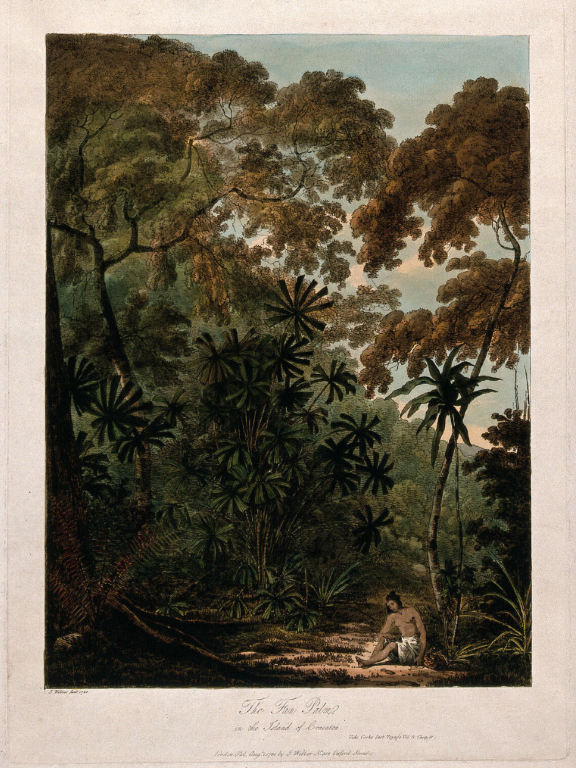
- Webber, J. (1788). Krakatoa: Fan palm (Chamaerops humilis L.) with surrounding tropical forest and native woman [Coloured soft-ground etching]. Wellcome Collection, London, United Kingdom. After illustration in A voyage to the Pacific Ocean by James King (1785).
During each season you will see:
References in Αrt
When Johann Wolfgang von Goethe visited the Botanical Garden of Padua, he was struck by the way the leaves of the Chamaerops gradually changed form from the base to the apex, observing a continuous morphological transition. This observation provided significant philosophical and scientific inspiration, leading him to the idea that all parts of a plant—such as leaves, flowers, and fruits—are not entirely separate organs, but rather transformations of a common underlying form. Based on this insight, Goethe developed the theory of plant metamorphosis and, in 1790, wrote the work “Versuch die Metamorphose der Pflanzen zu erklären” (Attempt to Explain the Metamorphosis of Plants), in which he introduced the concept of the “Urpflanze” (primordial plant), proposing that all plants are based on a common morphological template and evolve through successive transformations.