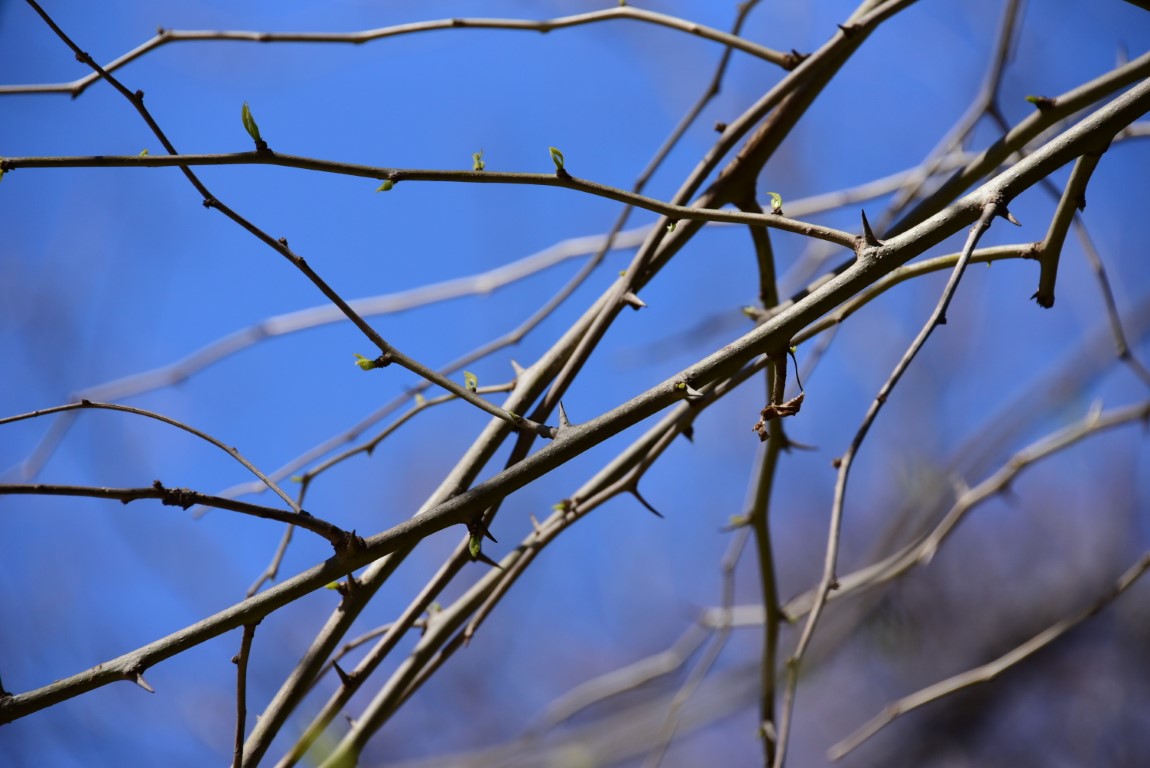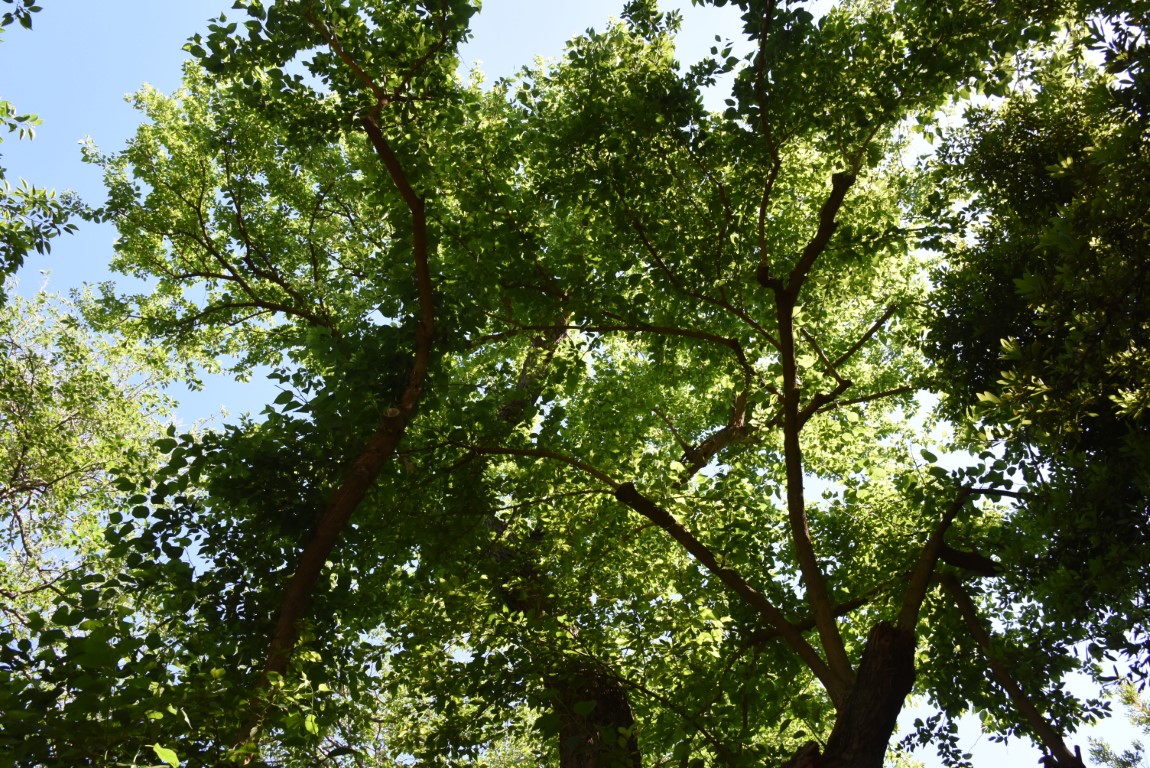


A species that thrives in fertile, well-drained soil and exhibits resistance to drought and to temperatures as low as -20°C. It requires sunny locations and typically forms forests near rivers and meadows.
(height, leaf arrangement, leaf shape, root system)
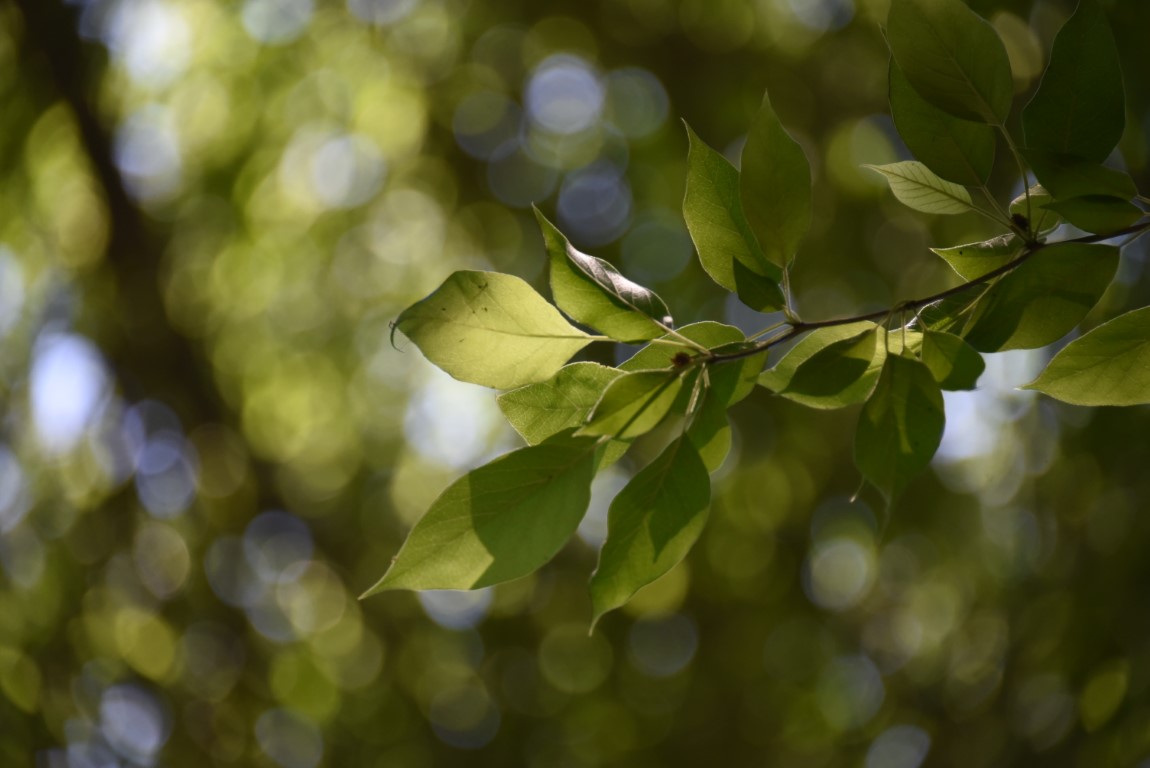
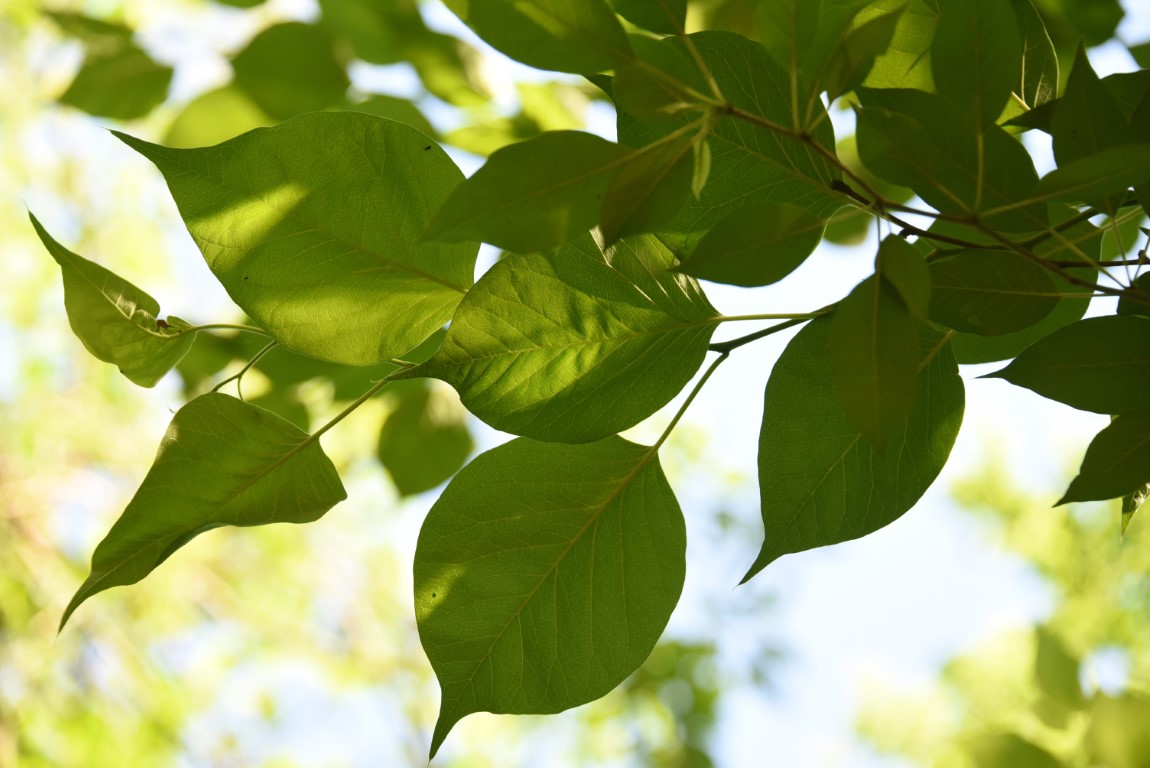
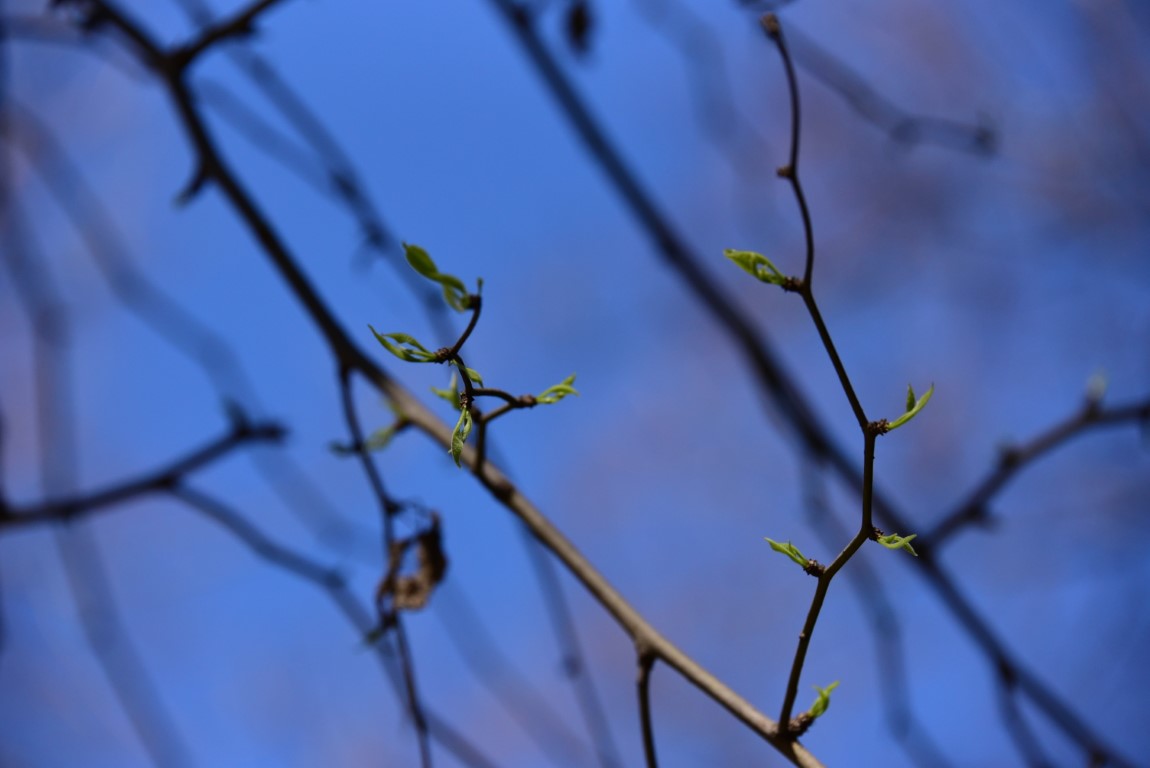
Large shrub or small deciduous tree up to 20 m in height, with a broad crown, short trunk with thorny branches, and grey-colored bark with orange-brown areas and deep furrows. The foliage consists of simple, alternate leaves that are petiolate and ovate in shape. They have acuminate tips and a glabrous adaxial (upper) surface. The root system is deep, reaching up to 8 m, however, depending on the soil conditions in which it has been cultivated, it may only penetrate the upper soil layers to about 2.5 metres.
(flowering period, flowers, seeds)
The reproduction of the species occurs either vegetatively or sexually. It is dioecious, with female flowers located on different trees than male flowers. The male flowers are smaller, green, spherical, and hairy, organized in axillary racemes, with 4 stamens and 4 sepals but without petals, while the female ones are organized in axillary subspherical heads. The flowering period lasts from April to June. The fruit resulting from fertilized female flowers is initially green in color and eventually becomes orange. It is a syncarp, as it consists of many small drupes, each containing a pointed seed of light brown color and 1 cm in length. The fruit matures during September – October.
The fruits of the species are not edible and can have a toxic effect if consumed. They secrete a milky sap that can cause dermatitis.
The first record of the species was documented by the Scottish explorer William Dunbar in 1804. Its taxonomic nomenclature underwent several revisions during the early 19th century, until the genus name Maclura was established by Thomas Nuttall in honor of the geologist William Maclure. Paleontological evidence indicates that the genus previously enjoyed a broader distribution, extending as far as Canada. The species is characterized by its longevity—reaching up to 150 years—and its high tolerance to drought, attributes that underscore its ecological and agroforestry significance.
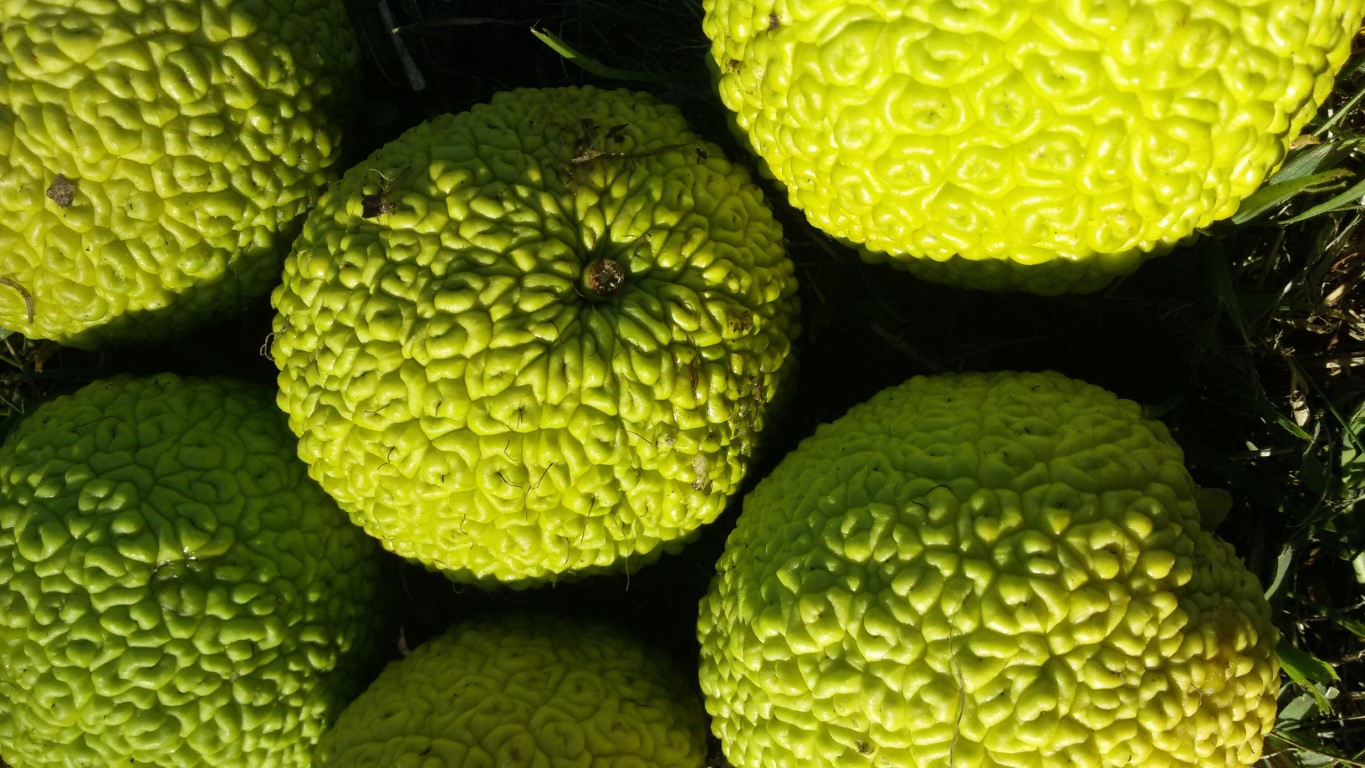
French settlers observed that Native Americans utilized the wood of the species for the construction of bows and spears, leading them to designate it as “bois d’arc” (meaning “bow-wood”). Prior to the invention of barbed wire, the species was widely planted as a living fence to deter free-ranging livestock from encroaching upon agricultural crops. The English common name, Osage Orange, is derived from the ancestral lands of the Osage Nation (present-day Missouri and Arkansas), which constitute the plant’s region of origin. Its inedible fruits are large, resembling rugose, lime-green spheres, and contain a milky sap (latex) that exhibits mild toxicity to humans.
The species Maclura pomifera is utilized for soil stabilization and erosion control; it is also cultivated as a natural fencing for other crops due to its capacity for vegetative reproduction, which allows it to form dense thickets. During the 19th century, following recommendations made to Thomas Jefferson, the plant was extensively propagated as a natural hedgerow across the American plains, serving as a primary means of farm enclosure prior to the widespread adoption of barbed wire.
The heartwood of Maclura pomifera served as a significant source of yellow dye, particularly during World War I, while the trunk bark was utilized in the tanning industry. However, the advent of synthetic dyes and chemical tanning agents eventually curtailed its industrial utility. The exceptional elasticity and density of the wood rendered it ideal for bow-making-a characteristic use that gave rise to the name “bow-tree”. The Osage and Comanche tribes considered its wood more valuable than a horse; indeed, in 18th and 19th-century trade, a single bow crafted from this wood could be exchanged for luxury goods!
From an ethnobotanical perspective, various parts of the plant have been utilized in traditional medicine: the Comanche employed root decoctions to treat ocular irritations, while in Bolivia, the sap was used as a remedy for toothaches. Furthermore, indigenous populations have historically utilized the species for purported anti-cancer purposes. Although the fruits are non-edible, they contain isoflavones, which demonstrate potent antioxidant activity. Additionally, the seed oil—rich in linoleic acid, phytosterols, and other bioactive compounds—shows significant potential for application in the cosmetics, pharmaceutical, and functional food industries.
(Note: Ethnobotanical data regarding the medicinal uses of plants must be handled with caution, and their application should be carried out exclusively under medical supervision).
- https://powo.science.kew.org
- https://www.worldfloraonline.org
- https://www.missouribotanicalgarden.org
- Fatnassi, S., Nehdi, I. E., & Zarrouk, H. (2009). Chemical composition and profile characteristics of Osage orange Maclura pomifera (Rafin.) Schneider seed and seed oil. Industrial Crops and Products, 29(1), 1–8. https://doi.org/10.1016/j.indcrop.2008.04.013
- He, J., Zhang, X., Bu, M., Fan, S., Xiao, Z., & Cheng, Z. (2019). Comparative analysis of the complete chloroplast genomes of five Maclura species: Genome organization, genetic resources, and phylogenetic relationships. Scientific Reports, 9(1), Article 19445. https://doi.org/10.1038/s41598-019-55889-y
- Khaleghi, A., Naderi, R., Brunetti, C., Maserti, B. E., Salami, S. A., & Babalar, M. (2019). Morphological, physiochemical and antioxidant responses of Maclura pomifera to drought stress. Scientific Reports, 9(1), Article 19250. https://doi.org/10.1038/s41598-019-55889-y
- Orazbekov, Y., Ibrahim, M. A., Mombekov, S., Srivedavyasasri, R., Datkhayev, U., Makhatov, B., Chaurasiya, N. D., Tekwani, B. L., & Ross, S. A. (2018). Isolation and biological evaluation of prenylated flavonoids from Maclura pomifera. Evidence-Based Complementary and Alternative Medicine, 2018, Article 1370368. https://doi.org/10.1155/2018/1370368
- Smith, J. L., & Perino, J. V. (1981). Osage orange (Maclura pomifera): History and economic uses. Economic Botany, 35(1), 24–41. https://doi.org/10.1007/BF02859211
- Su, Z., Wang, P., Yuan, W., Grant, G., & Li, S. (2017). Phenolics from the fruits of Maclura pomifera. Natural Product Communications, 12(11), 1747–1750. https://doi.org/10.1177/1934578X1701201122