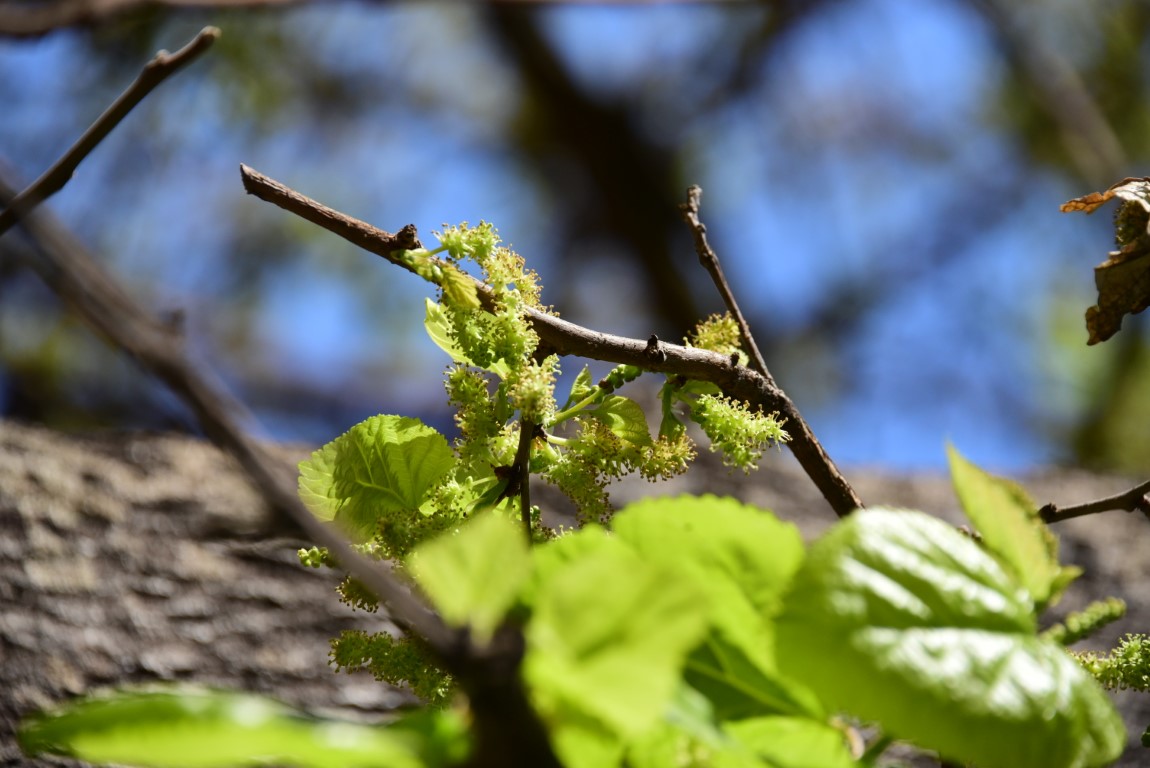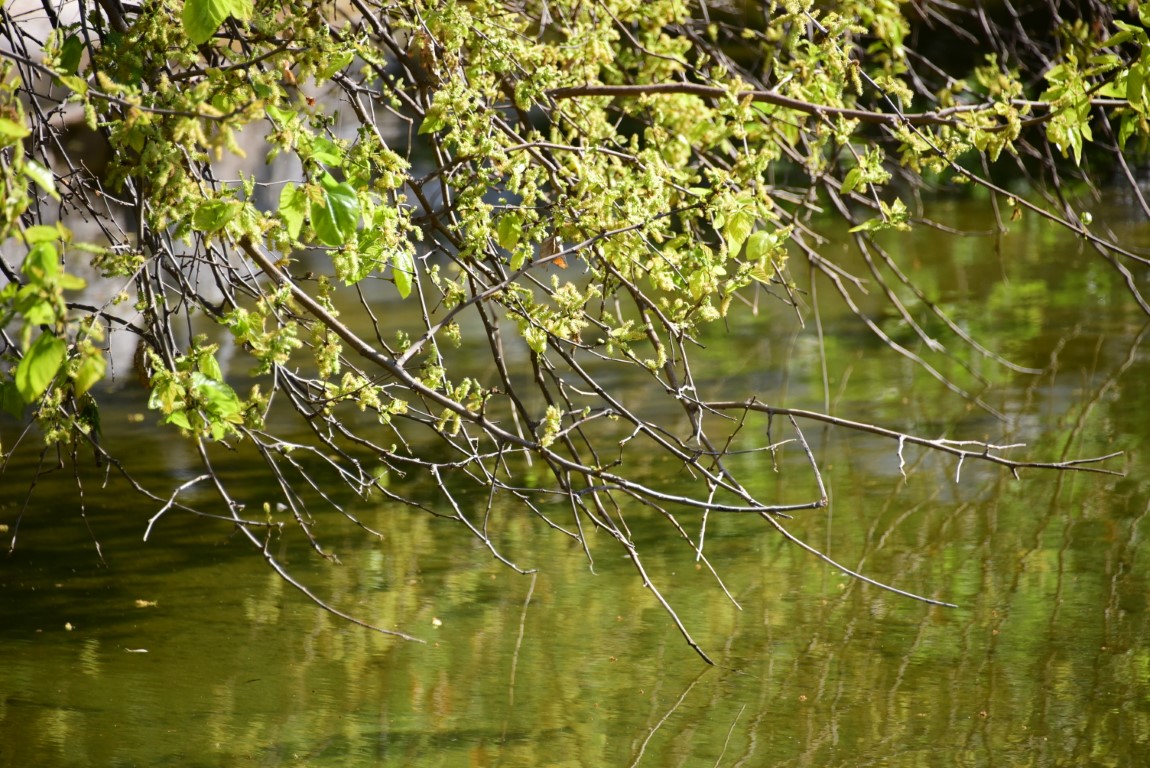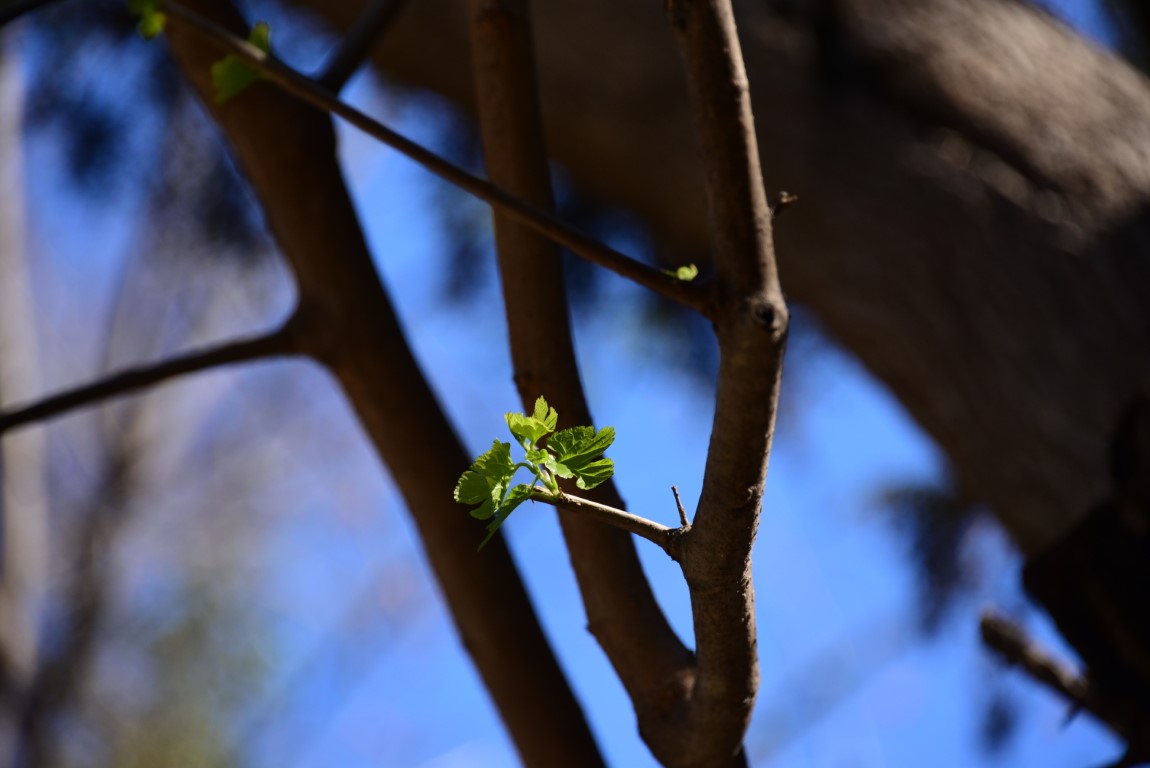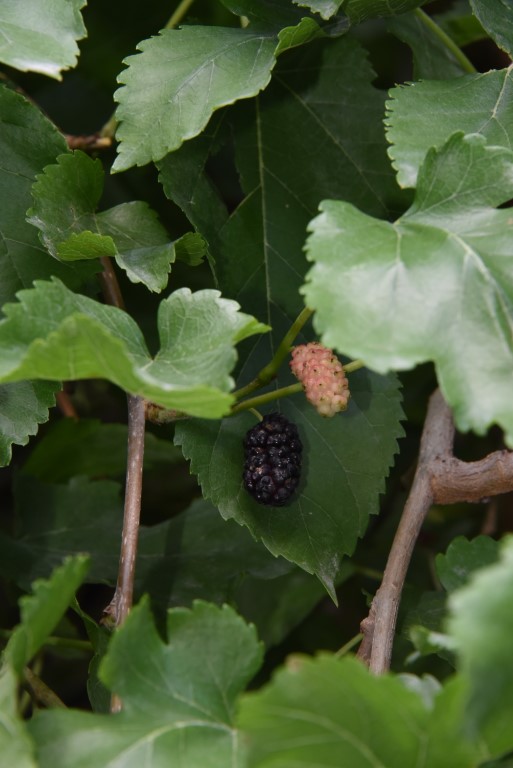


Characterized as a “Phanerophyte (P)”. Its habitat is “Agricultural and Ruderal habitats (R)”. Plants of this species thrive in environments with high availability of natural light and fertile soils with moisture and good drainage. They are resistant to high temperatures, drought, increased salinity, and atmospheric pollution.
(height, leaf arrangement, leaf shape, root system)
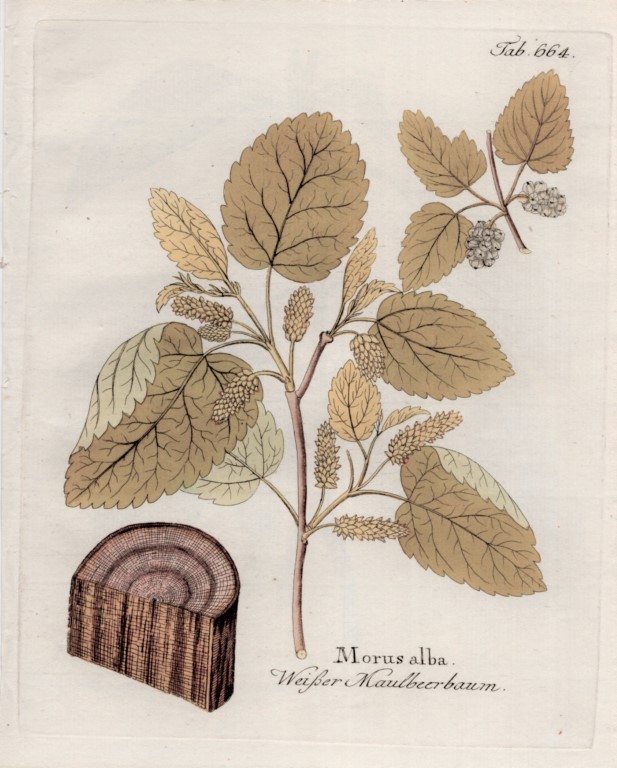
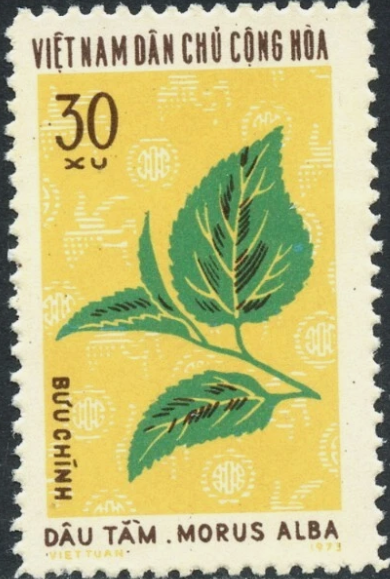
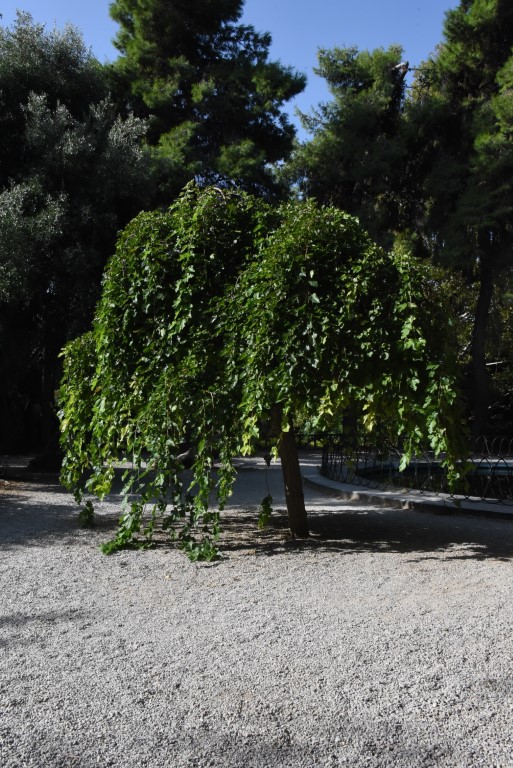
Deciduous perennial trees up to 15 m in height, with a circular to oval crown and a grey-brown trunk that can reach a diameter of 70 cm. The leaves are large (up to 18 cm in length), simple, smooth, dark green, with a heart-shaped base, lobed tip, and serrated margin. They grow alternately and turn yellow during the autumn season. The root system is strong and well-developed.
(flowering period, flowers, seeds)
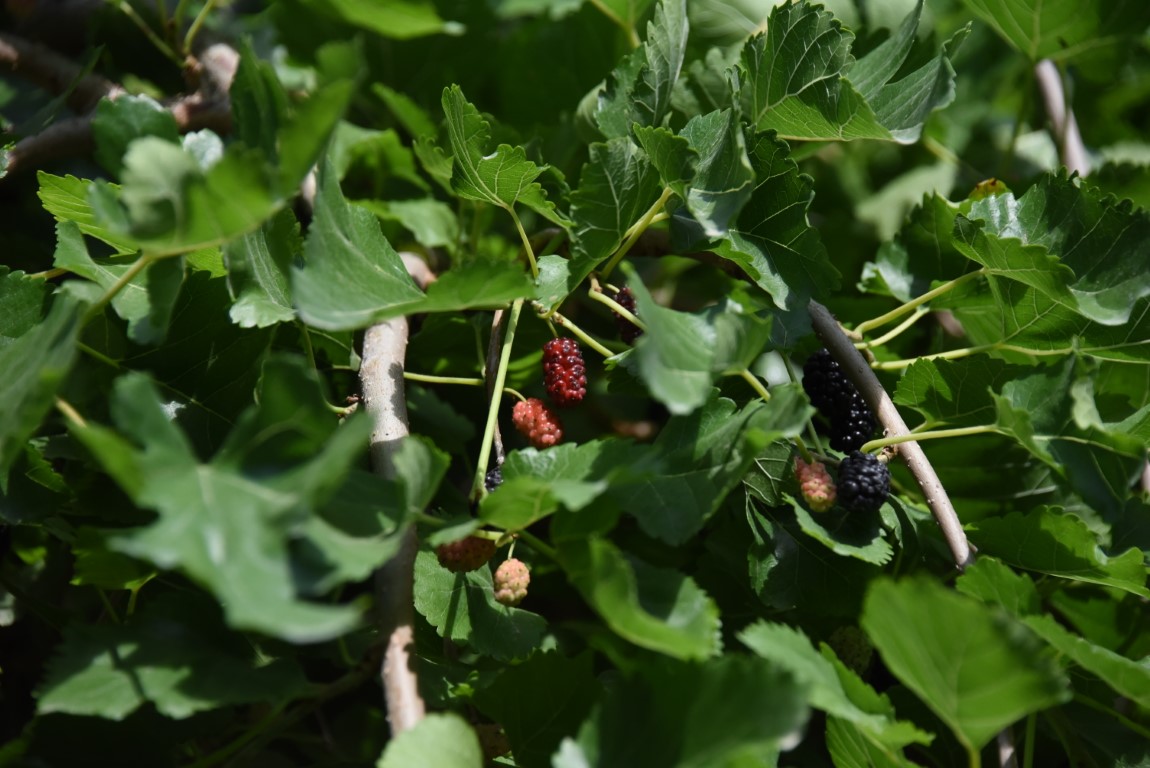
Mainly a dioecious species, with male trees producing small greenish flowers organized in catkin-like inflorescences. The flowers of female trees are also small and organized in a different type of inflorescence called spikes. The flowering period lasts from April to June. Fertilized female flowers produce edible fruits, which are syncarps, consisting of many small fruits named drupes, each containing a seed. They can be white, red, or black in color. The specific epithet “alba” of the official name is attributed to the fruit color, which in Latin means white.
Without the white mulberry, natural silk would not exist! The sole food of the silkworm is the leaves of the tree.
The species originated in China over 4,700 years ago, primarily cultivated for its foliage as the essential food source for silkworms. Consequently, the mulberry holds a preeminent position in Chinese culture, intertwined with prosperity and the art of sericulture. Legend credits Emperor Huang Di with introducing mulberry cultivation to his people, thereby catalyzing the development of silk production and marking a pivotal advancement in Chinese civilization. From China, the tree gradually spread to the Middle East, Europe, and the Mediterranean, where it adapted seamlessly due to its resilience and its nutritional and medicinal properties. The formal classification of Morus alba was established by Carl Linnaeus in 1753 in his seminal work, Species Plantarum.
Strabo was the first to correlate the morphology of the Peloponnese with the mulberry tree. He noted that a specific variety of the tree features leaves divided into five lobes, mirroring the five principal capes of the Peloponnese. For this reason, in later periods, the region acquired the name Moreas or Morias. Furthermore, in his descriptions of Egyptian flora, Strabo refers to species related to the mulberry, such as the sycamore (Ficus sycomorus), highlighting the morphological and pomological similarities between these trees.
Theophrastus observes that the mulberry foliates relatively late compared to most trees. He notes that humid locations facilitate longer leaf retention, whereas trees in arid regions or light soils tend to shed their foliage earlier. The wood of the mulberry is characterized by its dense, hard, and durable structure; it is resistant to decay and becomes easily workable with age, which led to its historical use in the construction of theater seating. Pliny the Elder provides more extensive accounts, describing the mulberry as among the last trees to bud but one of the first to ripen its fruit. This characteristic earned it the reputation of the “wisest of trees”, as it effectively avoids frost damage. Additionally, he notes the ontogenetic color change of the fruit—from white to red and finally to black—and describes the juice as having a pleasant, vinous flavor. Pliny also emphasizes the tree’s longevity, attributing its slow aging process to the fact that it is not easily exhausted by its own fruit-bearing. Plutarch records instances of grafting mulberries onto other trees, such as the fig, a common horticultural practice of the era.
In literature, Ovid links the mulberry to the tragic narrative of the Babylonian lovers, Pyramus and Thisbe. The two fell in love despite their families’ prohibition. While attempting to meet secretly “under the shade of a tall mulberry tree” a series of misunderstandings led to their deaths; consequently, the white fruit was stained by their blood, turning a deep crimson. The tree thus became a symbol of love and loss. In an alternative version, the gods themselves altered the fruit’s color as a perpetual memorial to true love.
In a more modern context, American sericulture began as a promising national vision for economic self-sufficiency but rapidly devolved into a massive speculative “bubble” centered on the sale of mulberry saplings. Unfortunately, the industry collapsed abruptly in 1839 due to an economic contraction and natural disasters, leaving the ubiquitous “Mulberry Street” names across the United States as its sole enduring legacy.
Pliny emphasizes the pharmacological utility of both the fruit and the root for medicinal purposes, specifically citing their use in oral rinses and dental treatments. Similarly, Celsus categorizes mulberries among the foods beneficial for gastric health. Athenaeus further notes that the fruit of the wild mulberry, referred to as “moron” was remarkably sweet and palatable upon reaching maturity, underscoring its nutritional significance. Additionally, extracts derived from the leaves have been utilized for dental care and the treatment of various dermatological conditions.
Broadly, the fruits have historically served as tonics for the blood, liver, and kidneys, while exhibiting antihypertensive, hypoglycemic, diuretic, laxative, and sedative properties. Traditional medicine has also leveraged them to address fatigue, anemia, vertigo, tinnitus, and premature aging. Conversely, the leaves are employed as antipyretic, diaphoretic, and cooling agents; due to their potent antioxidant activity, they are also utilized in the prevention of atherosclerosis.
In contemporary practice, the mulberry is cultivated for its succulent fruit and its foliage, which remains the primary sustenance for silkworms. It is frequently utilized as an ornamental tree, valued for its lush canopy. Furthermore, following pruning, the foliage is often preserved to serve as a staple fodder for sheep and goats during the winter months. In domestic landscapes, the tree provides significant shade during the summer season, while its root system contributes effectively to the mitigation of soil erosion.
(Note: Ethnobotanical data regarding the medicinal uses of plants must be handled with caution, and their application should be carried out exclusively under medical supervision).
- https://powo.science.kew.org
- https://weedguide.cfaes.osu.edu
- Athenaeus, “Deipnosophistae”, 2.35, 2.36, 2.37, 3.14, 7.41, 13.6.
- Bible (New Testament), “Gospel According to Luke”, 17:6.
- Bible (Old Testament), “2 Samuel”, 5:23-25.
- Butt, M. S., Nazir, A., Sultan, M. T., & Schroën, K. (2008). Morus alba L. nature’s functional tonic. Trends in Food Science & Technology, 19(10), 505–512. https://doi.org/10.1016/j.tifs.2008.06.002
- Celsus, “De Medicina” 2.24
- Chambliss, A. (1960). The mulberry craze. The Georgia Review, 14(2), 156–164.
- Chen, H., He, X., Liu, Y., Li, J., Liang, X., & Zhong, X. (2023). Extraction, purification, structural characteristics and biological activities of polysaccharides from Morus alba L. leaves: A review. Naunyn-Schmiedeberg’s Archives of Pharmacology, 396(11), 2893–2912. https://doi.org/10.1007/s00210-023-02434-4
- Dimopoulos, P., Raus, T., Bergmeier, E., Constantinidis, T., Iatrou, G., Kokkini, S., Strid, A., & Tzanoudakis, D. (2013). Vascular plants of Greece: An annotated checklist (Englera 31). Botanic Garden and Botanical Museum Berlin-Dahlem; Hellenic Botanical Society. https://doi.org/10.3372/en.31
- Green, D. N., & Breen, N. (2021). Silk mania in the Auburn Prison, 1841–44. Dress, 47(2), 155–166. https://doi.org/10.1080/03612112.2021.1877975
- Plinius secundus, “Naturalis historiae”, 15.29.2, 15.33.1, 16.41.1, 16.51.1, 16.73.1, 16.76.4, 16.77.1, 16.83.1, 23.71.1–2, 30.23.
- Plutarch, “Moralia”, Table Talk (Quaestiones Convivales), 640b.
- Procopius, “History of the Wars”, 8.17.5.
- Strabo, “Geography”, 8.2, 17.2.4.
- Theophrastus, “Enquiry into Plants”, 1.7.6, 5.4.2, and 5.6.2.
- Vietz, F. B. (1800–1822). Icones plantarum medico-oeconomico-technologicarum cum earum fructus ususque descriptione = Abbildungen aller medizinisch-ökonomisch-technologischen Gewächse mit der Beschreibung ihres Gebrauches und Nutzens. Ignatz Albrecht; Phil. Jos. Schalbaecher.
- Yuan, Q., & Zhao, L. (2016). Phytochemistry, pharmacology, and clinical trials of Morus alba. Chinese Journal of Natural Medicines, 14(1), 17–30. https://doi.org/10.3724/SP.J.1009.2016.00017
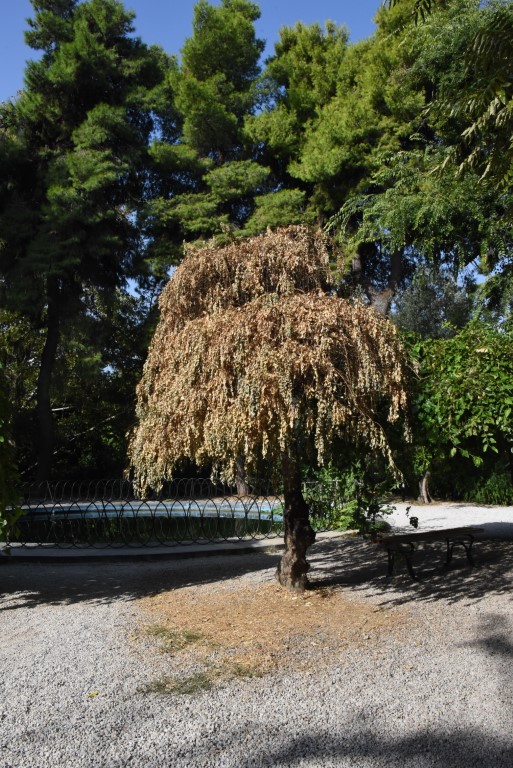
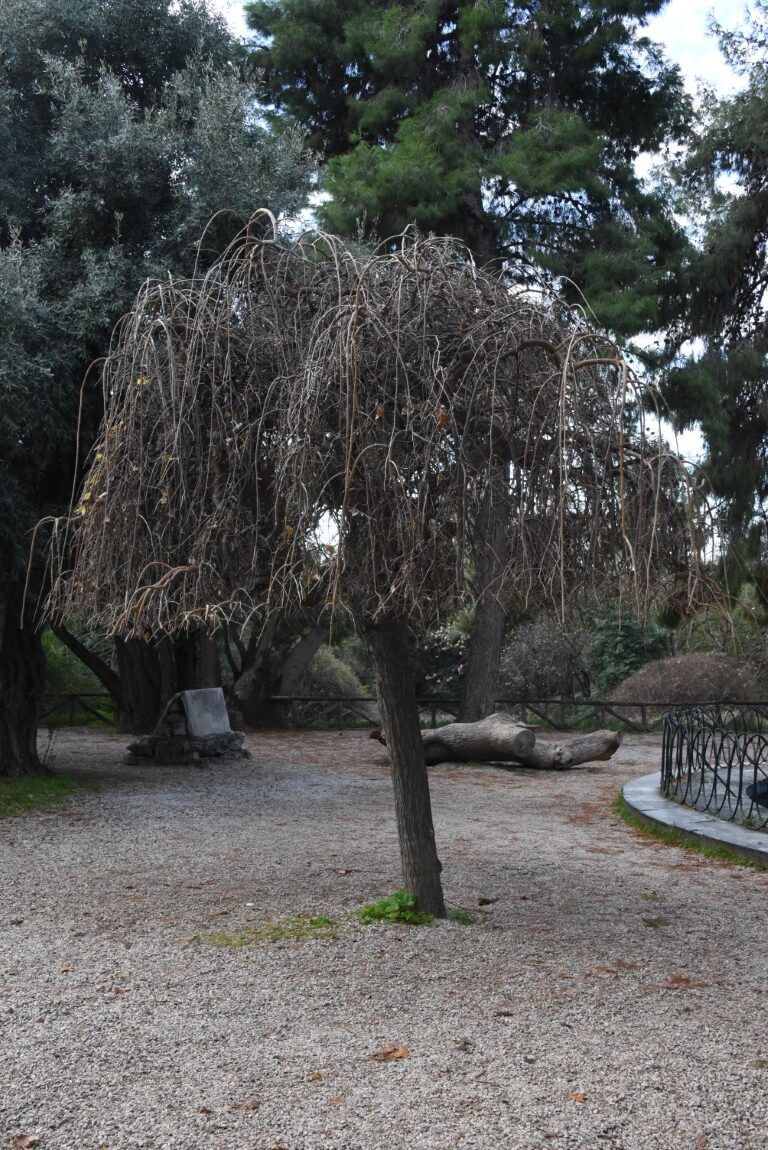
During each season you will see:
References in Αrt
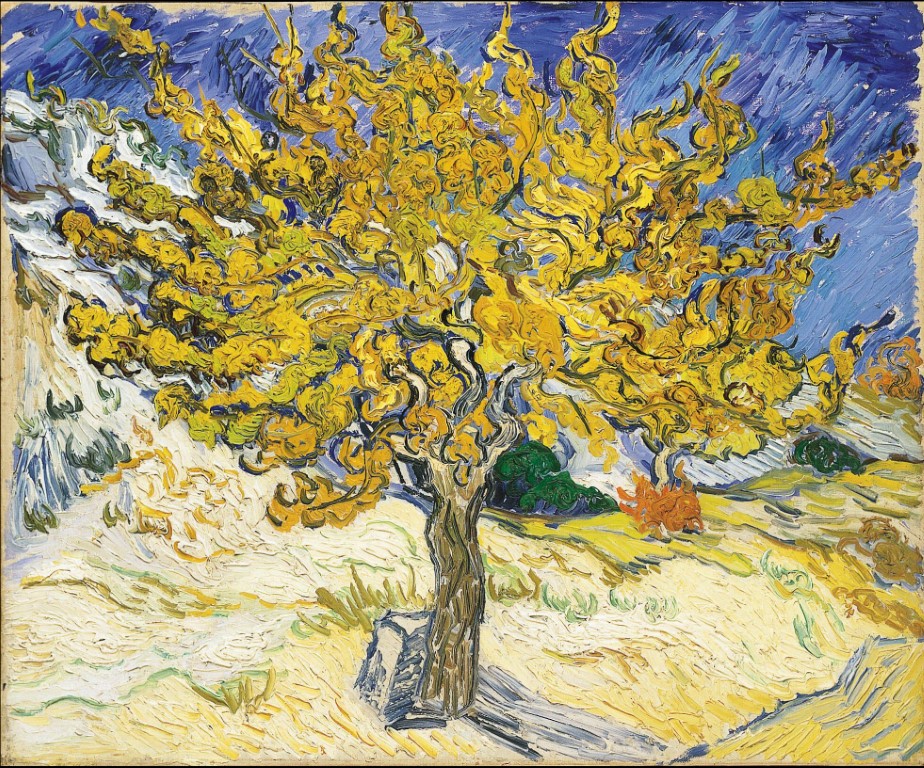
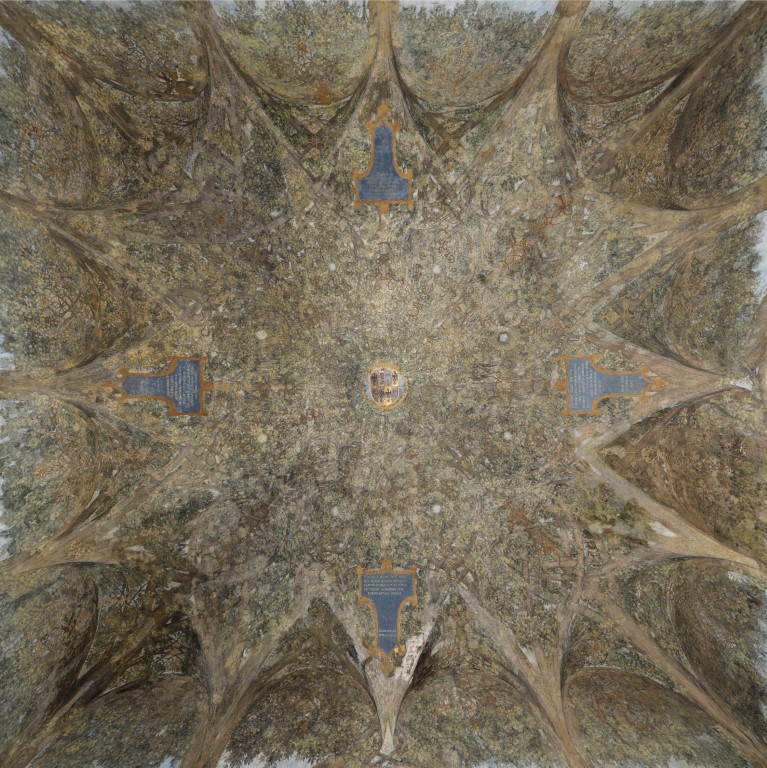
References to the species permeate poetry and various literary works, underscoring its cultural resonance. Perhaps the most prominent visual representation of the genus Morus is Vincent van Gogh’s masterpiece, “The Mulberry Tree” (1889). In the Sala delle Asse within the Castello Sforzesco in Milan, Leonardo da Vinci executed a magnificent trompe-l’œil ceiling featuring sixteen intertwined mulberry trees forming a lush, unified canopy (c.1498). The selection of the mulberry was deliberate; the Latin name Morus shared a linguistic connection with the moniker of the work’s patron, Duke Ludovico Sforza, famously known as “il Moro”. In modern literature, John Heath-Stubbs’ poem, “The Mulberry Tree”, invokes the species as a profound locus of gathering and collective memory.
In the Greek landscape, specifically at Skala Sykamias on the island of Lesvos, the “Myrivilis’ Mulberry” stands just above the chapel of Panagia Gorgona. This venerable tree, exceeding 140 years in age, serves as a living landmark. It was the cherished sanctuary and a pivotal source of creative inspiration for the renowned Greek author Stratis Myrivilis..