

Classified as a “Phanerophyte (P)”. Its habitat is “Anthropogenic and polluted areas (R)”. Plants of this species thrive in environments with high availability of natural light and fertile soils with moisture and good drainage. They are resistant to high temperatures, drought, increased salinity, and atmospheric pollution.
(height, leaf arrangement, leaf shape, root system)
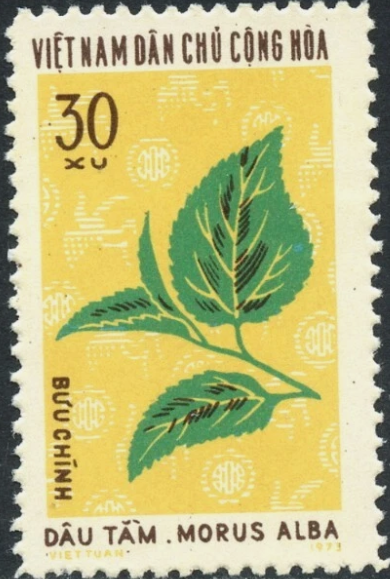
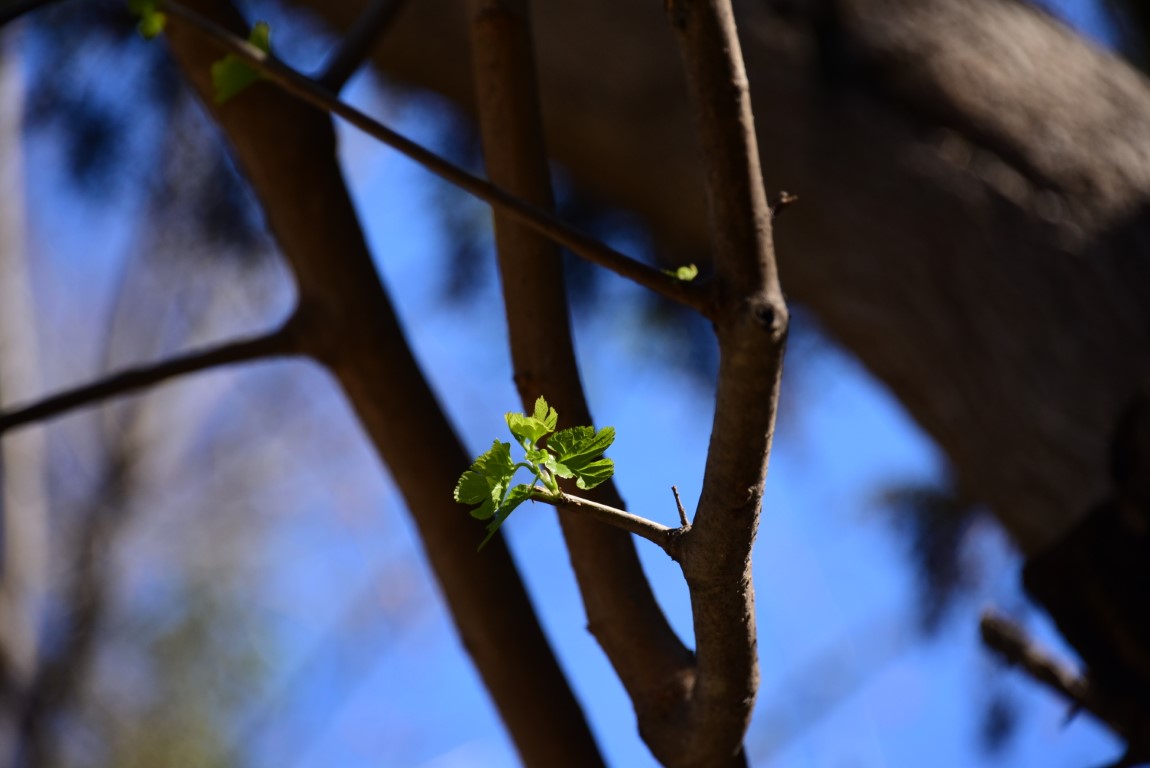
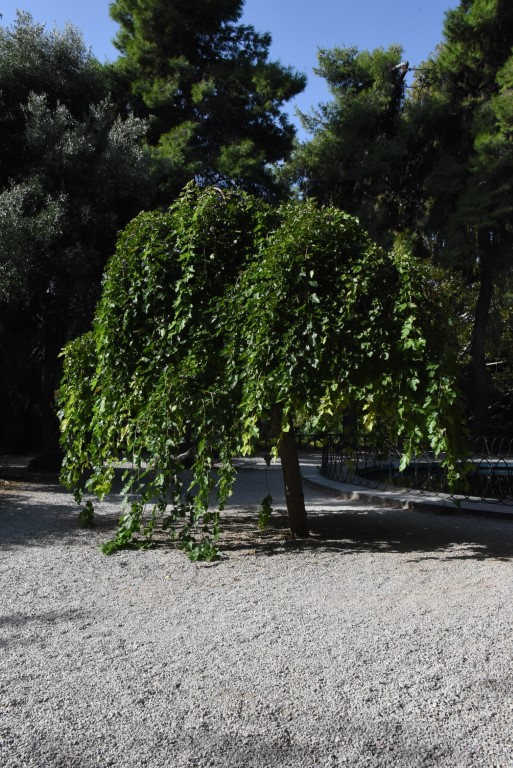
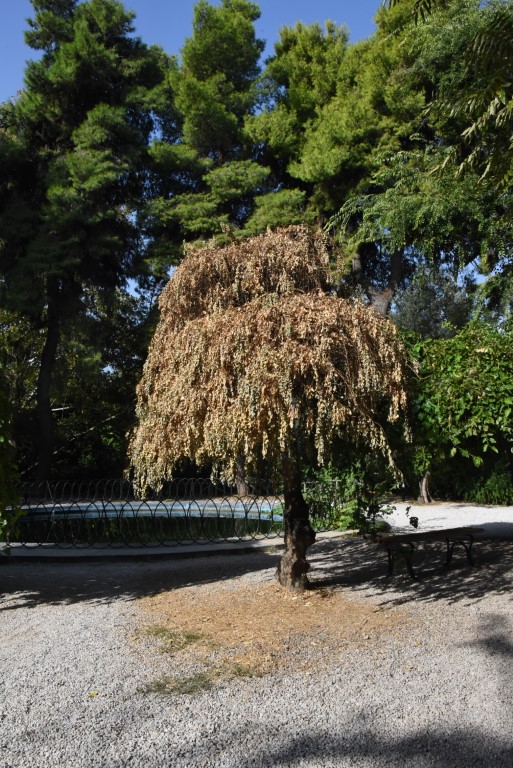
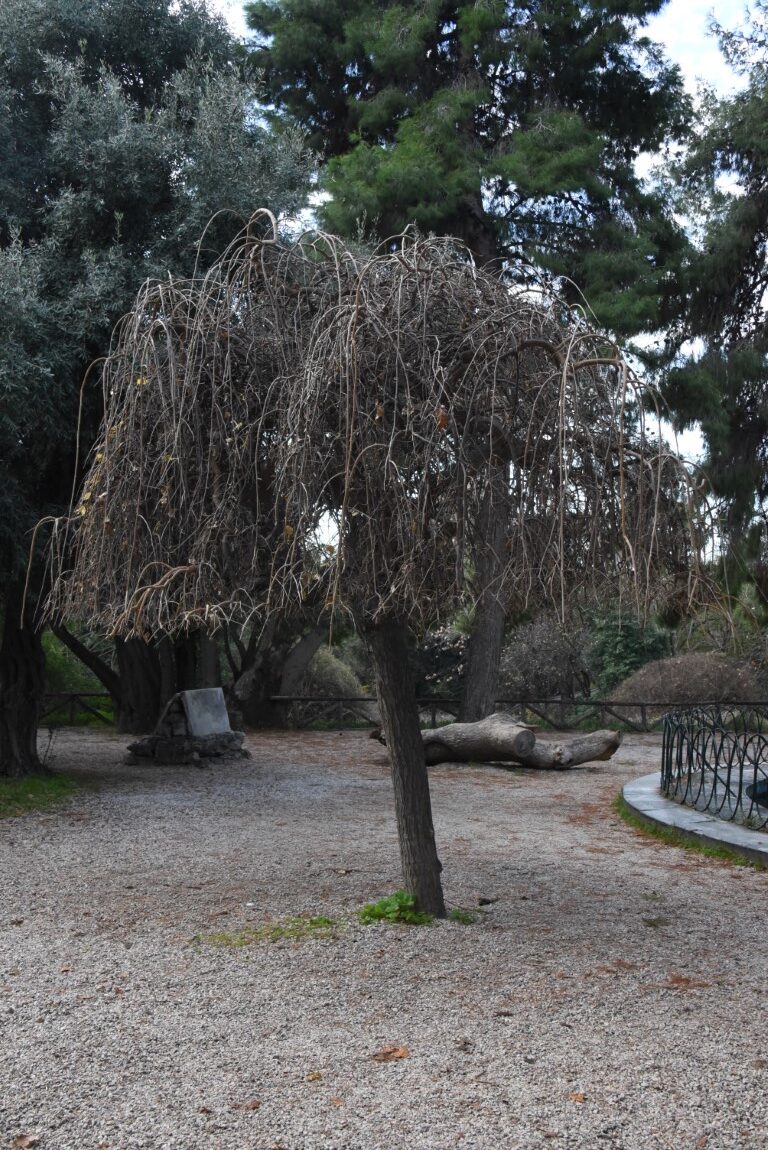
Small deciduous trees that reach 3-4 m in height, with a circular to oval crown up to 2.5 m in diameter. The trunk initially has an orange color which gradually turns grey, while the bark peels, creating ridges. The leaves are large (up to 18 cm in length), simple, smooth, dark green in color, with a heart-shaped base, lobed tip, and serrated margin. They grow alternately and turn yellow during the autumn season. The root system is strong and well-developed.
(flowering period, flowers, seeds)
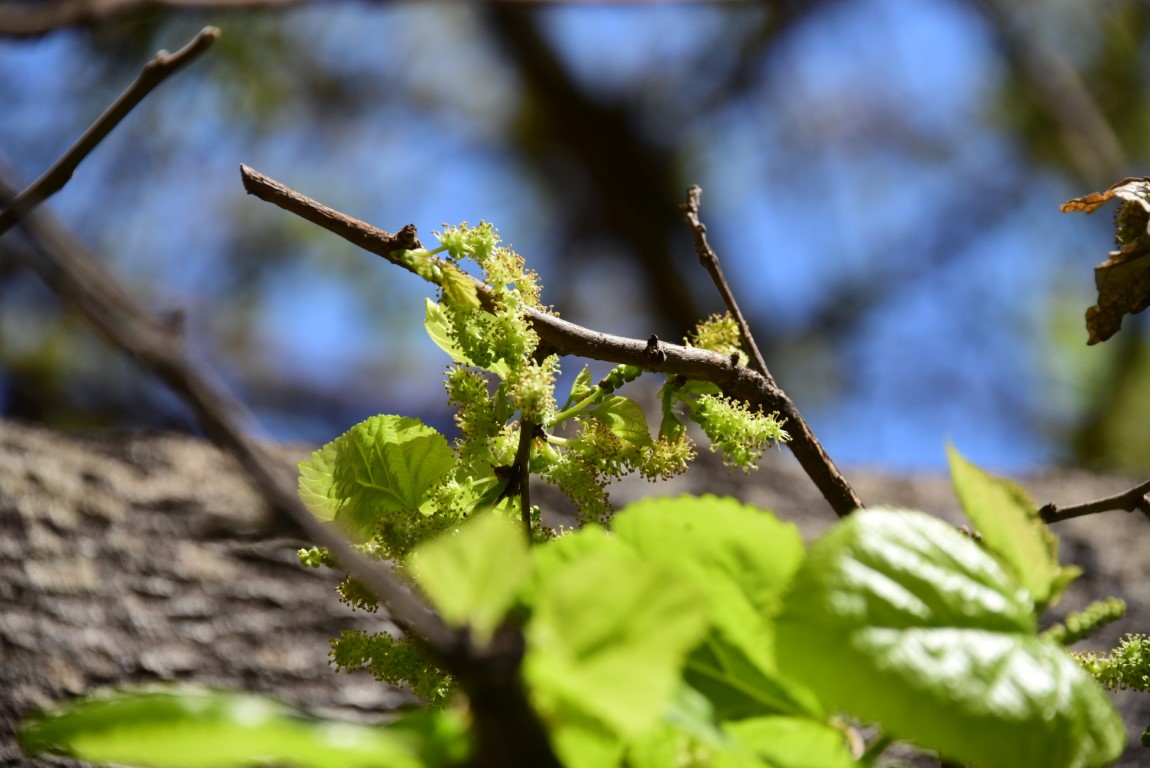
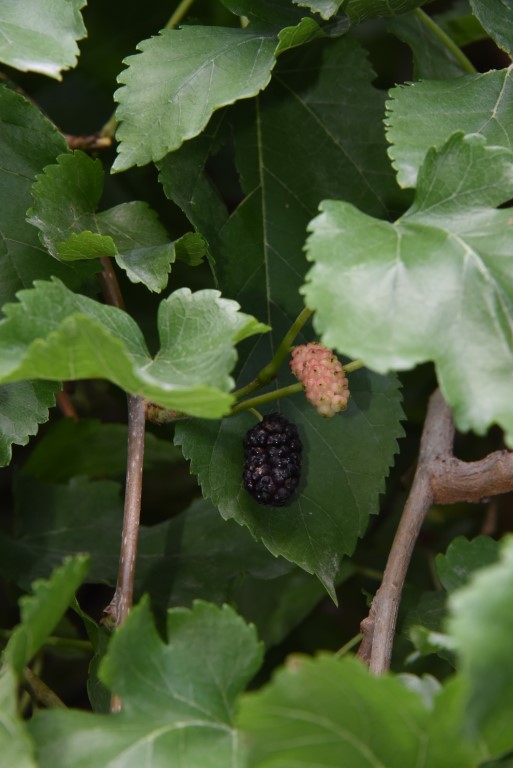
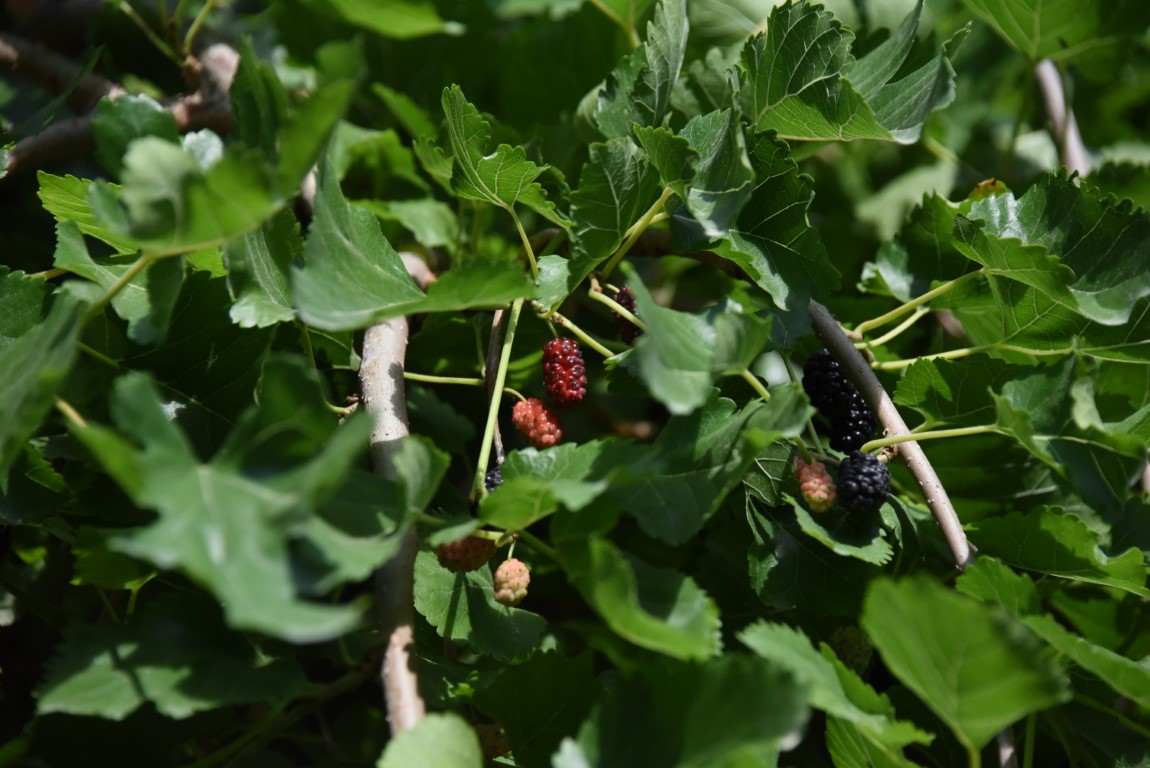
Although the species is dioecious, the trees of the pendula variety are exclusively female (there is also a sterile line). They produce small flowers which are organized in inflorescences called spikes (catkins). Flowering takes place in March and April. Fertilized female flowers produce edible fruits, which are syncarps, consisting of many small fruits named drupes, each containing a seed. They can be white, red, or black in color. The specific epithet “alba” of the official name is attributed to the fruit color, which in Latin means white.
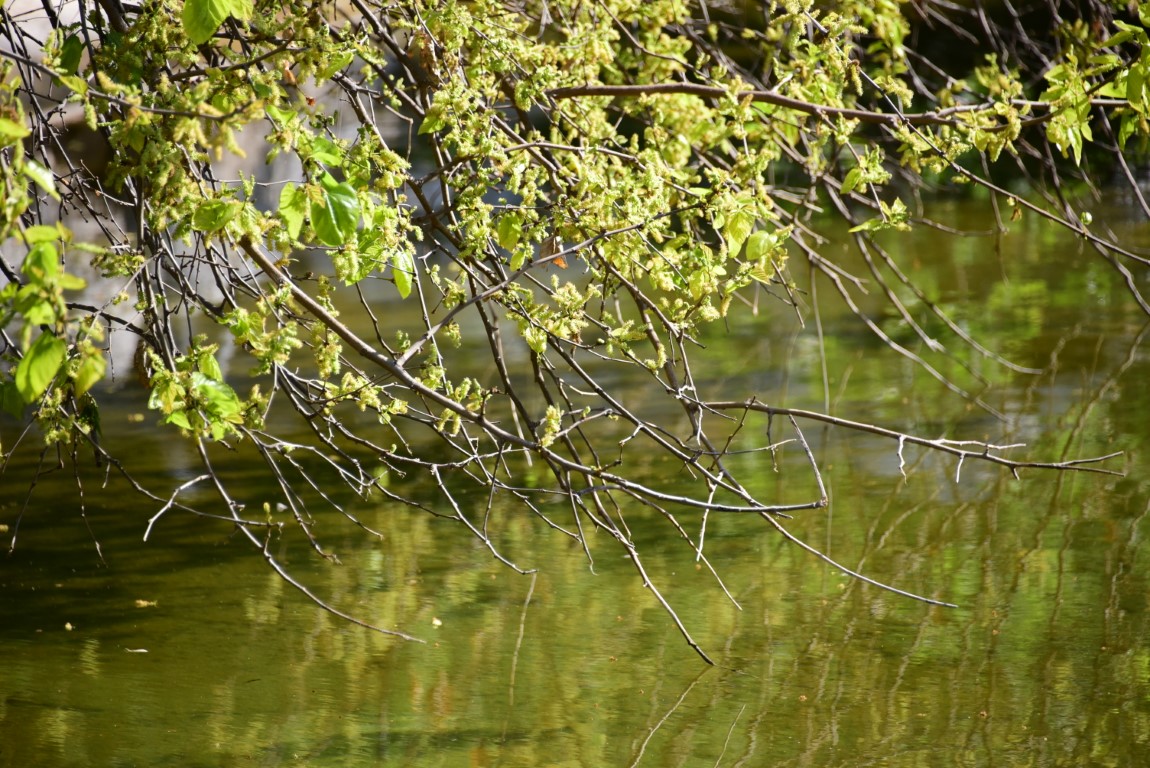
The weeping mulberry can also be produced using the grafting technique, on a trunk approximately 2 m high. From the grafting point, numerous slender, straight shoots start and reach the ground.
Carl Linnaeus classified Morus alba in 1753 in his work “Species Plantarum”. The species was initially cultivated in China over 4,700 years ago, primarily for the purpose of producing leaves as food for silkworms. In Greek mythology, the tragic love story of Pyramus and Thisbe concludes with a reference to the Mulberry, as it is said that the blood of the two young people stained the fruits of the tree red.
The weeping mulberry is mainly used as an ornamental tree and is planted in gardens and parks. The berries contain numerous antioxidant components, each with various bioactive effects in the human body.
(Note: Ethnobotanical data regarding the medicinal uses of plants must be handled with caution, and their application should be carried out exclusively under medical supervision).
- https://www.missouribotanicalgarden.org
- https://tropical.theferns.info/viewtropical.php?id=Morus+alba
- Athenaeus, “Deipnosophistae”, 2.35, 2.36, 2.37, 3.14, 7.41, 13.6.
- Bible (New Testament), “Gospel According to Luke”, 17:6.
- Bible (Old Testament), “2 Samuel”, 5:23-25.
- Butt, M. S., Nazir, A., Sultan, M. T., & Schroën, K. (2008). Morus alba L. nature’s functional tonic. Trends in Food Science & Technology, 19(10), 505–512. https://doi.org/10.1016/j.tifs.2008.06.002
- Celsus, “De Medicina” 2.24
- Chambliss, A. (1960). The mulberry craze. The Georgia Review, 14(2), 156–164.
- Chen, H., He, X., Liu, Y., Li, J., Liang, X., & Zhong, X. (2023). Extraction, purification, structural characteristics and biological activities of polysaccharides from Morus alba L. leaves: A review. Naunyn-Schmiedeberg’s Archives of Pharmacology, 396(11), 2893–2912. https://doi.org/10.1007/s00210-023-02434-4
- Dimopoulos, P., Raus, T., Bergmeier, E., Constantinidis, T., Iatrou, G., Kokkini, S., Strid, A., & Tzanoudakis, D. (2013). Vascular plants of Greece: An annotated checklist (Englera 31). Botanic Garden and Botanical Museum Berlin-Dahlem; Hellenic Botanical Society. https://doi.org/10.3372/en.31
- Green, D. N., & Breen, N. (2021). Silk mania in the Auburn Prison, 1841–44. Dress, 47(2), 155–166. https://doi.org/10.1080/03612112.2021.1877975
- Plinius secundus, “Naturalis historiae”, 15.29.2, 15.33.1, 16.41.1, 16.51.1, 16.73.1, 16.76.4, 16.77.1, 16.83.1, 23.71.1–2, 30.23.
- Plutarch, “Moralia”, Table Talk (Quaestiones Convivales), 640b.
- Procopius, “History of the Wars”, 8.17.5.
- Strabo, “Geography”, 8.2, 17.2.4.
- Theophrastus, “Enquiry into Plants”, 1.7.6, 5.4.2, and 5.6.2.
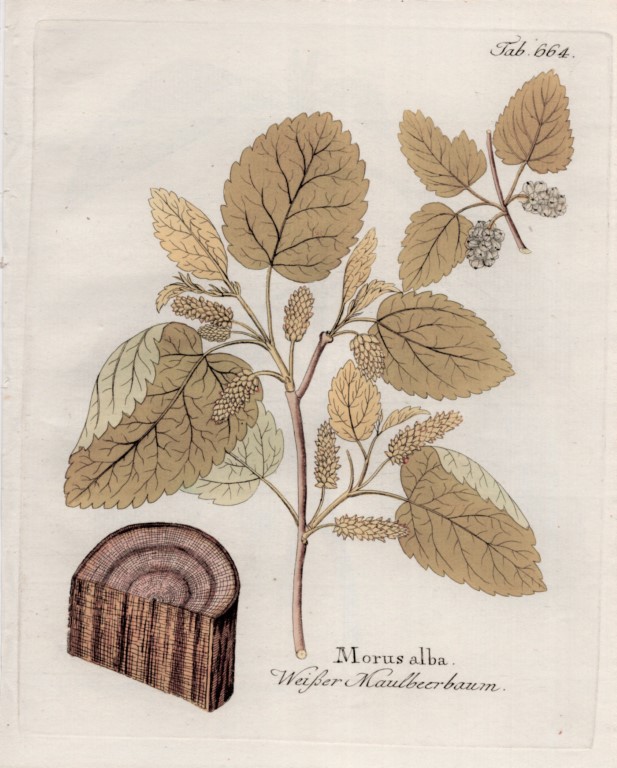
- Vietz, F. B. (1800–1822). Icones plantarum medico-oeconomico-technologicarum cum earum fructus ususque descriptione = Abbildungen aller medizinisch-ökonomisch-technologischen Gewächse mit der Beschreibung ihres Gebrauches und Nutzens. Ignatz Albrecht; Phil. Jos. Schalbaecher.Yuan, Q., & Zhao, L. (2016). Phytochemistry, pharmacology, and clinical trials of Morus alba. Chinese Journal of Natural Medicines, 14(1), 17–30. https://doi.org/10.3724/SP.J.1009.2016.00017
During each season you will see:
References in Αrt
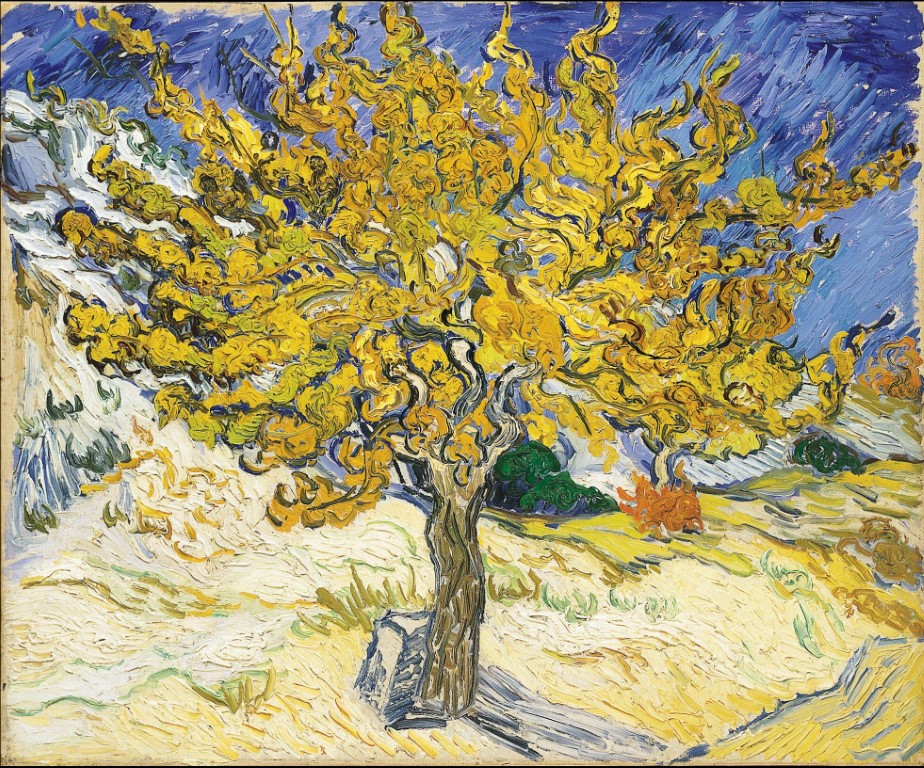
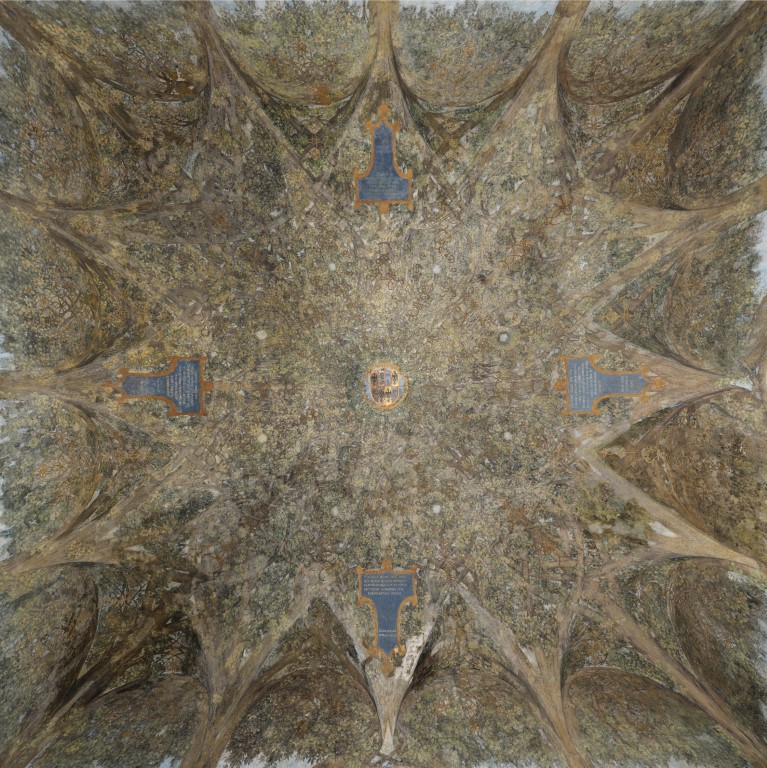
There are references to the species in poems and other literary works. The most famous work concerning the genus Morus is Van Gogh’s painting, “The Mulberry Tree”. In the hall of the Castello Sforzesco in Milan, Leonardo Da Vinci painted a canopy of mulberries: sixteen trees forming foliage. The choice of the Mulberry is not accidental, as its Latin name is Morus and was related to the nickname of the patron of the work, Duke Ludovico Sforza, who was called “il Moro”. In the poem by John Heath-Stubbs titled “The Mulberry Tree”, the Mulberry is referred to as a place of gathering and memory.