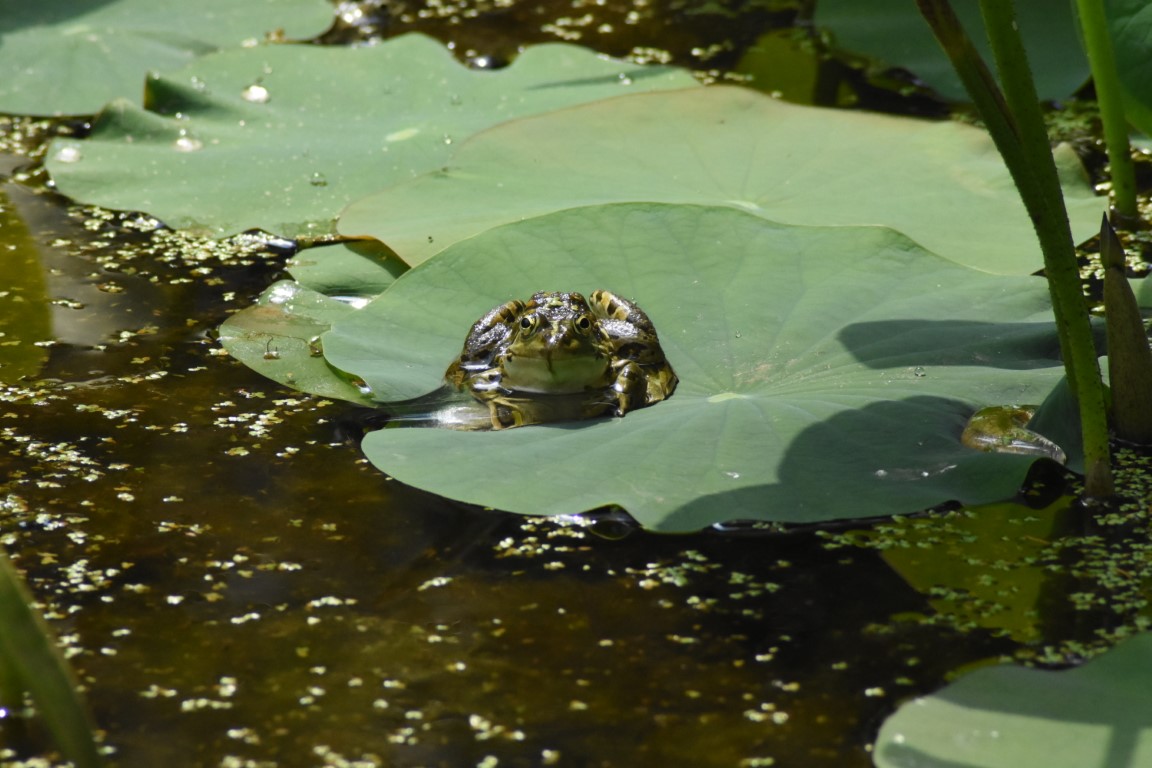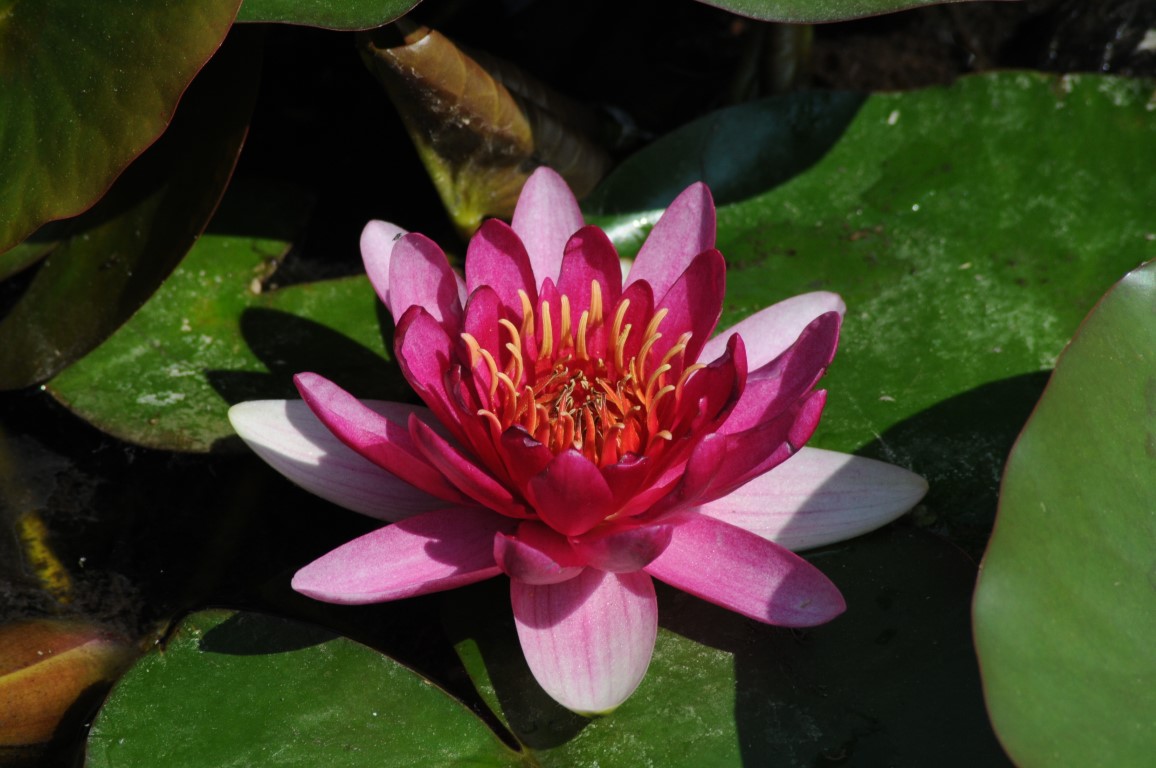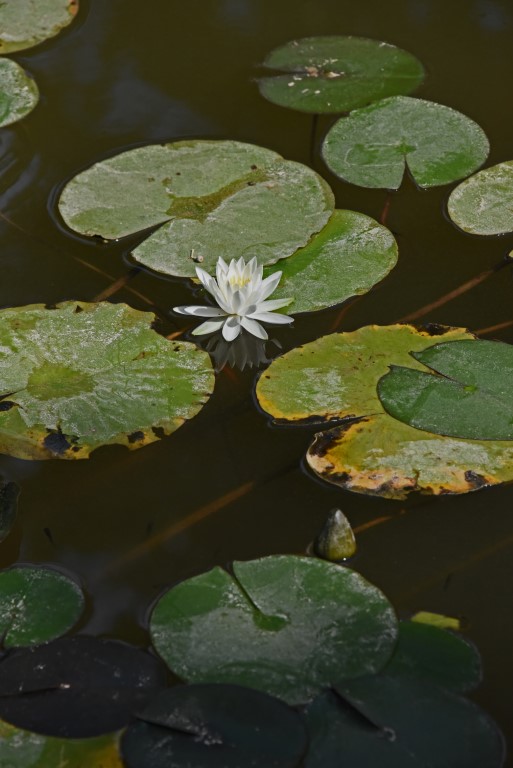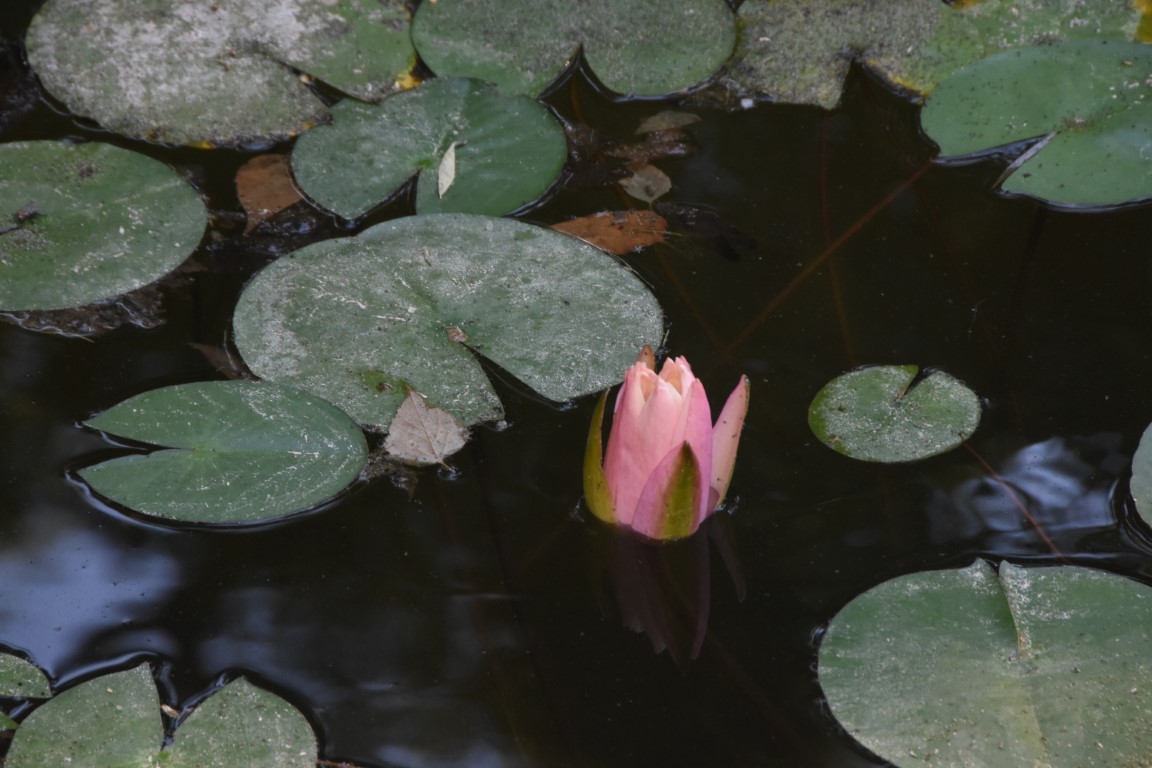


It is classified as “Aquatic (A)”, and its habitat is “Freshwater habitat (A)”. It occurs in fresh to slightly brackish waters, either still or with low flow (wetlands, lakes, artificial reservoirs).
(height, leaf arrangement, leaf shape, root system)
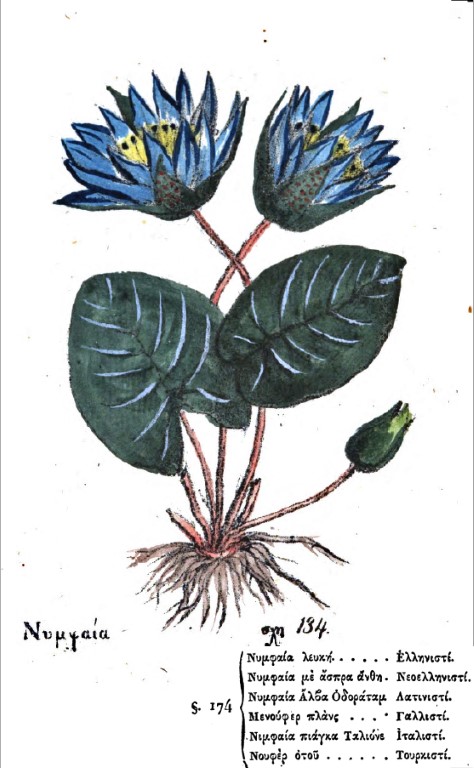
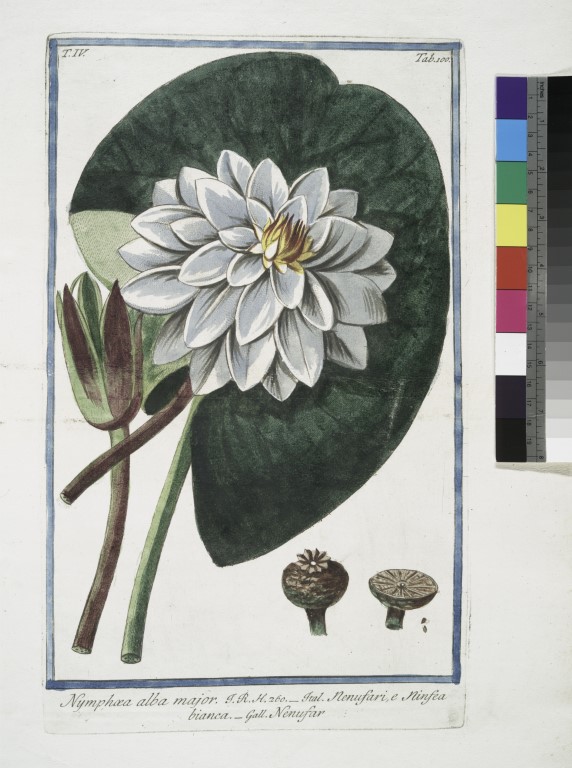
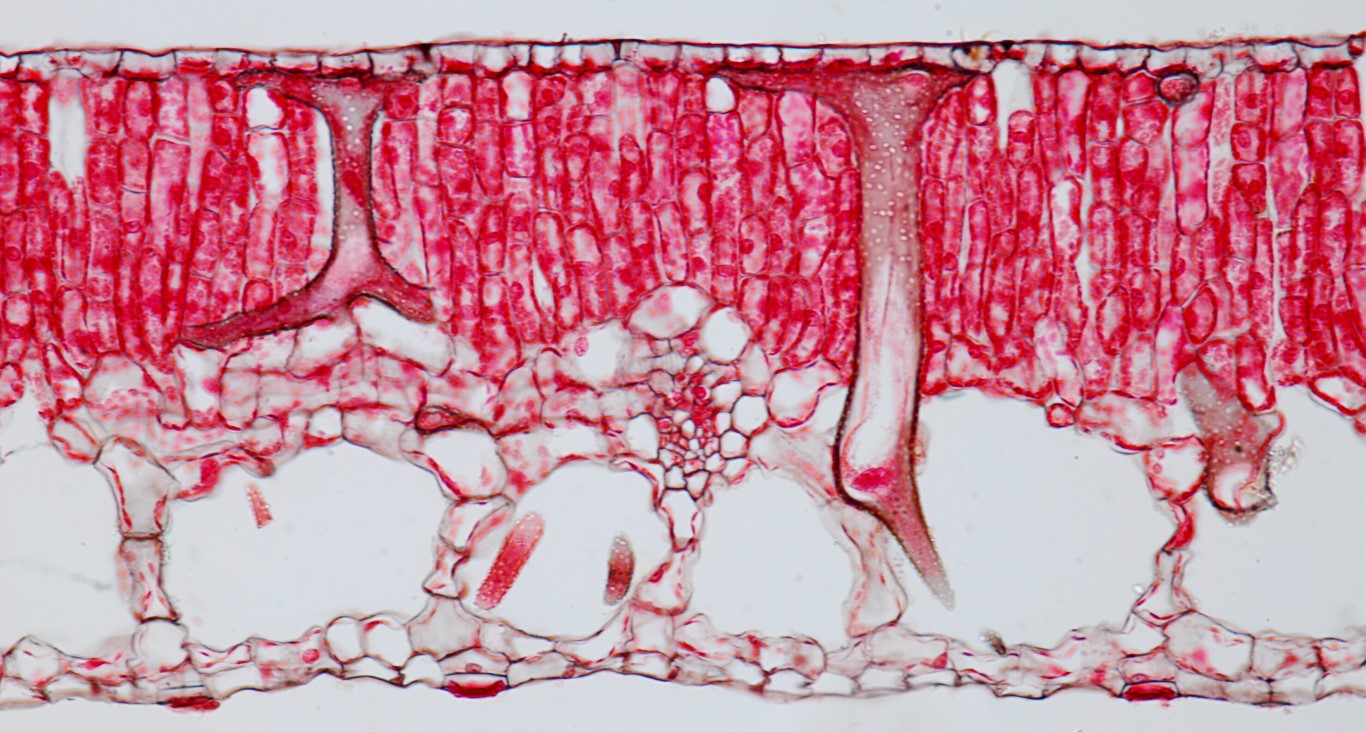
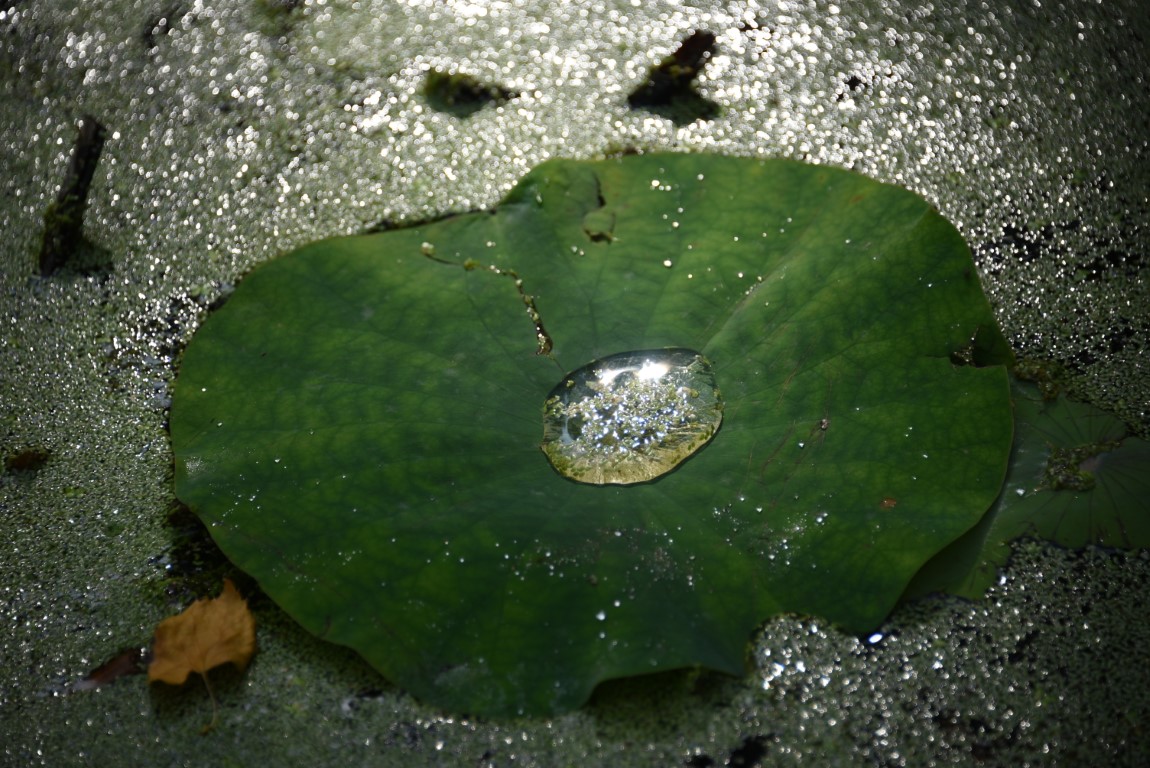
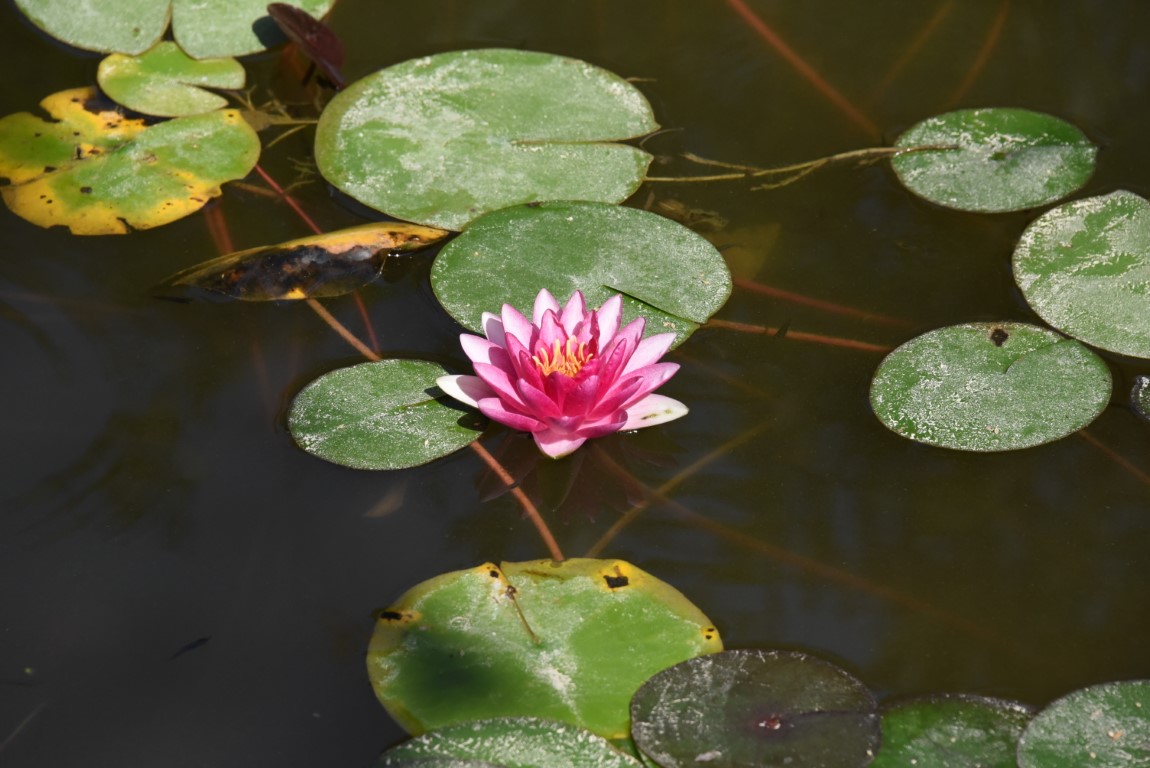
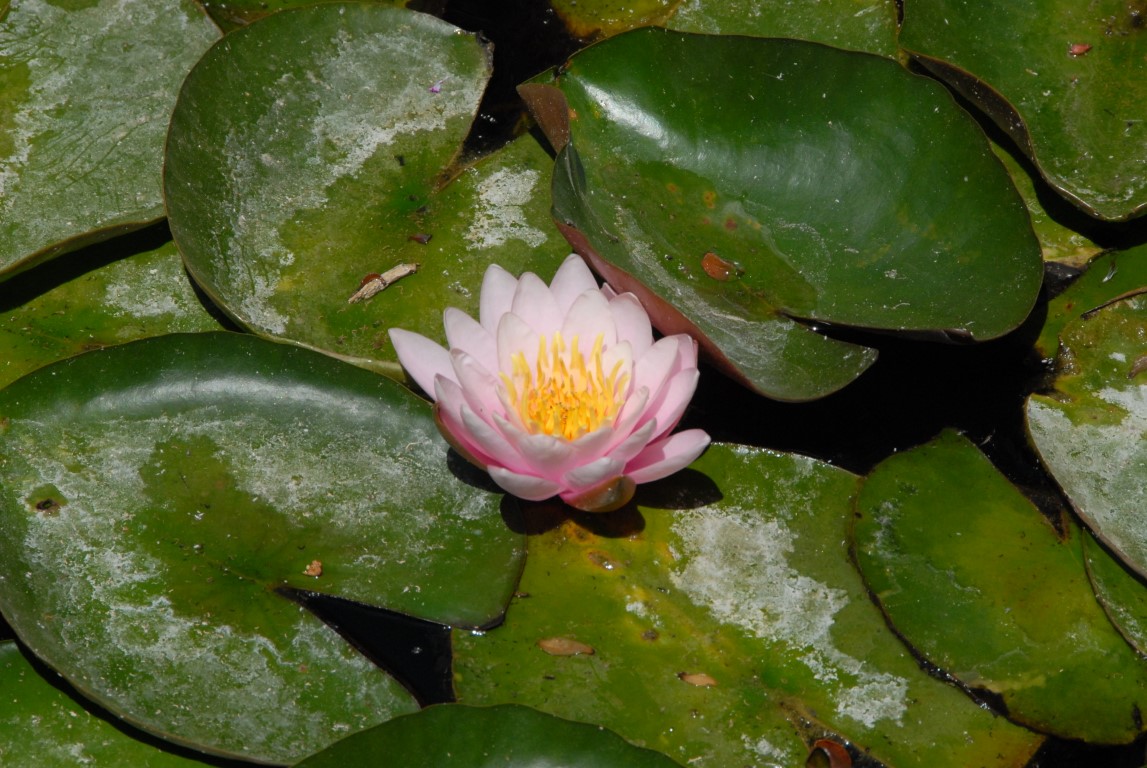
It is a genus of aquatic plants comprising up to 65 species. They may be rhizomatous or tuberous, perennial or annual, with leaves that are floating in most species, while in some they may be submerged. The leaf blade can range from 2.5 to 60 cm in width, with an ovate, rounded, or cordate shape and a characteristic basal notch.
(flowering period, flowers, seeds)
The flowers of water lilies are actinomorphic and arise from the plant’s central stalk. They usually float on or stand above the water surface, and only rarely are submerged. They can reach up to 30 cm in diameter and bear 6 to 50 lanceolate petals of various colors (most commonly white, yellow, red, violet, or pink), which are much larger than the sepals. The flowers are hermaphroditic and remain open for two to several days, with pollen dispersal occurring mainly through insects. The fruit may be spherical or irregular in shape, fleshy or spongy, and is borne on a pedicel. The seeds may be hairy or smooth, with a smooth or striated surface, and are often covered by a mucilaginous layer. In some species, they are consumed by birds. Seed dispersal takes place in September, and germination begins shortly thereafter. In addition to reproduction by seeds, water lilies also reproduce vegetatively through the detachment of tubers and the formation of stolons.
The genus includes endangered species such as N. loriana, N. thermarum, N. stuhlmannii, and N. nouchali var. mutandaensis. The common name “water lily” is also used for other members of the Nymphaeaceae family, such as Nuphar sp. and Victoria sp.
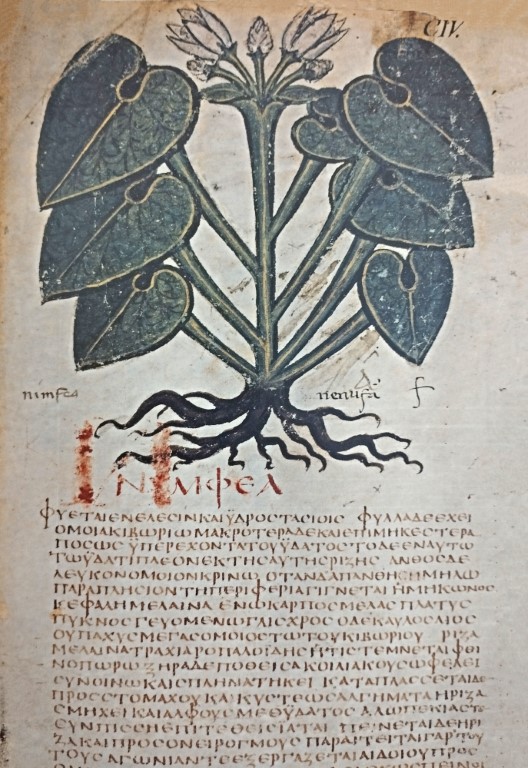
The presence of water lilies has been documented for over 4,000 years, particularly through Egyptian art. The ancient Egyptians associated the plant with the division of their deities into gods of the upper and the underworld, drawing an analogy with the opening and closing of the flowers of the different water lily species of the Nile during the day and the night, as well as with their beliefs concerning death and the afterlife. Theophrastus refers in detail to the water lily of the Nile, the so-called “lotus” (Nymphaea caerulea), which grows mainly on plains when they are flooded. The root of the lotus is called “κορσίον korsion,” and its flower is white, with many dense petals which close at sunset and cover the “head” of the flower; at sunrise they open and rise above the surface of the water. This process continues until the “head” ripens and the petals fall. In the Euphrates, it is said that the “head” and the flowers sink during the night to a depth that cannot be reached by hand, while at first light they gradually rise to the surface and the flower opens, standing well above the water. The Egyptians collect these “heads” in heaps and leave them to rot. Once the outer covering decays, they wash them in the river, remove the seeds, and after drying and crushing them, they make bread from them. The same description given by Theophrastus is also provided by Dioscorides, while Pliny refers to the name of the water lily and notes that it derives from a nymph who died of jealousy over Heracles; for this reason, some call it “ἡράκλειον-heracleon.” Others refer to it as “ῥόπαλον-ropalon,” because of the resemblance of its root to a club, and those who consume it are said to experience temporary sterility. The two most common floral motifs of ancient Egypt throughout most of its history were papyrus, representing Lower Egypt, and the blue lotus, representing Upper Egypt, with the stems of the two plants intertwined to symbolize the unification of the country as early as the First Dynasty. Notably, the blue lotus began to flower with the arrival of the annual flooding of the Nile and was considered the first sign of regeneration and renewed vegetation.
They are often cultivated as ornamental aquatic plants and provide shading for other species in aquatic environments. All species contain the alkaloids nupharine and nympheine, which have anesthetic and aphrodisiac properties. Pliny reports that the seeds of Nymphaea heraclia were taken with wine to treat diarrhea and dysentery, while the root—especially when consumed with wine—reduces splenomegaly. Additionally, consuming the entire plant “completely removes sexual desire,” and a single dose could have effects “for forty days,” a property also noted in later medical and monastic traditions, demonstrating the long-standing reputation of the plant as a libido suppressant. Pliny also mentions the healing use of the water lily for bruises and wounds, the root’s role in treating chronic ulcers, its application for skin blemishes, and the management of alopecia. When the plant is soaked in ethanol, its alkaloids dissolve, meaning that a plant which might have no noticeable effect when consumed on its own can release its calming, aphrodisiac, or even entheogenic properties in an alcoholic beverage. (An entheogen induces changes in perception, behavior, and cognitive function, often used in spiritual or religious rituals for mystical experiences.) Similarly, the water lily was used in the culture of the Maya for such purposes. Certain parts of the plant have been reported as edible after processing in some African countries and the Philippines. Tannins extracted from the rhizomes are used for dyeing fabrics in shades of purple-black or brown. The stems have been used as pipes for smoking tobacco.
(Note: Ethnobotanical data regarding the medicinal uses of plants must be handled with caution, and their application should be carried out exclusively under medical supervision).
- https://el.wikipedia.org/
- https://powo.science.kew.org/
- https://portal.cybertaxonomy.org/
- Berlant, S. R. (2005). The entheomycological origin of Egyptian crowns and the esoteric underpinnings of Egyptian religion. Journal of Ethnopharmacology, 102(2), 275–288. https://doi.org/10.1016/j.jep.2005.07.028
- Bonelli, G., Martelli, N., Sabbati, L., & Sabbati, C. (1772–1793). Hortus Romanus juxta systema Tournefortianum. Sumptibus Bouchard et Gravier.
- Dimopoulos, P., Raus, T., Bergmeier, E., Constantinidis, T., Iatrou, G., Kokkini, S., Strid, A., & Tzanoudakis, D. (2013). Vascular plants of Greece: An annotated checklist (Englera 31). Botanic Garden and Botanical Museum Berlin-Dahlem; Hellenic Botanical Society. https://doi.org/10.3372/en.31
- Dioscorides, “De materia medica”, CXXXVIII
- Duhamel du Monceau, H.-L. (1755). Traité des arbres et arbustes qui se cultivent en France en pleine terre. Chez H.L. Guerin & L.F. Delatour.
- Harer, B. W., Jr. (1985). Pharmacological and biological properties of the Egyptian lotus. Bulletin of the American Research Center in Egypt, 22, 49.
- Hepper, N. F. (1990). Pharaoh’s flowers: The botanical treasures of Tutankhamun. HMSO.
- Meyboom, P. (1995). Description. In The Nile mosaic of Palestine, early evidence of Egyptian religion in Italy (EPRO 121, pp. 72–73). Brill.
- Miller, M. E. (1986). The murals of Bonampak. Princeton University Press.
- Plinius secundus, “Naturalis Historia”, 25.37, 26.28.1, 26.48.1, 26.83.1, 26.61.1, 26.87.1, 26.92.1
- Pyrrhos, D. (1838). Practical botany: Adapted to medicine and economy. Angelos Angelidis Printing Office.
- Rands, R. L. (1953). The water lily in Maya art: A complex of alleged Asiatic origin. Anthropological Papers: Bureau of American Ethnology Bulletin, 151, 75–153.
- Sanchez, M. G., & Harer, B. W., Jr. (2014). History of toxicology and environmental health: Toxicology in antiquity (Vol. 1). Elsevier. https://doi.org/10.1016/B978-0-12-800045-8.00001-0
- Theophrastus, “Enquiry into Plants”, 4.10.8, 4.8.8, 4.10.2, 4.10.4, 9.13.1
- Wiersema, J. H. (1988). Reproductive biology of Nymphaea (Nymphaeaceae). Annals of the Missouri Botanical Garden, 75(3), 795–804. https://doi.org/10.2307/2399367
References in Αrt
SPRING
Leaves
SUMMER
Leaves,
flowers
AUTUMN
Leaves,
mature fruit
WINTER
Non visible
underwater rhizome
References in Αrt
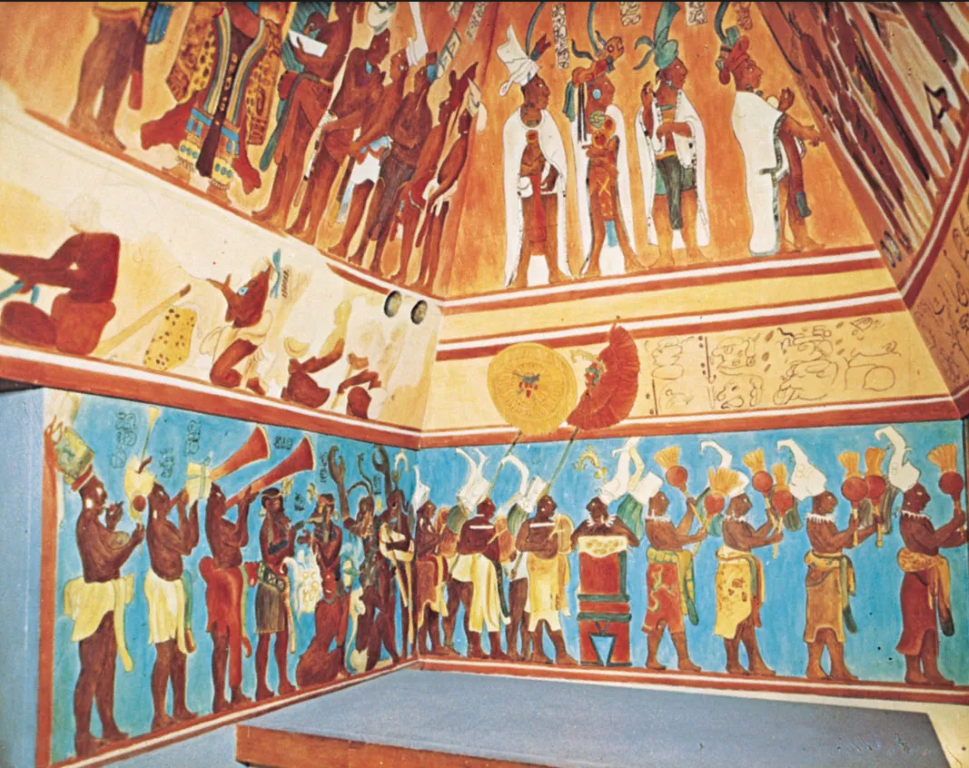
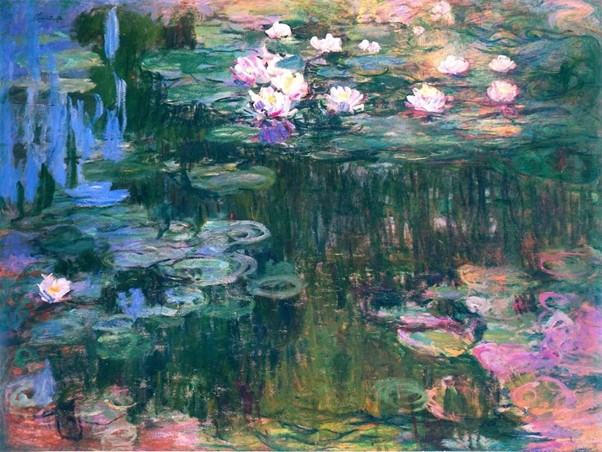
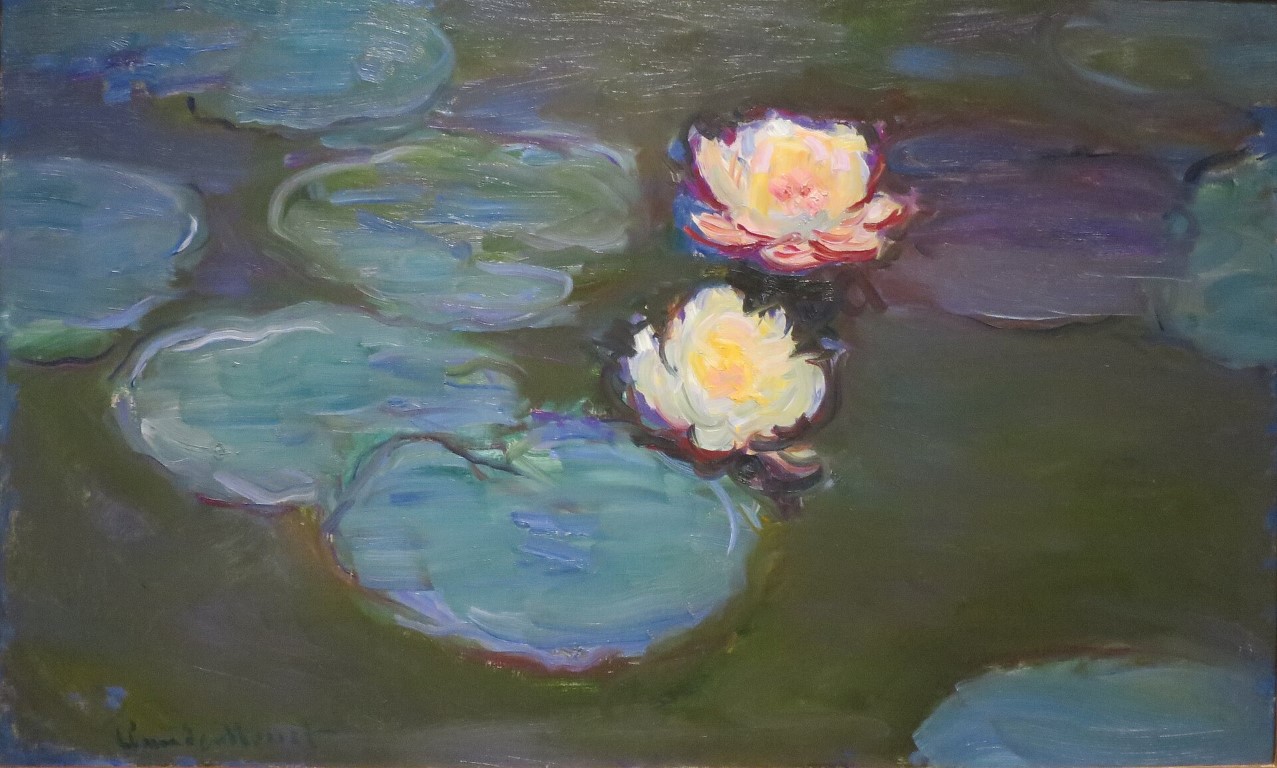
The water lily flower is often referred to in English texts by the Latin word lotus. The lotus motif frequently appears in the architecture of temple columns. In Egypt, the lotus—rising from the mud at the bottom to unfold its petals toward the sun—symbolizes creation. Depictions of the lotus include a Syrian plaque from the 14th–13th century BCE, showing the goddess Asherah holding two lotus flowers, and an ivory panel from the 9th–8th century BCE, depicting the god Horus seated on a lotus flower. The famous sarcophagus and mummy of Tutankhamun also include the Nile blue lotus as a central decorative element, reflecting the pharaoh’s particular fondness for the plant; it was used extensively in his jewelry, columns, and alabaster ornaments. In Mexico, at Bonampak, huge water lilies are depicted in mural decorations. In modern art, the water lily is famously represented in Claude Monet’s painting “Water Lilies” (1906).