

It is classified as a “Phanerophyte (P)” and its habitat is described as “Agricultural and Ruderal habitats (R)”. It occurs in lowland and riparian regions of warm, subtropical, and Mediterranean climates.
(height, leaf arrangement, leaf shape, root system)
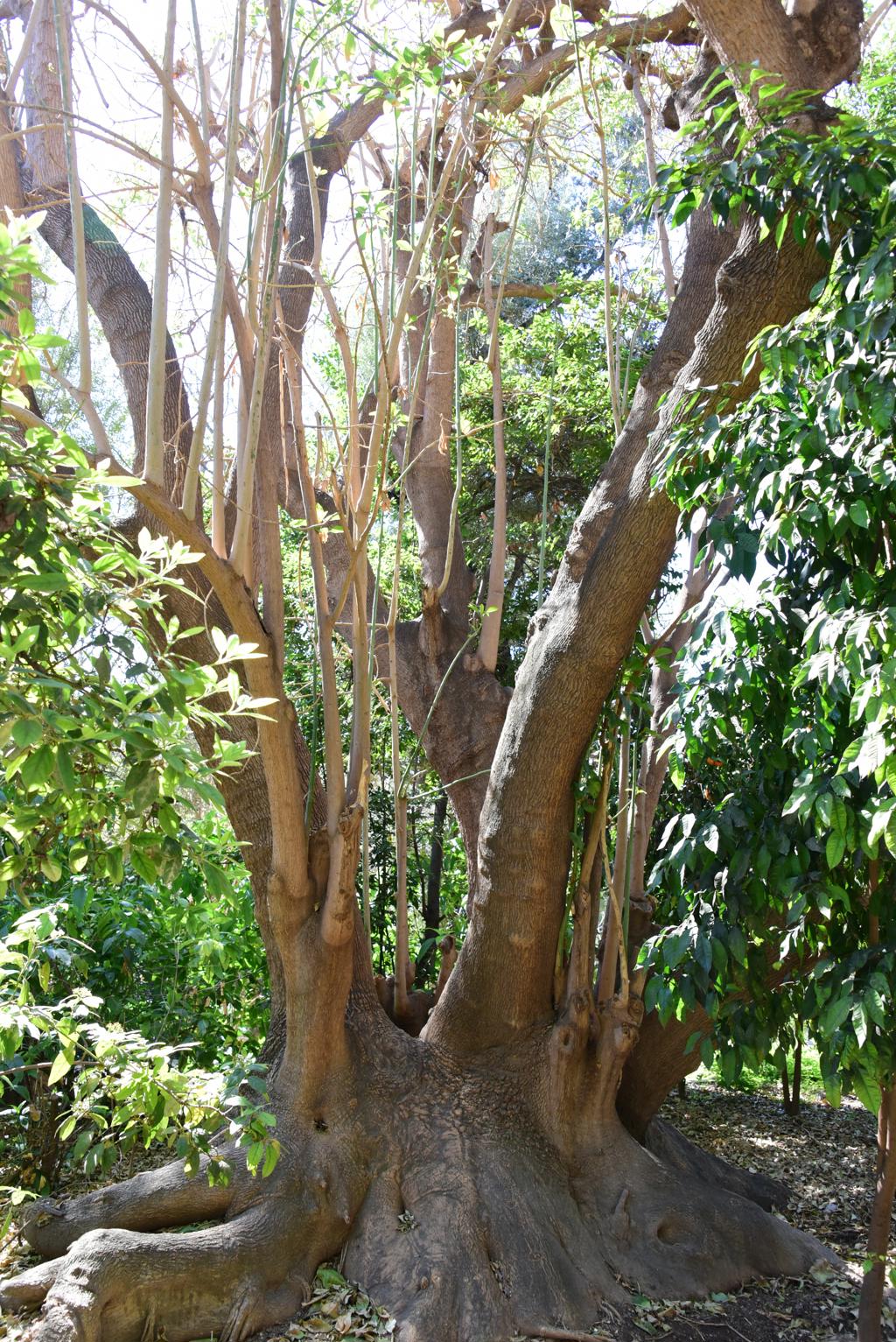
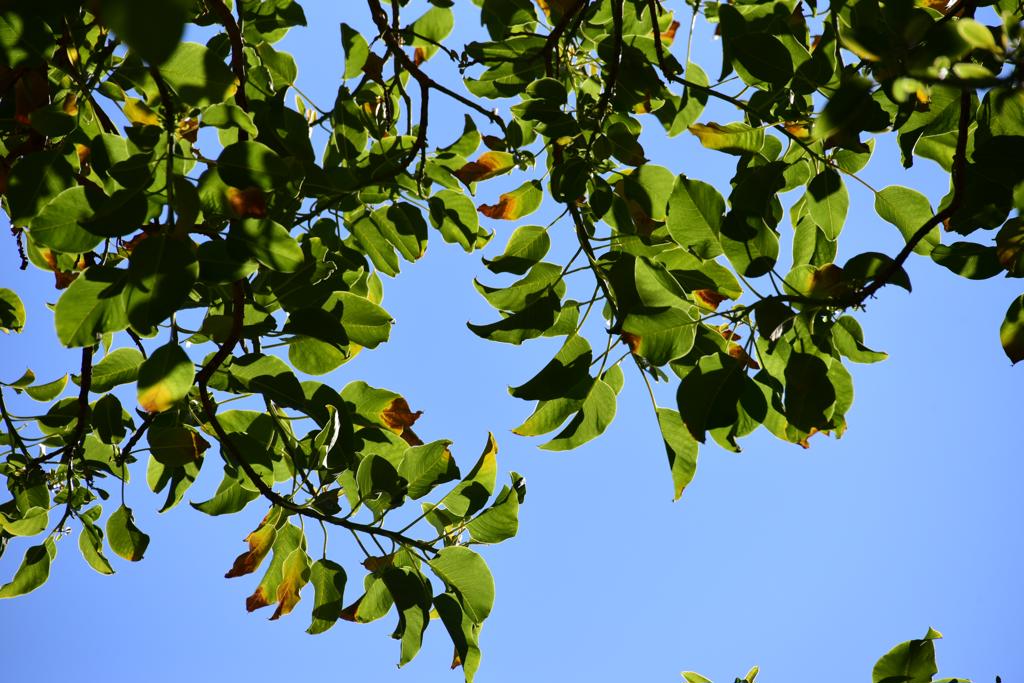
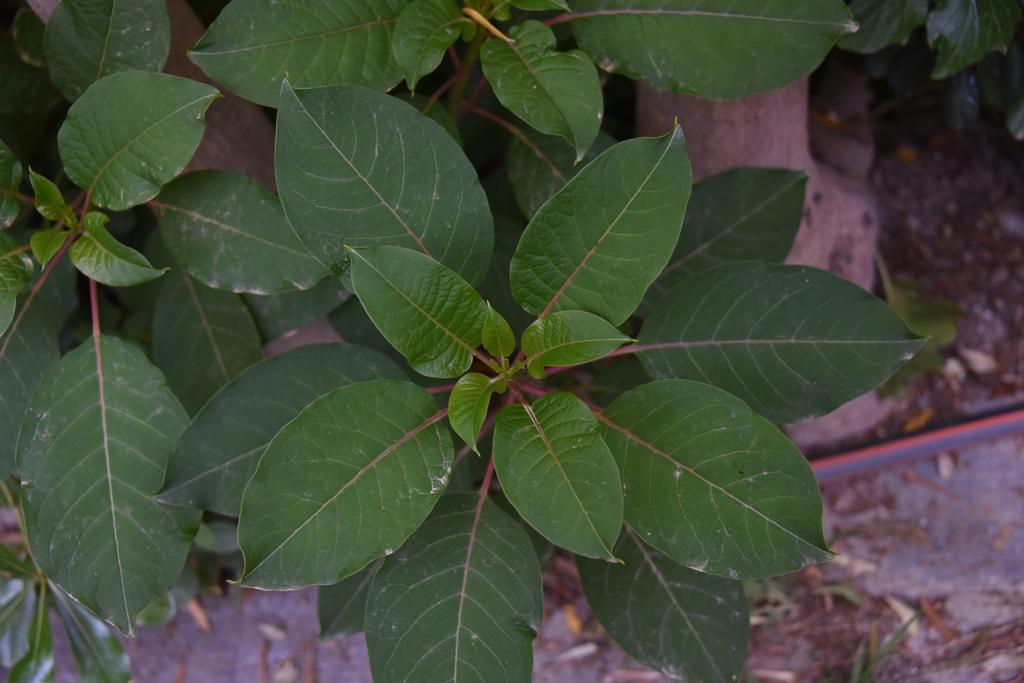
It is an evergreen or semi-evergreen tree that can reach up to 18 m in height. Its umbrella-shaped crown spans 12–15 m in diameter. The trunk is thick, fleshy, and cylindrical, with gray-brown bark that may form fissures and a characteristic swelling at the base. A notable feature is its ability to store water in the trunk, which makes it drought resistant. The leaves are alternate (rarely opposite), elongated, smooth, 10–20 cm long and 5–10 cm wide. Their upper surface is dark green, while the underside is lighter green.
(flowering period, flowers, seeds)
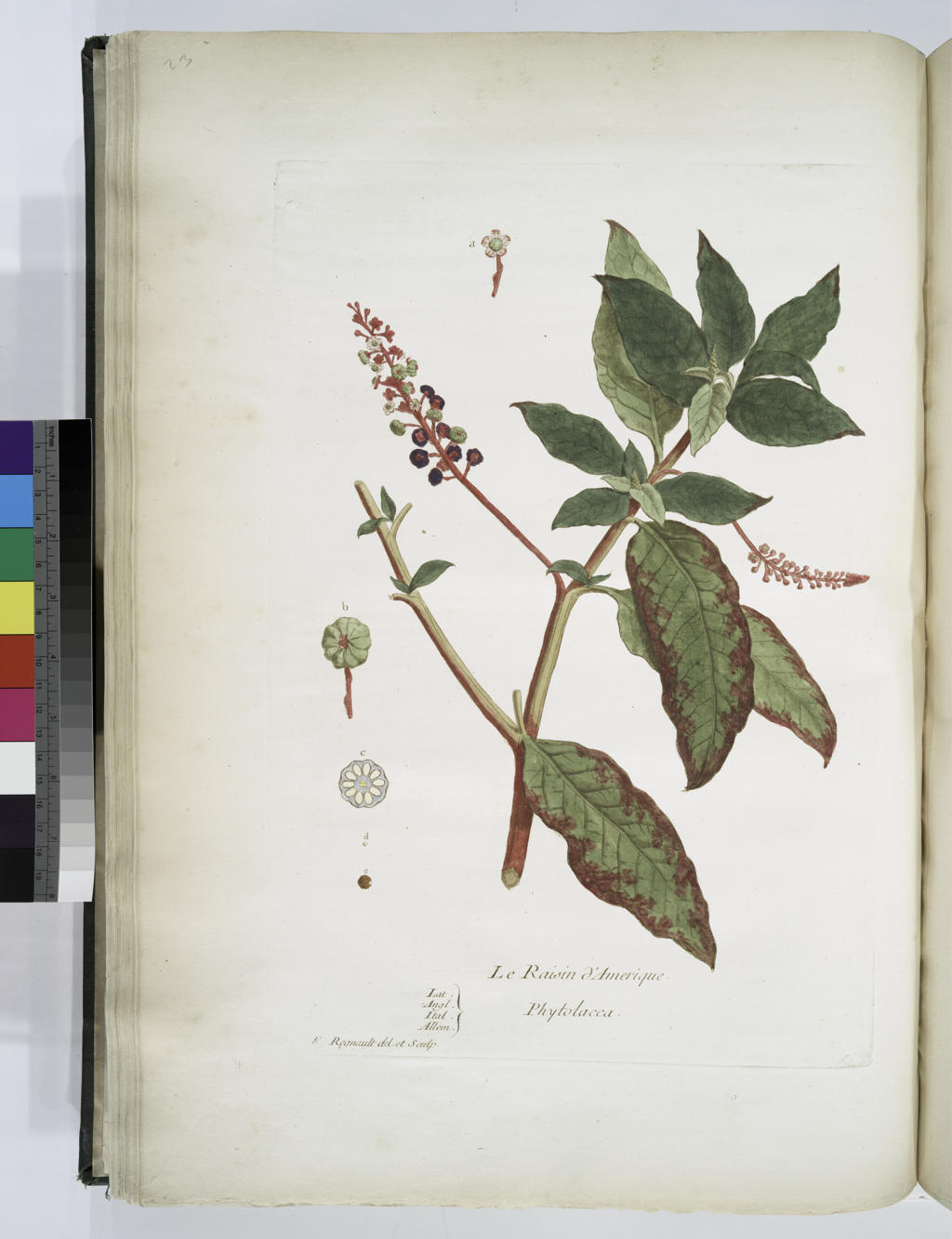
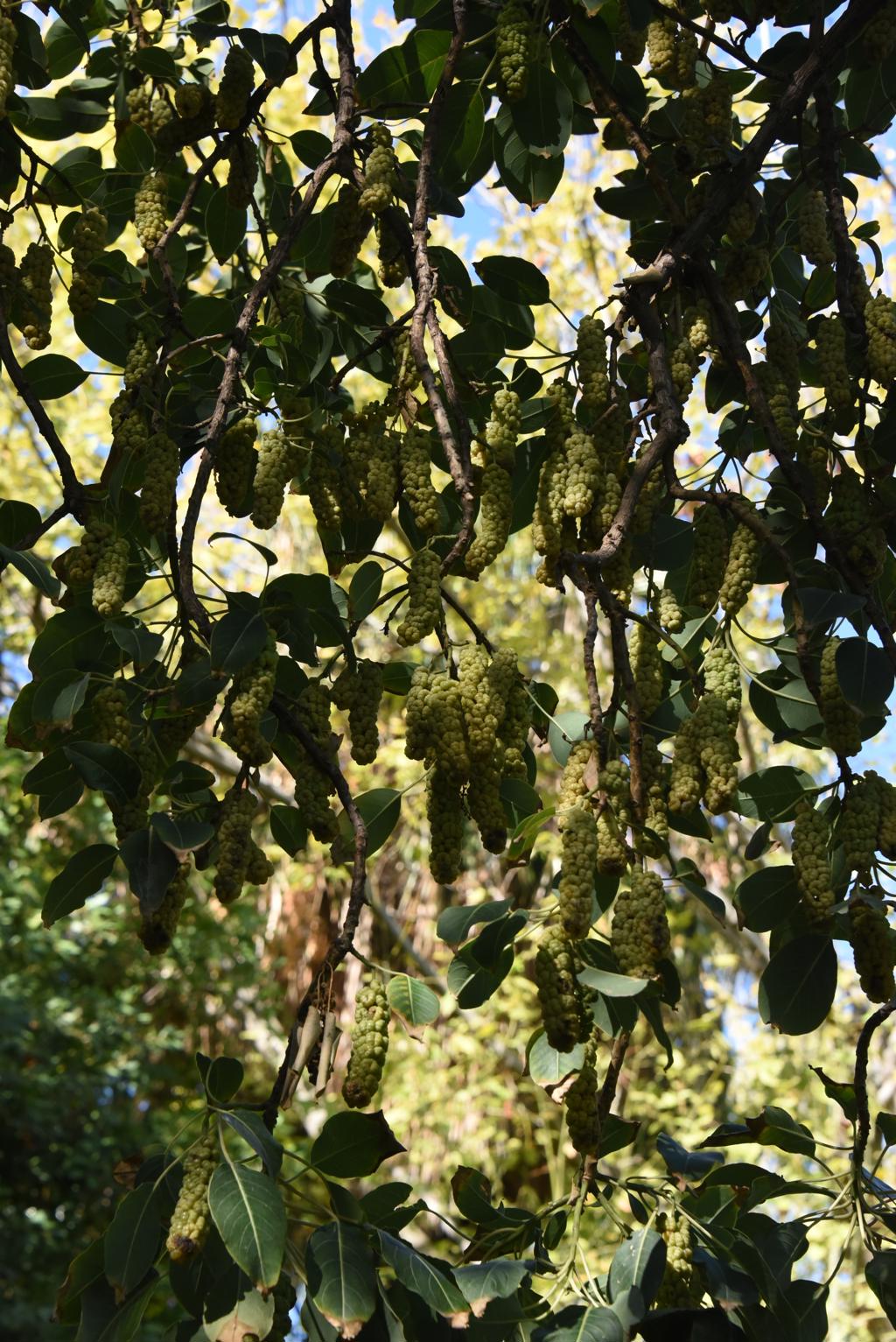
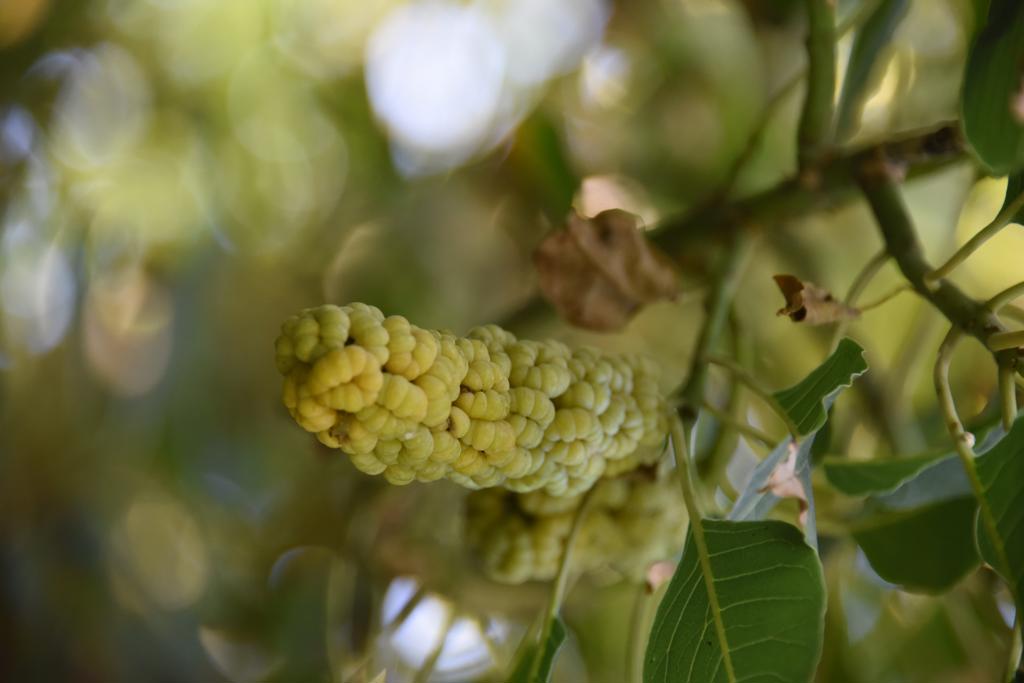
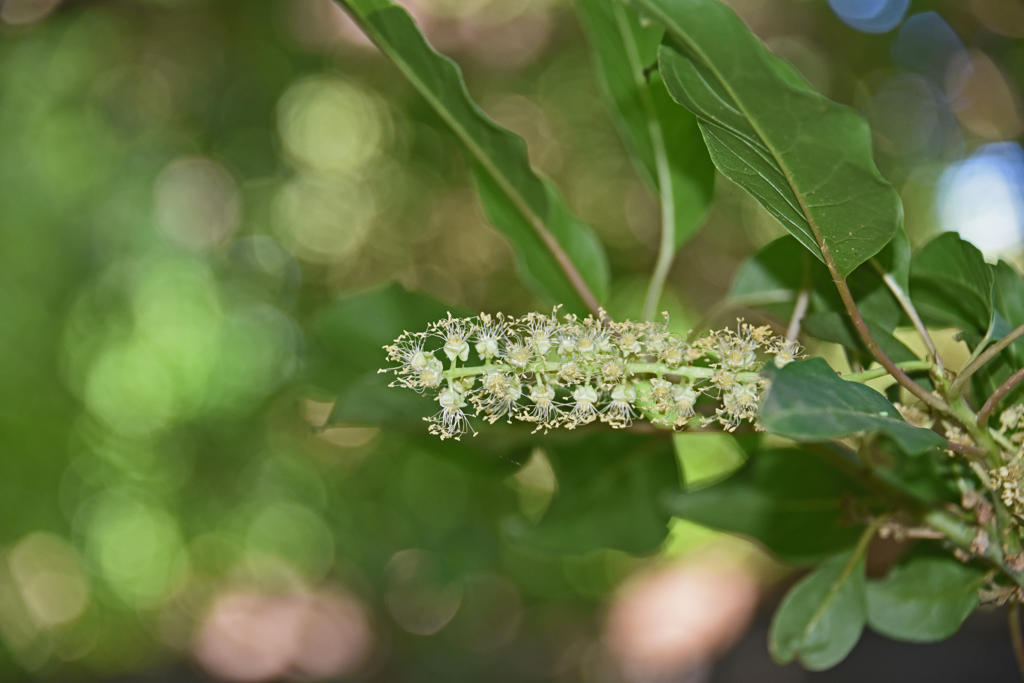
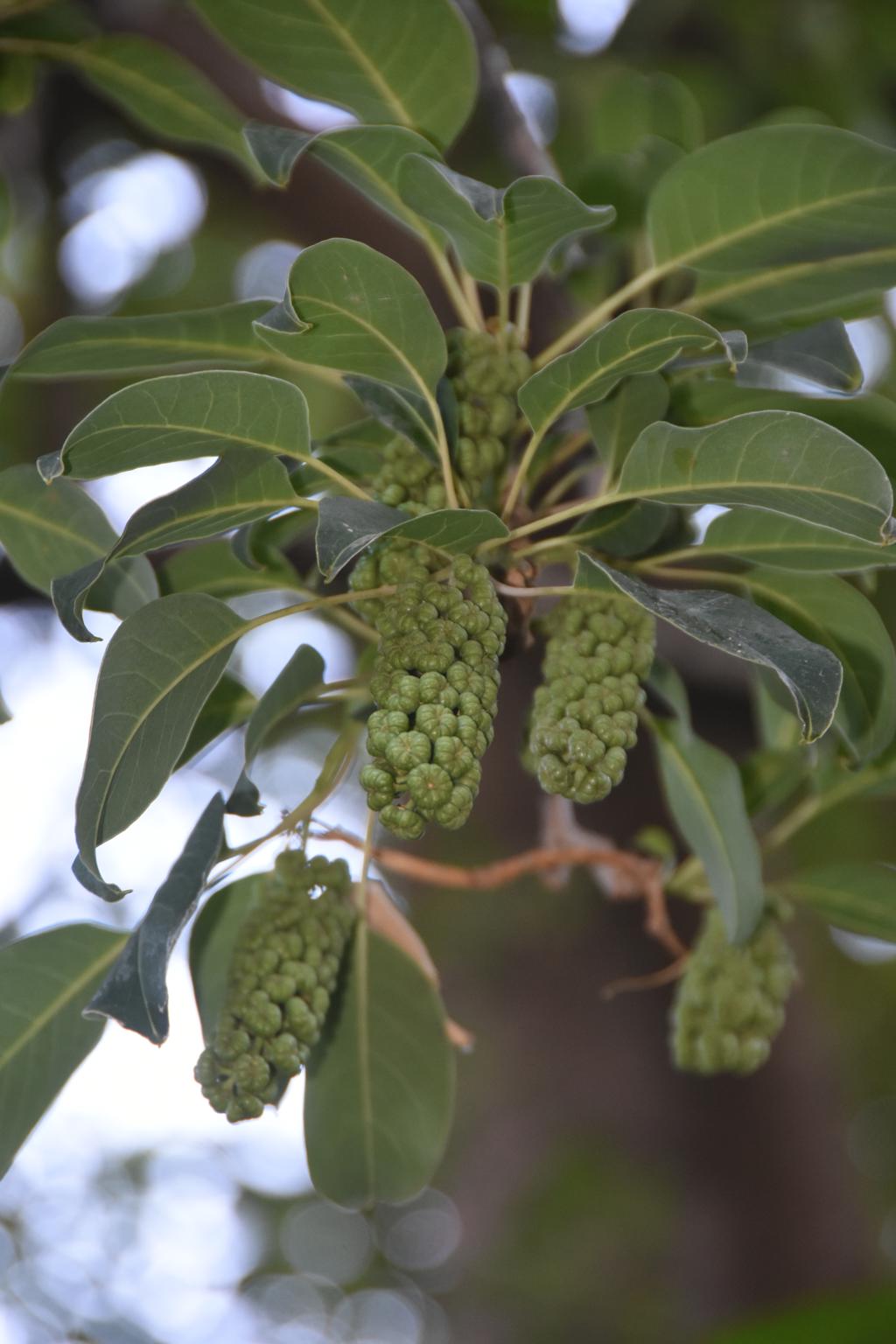
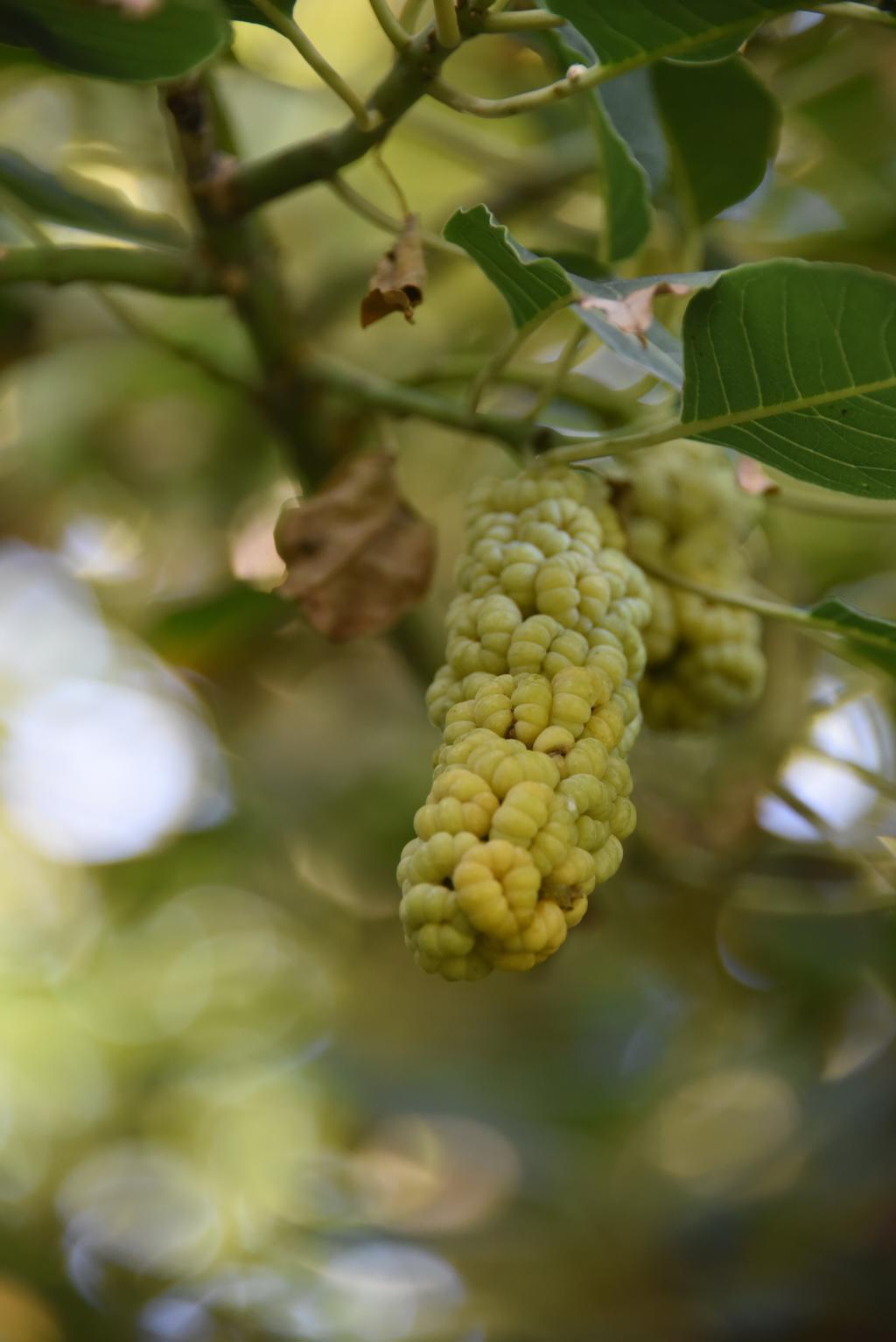
It is dioecious, with male and female flowers borne on separate plants, and is pollinated by the butterfly Doxocopa laurentia. The flowers are small (5–7 mm), white to greenish-white in color. The fruits are berry-like, spherical, 5–10 mm in diameter. They are green when immature and ripen dark purple to black. Dispersal occurs mainly through birds, which consume the fruits as food.
Indigenous peoples of South America used the ombú as a landmark in open grasslands, due to its massive size and broad, umbrella-shaped crown.
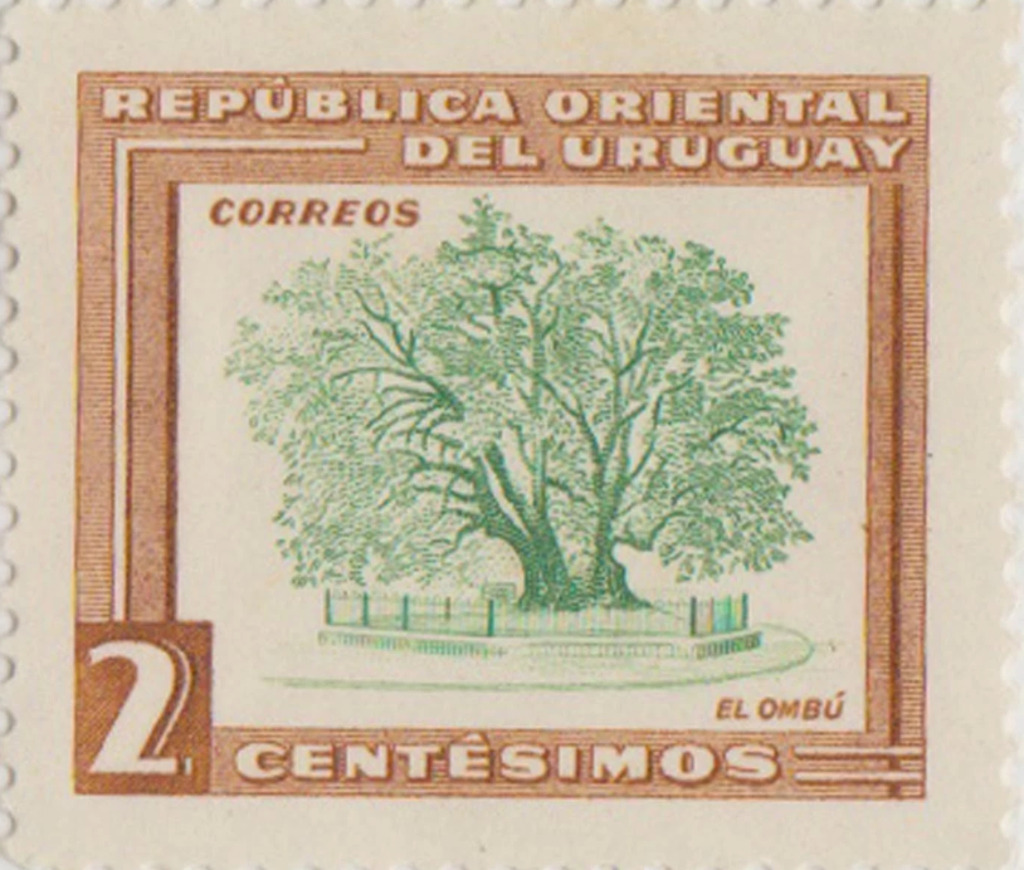
The plant Phytolacca dioica, more widely known as the Ombú, is an impressive evergreen tree native to the open savannas and Pampas of South America, primarily Argentina and Uruguay, where it is considered a national symbol. In Argentina, the massive Ombú trees served as landmarks for the Pampas gauchos, providing shade for travelers and their herds. Its very thick, fleshy trunk acts as a “water reservoir,” allowing the tree to withstand drought and shallow soils. Its wood is not considered “true wood,” as it exhibits irregular secondary thickening, making it soft—an attribute that makes it suitable for bonsai art, as it can be easily shaped. In South America, the tree is regarded as a symbol of strength, resilience, and protection. Across Latin America, it remains a symbol of national and cultural identity, particularly in Argentina and Uruguay.
The sap of the plant is toxic. However, Phytolacca dioica has been documented in ethnobotanical studies as a plant of significant medicinal value. Both in Latin America and in South Africa, where the species has been introduced, its leaves and fruits are traditionally used for the healing of skin wounds and for the treatment of microbial infections, usually in the form of aqueous extracts taken orally. The widespread traditional use of the plant suggests the presence of bioactive compounds of pharmacological interest, such as triterpenoid saponins, which has led to the investigation of its therapeutic properties within the framework of modern scientific research, always emphasizing proper and cautious use. In addition, it has been cultivated as a living barrier for erosion control. Today, it is used sporadically in urban landscapes and botanical gardens because of its distinctive morphology, as it provides ample shade and shelter for wildlife. The wood is not used in construction, as it is quite spongy.
(Note: Ethnobotanical data regarding the medicinal uses of plants must be handled with caution, and their application should be carried out exclusively under medical supervision).
- https://powo.science.kew.org/taxon/urn:lsid:ipni.org:names:676348-1
- https://en.wikipedia.org/wiki/Phytolacca_dioica
- Ashafa, A., Sunmonu, T., & Afolayan, A. (2010). Toxicological evaluation of aqueous leaf and berry extracts of Phytolacca dioica L. in male Wistar rats. Food and Chemical Toxicology, 48(7), 1886–1889. https://doi.org/10.1016/j.fct.2010.04.029
- Ashafa, T. (2011). Effects of leaf and berry extracts of Phytolacca dioica L. on haematological and weight parameters of Wistar rats. African Journal of Pharmacy and Pharmacology, 5(2), 150–154. https://doi.org/10.5897/ajpp10.289
- Di Petrillo, A., González-Paramás, A. M., Rosa, A., Ruggiero, V., Boylan, F., Kumar, A., Pintus, F., Santos-Buelga, C., Fais, A., & Era, B. (2019). Chemical composition and enzyme inhibition of Phytolacca dioica L. seeds extracts. Journal of Enzyme Inhibition and Medicinal Chemistry, 34(1), 519–527. https://doi.org/10.1080/14756366.2018.1563077
- Dimopoulos, P., Raus, T., Bergmeier, E., Constantinidis, T., Iatrou, G., Kokkini, S., Strid, A., & Tzanoudakis, D. (2013). Vascular plants of Greece: An annotated checklist. Botanic Garden and Botanical Museum Berlin-Dahlem; Hellenic Botanical Society. https://doi.org/10.3372/en.31
- Kirchoff, B. K., & Fahn, A. (1984). Initiation and structure of the secondary vascular system in Phytolacca dioica (Phytolaccaceae). Canadian Journal of Botany, 62(12), 2580–2586. https://doi.org/10.1139/b84-350
- Tutin, T. G., Heywood, V. H., Burges, N. A., Moore, D. M., Valentine, D. H., Walters, S. M., & Webb, D. A. (1964–1980). Flora Europaea (Vols. 1–5). Cambridge University Press.
Wheat, D. (1977). Successive cambia in the stem of Phytolacca dioica. American Journal of Botany, 64(10), 1209–1217. https://doi.org/10.1002/j.1537-2197.1977.tb10813.x
During each season you will see:
References in Αrt
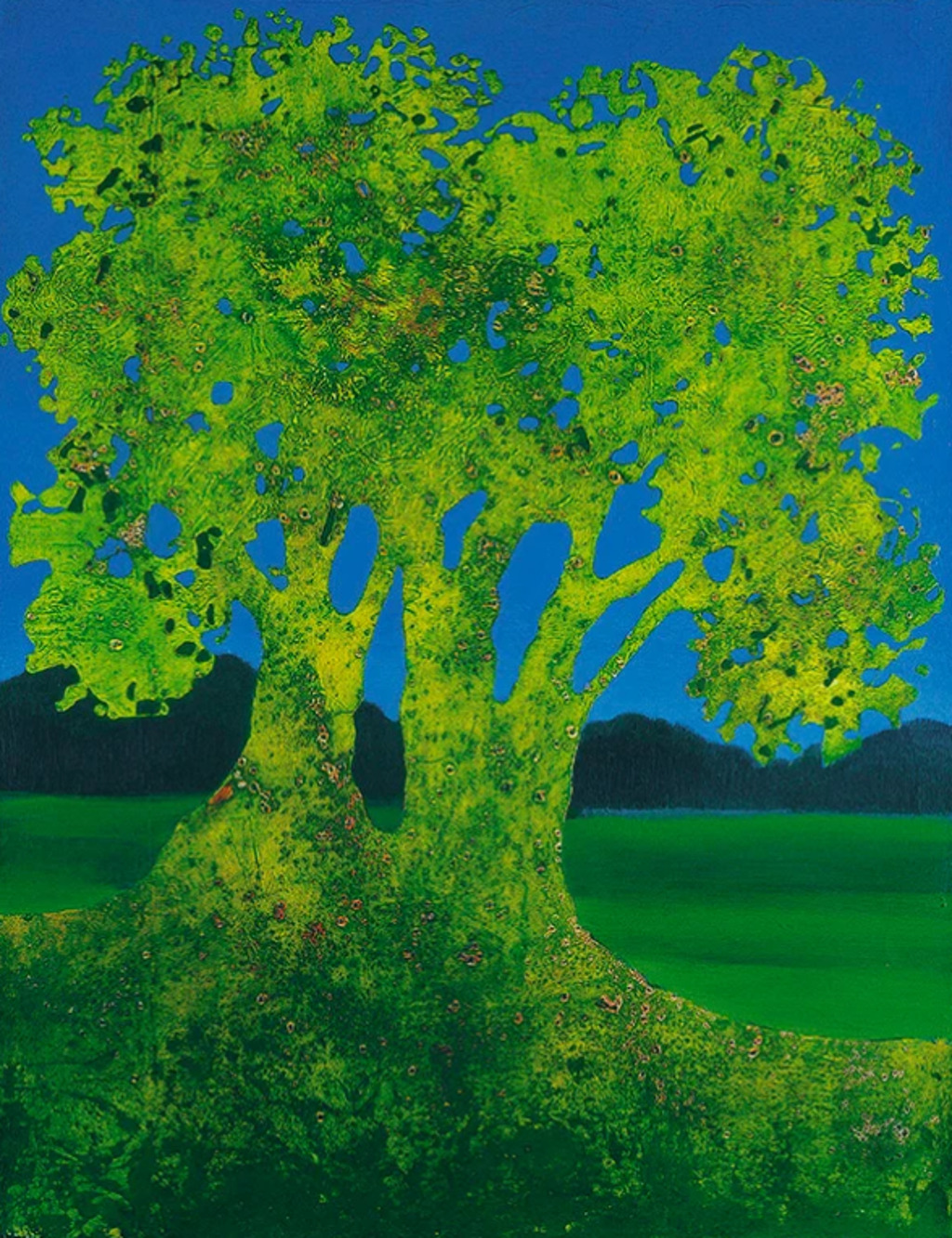
The ombú has been depicted in various works of art, mainly in South America, such as Nicolás García Uriburu’s 1963 works “El Ombú” and “Motivo prehispánico”.