
Species of the genus naturally occur in temperate and subtropical regions of the Northern Hemisphere, while many are cultivated worldwide as ornamentals.

(height, leaf arrangement, leaf shape, root system)

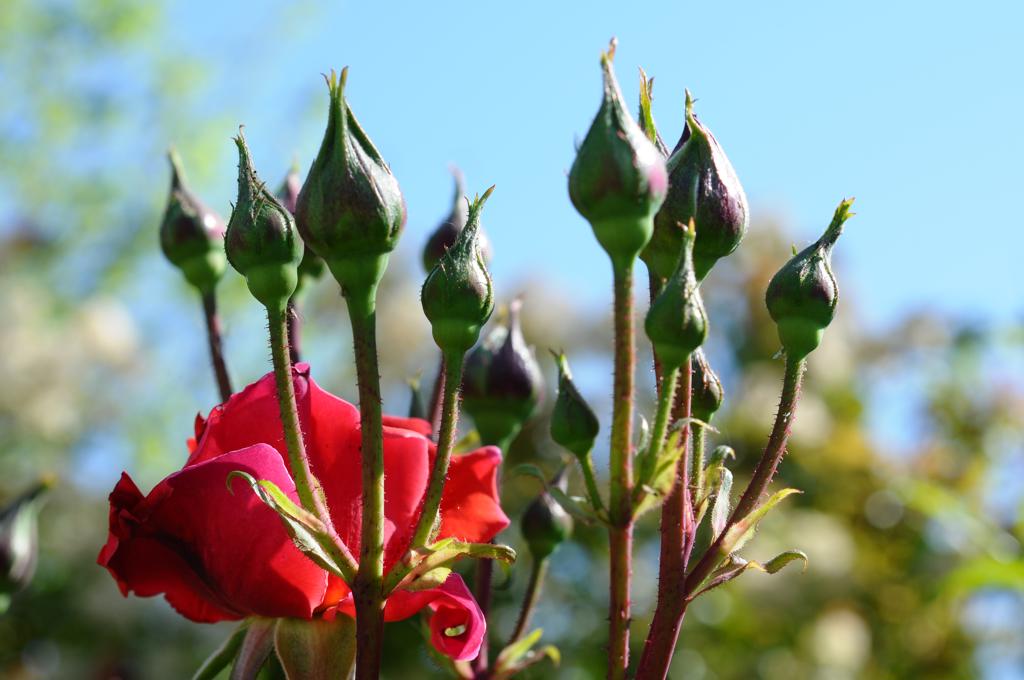
A perennial, angiosperm, flowering plant. Depending on the species, it may be a low shrub (0.3–1.5 m), a climbing plant, or a tree up to 6 m tall. The stems are usually woody, with thorns, while the leaves are compound, pinnately divided, and consist of 3 to 9 leaflets with serrated edges. Some species are deciduous, while others are semi-evergreen.

(flowering period, flowers, seeds)

The most characteristic feature of the genus is its flowers, which can be single or double, and occur in a variety of colors (white, pink, red, yellow, orange, purple). The petals are soft and often fragrant. Flowering occurs mainly in spring and summer. The fruit is orange to red. Natural reproduction occurs through insect pollination (primarily by bees), while propagation for maintaining cultivars is achieved through cuttings, grafting, or layering.

The genus Rosa consists of 140 to 180 species, with numerous cultivated varieties. At least seven species assessed by the International Union for Conservation of Nature (IUCN) are characterised as “Vulnerable (VU)” (R. transcaucasica, R. galushkoi, R. zangezura, R. doluchanovii, R. sosnovskyana, R. arabica, R. dolichocarpa), while additional four species are classified as “Near-Threatened (NT)” (R. rapinii, R. tuschetica, R. hemisphaerica, R. zakatalensis); however, most species have not been evaluated.

The rose is deeply rooted in human history and culture, serving as one of the oldest and most recognizable symbols of beauty and love. From early on, roses appear as a distinctive feature of flora and gardens. Pausanias notes “various brambles and roses” in Arcadia, while Arrian describes “rose gardens” in India as a hallmark of the local flora and abundance. In the great kingdoms of the East, rose gardens signified luxury, as cited by Herodotus in reference to the palace of Xerxes. In Ancient Greece, this flower was closely associated with the goddess Aphrodite, the symbol of love and beauty. In the Iliad, Aphrodite protects Hector’s body with “immortal rose oil”, while the poet Ibycus describes a youth raised “among rose blossoms”. Cornutus links Rose-colored Aphrodite with the color and grace of the rose; Aristophanes mentions roses in scenes of opulence and joy, while Aelian notes their use in festive rituals.

According to Pausanias, the rose acquired its red hue when Aphrodite was pricked by its thorns and the flower was stained with her blood. In mythology, Nonnus represents the bodies of gods and heroes leaving behind meadows that “redden with roses”, as rose wreaths are linked to erotic and wedding ceremonies. In the myth of Hero and Leander, as cited by Musaeus, the woman’s body is likened to a “garden of red roses”, repeatedly emphasizing the radiance of youth through the image of rosy flesh—whether referring to the rosy-fingered hand or the transformation of the face from a rose to an anemone when beauty withers. He adds that Aphrodite receives “red roses” as symbols of her brilliant nature, and the Horae water the earth with rose dew, endowing the rose with an intense ritual character, while every step of a divine figure makes the meadow “redden with roses”.

In the Roman era, roses became a symbol of extreme luxury. Suetonius mentions that Nero covered halls and beds with layers of rose petals, while according to the dictionary of Julius Pollux, rose wreaths at banquets denoted social superiority. Roses also held a prominent position in ceremonies and religious events. Plutarch associates roses with the worship of Isis and purification practices, while Nymphs and deities receive blood-colored roses, according to Nonnus; the flowers were even used in funerary rites, as their bloom symbolized rebirth and eternal beauty. Sidonius Apollinaris parallels the thorns of the rose with wounds of sin, while in the Greek Anthology, it is described how the falling of rose petals from a man’s wreath symbolizes the decay of joy.

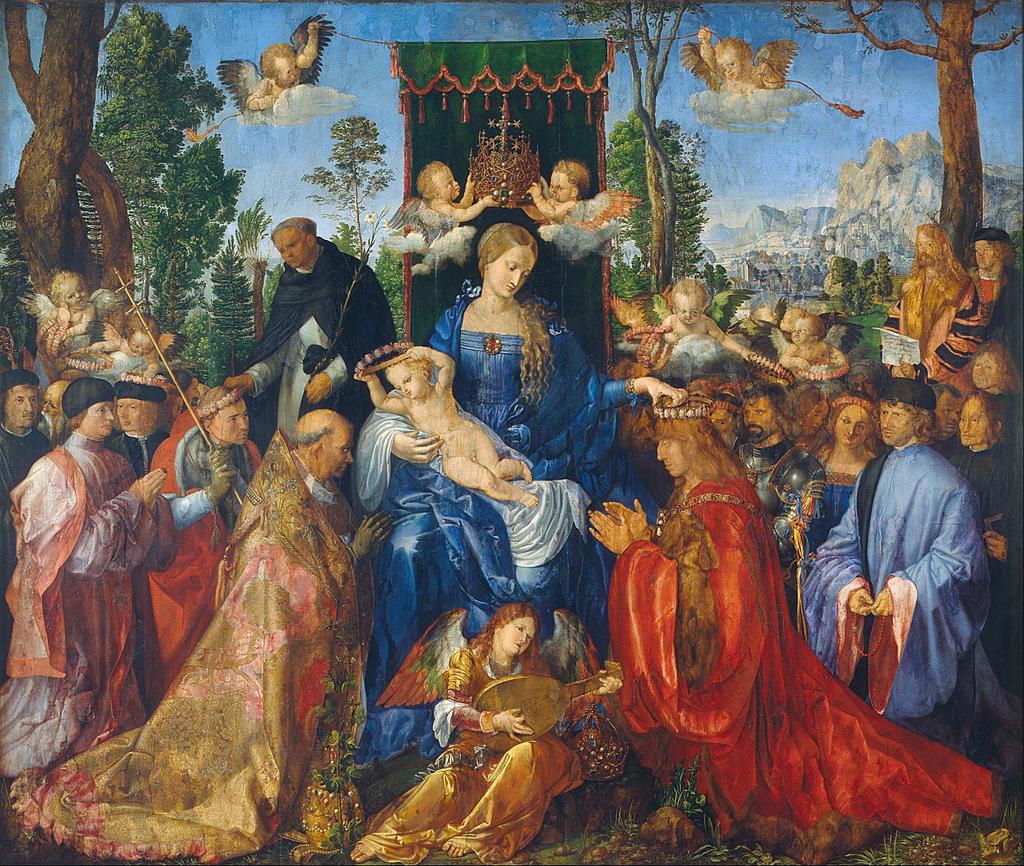
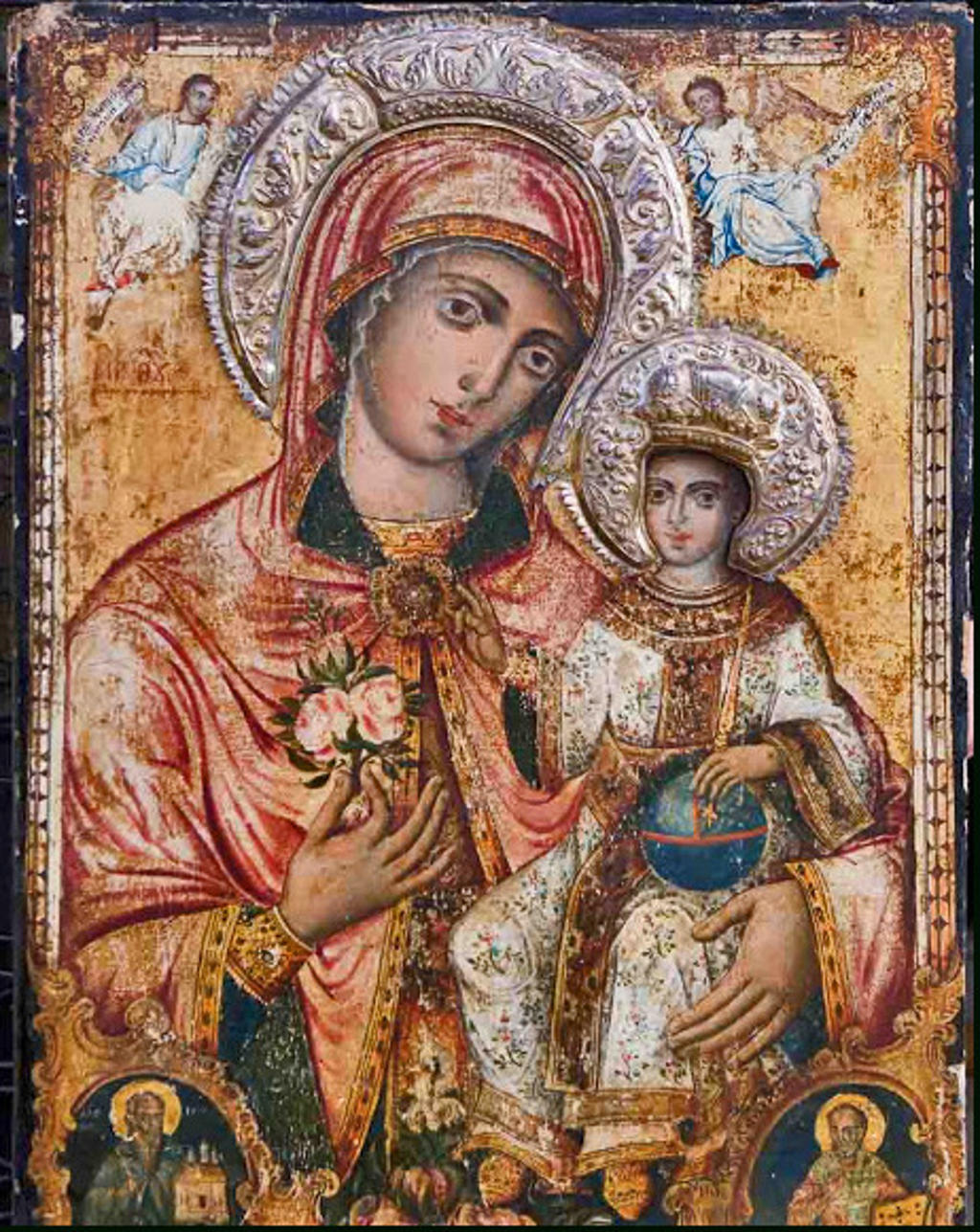
With the prevalence of Christianity, the rose became identified with the Virgin Mary, most notably through the title “The Unfading Rose” and corresponding icons depicting the Virgin and Christ surrounded by roses. It also served as a source of inspiration for the creation of the rosary and other prayers. During the Middle Ages, Carthusian and Franciscan monks used the rose as a religious symbol of joy and devotion, while Albrecht Dürer’s painting “The Feast of the Rosary” (1506) depicts the Virgin offering rose wreaths to the faithful.

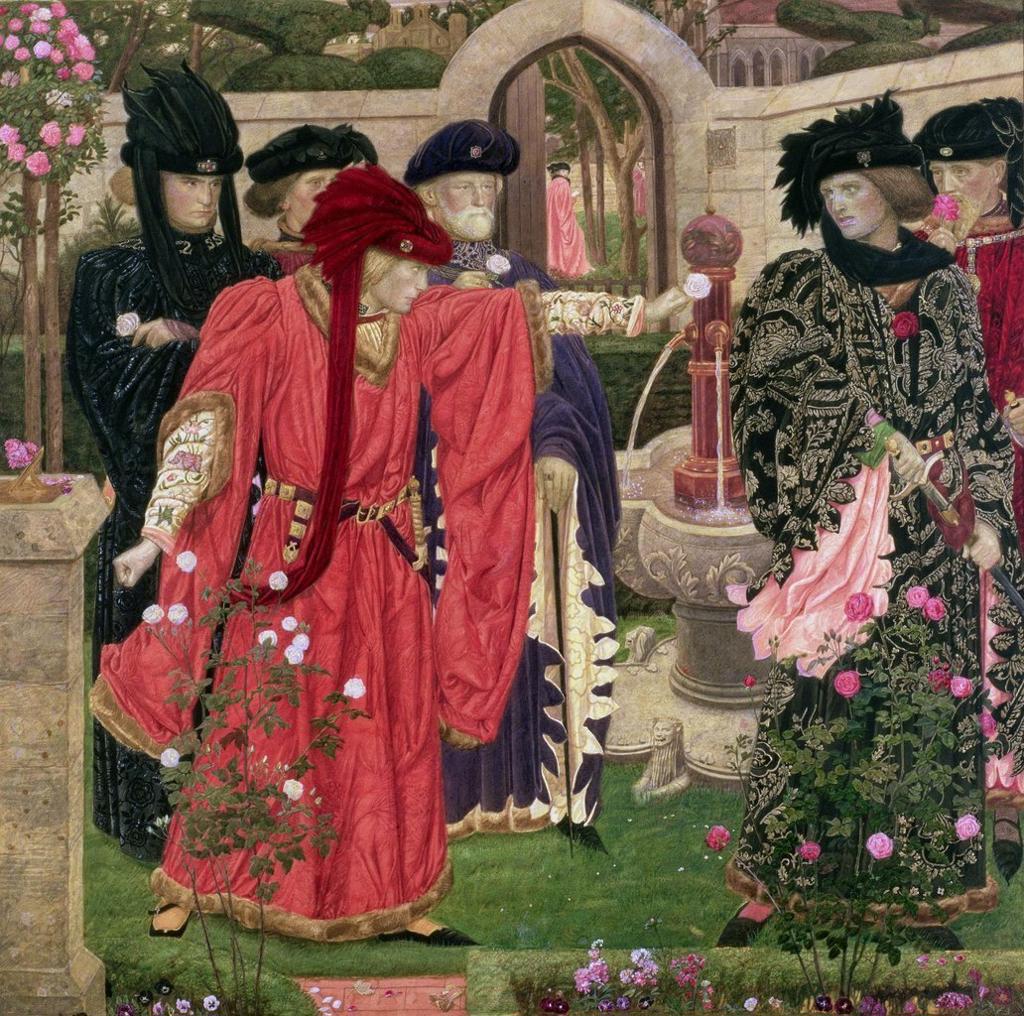
In European history, the rose established itself as a powerful political emblem, most notably during the English War of the Roses (1455–1487), where the white and red roses represented the rival Houses of York and Lancaster, respectively. The end of the conflict was sealed by the red-and-white Tudor Rose, which symbolized the union of the two houses and remains the national symbol of England to this day.

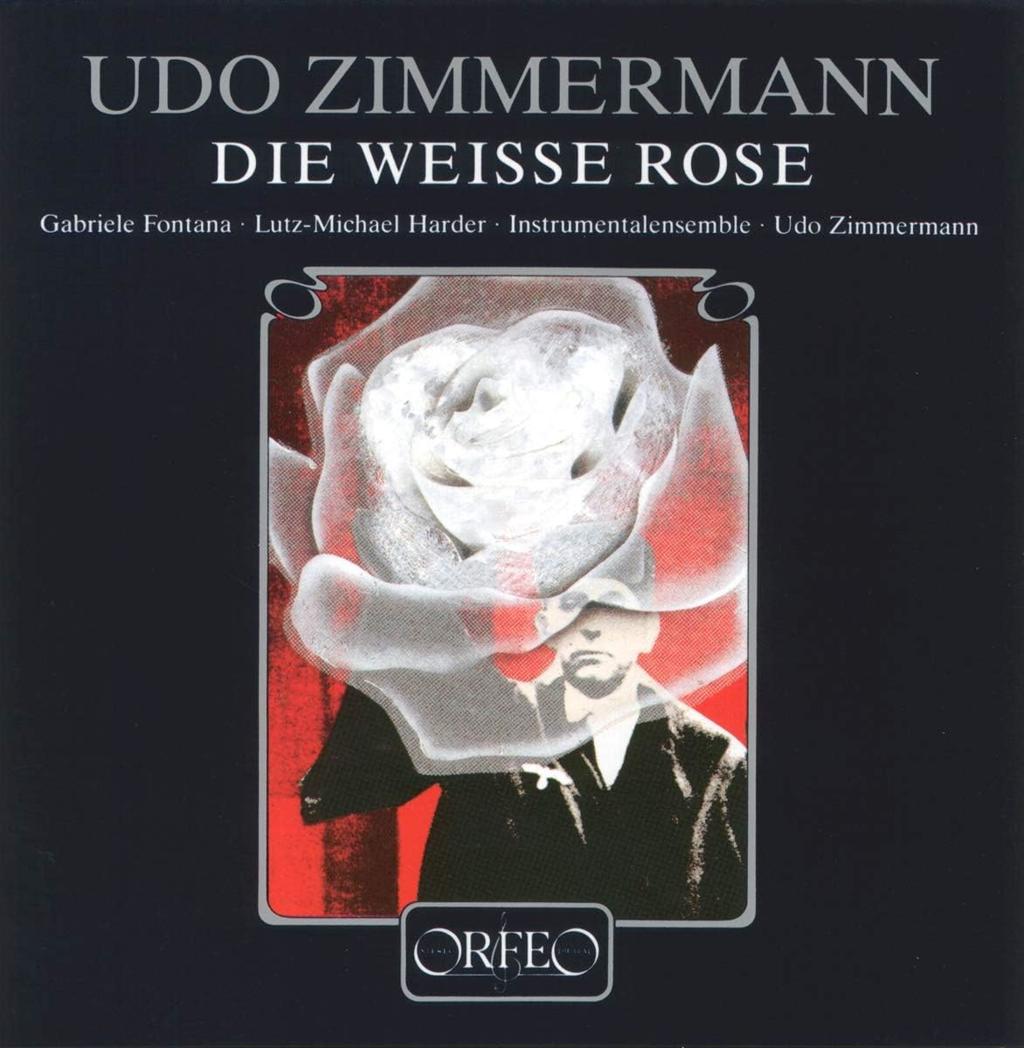
The symbolic power of the flower transitioned into the 20th century with clear humanitarian and resistance connotations. During World War II, the organization White Rose (Die Weiße Rose), led by students and a professor from the Ludwig Maximilian University of Munich (LMU), chose its name to promote non-violent resistance against the Nazi regime. Their activities through leaflets continued until their arrest by the Gestapo in 1943.

The political significance of the rose remained vibrant in the modern era, crossing to the other side of the Atlantic. In 1986, under the presidency of Ronald Reagan, the rose was officially recognized as the national flower of the United States of America, thus confirming its enduring status among the national symbols of great powers.

In the National Garden of Greece, Queen Amalia planted rosebushes relatively early, and manuals of the time mention that rows of rose gardens flourish [in the Garden].

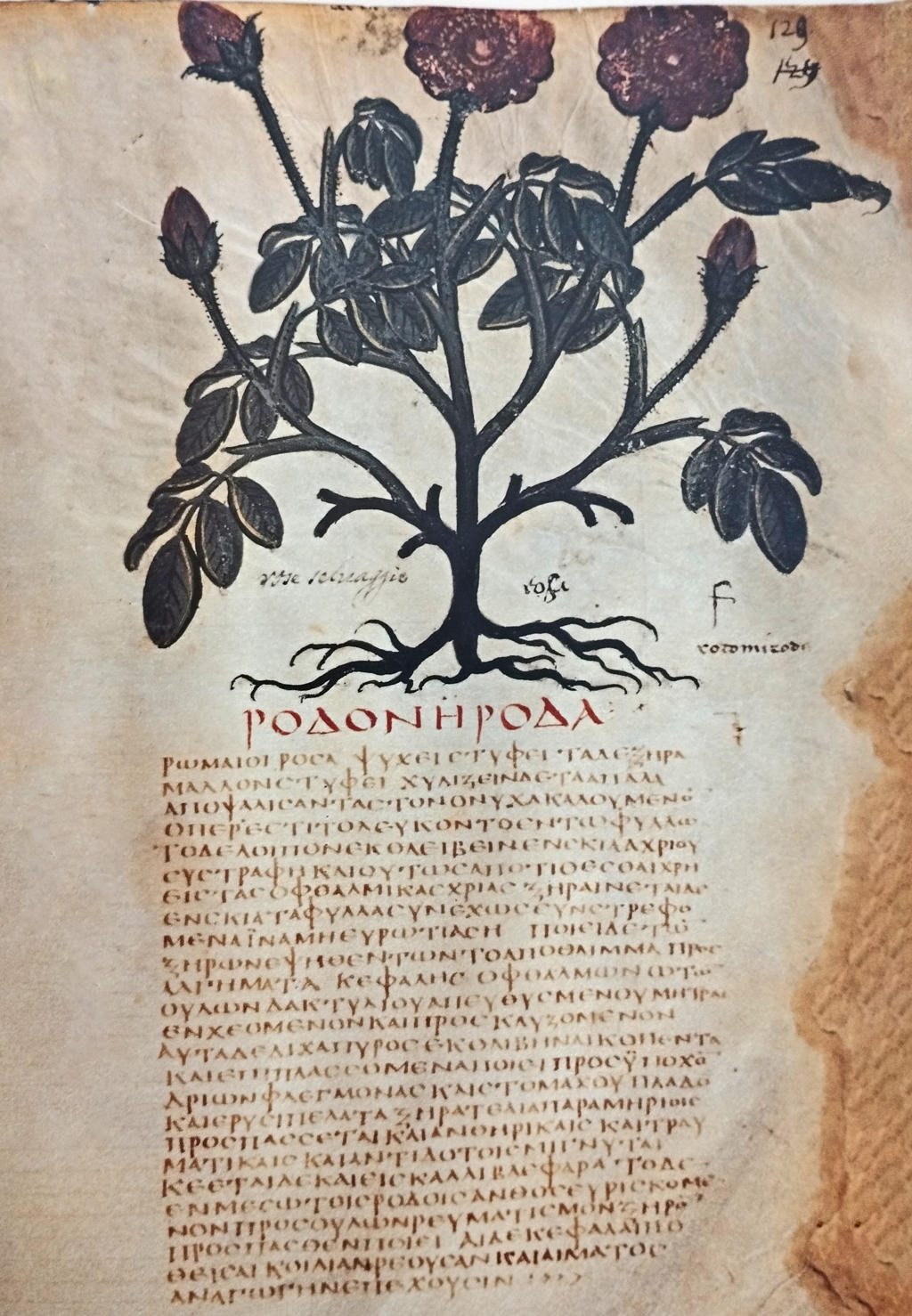
The rose is one of the most popular ornamental plants worldwide, known for its striking flowers, which are cultivated in gardens, parks, and indoor spaces. Beyond its decorative value, it has significant commercial and practical uses. Roses have been extensively used in perfumery and gastronomy since ancient times. Theophrastus describes the process of producing rose oil and its immense aromatic value, while Pliny enumerates numerous uses in perfumery, decoration, and ceremonial practices. Athenaeus records dishes and drinks flavored with roses or rosewater at luxurious banquets, while Aelian notes their use in wine, sweets, and aromatic preparations in the daily life of Asia Minor and the East. Dioscorides describes the astringent, cooling, and anti-inflammatory properties of the rose, recommending ointments, eye drops, and scented preparations with rose petals, while Galen mentions rose oil as a mild soothing agent for inflammation, particularly for eye care and skin conditions. The flowers continue to be used in perfumery today and for the production of cut flowers, while certain species are employed in landscaping, as hedges, or for slope stabilization. The fruit of the rose (rose hips), especially from Rosa canina, is rich in vitamin C and edible. It is used to make jams, sweets, syrups, teas, and rose oils, which are utilized in natural cosmetics. Rosewater, with its distinctive aroma, is a key ingredient in Middle Eastern, Persian, and South Asian cuisine, used in sweets such as baklava, Turkish delight, and halva, as well as to flavor tea and preserved fruits.

(Note: Ethnobotanical data regarding the medicinal uses of plants must be handled with caution, and their application should be carried out exclusively under medical supervision).

  • https://powo.science.kew.org/taxon/30002432-2
  • https://www.helpmefind.com/rose/plants.php
  • Greek Anthology”, 9.363, 9.580, 10–12, 12.134
  • Aelianus Claudius, “Varia Historia”, 3.18
  • Aristophanes, “Plutus”, 527
  • Arrian, “Indica”, 5.16
  • Athenaeus, “Deipnosophistae”, 14.636e–637a
  • Cornutus, “Theologiae Graecae Compendium”, 6.11
  • Dioscorides, “De Materia Medica”, 1.128–129
  • Galenus, “De Simplicium Medicamentorum Temperamentis ac Facultatibus”, 2.13
  • Herodotus, “Histories”, 7.31
  • Musaeus, “Hero and Leander”, 50
  • Nonnus, “Dionysiaca”, 4.114, 12.103, 8.207, 10.175, 47.12, 47.450, 47.68, 11.224
  • Pausanias, “Description of Greece”, 23.7
  • Pliny the Elder, “Naturalis Historia”, 21.12–21, 21.10–13
  • Plutarch, “Isis and Osiris”, 377e
  • Pollux, “Onomasticon”, 6.179
  • Procopius, “Histories of the Wars”, 8.15.21
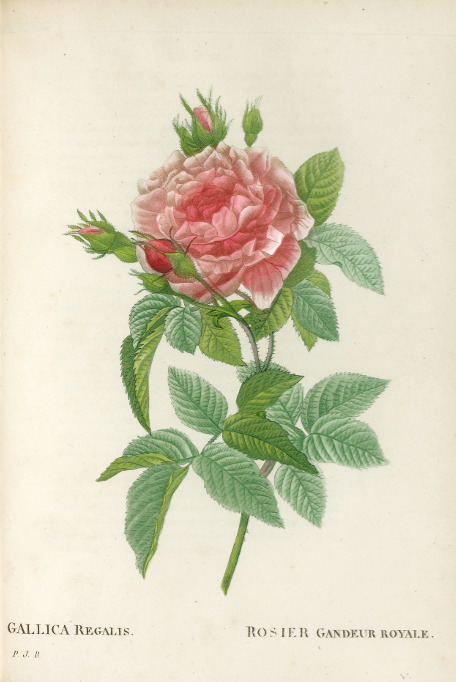
  • Redouté, P.-J. (1817–1824). Les roses (C. A. Thory, Text). Imprimerie de Firmin Didot.
  • Sidonius Apollinaris, “Epistulae”, 4.13
  • Suetonius, “Nero”, 31.4
    Theophrastus, “On Odours Peri Osmōn”, 6

During each season you will see:

SPRING

Leaves, onset of flowering,
onset of fruiting in certain cultivars.

SUMMER

Leaves, flowers in certain cultivars,
gradual fruit ripening.

AUTUMN

Leaf yellowing,
reduced flowering, mature fruits

WINTER

Partial or complete leaf fall, WINTER
mature fruits may remain

References in Αrt

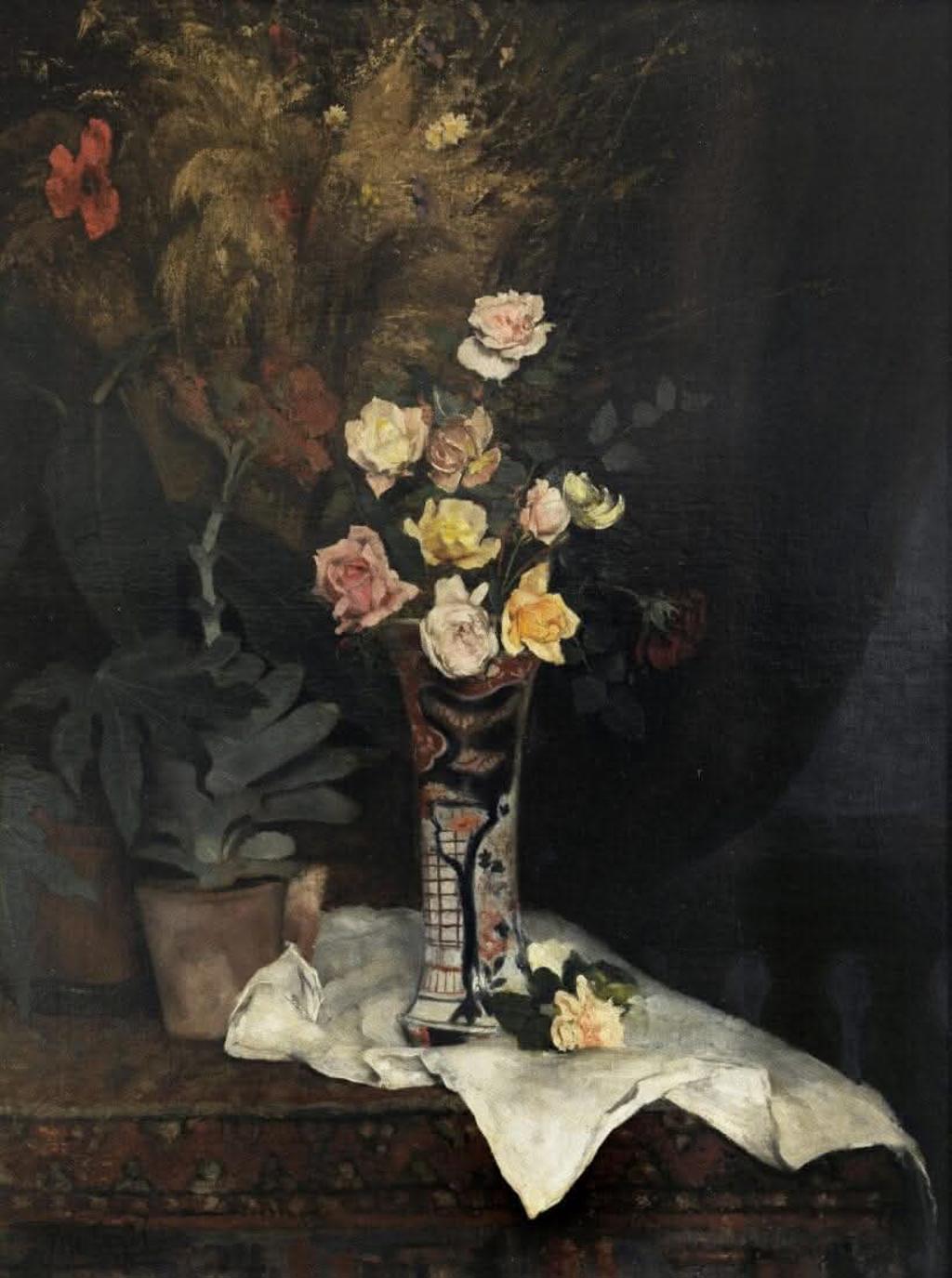
The rose constitutes a perennial symbol in global art and literature, spanning from antiquity to the present day. Its presence extends from Italian frescoes and 13th-century Chinese texts to 14th-century Arabic manuscripts, while it continues to adorn national emblems and state seals. Within the canon of European painting, the rose has been a favored subject for artists such as Pierre-Joseph Redouté, renowned for his meticulous watercolors, and Henri Fantin-Latour, after whom a specific rose variety was named. Concurrently, masters such as Monet, Renoir, and Cézanne captured the flower’s romantic and symbolic dimensions in their work.

This multifaceted symbolism transitioned from the canvas into history and dramaturgy, most notably during the “Wars of the Roses”. The white rose, as the emblem of the House of York, and the red rose of the rival House of Lancaster, inspired Shakespeare to incorporate an iconic scene into his 1601 play, “Henry VI (Part I)”. In this depiction, the political polarization of the era is symbolically rendered through the factional supporters’ choice of differently colored roses.

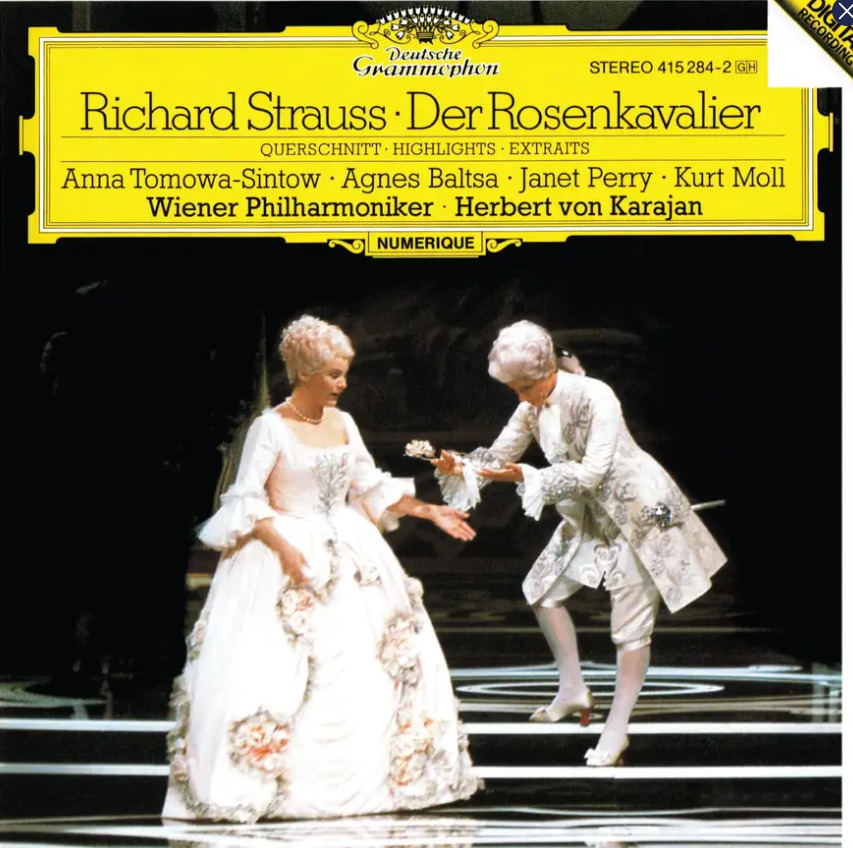
Beyond political conflict, the rose occupies a central position in the realm of musical dramaturgy, acquiring diverse meanings across different eras. In Richard Strauss’s opera “Der Rosenkavalier – The Knight of the Rose” (1910), the flower is presented as a sensory sublimation of love, with ethereal music “translating” its fragrance into sound. Conversely, in Udo Zimmermann’s 1967 chamber opera “Weiße Rose (White Rose)”, the symbol takes on heroic proportions. Based on the true story of the Scholl siblings and the eponymous resistance student group (under the same name), the work artistically renders their struggle and final moments prior to their execution by the Nazis in 1943.

In literature, the rose symbolizes love, transience, and perfection, featuring prominently in titles such as Umberto Eco’s The Name of the Rose, as well as in the poetry of Solomos, Elytis, Eliot, and Shakespeare. Furthermore, Greek folk tradition has integrated both the “rose blossoms” and the “thorns of the rosebush” into its lyrics, primarily within the genre of love songs. As an enduring symbol of passion, beauty, and sacrifice, the rose remains one of the most cherished motifs in global art and thought.
The cultivated varieties in the National Garden of Athens:
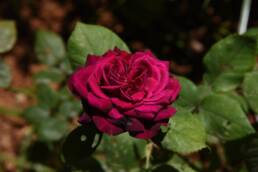
The “Gräfin Diana” variety is a bushy rose with large blooms. Its flowers have a deep violet-red color, with almost black buds that open into striking violet-red blossoms. They possess a strong and complex fragrance, with notes of apricot, citrus, honey, geranium, and myrrh. The flowers have 65–70 petals and a large, very full form, with a diameter of approximately 10–12 cm, appearing in waves throughout the flowering period. The plant is bushy, with slightly arching stems and thorns, while its leaves are large, dark green, semi-glossy, and composed of 5 leaflets. It reaches a height of up to 135 cm and a width of up to 120 cm.
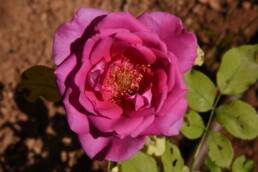
The “Parole” variety is a bushy rose with large flowers in a vivid deep pink color. It has a strong, fruity fragrance and up to 50 petals. The blooms are very large, with a diameter of approximately 15 cm, extremely full, and appear mostly singly, flowering repeatedly throughout the blooming period. The plant reaches medium height (80–100 cm), grows upright, and has dark green foliage, making it suitable both as a cut flower and as an ornamental shrub in gardens.
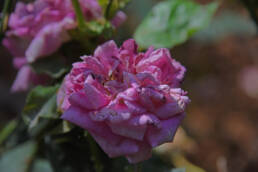
The “Hymne en Rose” variety is a rose with old-fashioned blooms, produced in clusters of 4 to 8 flowers. It bears pink flowers with 38–52 petals in a rosette shape, with an average diameter of approximately 7 cm. The blooms are medium-sized, double, and appear repeatedly throughout the flowering period. The plant is medium-sized, grows upright, and has an elegant, balanced canopy.
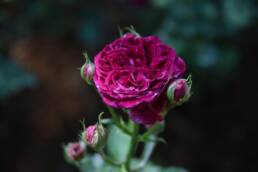
The “Femme Fatale” variety resembles an old-fashioned rose and is bushy with large flowers. It produces deep pink to burgundy blooms with pink flecks and a strong, sweet fragrance reminiscent of citrus. The flowers have a diameter of approximately 8 cm, contain up to 27 petals, and form medium to large, full, high-centered blooms that appear singly or in small clusters throughout the flowering period. The plant is medium-sized, upright, with semi-glossy, olive, leathery foliage comprising 3 to 7 leaflets. It reaches a height of 90–120 cm and a width of up to 60 cm, and is used as a cut flower, in exhibitions, gardens, or landscaping.
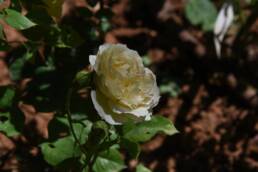
The “Les pas du paradis” variety is an old-fashioned rose with cup-shaped flowers, yellow in color with a bronze center, highlighted on the lower petals with a soft pink. The blooms have a diameter of 8 to 12 cm and a strong fragrance. The plant grows upright and laterally, reaching a height of up to 125 cm and a width of up to 75 cm.
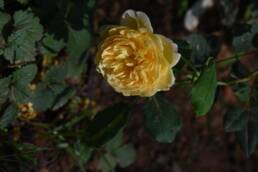
The “Golden Celebration” variety is a bushy, old-fashioned rose with deep yellow flowers and a strong, sweet fragrance. The blooms have 55 to 75 petals, an average diameter of approximately 7 cm, and a globular, cup-shaped form, appearing singly or in small clusters. It flowers repeatedly throughout the blooming season, has rounded buds, and a well-branched structure. The plant reaches a height of 120–150 cm and a width of up to 120 cm, with leaves composed of seven leaflets.
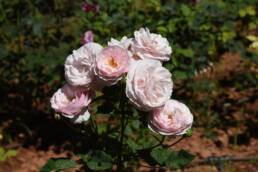
The “Gartenträume” variety is a bushy, old-fashioned rose with soft pink, cup-shaped flowers. It has a strong fragrance with notes of clove and honey. The blooms have a diameter of approximately 8 cm, are very full (over 41 petals), and flower repeatedly throughout the blooming season. The plant reaches a height of up to 110 cm and a width of up to 90 cm.
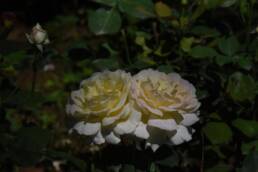
The “Ouzaki” variety is a rose with flowers in clusters. It produces white blooms with a creamy center, a strong fragrance reminiscent of anise, and an average diameter of approximately 11 cm. The flowers are very large, double, with 17–25 petals that appear in repeat bloomings throughout the flowering season. The plant reaches a height of 50–60 cm and a width of up to 60 cm, forming a low, dense shrub.
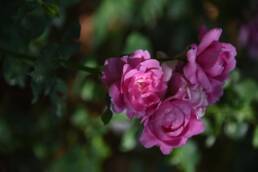
The “Rozaki” variety is a rose with flowers in clusters, in the style of old garden roses. The blooms have a distinctive pink color with purple tones and a diameter of 8–10 cm. It has a strong fragrance and abundant flowering, making it ideal for dense plantings and container cultivation. The plant reaches a height of 60 cm and a width of 60 cm, forming a low, bushy shrub.
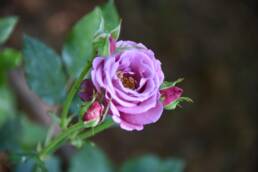
The “Shocking Blue” variety is a rose with flowers in clusters. The blooms display shades of purple or magenta-lilac, with wavy petal edges and reddish stamens. It has a strong fragrance and up to 28 petals, with a diameter of about 8 cm. It blooms repeatedly throughout the flowering season, producing large, full flowers that unfold spirally. The plant has a bushy, upright, and well-branched form, with few or no thorns and large, leathery leaves. It reaches a height of 60 cm and a width of 50 cm.
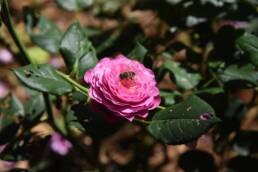
The “Kaffe Fasset” variety is a rose with flowers in clusters. The blooms are pink with lilac shades that gradually turn fuchsia or magenta over time, and they have a strong lemony fragrance. Each flower has about 50 petals and a diameter of approximately 9 cm. It blooms repeatedly throughout the flowering season. The plant has a bushy growth habit with dark green foliage, reaching a height of 50–60 cm and a width of 50–60 cm. It is used in flowerbeds and borders, in containers, or as a cut flower.
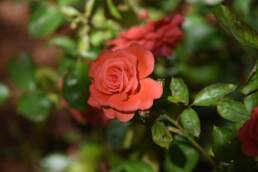
The “Koralina” variety is a rose with flowers in clusters. The blooms are pale orange in color with a very light fragrance and a diameter of about 6 cm. The flowers have numerous petals that open slowly and bloom continuously throughout the flowering season. The plant has dense, compact foliage and reaches a height of 50 cm and a width of 60 cm. It is an ideal variety for gardens, balconies, and as ground cover.
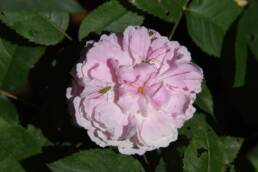
The “Jacques Cartier” variety is an old Portland-type rose. It produces light pink flowers with a very strong fragrance and a diameter of about 9 cm. The blooms are very full, with up to 70 petals in a rosette shape, and flower mainly in spring, with occasional repeat blooms later in the season during autumn. The plant reaches a height of 90–150 cm and a width of up to 90 cm, forming a symmetrical, bushy shrub.