

It grows in subtropical ecosystems, where mild winters and warm summers prevail. In its natural range, it occurs in various types of Andean forests, from low to mountainous elevations. It prefers sunny locations and well-drained soil, while its ability to thrive under drought conditions makes it a characteristic species of the dry tropical forest and agroforestry ecosystems of South America, as well as suitable for planting in regions with similar climates worldwide. It shows high adaptability to a range of environmental conditions.
(height, leaf arrangement, leaf shape, root system)
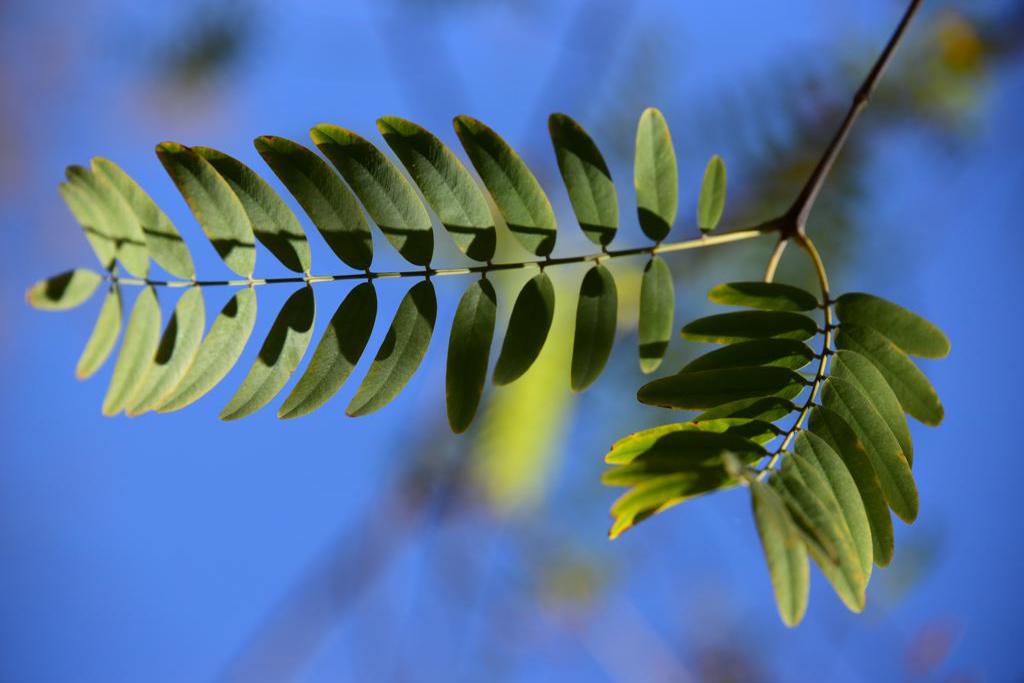
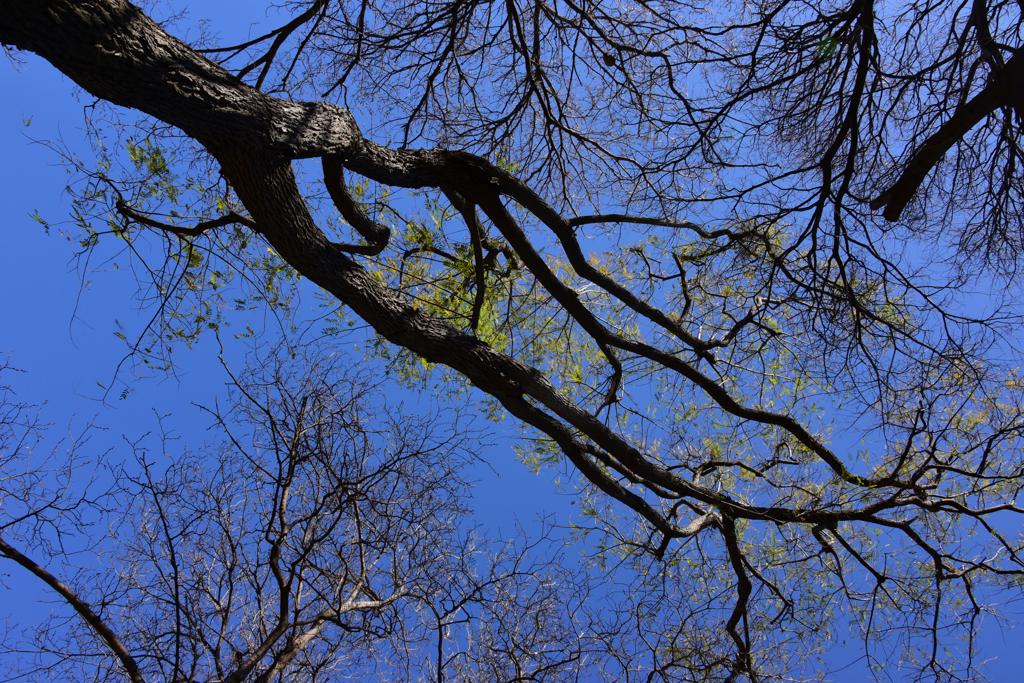
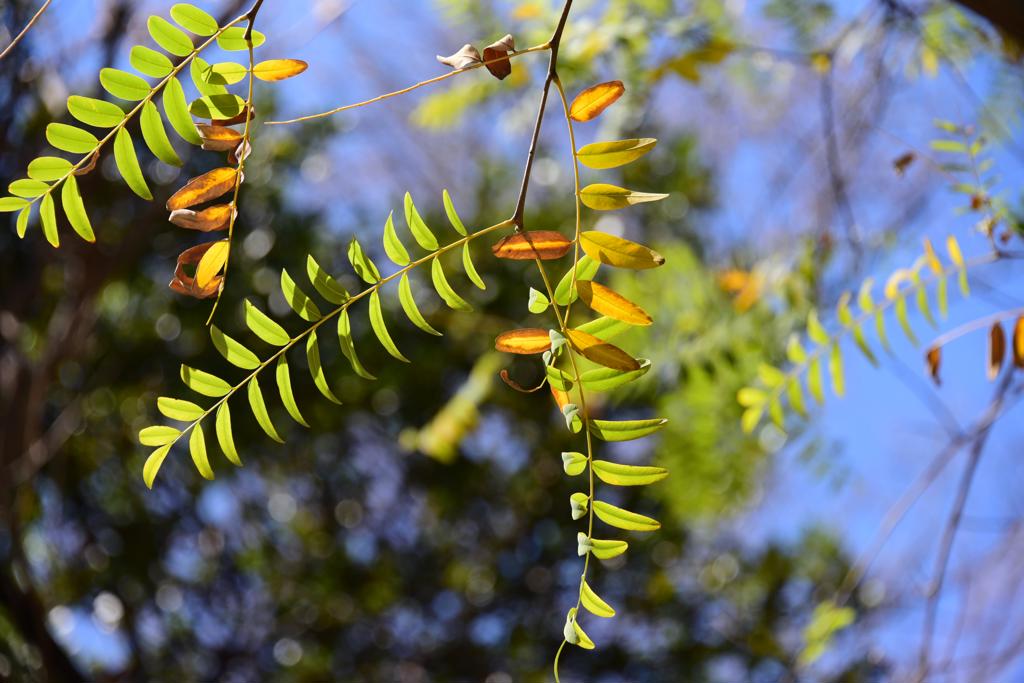
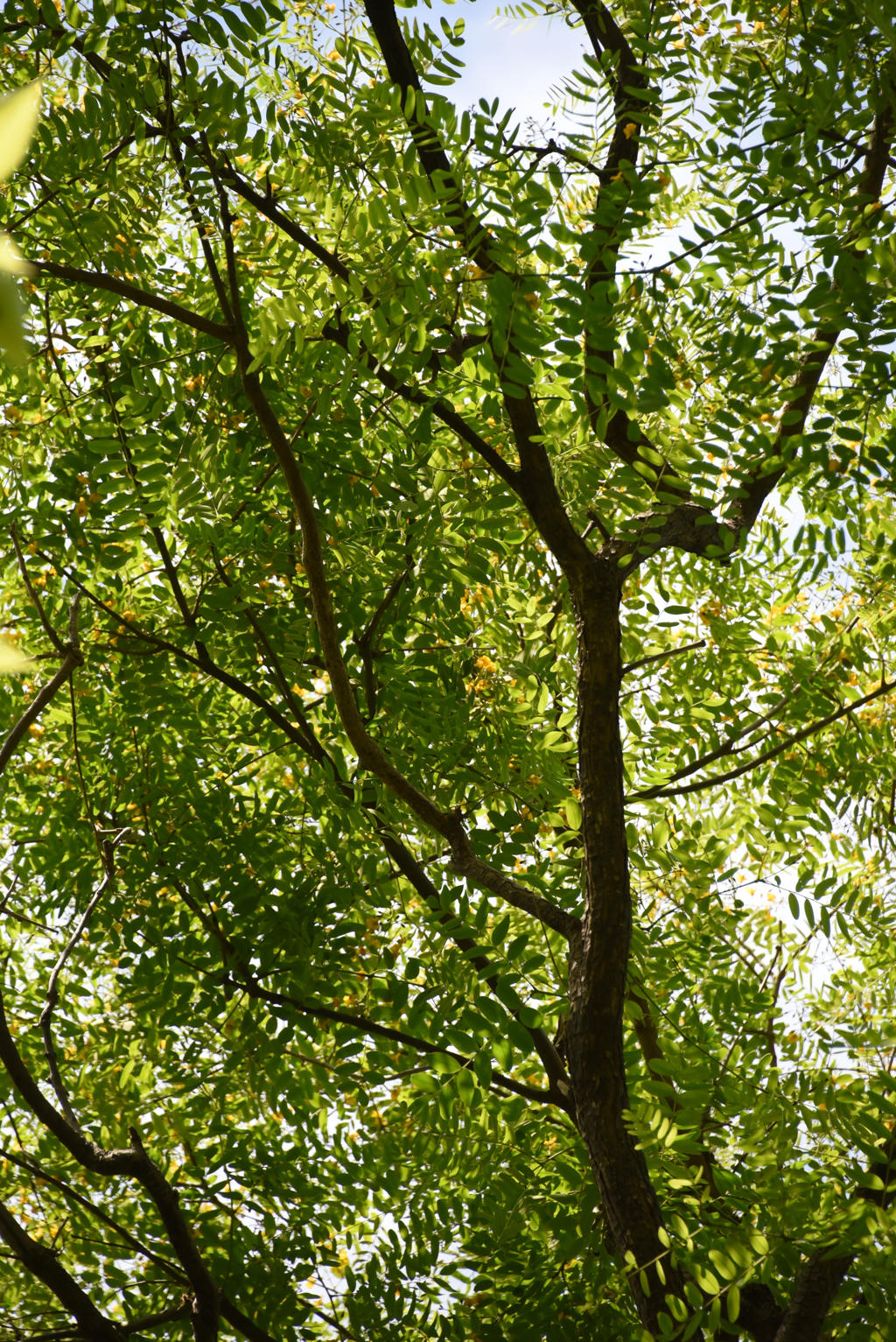
A semi-deciduous tree that can reach 20–30 m in height, while under favorable conditions it has been reported to reach up to 40 m, with a trunk diameter of up to 1.5 m. It is distinguished by its broad, light, and expansive crown, which often exceeds its height in width, providing abundant shade. The trunk is cylindrical, with reddish-brown bark that cracks and peels with age, while the bark of the branches is grayer and fissured. When cut, it exudes a reddish, sticky resin. Its wood is off-white, hard, and fibrous. The leaves are compound, alternate, pinnate, up to 25 cm long, with 7–19 leaflets, each 2–7 cm long. The leaflets are light green, narrowly elliptic to oblong, with entire margins and a rounded or slightly notched apex, while at the base they bear a short petiole and a swollen stalk. The species has shallow roots, making it sensitive to strong winds, and in many locations, it sheds its leaves from mid-winter to spring, depending on local climatic conditions.
(flowering period, flowers, seeds)
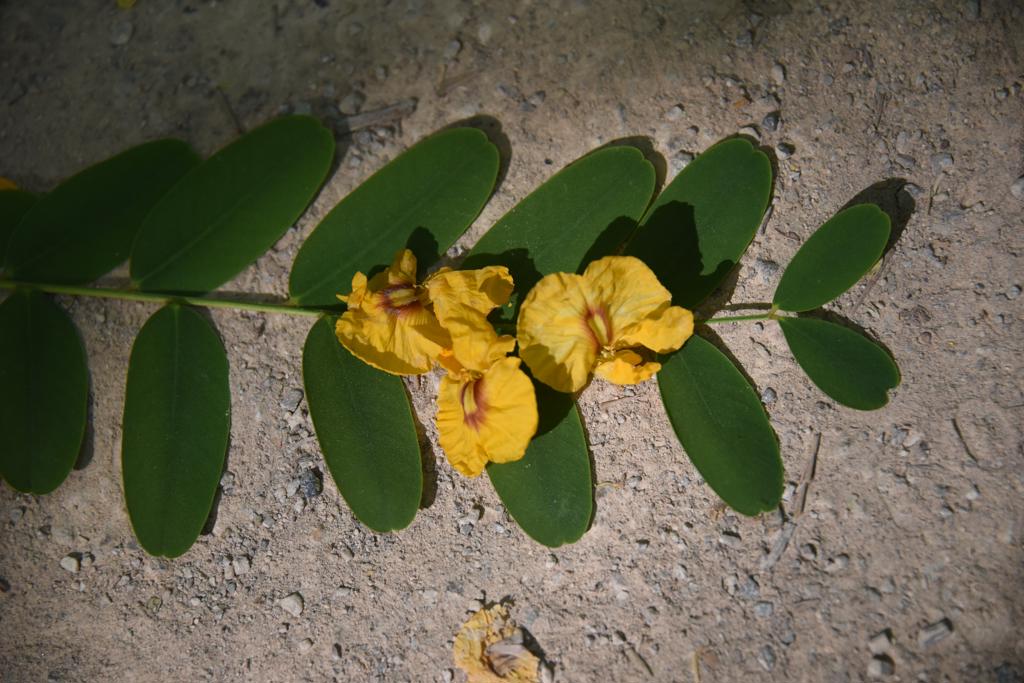
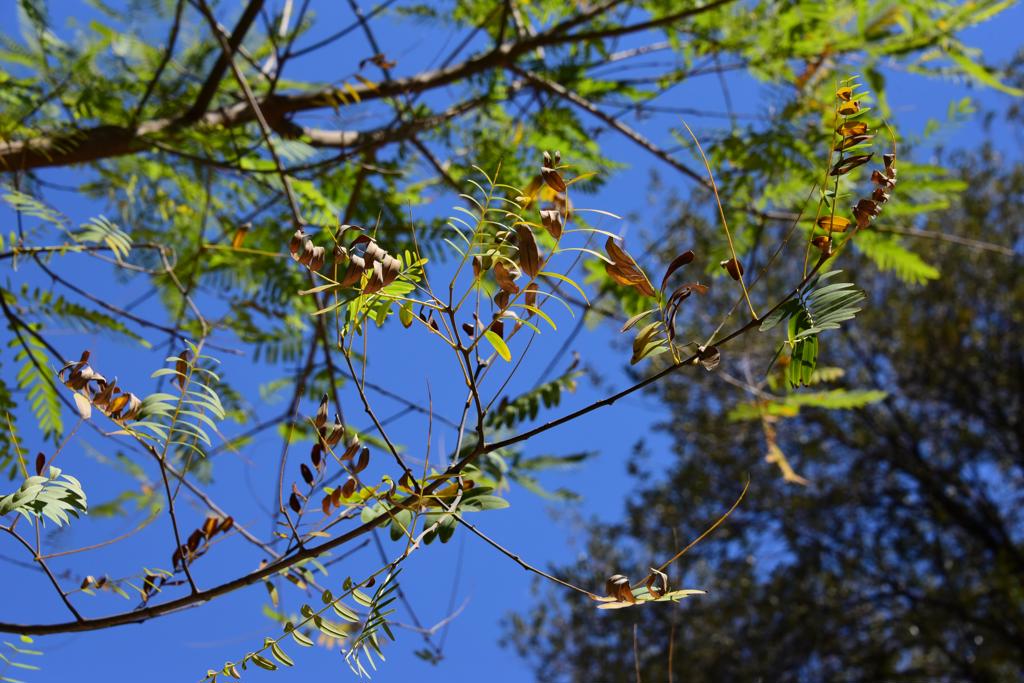
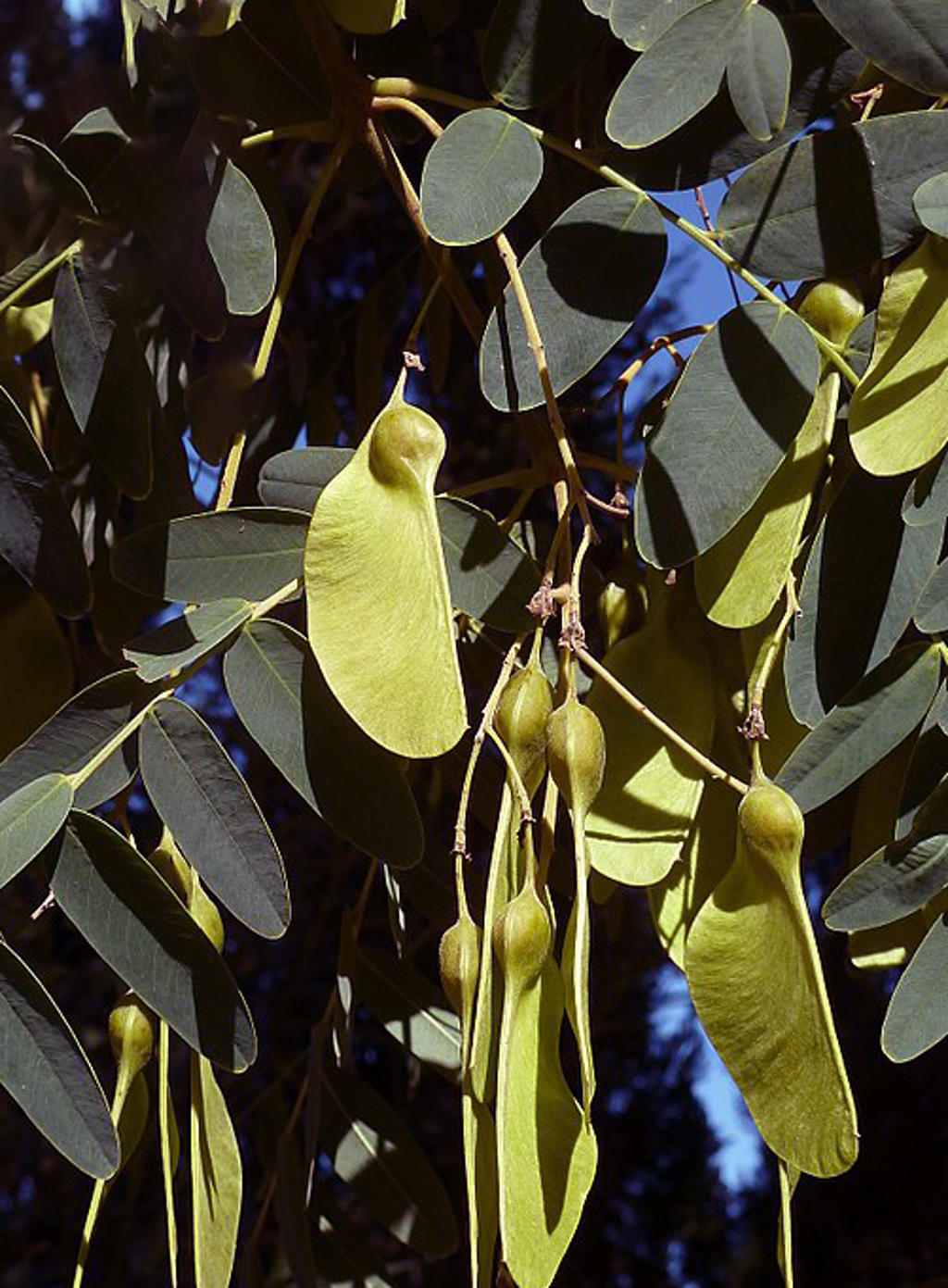
It reproduces mainly by seeds and exhibits impressive flowering and fruiting. The flowers appear from late spring to summer and are numerous, with bright yellow to yellow-orange coloration. They form in sparse, long racemose inflorescences, both at the tips and in the axils of the branches. The flowers have a characteristic petal-like shape, as is common in plants of the legume family, with a bell-shaped calyx and petals about 2 cm long.After flowering, the plant produces abundant fruits in the form of winged legumes of the “samara” type, each containing one to three seeds at its base. These fruits, initially yellow-green and later brownish, remain on the tree for a long time and, when mature, detach while spinning like ‘helicopters,’ allowing gravity and wind to disperse them over long distances. The seeds germinate easily, especially in winter when there is sufficient moisture, and the young plants grow rapidly, ensuring the wide distribution of the species under various conditions.
It is a species with a particularly aggressive root system, capable of lifting concrete and asphalt, and in some countries, such as Australia, it is considered an invasive weed that threatens biodiversity and causes significant environmental damage.
Tipuana tipu is a native species of South America, with its natural distribution east of the Andes, mainly in southern Bolivia and northern Argentina, where it is a common or even dominant element of various types of natural vegetation in semi-arid to subtropical climates. From its native range, it spread widely through human introduction to many countries such as Brazil, Paraguay, and Uruguay, as well as outside South America, including Australia, South Africa, Egypt, and other warm temperate regions. It is mostly used as an ornamental tree commonly seen in tree rows, known for its shade and durable wood. The botanist George Bentham established it as a genus in 1853, naming it after the “Tipu” river or valley in Bolivia. The species was introduced to California as early as 1897, while in Australia it was widely planted in the 1970s. In some of these regions, especially where soils are rich in phosphorus, the species becomes permanently established in wild vegetation or exhibits invasive behavior. Seed dispersal by wind (anemochory) is facilitated by the winged fruits (samaras). This, together with its adaptability to a variety of soil and climatic conditions, has contributed to its worldwide spread.
It is widely used for shading streets, yards, and parks due to its large and broad crown, while also functioning as a windbreak. Additionally, because its leaves have high nutritional value, they are used as supplementary fodder for ruminants, particularly in tropical and subtropical regions. The leaves are palatable, and rich in bioactive compounds such as flavonoids (kaempferol, rutin), with proven anti-inflammatory, antioxidant, and antimicrobial properties. In traditional medicine, extracts from the leaves and bark are used to treat wounds, hemorrhoids, gastrointestinal disorders, rheumatic and abdominal pains and as astringents due to their high tannin content. The roots, although less studied ethnobotanically, contribute ecologically through nitrogen fixation, enhancing soil fertility and assisting in soil stabilization; for this reason, the species is used in reforestation and agroforestry programs. The seeds, while not widely reported for their nutritional or medicinal use, play an important role in the species’ natural regeneration and spread. Its wood is straight-grained, durable, and easy to work with, and is used in furniture making as well as for posts, firewood, and charcoal production. The bark exudes a reddish resin rich in tannins, which can be used as a dye, while the leaves and immature fruits contain saponins with potential detergent and antioxidant properties. Additionally, its flowers provide food for bees, supporting beekeeping.
(Note: Ethnobotanical data regarding the medicinal uses of plants must be handled with caution, and their application should be carried out exclusively under medical supervision).
- https://powo.science.kew.org/taxon/urn:lsid:ipni.org:names:254607-2
- https://www.iucnredlist.org/species/62028299/149012636
- https://weeds.org.au/profiles/tipu-tree-rosewood/
- https://tropical.theferns.info/viewtropical.php?id=Tipuana+tipu
- Amen, Y. M., Marzouk, A. M., Zaghloul, M. G., & Afifi, M. S. (2014). A new acylated flavonoid tetraglycoside with anti-inflammatory activity from Tipuana tipu leaves. Natural Product Research, 29(6), 511–517. https://doi.org/10.1080/14786419.2014.952233
- Ibrahim, R. M., Abdel-Baki, P. M., El-Rashedy, A. A., & Mahdy, N. E. (2024). LC-MS/MS profiling of Tipuana tipu flower, HPLC-DAD quantification of its bioactive components, and interrelationships with antioxidant, and anti-inflammatory activity: In vitro and in silico approaches. BMC Complementary Medicine and Therapies, 24(1), Article 176. https://doi.org/10.1186/s12906-024-04467-5
- Norton, B., & Waterfall, M. (2000). The nutritive value of Tipuana tipu and Calliandra calothyrsus as supplements to low-quality straw for goats. Small Ruminant Research, 38(2), 175–182. https://doi.org/10.1016/s0921-4488(00)00147-4
- Nouri, A. S., Fröhlich, D., Silva, M. M., & Matzarakis, A. (2018). The impact of Tipuana tipu species on local human thermal comfort thresholds in different urban canyon cases in Mediterranean climates: Lisbon, Portugal. Atmosphere, 9(1), Article 12. https://doi.org/10.3390/atmos9010012
- Orwa, C., Mutua, A., Kindt, R., Jamnadass, R., & Anthony, S. (2009). Agroforestree Database: A tree reference and selection guide version 4.0. World Agroforestry Centre. https://apps.worldagroforestry.org/treedb/AFTPDFS/Tipuana_tipu.PDF
- Trudgen, M. S., Scott, J. K., Lambers, H., & Webber, B. L. (2023). Identifying limitations for invasion: The effect of phosphorus availability on the growth of the non-native tree, Tipuana tipu. Australian Journal of Botany, 71(6), 275–285. https://doi.org/10.1071/bt22061