

It is found mainly in mixed forests and along rivers, preferring moist and fertile soil, while also showing high drought tolerance. In regions of Southeastern Europe, it may become a dominant or co-dominant species in broadleaf forests (together with beech, oak, maple, and ash), which in some cases causes silvicultural problems due to its expansive nature.

(height, leaf arrangement, leaf shape, root system)

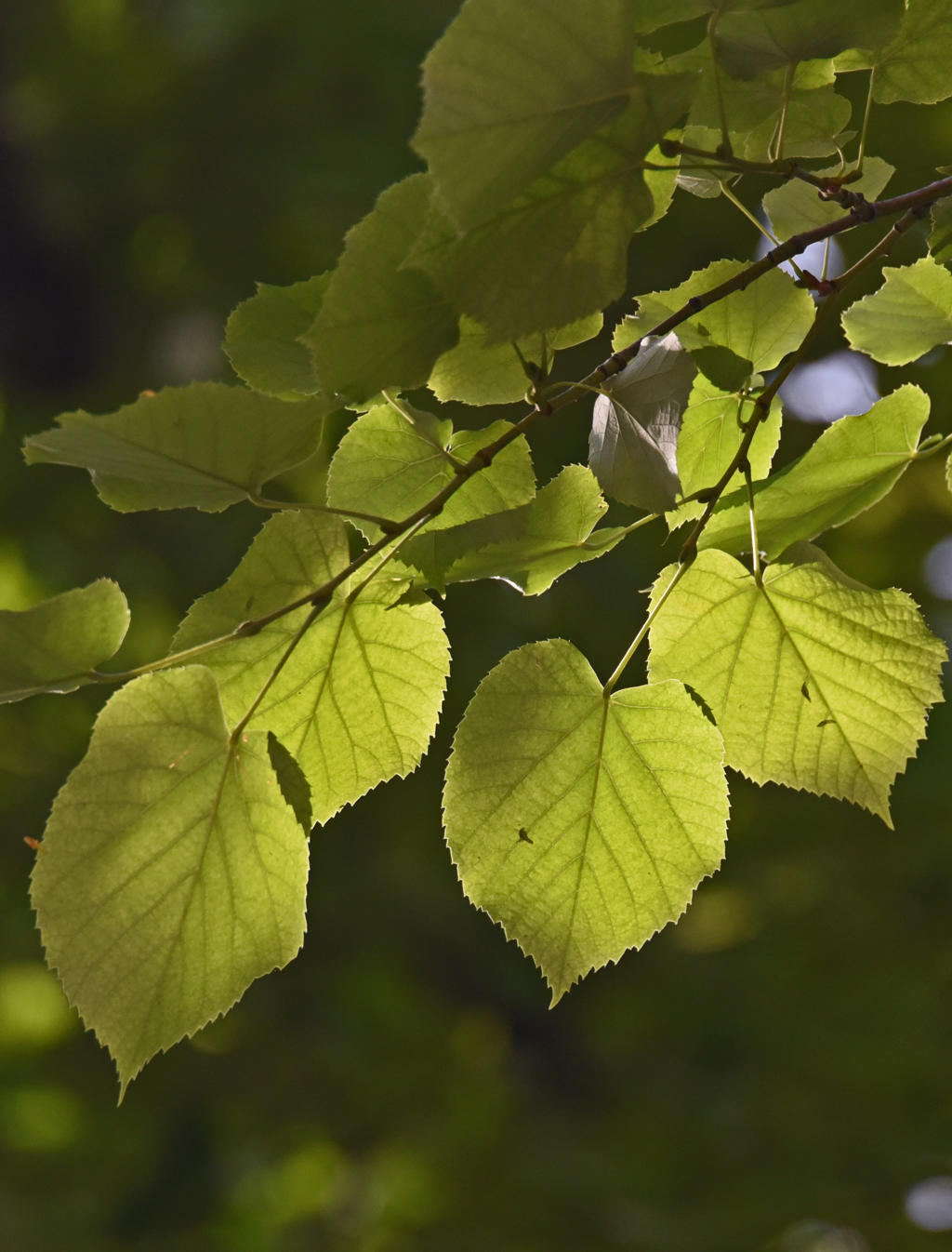
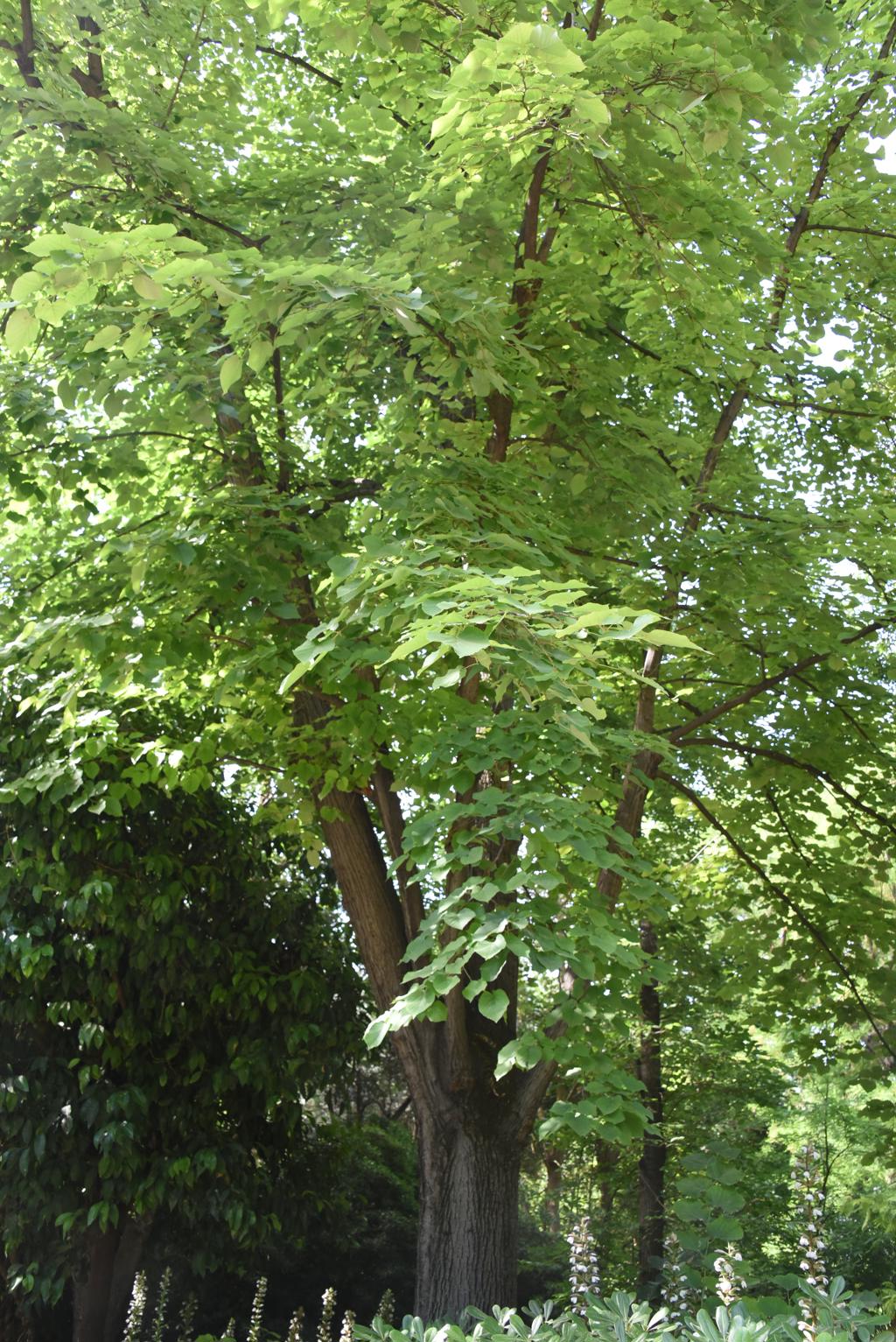
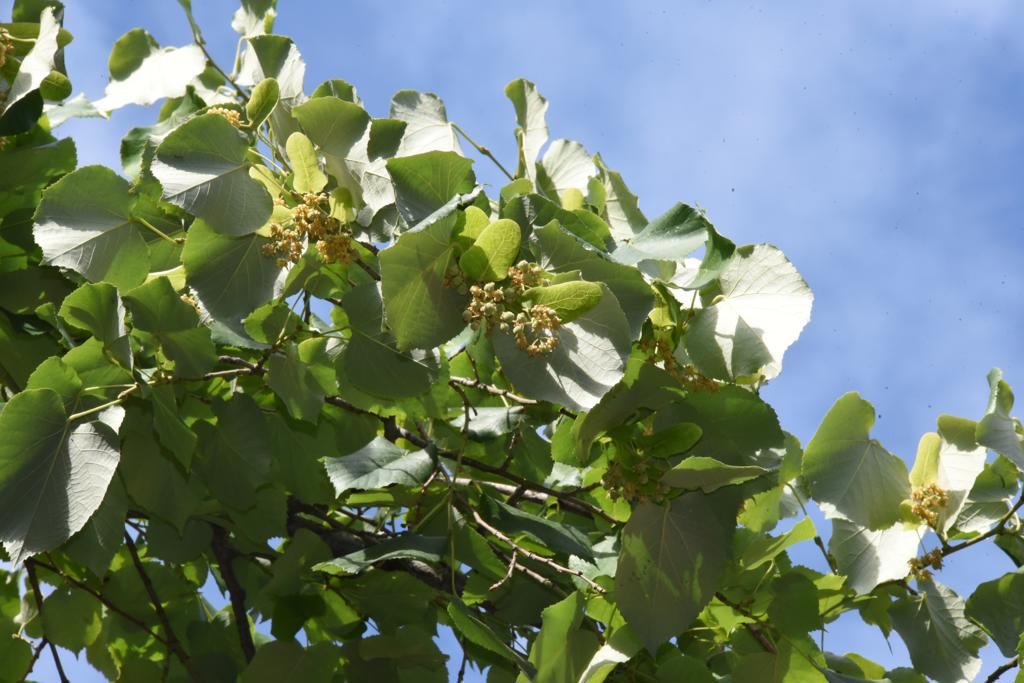
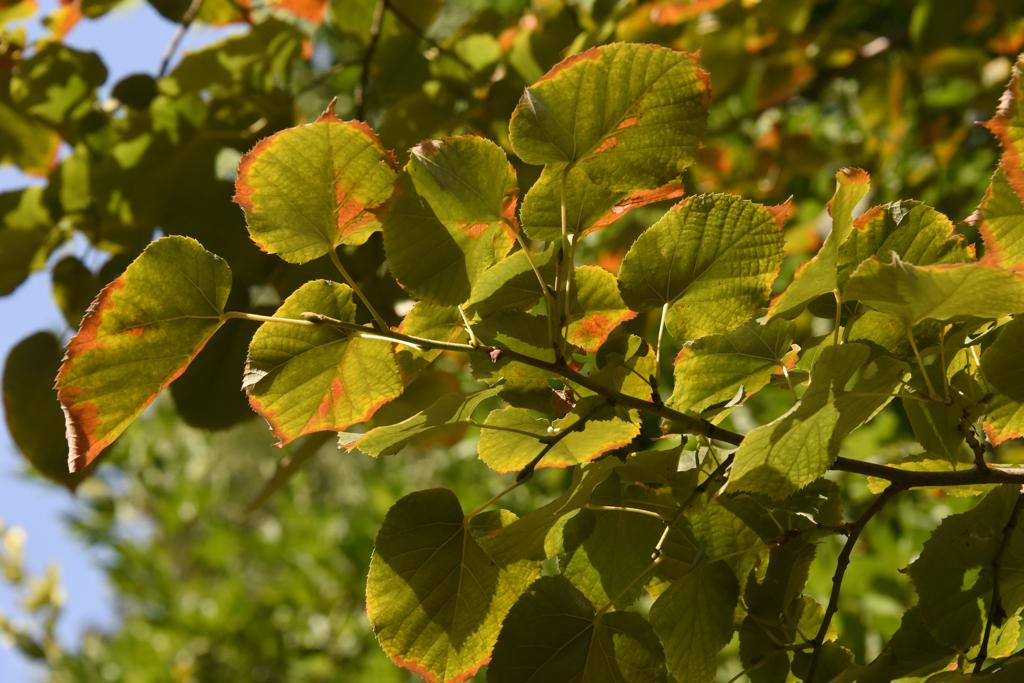
It is a deciduous tree of medium to large size, usually reaching 20 to 35 m in height and up to 2 m in trunk diameter, forming a broad, columnar crown with upright branches. The trunk is robust, while the leaves are alternate, heart-shaped to ovate, 4 to 13 cm long, with an acuminate apex, an asymmetrical base, and a serrated margin. The upper surface is smooth and glossy green, while the underside is covered with tiny white hairs, giving the leaves a characteristic silvery appearance. In autumn, the foliage color turns pale green to yellowish.

(flowering period, flowers, seeds)

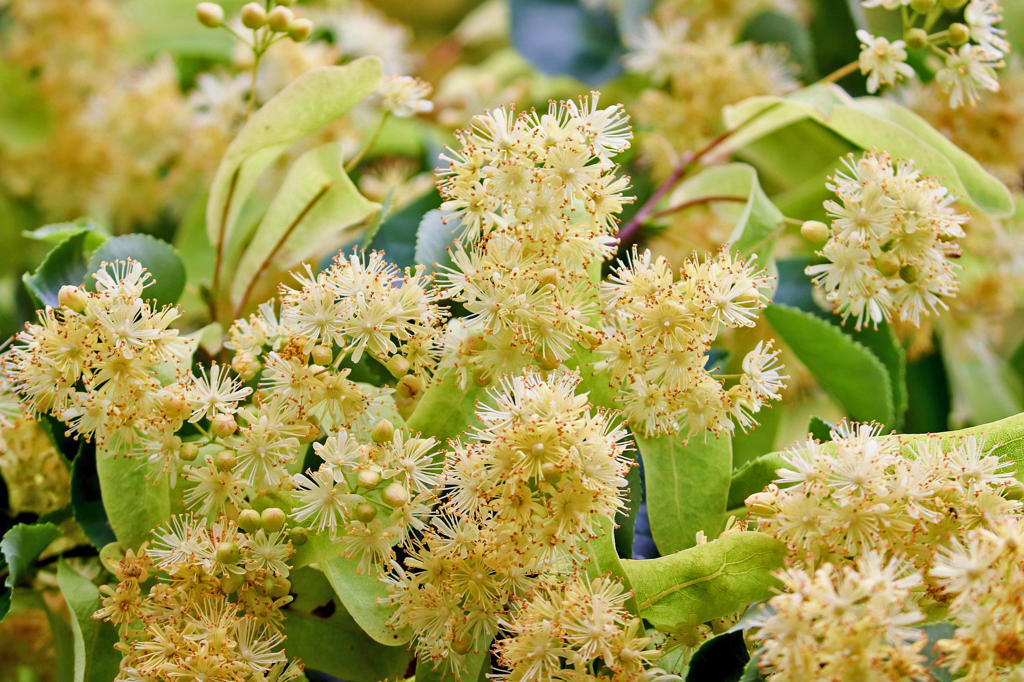
It reproduces with hermaphroditic flowers, which appear in summer in small inflorescences of 6 to 10 flowers, hanging and accompanied by a characteristic leaf-like, bract-shaped blade at the base of the peduncle. The flowers are pale yellow, very fragrant, and particularly attractive to bees, which ensure their pollination. The fruit is a small, dry, nut-like berry, 8 to 10 mm long, slightly hairy and ribbed, ripening in late summer. The seeds are dispersed by wind thanks to the elongated leaf-like bract, facilitating the natural regeneration of the species.

It is distinguished by its bicolored foliage, which, with the movement of the wind, reveals the green upper surface and the silvery-white underside, giving the crown a characteristic brilliance. During flowering, the flowers attract large numbers of bees, resulting in their intense buzzing being perceptible from a great distance. The tree known as “Teiul lui Eminescu” is a 500-year-old linden tree located in the Copou Garden in Iași, Romania. Mihai Eminescu is said to have written some of his finest works beneath this silver linden, making the tree one of the most important natural monuments of Romania and a landmark of Iași.”

The species Tilia tomentosa is well documented both palaeobotanically and in terms of historical and cultural evidence. Palynological data (pollen analysis) from Central and Eastern Europe indicate that the species was part of the natural vegetation during the climatic optimum of the last interglacial period (ca. 130,000–115,000 years BP), demonstrating its presence in the European flora prior to the last glaciation.

The presence of the linden tree in the Greek world is recorded as early as antiquity, where it occupied a distinctive position both in everyday practices and within the realm of mysticism. Herodotus reports that “a man divides the bark of the linden into three strips, then twists them together with his fingers and subsequently unwinds them again; during this act, he utters the oracle.” Beyond its metaphysical dimension, the linden tree was highly valued for its physical properties. Vitruvius, in his analysis of the composition of woods, classified linden among the light yet durable materials, attributing this property to its abundance of “fire and air” and its low content of “earth.” This combination of flexibility and strength rendered it suitable for a wide range of applications, from tools and writing tablets—widely used by the Romans—to specialized supports.

The practical utility of the linden tree extended even to gastronomy, as Pliny the Elder notes that its bark, when mixed with fine flour, could absorb excessive salt from food. At the same time, mythology endowed the tree with a sacred and protective character through the myth of the sea-nymph Philyra. When Cronus approached Philyra with the intention of uniting with her, she became frightened and, in an attempt to avoid the encounter, transformed herself into a linden tree. This transformation was not arbitrary: the linden was known for its lightness, resilience, and flexibility—qualities which, within mythological symbolism, reinforce the notion of physical and psychological protection. Consequently, the linden became symbolically associated with chastity and inner protection, as Philyra was saved from a potentially threatening encounter with Cronus through her transformation into this tree.

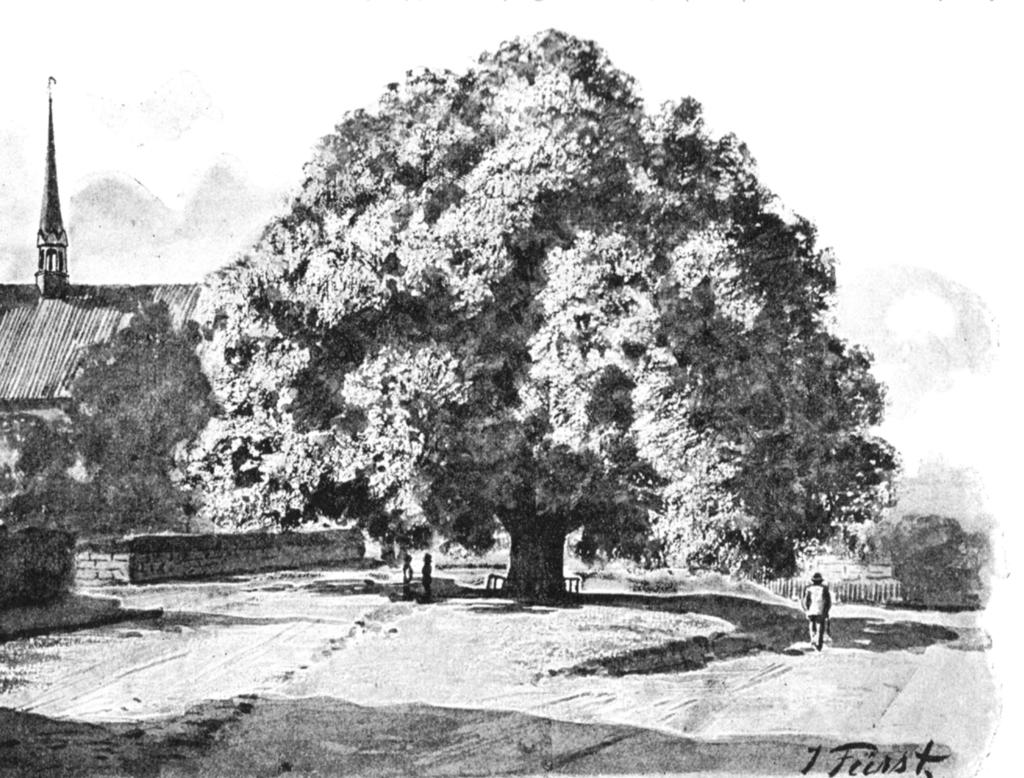
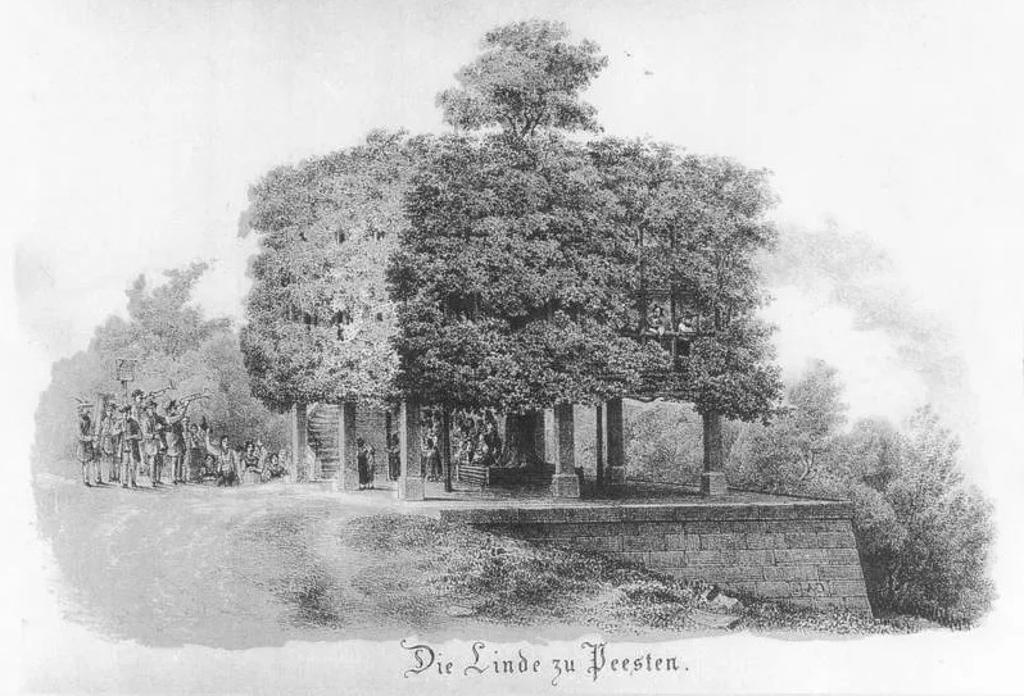
During the Middle Ages, the social significance of the linden tree was further strengthened, as it became a focal point of communal life. It was systematically planted in village squares and monasteries, functioning as the “assembly tree,” beneath which both the faithful and citizens would gather. This trajectory culminated in the 18th and 19th centuries, when the linden tree became firmly established in the urban centres of Central and Western Europe. Through extensive ornamental plantings along boulevards and in public gardens, it was ultimately consolidated as the quintessential shade tree and as a dominant cultural symbol of the European urban landscape.

Pliny the Elder reported that “the linden tree is useful for nearly the same purposes as the wild olive, but its action is milder. However, only its leaves are used, both for sores in infants and for lesions in the mouth; they may be chewed or prepared as a decoction, and they exhibit diuretic properties. When applied topically, they suppress menstruation; when taken as a drink, they help remove extravasated blood.”

In traditional medicine, its leaves and flowers are still used today for therapeutic purposes. Traditionally, the flowers are added to baths for their calming effects and are prepared as herbal infusions to alleviate digestive disorders, tachycardia, and vomiting. In some countries, the leaves are also used in the treatment of the common cold and bronchitis. These pharmacological effects are attributed to the high content of bioactive compounds in the flowers, including flavonoids (such as rutin, quercetin, kaempferol, and their glycosides), phenolic acids, essential oils, polysaccharides, and tannins. The leaves are used to a lesser extent as diaphoretic agents and in traditional remedies, but they also constitute raw material for infusions and extracts, making it important to monitor the accumulation of potentially toxic elements, particularly in urban environments. The roots do not have a clearly established medicinal use; however, they play a significant role in phytoremediation due to their capacity to absorb and translocate trace elements. The seeds are primarily used for propagation and forestry purposes, while the wood is valued for the manufacture of furniture and musical instruments because of its soft and workable texture. Furthermore, the species Tilia tomentosa holds particular ethnobotanical importance as a melliferous plant, owing to its high production of nectar and pollen. It is widely cultivated as an ornamental tree throughout Europe, as it is highly resistant to pollution, heat, and drought, making it especially suitable for urban areas and street planting.

(Note: Ethnobotanical data regarding the medicinal uses of plants must be handled with caution, and their application should be carried out exclusively under medical supervision).

  • https://powo.science.kew.org/taxon/urn:lsid:ipni.org:names:835608-1
  • https://www.iucnredlist.org/species/203362/112807053
  • https://www.missouribotanicalgarden.org/PlantFinder/PlantFinderDetails.aspx?kempercode=a919
  • Aristophanes, “Birds”, 1378
  • Athenaeus, “Deipnosophistae”, 12.76, 15.25
  • Cassius Dio, “Roman History”, 72.8.3
  • Fitsiou, L., Tzakou, O., Hancianu, M., & Poiata, A. (2007). Volatile constituents and antimicrobial activity of Tilia tomentosa Moench and Tilia cordata Miller oils. Journal of Essential Oil Research, 19(2), 183–185. https://doi.org/10.1080/10412905.2007.9699255
  • Haas, H., Krumm, H., & Stoltenberg, F. (1896). Schleswig-Holstein meerumschlungen in Wort und Bild. Lipsius und Tischer.
  • Heinrichs, S., Öder, V., Indreica, A., Bergmeier, E., Leuschner, C., & Walentowski, H. (2021). The influence of Tilia tomentosa Moench on plant species diversity and composition in mesophilic forests of Western Romania – A potential tree species for warming forests in Central Europe? Sustainability, 13(14), 7996. https://doi.org/10.3390/su13147996
  • Herodian, “History of the Empire from Marcus onwards”, 1.17.1
  • Herodotus, “Histories”, 4.67
  • Hyginus, “Fabulae”, 138
  • Hyginus, “Fabulae”, 138
  • Kıvrak, Ş., Göktürk, T., & Kıvrak, İ. (2017). Determination of phenolic composition of Tilia tomentosa flowers using UPLC-ESI-MS/MS. International Journal of Secondary Metabolite, 249–256. https://doi.org/10.21448/ijsm.371721
  • Kupryjanowicz, M., Granoszewski, W., & Fiłoc, M. (2016). New finds of Eemian Tilia tomentosa Moench macroremains in NE Poland, and the reconstructed European range of this species during the last interglacial. Quaternary International, 467, 107–116. https://doi.org/10.1016/j.quaint.2016.07.039
  • Lawler, L. B. (1950). “Limewood” Cinesias and the dithyrambic dance. Transactions and Proceedings of the American Philological Association, 81, 78–88. https://doi.org/10.2307/283344
  • Mitrović, M., Kostić, O., Miletić, Z., Marković, M., Radulović, N., Sekulić, D., Jarić, S., & Pavlović, P. (2023). Bioaccumulation of potentially toxic elements in Tilia tomentosa Moench trees from urban parks and potential health risks from using leaves and flowers for medicinal purposes. Forests, 14(11), 2204. https://doi.org/10.3390/f14112204
  • Ovid, “Fasti”, 5.331
  • Pliny the Elder, “Naturalis Historia”, 24.1.1, 37.48
  • Viola, H., Wolfman, C., De Stein, M., Wasowski, C., Peña, C., Medina, J., & Paladini, A. (1994). Isolation of pharmacologically active benzodiazepine receptor ligands from Tilia tomentosa (Tiliaceae). Journal of Ethnopharmacology, 44(1), 47–53. https://doi.org/10.1016/0378-8741(94)90098-1
    Vitruvius, “De Architectura”, 2.9.9

References in Αrt

Although references to specific subspecies are rarely identified, the genus Tilia (linden) has historically functioned as a powerful artistic locus, imbued with symbolism related to love, emotion, and social cohesion, owing to its characteristically heart-shaped leaves.

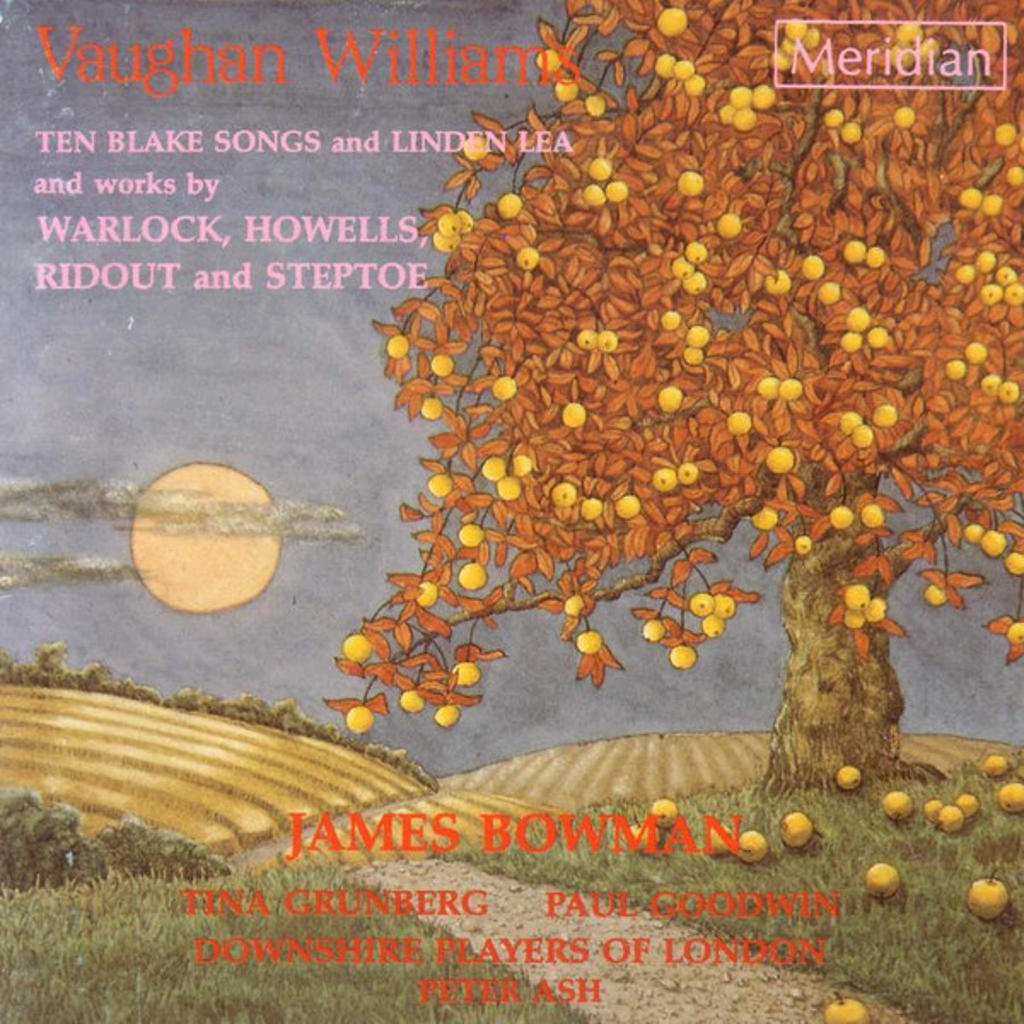
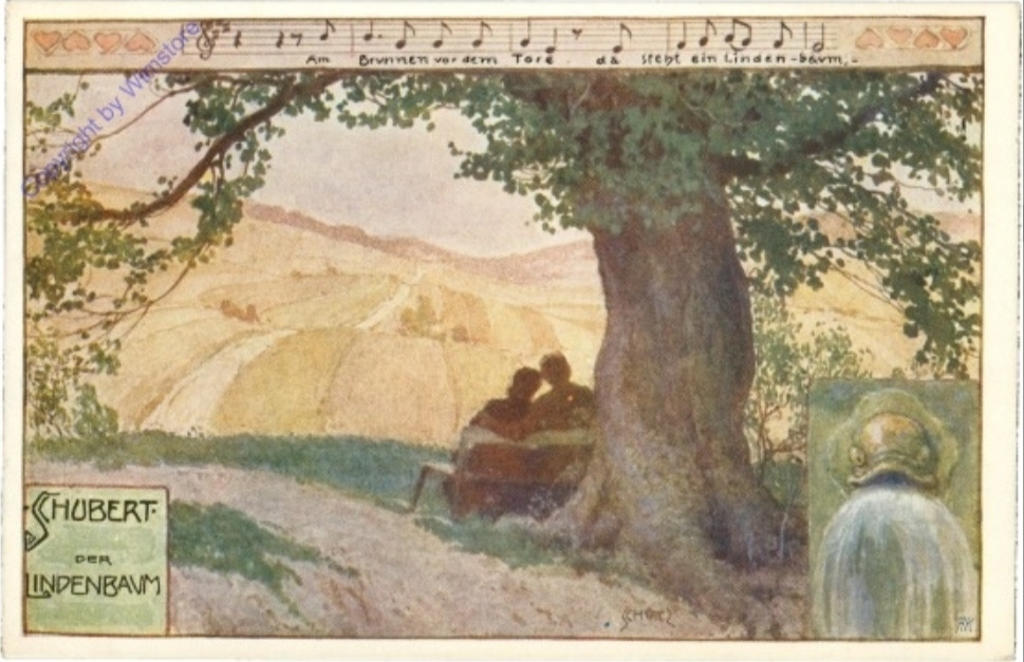
In classical music, the tree is transformed from a place of refuge into an invitation to rest in “Der Lindenbaum” (1827) by the philhellene poet Wilhelm Müller, set to music by Franz Schubert, while Gustav Mahler, in “Ich atmet’ einen linden Duft” (1901), evokes through it the fragile memory of love. In the English tradition, “Linden Lea” (1901) by Ralph Vaughan Williams projects pastoral tranquility, whereas in Eastern Europe Pavel Kulikov composed “The Linden Tree” (1961) for balalaika. At the same time, its wood (basswood) remains a fundamental material in lutherie, particularly in the construction of electric guitars.

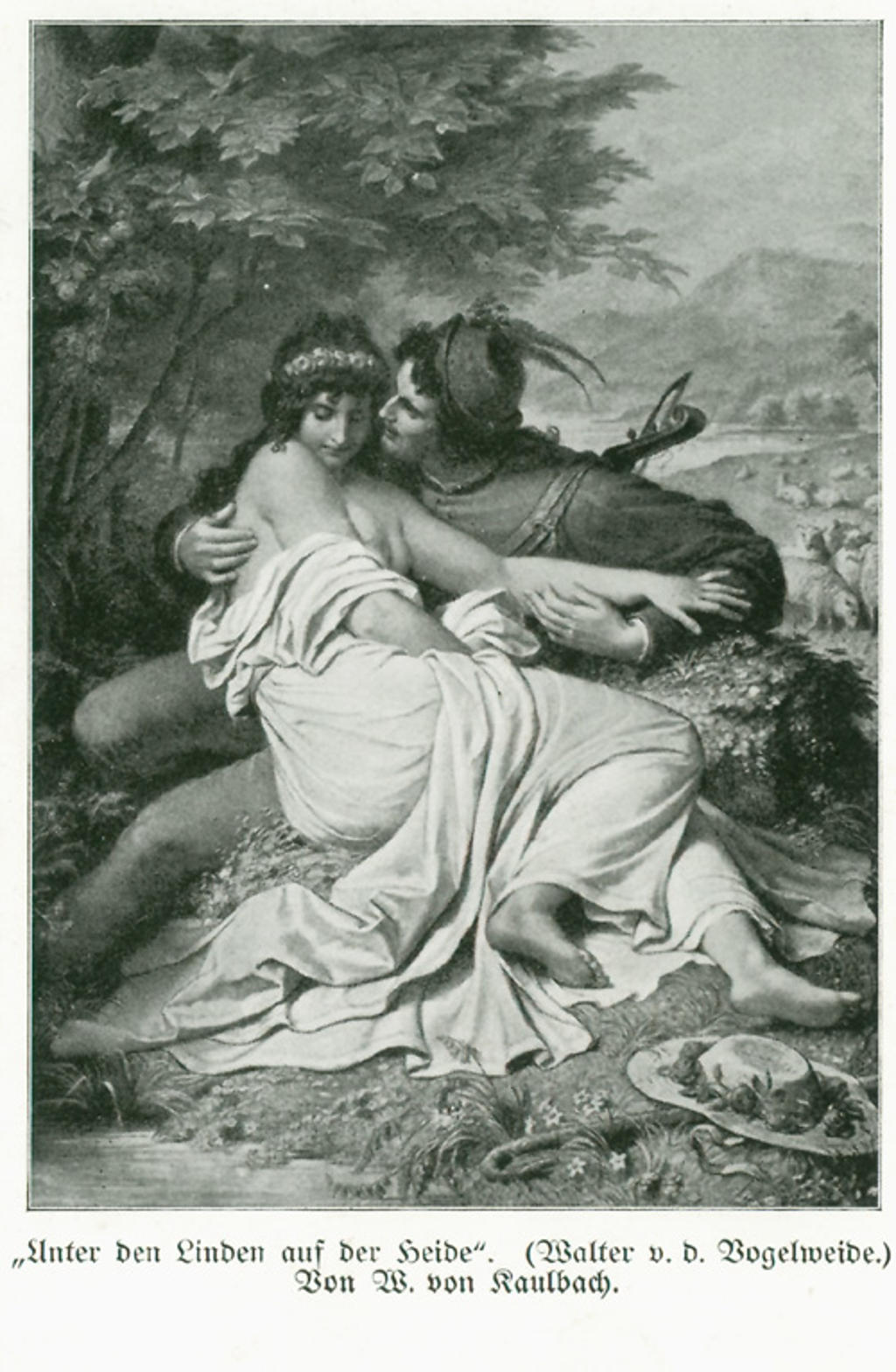
In literature, this trajectory begins with the medieval “Under der linden” by Walther von der Vogelweide, which depicts an encounter between a maiden and a knight beneath a linden tree and established the linden as the “tree of lovers.” Indeed, its heart-shaped leaves predispose it toward associations with love and emotion. In poetry, “Hohenlinden” by Thomas Campbell commemorates the homonymous battle (1800) in the region of the “high linden,” while in prose, the tale “Die drei Linden” (1912) by Hermann Hesse endows the tree with mythic dimensions of devotion, inspired by the story of Damon and Pythias. In theatre, the postwar play “The Linden Tree” (1947) by J. B. Priestley employs it as a symbol of moral integrity in a changing world.

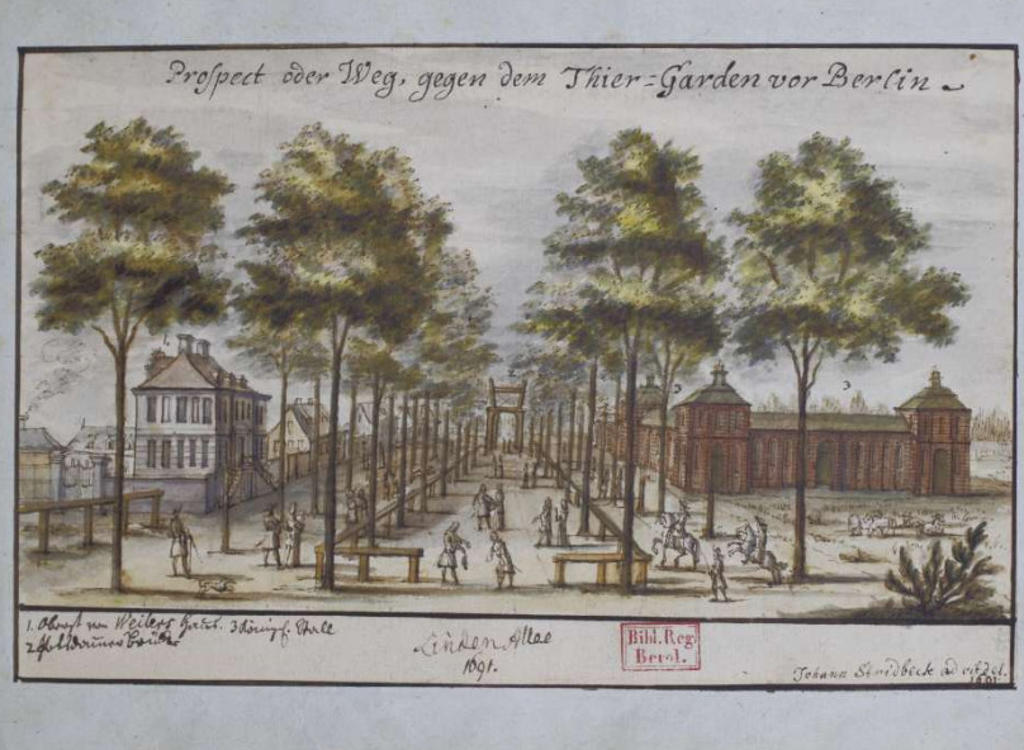
In the visual arts, the sculptor Tilman Riemenschneider highlighted the natural texture of linden wood in his intricate altarpieces, while genre painting immortalized the Tanzlinde (“dance linden”) and the Gerichtslinde (“judicial linden”) as focal points of communal life. Finally, its cultural significance is inscribed in the urban fabric of Berlin through the boulevard Unter den Linden, where the first linden trees are believed to have been planted in 1690, and the iconic Staatsoper Unter den Linden, thus linking historical tradition with architectural heritage.