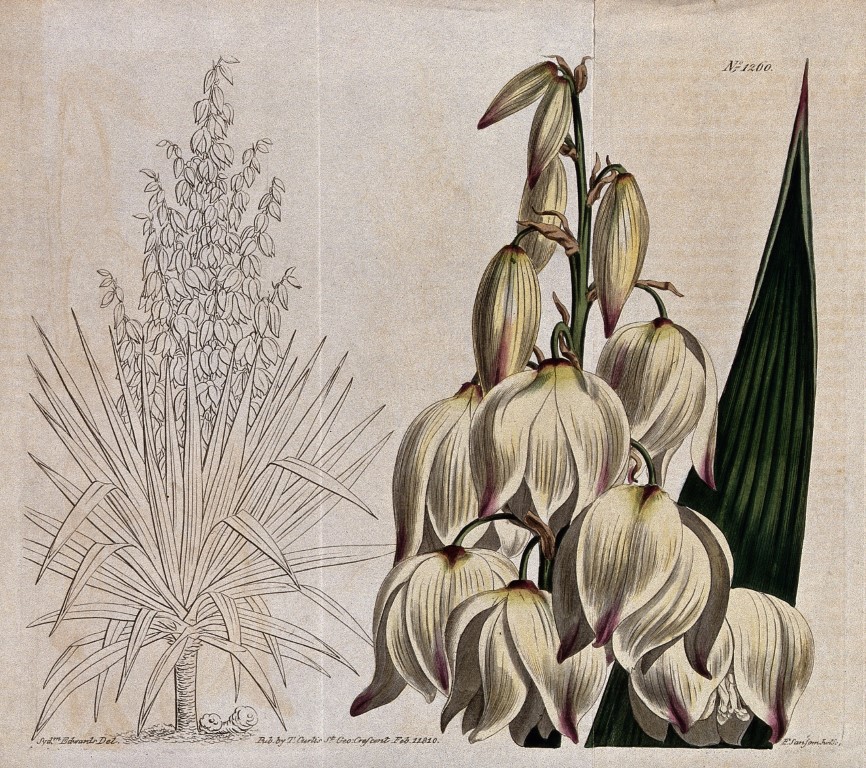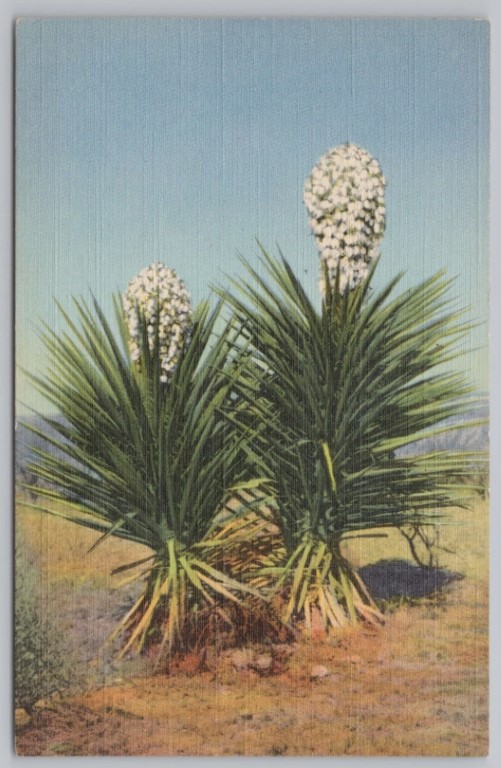


A species characteristic of the coastal ecosystems of the southeastern United States, where it is primarily found on beaches and sand dunes. It is a xerophytic and halophytic plant that thrives in exposed, sandy soil with high drainage and low organic matter. It often grows at low elevations, near the intertidal zone, where wind, salinity, and erosion create extreme growth conditions. It is an important component of dune vegetation, contributing to sand stabilization and the formation of microhabitats for insects and small animals.
(height, leaf arrangement, leaf shape, root system)
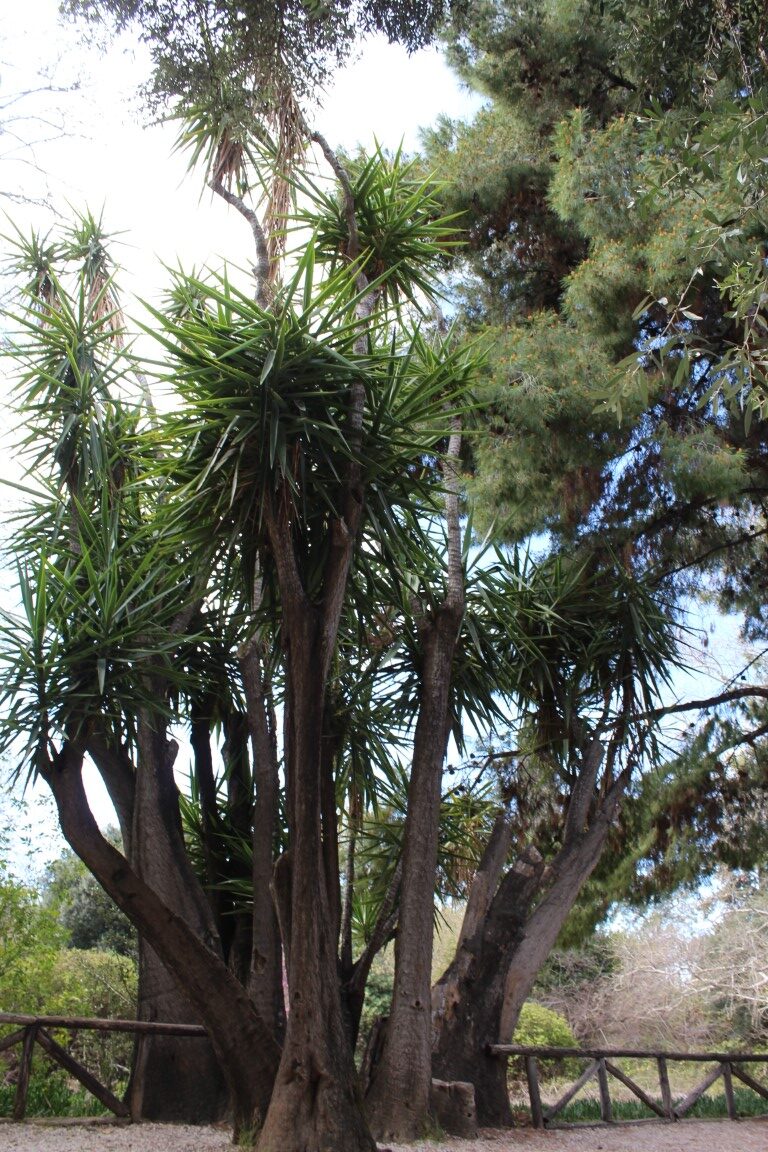
An evergreen, perennial shrub reaching heights of 2.5–3 meters (occasionally exceeding 3 meters) and a width of 2–2.5 meters. It has a thick, succulent stem, which may be unbranched or branched, often with multiple stems arising from the base. In mature shrubs, the base of the stem thickens noticeably. The shoots are initially green and fleshy, but with age they become woody, acquiring a brown to bronze-green hue. The leaves form dense rosettes at the tips of each shoot and are simple, linear–lanceolate, stiff, and leathery, measuring 30–90 cm in length and 2–6 cm in width. They are deep green to glaucous-green in color, with entire margins (sometimes slightly toothed near the apex) ending in a sharp brown spine. The margins may have yellowish or brown edges, adding ornamental value. Due to the formidable, sword-like appearance of its foliage, the species is commonly referred to by the epithet “Spanish Dagger”. The roots are thick, succulent, and shallow, adapted for water storage and survival in dry, sandy coastal environments. The overall plant form is full and symmetrical, with the crown formed by the leaf rosettes, creating the species’ characteristic sword-like canopy.
(flowering period, flowers, seeds)
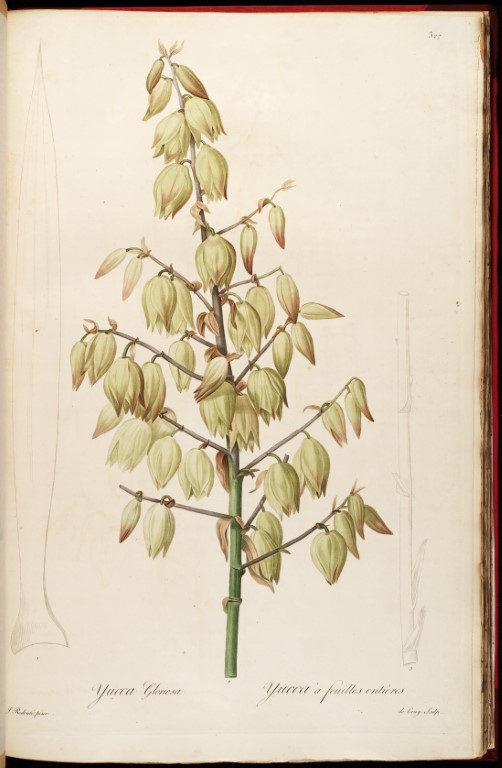
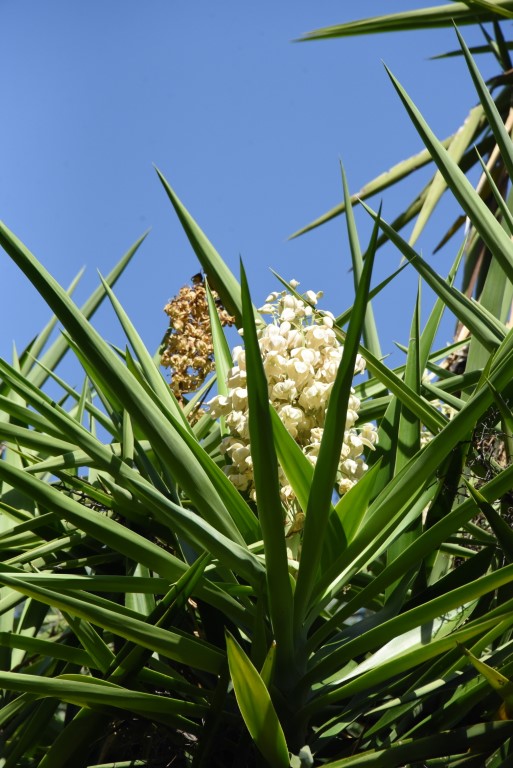
It reproduces both sexually, through seeds, and asexually, via rhizomes and vegetative cuttings. It is a plant that flowers sporadically, mainly after periods of rainfall or following hot summers, which favor the development of the inflorescence. The inflorescences are large, upright spikes up to 2.5 meters long, rising above the leaf rosette and bearing numerous bell-shaped flowers, white or off-white, often with reddish or purplish tinges. The flowers are large (10–15 cm), fragrant, and pendulous, forming striking clusters that bloom from spring through autumn. Pollination in its natural habitat occurs exclusively by the nocturnal moth Tegeticula yuccasella. In areas where this insect is absent, fruit and seed production is extremely rare, and artificial pollination is required to achieve it. The fruit is an elongated, leathery capsule up to 8–10 cm long, with six lobes, ripening in autumn and winter. The seeds are black, hard, and flat.
Its impressive inflorescence can reach up to 2.5 meters in height and bear hundreds of white, bell-shaped flowers. These flowers are edible—they can be eaten raw or cooked and have a mild flavor reminiscent of asparagus.
The genus Yucca represents an ancient lineage that emerged millions of years ago within the arid regions of North America, likely as early as the Miocene epoch (approx. 23–5.3 Ma). Its evolutionary trajectory is characterized by a remarkable instance of obligate mutualism and coevolution with specialized pollinators, specifically the yucca moths (Prodoxidae). In this symbiotic relationship, the female moths actively collect pollen and deliberately transfer it to the stigmas of conspecific flowers, ensuring pollination. Simultaneously, they oviposit within the floral ovaries, where the larvae subsequently consume a fraction of the developing seeds. This interaction exemplifies a high degree of reciprocal dependency, as both the plant and the insect rely exclusively on each other for reproductive success.
While the genus itself is ancient, certain species such as Yucca gloriosa have emerged more recently through intersectional hybrid speciation, indicating an ongoing evolutionary process. Contemporary distribution of the genus—comprising approximately 50 species—is centered in the arid and semi-arid zones of North and Central America, with significant biodiversity hotspots in Mexico and the Southwestern United States. Species like Y. gloriosa are also indigenous to the Southeastern Atlantic coast of the U.S. The dispersal of the genus is attributed to both natural mechanisms, such as specialized biotic pollination, and anthropogenic factors, as various species have been naturalized globally for ornamental and commercial purposes.
“The etymology of the genus Yucca reflects a distinct historical and linguistic trajectory, originating from a systematic misinterpretation by early European explorers. The term is derived from the word yuca of the Taíno language (indigenous to the Caribbean), which originally referred to the starchy rhizome of the cassava (Manihot esculenta), the source of tapioca. Morphological similarities between the rhizomes led to a botanical conflation, resulting in Linnaeus’s formal adoption of the name Yucca for this genus of xerophytic, sword-leaved plants within the Asparagaceae family. In modern scientific and culinary nomenclature, a strict distinction is maintained between “Yuca” (single ‘c’), pertaining to the edible cassava, and “Yucca” (double ‘c’), designating the ornamental and medicinal genus discussed herein.
Yucca is cultivated globally as an ornamental species in parks, gardens, and urban green spaces, particularly within warm temperate and subtropical climates. Its widespread appeal is attributed to its distinct architectural form and remarkable resilience to environmental stressors, including prolonged drought, heavy snowfall, and extreme frost (withstanding temperatures as low as −20°C). Consequently, it is a staple in xeriscaping (water-conserving landscape design), where it is utilized to impart an exotic or tropical aesthetic to arid environments.
Ethnobotanical Significance and Traditional Uses Historically, Indigenous North American populations, particularly in regions such as the Mojave Desert, practiced holistic utilization of the plant. The high-tensile leaf fibers were extracted for the manufacture of textiles, cordage, basketry, and mats. Furthermore, the rhizomes, characterized by a high concentration of saponins, served as a natural surfactant (soap substitute) and a primary source of medicinal compounds Nutritional and Dietary Applications. The plant offered a versatile nutritional resource; the fruits, flowers, and emerging floral stalks are edible and can be consumed either raw or cooked. The flowers are frequently utilized as a condiment, while the roots can be desiccated and ground into a functional flour. Additionally, the fruit is noted for its mild laxative properties. Traditional processing often involved harvesting the seeds, blossoms, and young shoots, which were subsequently roasted in earthen pits with heated stones—a method that facilitated long-term storage and preservation.
Pharmacological Potential and Modern Applications In the modern era, Yucca has gained prominence in the pharmaceutical industry, notably in the Crimea and Caucasus regions, where it is utilized for the commercial production of corticosteroid precursors derived from its bioactive root constituents. Contemporary phytochemical research further corroborates that Yucca species contain a complex profile of steroidal glycosides and saponins. these compounds exhibit potent antifungal activity—specifically against pathogens such as Candida and Aspergillus spp.—suggesting significant potential for future integrated pharmacological and commercial applications.
(Note: Ethnobotanical data regarding the medicinal uses of plants must be handled with caution, and their application should be carried out exclusively under medical supervision).
- https://www.iucnredlist.org/species/117427984/117470062
- https://powo.science.kew.org/taxon/urn:lsid:ipni.org:names:325010-2
- https://plants.ces.ncsu.edu/plants/yucca-gloriosa/
- https://tropical.theferns.info/viewtropical.php?id=Yucca+gloriosa
- Bassarello, C., Bifulco, G., Montoro, P., Skhirtladze, A., Benidze, M., Kemertelidze, E., Pizza, C., & Piacente, S. (2007). Yucca gloriosa: A source of phenolic derivatives with strong antioxidant activity. Journal of Agricultural and Food Chemistry, 55(16), 6636–6642. https://doi.org/10.1021/jf071131n
- Favel, A., Kemertelidze, E., Benidze, M., Fallague, K., & Regli, P. (2005). Antifungal activity of steroidal glycosides from Yucca gloriosa L. Phytotherapy Research, 19(2), 158–161. https://doi.org/10.1002/ptr.1644
- Louderback, L. A., Pavlik, B. M., & Spurling, A. M. (2023). Ethnographic and archaeological evidence corroborating Yucca as a food source, Mojave Desert, USA. Journal of Ethnobiology, 43(1), 18–31. https://doi.org/10.1177/02780771231171439
- Nakano, K., Matsuda, E., Tsurumi, K., Yamasaki, T., Murakami, K., Takaishi, Y., & Tomimatsu, T. (1988). The steroidal glycosides of the flowers of Yucca gloriosa. Phytochemistry, 27(10), 3235–3239. https://doi.org/10.1016/0031-9422(88)80033-5
- Patil, D. A., & Pai, R. M. (2006). The floral anatomy of Yucca gloriosa L. (Agavaceae) with a note on taxonomic position of the genus. Journal of Phytological Research, 19(2), 209–214.
- Redouté, P. J. (1812). Les liliacées: Vol. 6 (F. de Laroche, Ed.). Plate 327 [Yucca gloriosa;]. Paris.
- Rentsch, J. D., & Leebens-Mack, J. (2012). Homoploid hybrid origin of Yucca gloriosa: Intersectional hybrid speciation in Yucca (Agavoideae, Asparagaceae). Ecology and Evolution, 2(9), 2213–2222. https://doi.org/10.1002/ece3.328
- Skhirtladze, A., Plaza, A., Montoro, P., Benidze, M., Kemertelidze, E., Pizza, C., & Piacente, S. (2006). Furostanol saponins from Yucca gloriosa L. rhizomes. Biochemical Systematics and Ecology, 34(11), 809–814. https://doi.org/10.1016/j.bse.2006.04.008
During each season you will see:
SPRING
Dense foliage,
new leaves, onset of flowering.
SUMMER
Leaves, full flowering,
beginning of fruit formation
(in areas where the pollinator is present)
AUTUMN
Leaves, fruit
(in areas where the pollinator is present)
WINTER
Leaves
References in Αrt
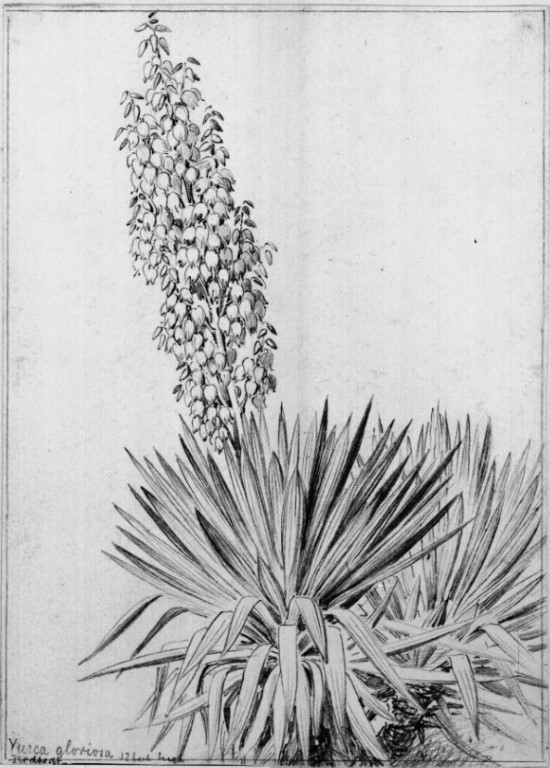
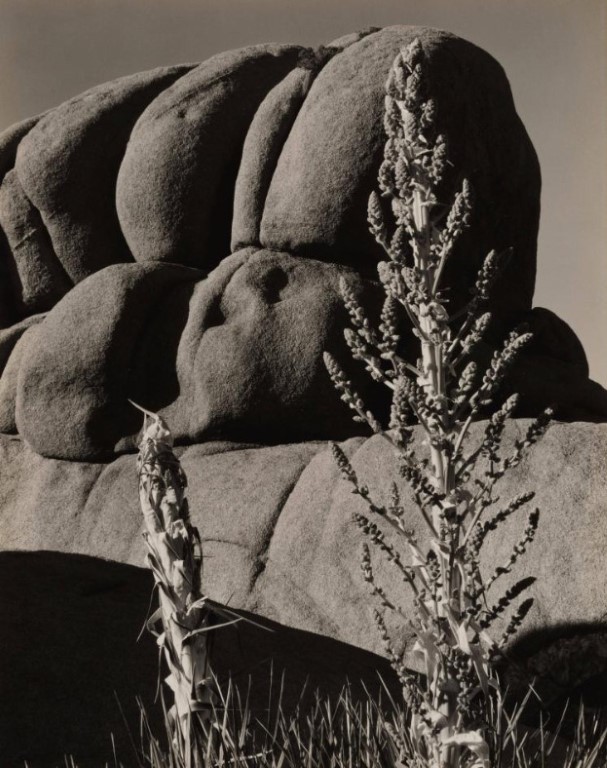
The plant is depicted in a pencil work by the British painter and illustrator Edward William Cooke (1811–1880) titled “Yucca gloriosa 12 feet high”, housed at The Huntington Museum in the USA. It is also represented in botanical illustrations, photographs, and other visual depictions produced in recent years.