
It is characterized as a “Phanerophyte (P)”, and its habitat is “Woodlands and scrub (W).” It develops in dry, warm Mediterranean ecosystems, often on hills, slopes, and coastal areas. It frequently forms pure or mixed forests with Aleppo pine (Pinus halepensis), kermes oak (Quercus coccifera), strawberry tree (Arbutus unedo), and other sclerophyllous Mediterranean species. It is drought-resistant, with fire-resistant cones that allow it to successfully colonize dry and burned areas. The forests formed by the species fall under the habitat type of Directive 92/43/EEC: “Mediterranean pine forests with endemic Mediterranean pine species (9540).”
(height, leaf arrangement, leaf shape, root system)
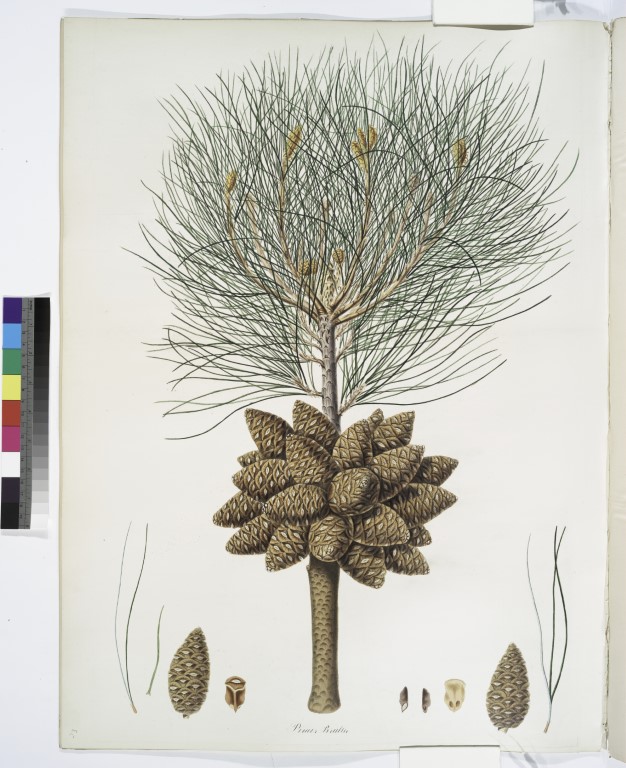
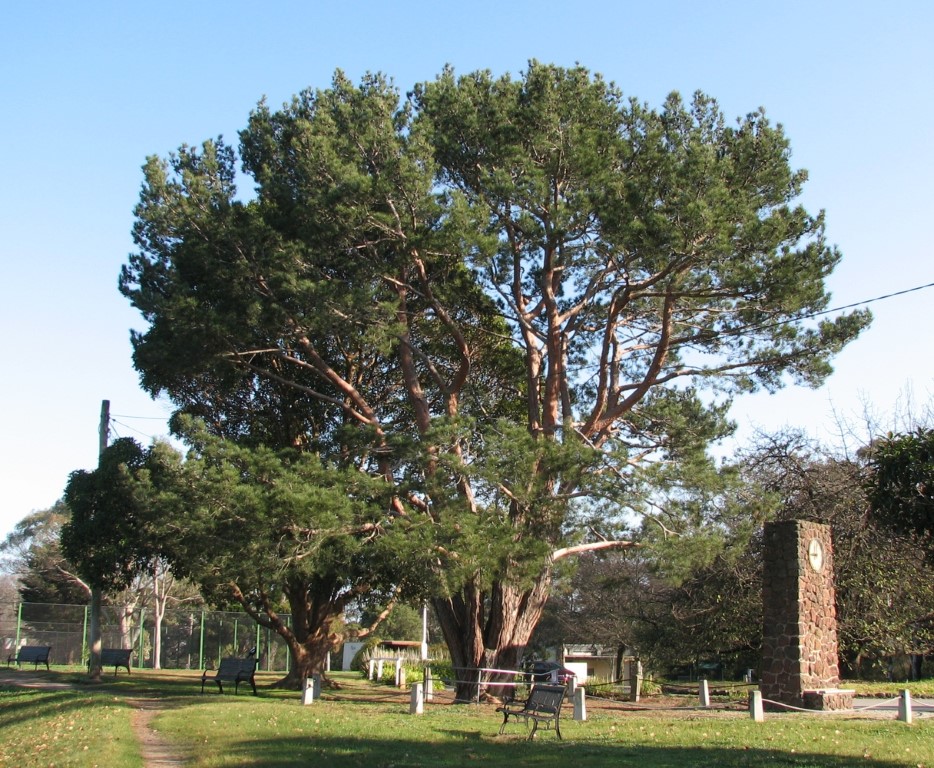
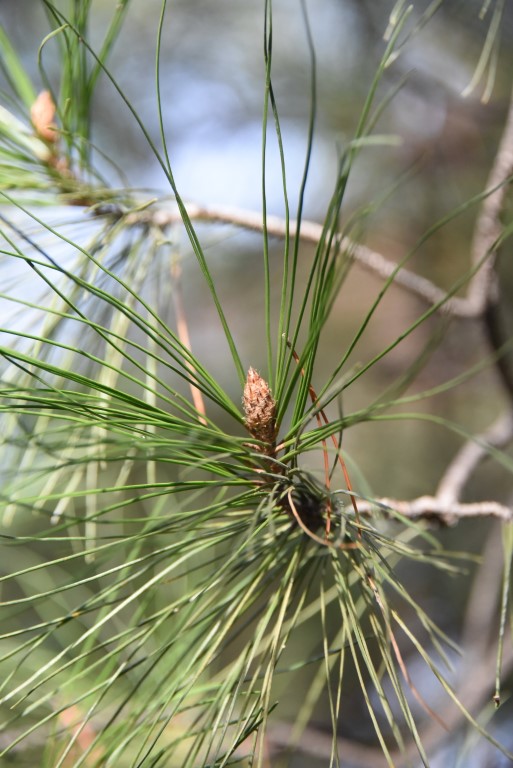
It is an evergreen tree with a height usually reaching 20–30 m, although under favorable conditions it can exceed 35 m. Its trunk is relatively straight, with a diameter of up to 1 m. In young trees, the bark is thin, orange-reddish, and peeling, while in mature trees it becomes thick, reddish-brown, with deep longitudinal fissures and plates. The crown is conical in young trees and, with age, becomes broader and irregular in shape with open branches. The root system starts as a taproot that develops strong branching, providing significant stability. The leaves are needle-like, hard, and rough to the touch, arranged in bundles of two (rarely three), 12–22 cm long, dark green to yellowish-green, with toothed margins and a spiral arrangement.
(flowering period, flowers, seeds)
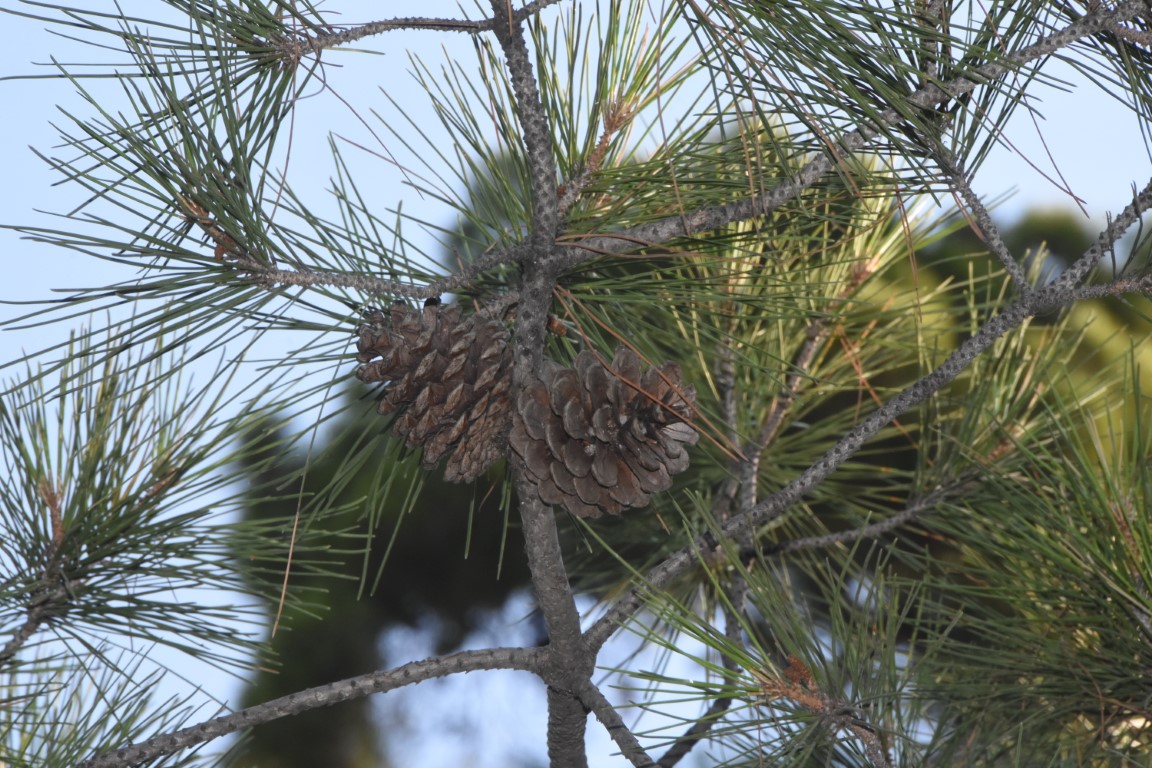
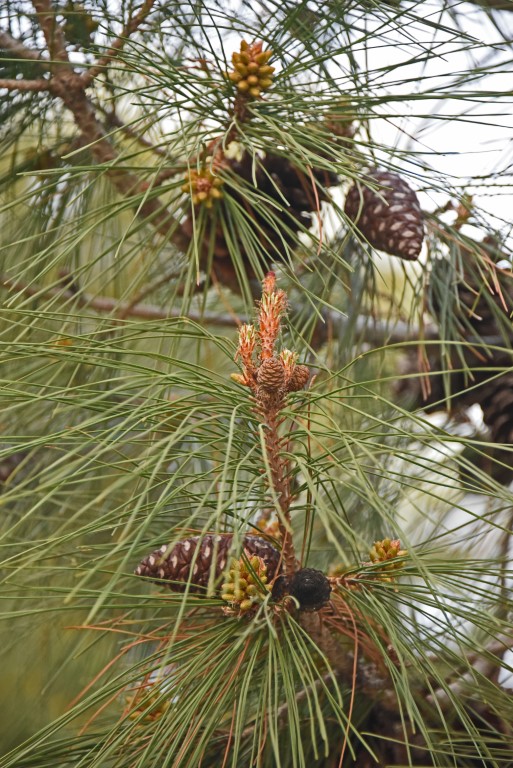
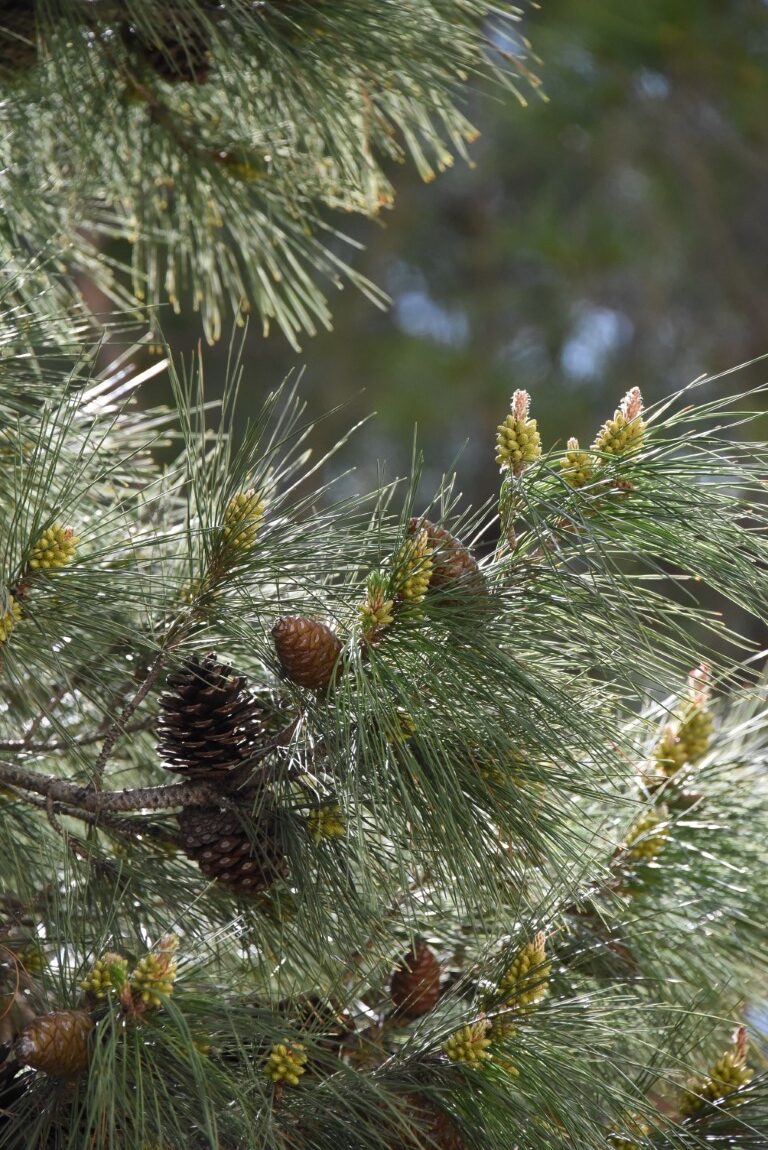
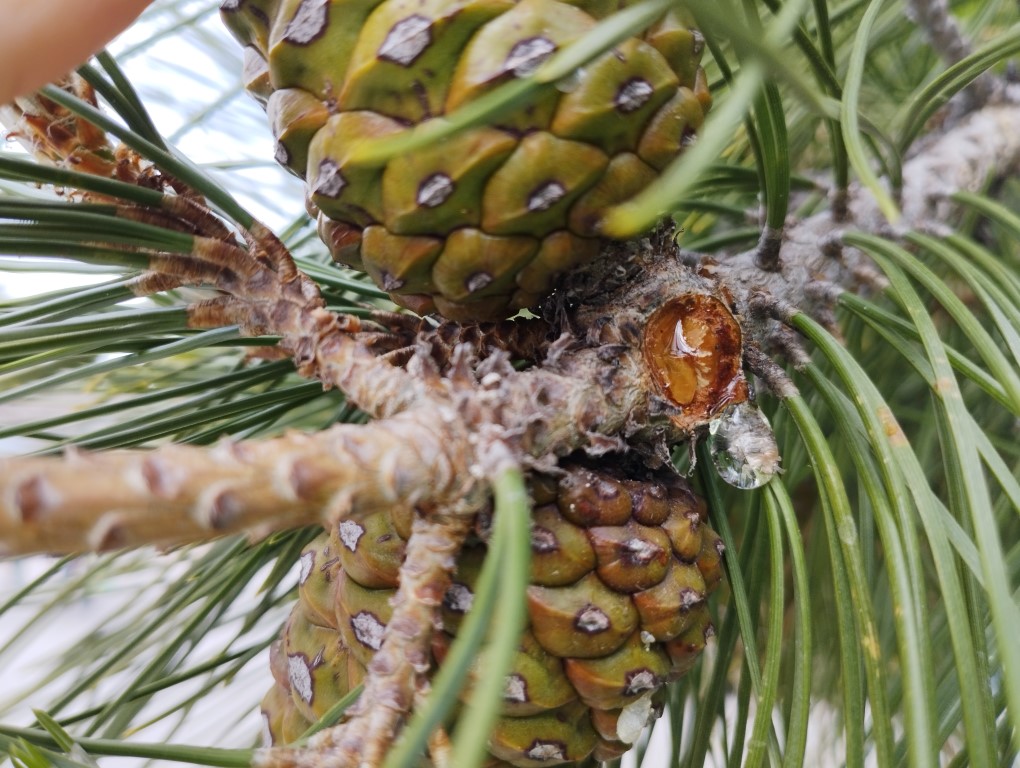
It is a monoecious tree with unisexual flowers, which appear in spring, mainly in April and May. The male flowers form yellowish catkins, considerably larger than those of the Aleppo pine, while the female flowers are dark red cones, smaller in size, initially upright and drooping after pollination. The cones are ovate to acuminate, sessile, 5–12 cm long and usually appear in pairs or threes in clusters. Initially green, they mature in the third spring after flowering, acquiring a glossy reddish-brown color. They open in the summer or up to two years later, with open cones often remaining on the branches. The seeds are grayish-brown, larger and with a harder shell than those of Aleppo pine, about 7–8 mm long, bearing a broad wing 15–20 mm in length that primarily facilitates wind dispersal, although in some cases birds, such as Krüper’s nuthatch (Sitta krueperi), also aid in dispersal. The species reproduces through its seeds.
It has been shown that the female cones of the Calabrian pine (Pinus brutia) can be fertilized by the pollen of the Aleppo pine (Pinus halepensis), producing hybrids. For this reason, in the past, the Calabrian pine was considered a variety or subspecies of the Aleppo pine. Today, the species is treated as distinct.
The evolutionary history of Mediterranean pines is linked to ancient ancestors that emerged during the Late Jurassic or Early Cretaceous (163–145 million years ago) in the northwestern Tethys region. Over geological time, these species diversified and dispersed throughout the Mediterranean, forming contemporary coastal and insular pine populations. Paleoecological studies of pollen from sediments in southwestern Turkey indicate that the species became dynamically established in certain areas after the 18th century, displacing other vegetation types—a phenomenon primarily attributed to shifts in climatic conditions, particularly precipitation distribution. Furthermore, the germination of Pinus brutia seeds depends on adaptive strategies tailored to the climate of their provenance, with $20°C$ identified as the optimal temperature for development.
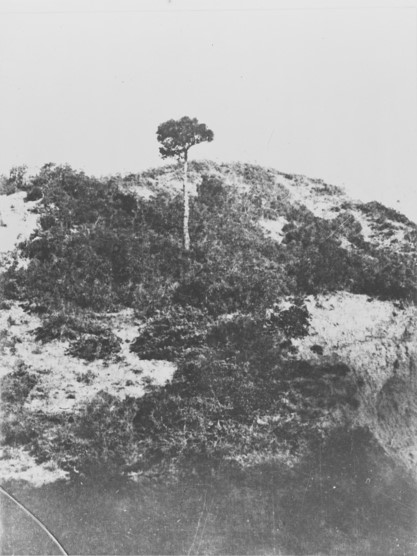
In antiquity, the East Mediterranean pine was known to the Ancient Greeks as “pitys” (from petannymi or pit-no, meaning to spread or extend), although surviving texts often do not distinguish between Pinus brutia and Pinus halepensis. It is referenced by both Theophrastus and Pliny. The specific epithet “brutia” in the plant’s Latin name refers to the Bruttium region of Calabria, where forests of this species have existed since they were planted during the Roman era. During the Battle of Lone Pine, fought in Gallipoli in August 1915 between the Australian and New Zealand Army Corps (ANZAC) and the Ottoman Empire, the presence of a solitary Pinus brutia specimen was documented. From this tree, Sergeant T. McDowell collected a cone; its seeds were subsequently transported to Australia and planted, producing progeny that serve as symbolic memorials for the fallen.
The original “Lone Pine” was the sole survivor of a stand of pines previously felled by Ottoman soldiers to provide timber and brushwood for covering their trenches. This isolated tree was later used as a sighting marker and was ultimately destroyed entirely during the course of the conflict.
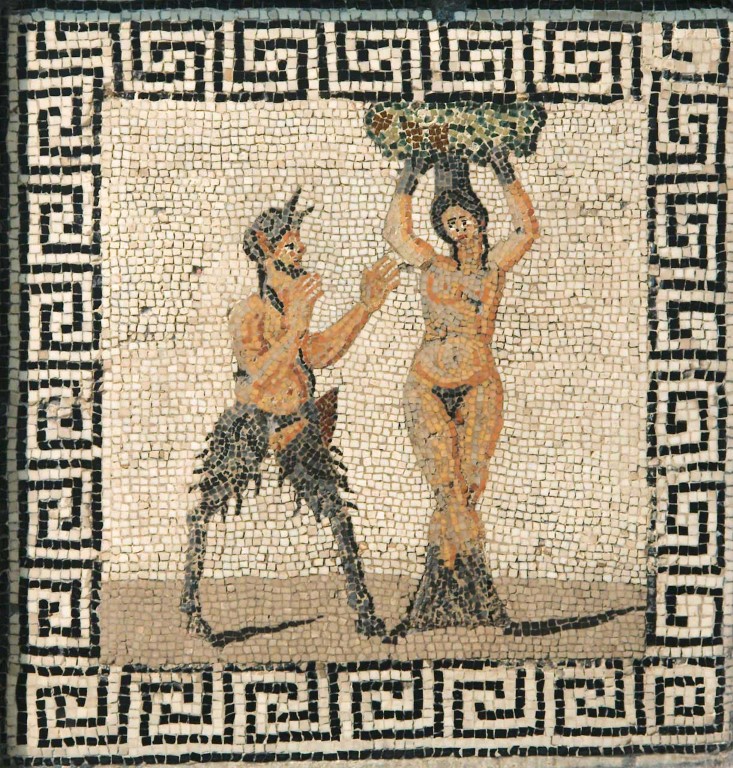
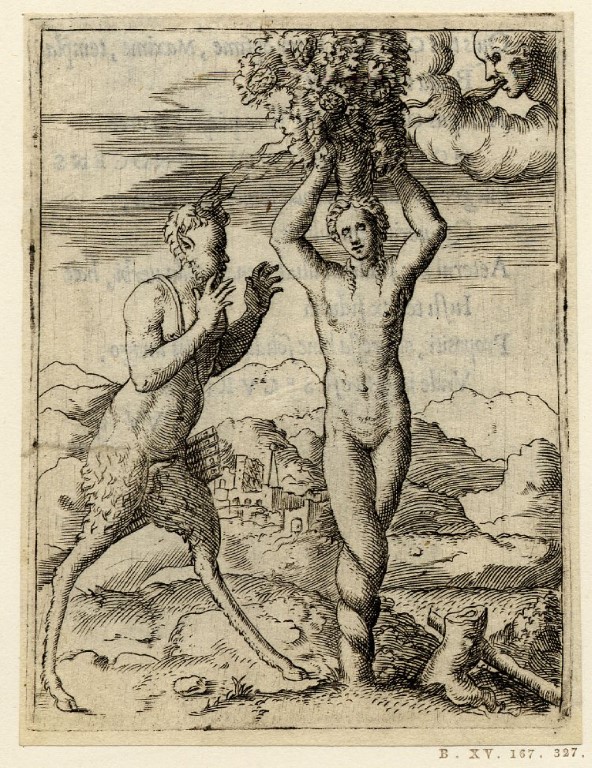
Pliny the Elder provides detailed morphological descriptions, noting the thin, elongated, hair-like leaves of the pine. The tree was sacred to Rhea, symbolizing a link between the celestial and terrestrial realms. In mythology, Pitys was an Oread nymph pursued by both Pan and Boreas (the North Wind). According to Nonnus of Panopolis, Boreas, in a fit of jealous rage after being rejected, cast her from a cliff. Pan then transformed her into a pine tree. It is said that when the North Wind blows, Pitys “weeps” tears of amber in remembrance of her trauma.
General Observations on the Pine in Antiquity
Pliny provides detailed information on the morphological characteristics of the pine, noting its slender, elongated leaves, almost hair-like, without strictly distinguishing between species. The pine was the favored tree of Rhea, symbolizing a link between the celestial and terrestrial worlds. Pitys is also mentioned as an Oread nymph pursued by both Pan and Boreas (the North Wind). As narrated by Nonnus of Panopolis, Boreas chased her to take her from Pan; Pitys resisted, and he cast her from a cliff. Pan then transformed her into a robust tree. To this day, when the north wind blows, Pitys remembering the pain caused by Boreas, “weeps” tears of amber.
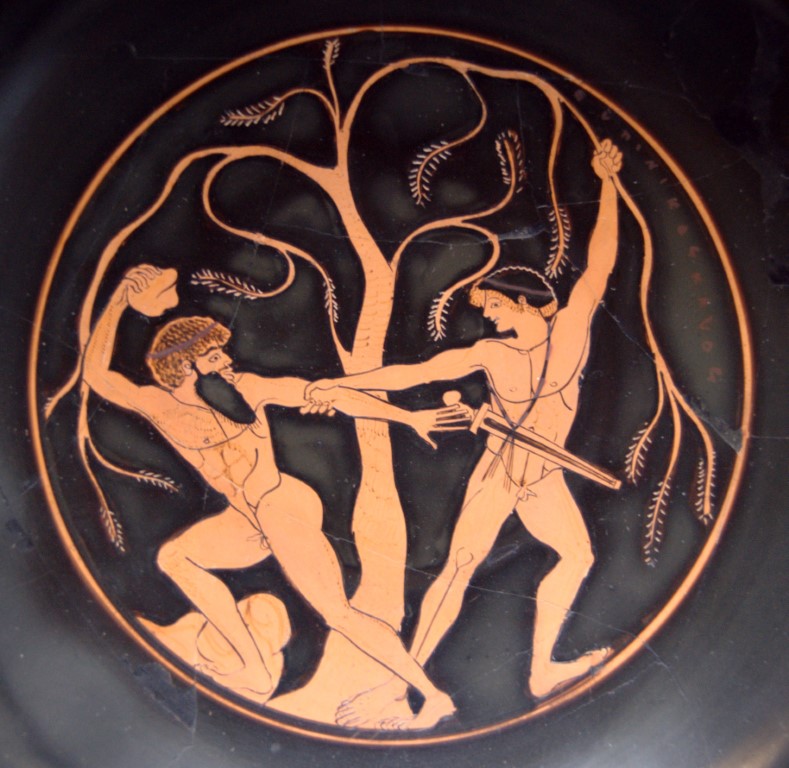
The tree is ubiquitous throughout the Greek world. Strabo refers to the island of Chios as Pityoussa (Πιτυοῦσσα) due to the abundance of pines in its northern part, a name also shared by Lampsacus, Chios and Salamis. He similarly uses the term Pityoussae (Πιτυοῦσσαι) for the islands of Ibiza and Formentera in Spain. The region of the Isthmus of Corinth was renowned for its pines; Plutarch notes that the “Isthmian pine” was famous for the construction of triremes. He adds that pine resin provided absolute waterproofing for vessels, which is why the tree was dedicated to Poseidon. At the Isthmus, the Panhellenic Isthmian Games were held in honor of Poseidon, where the victors were awarded a crown (or branch) of pine. Pausanias describes that the pines there reach the shoreline and recounts a local legend: the brigand Sinis, known as Pityokamptes (Πιτυοκάμπτης-the Pine-Bender), lived in this area. Sinis would capture travelers and tie them to two opposite pine branches he had bent downward. Upon releasing them, the victim’s body would be torn apart. This bandit was eventually slain by Theseus in the same manner (by the very pine Pausanias encountered!).
In Euripides tragedy Medea, the nurse, soliloquizing outside the palace of Corinth, despairs at the moment the timber of Mount Pelion was converted into shipbuilding material. She wishes that “the pines in the glens of Pelion had never been felled to provide oars for the hands of the Argonauts”, as this act was the root cause of the tragedy; had the Argo never been built, Medea would never have fled her homeland, consumed by her passion for Jason. Apollodorus also refers to the Pelion pine used for the Argonautic expedition. Furthermore, the Centaurs of Pelion are depicted attacking Heracles with entire uprooted pines (Diodorus). Outside the Greek mainland, the pine was equally widespread; Odysseus informs King Alcinous that the courtyard of the Cyclops Polyphemus’ cave (likely located in modern NE Sicily) was filled with oaks and pines.
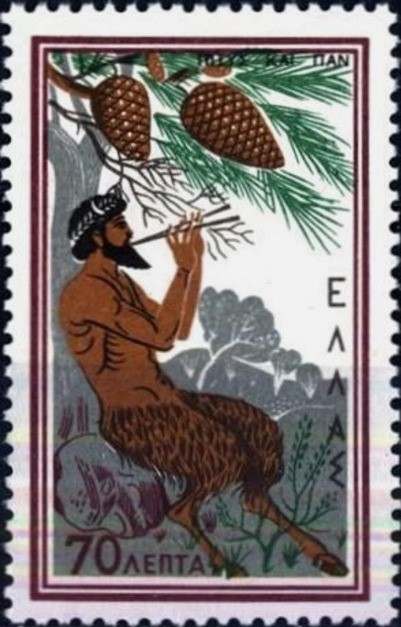
The pine was a sacred tree and a symbol of Dionysus, as mentioned by Plato. The thyrsus (θύρσος), the staff carried by the Maenads, was topped with a pine cone as an emblem. Plutarch notes that wine originating from “pine-clad regions-πιτυώδη χωρία” was particularly “sweet-tasting-ἡδύοινος” (hedyoinos). The “pitched wine – ὁ πισσίτης οἶνος” (pissites oinos) was highly esteemed by the Romans, while in Euboea and the Po Valley, the addition of resin as a flavoring agent is described. The Stoic philosopher Cornutus explains that Pan was crowned with pine because he dwelt in caves and mountains, forever linking the tree with mountain and forest deities. Another prominent myth connects the pine to Attis. According to Ovid, Attis was a beautiful Phrygian youth loved by Cybele (the Magna Mater). She dedicated him to her service, demanding eternal chastity. When Attis broke his vow to marry a nymph, Cybele drove him into a divine frenzy, leading him to self-mutilate under a pine tree. After his death, Cybele declared the pine sacred as a monument to Attis, its evergreen nature symbolizing his eternity and immortality. This event is tied to the “Ides of March”. During the late Imperial period, the Ides marked the beginning of a “holy week” honoring Cybele and Attis. On March 22nd, the ceremony of “Arbor intrat” (The Tree enters) commemorated Attis’ death. A priestly college known as the “dendrophoroi “(tree-bearers) would cut down a pine annually, hang an image of Attis from it, and carry it to the Temple of the Great Mother amidst ritual lamentations.
It constitutes an exceptionally significant species in Turkey and Cyprus, where it is extensively cultivated for timber and resin production, as well as for reforestation, soil conservation, and windbreaks. Its timber is utilized in construction, industrial wood products, carpentry, pulpwood, and fuelwood; concurrently, it is employed as an ornamental tree in the landscaping of arid and semi-arid regions. Of particular importance is its resin, which in Greece is traditionally used in the production of retsina (resinated wine), whereas in Turkey it is utilized in folk remedies for gastrointestinal disorders, coughs, and dermatological conditions. Equally noteworthy is its contribution to apiculture; the scale insect Marchalina hellenica, which parasitizes the pine, secretes honeydew that is collected by honeybees and converted into pine honey, a product of high nutritional and medicinal value.
In traditional medicine, various parts of the plant, such as the needles, bark, and cones, are employed to treat respiratory ailments—particularly asthma—as well as dermatological issues and irritations of the eyes, throat, and ears. Extracts from the bark and other vegetative tissues are rich in phenolic compounds and flavonoids (e.g., catechin, resveratrol), which exhibit potent antioxidant activity. Consequently, these are utilized both in traditional phytotherapy and the modern dietary supplement industry, as bark extracts possess a biochemical composition similar to the commercial antioxidant extract “pycnogenol”. Furthermore, studies have demonstrated that extracts of this species exhibit anti-inflammatory, antioxidant, and potential anticarcinogenic activities, reinforcing its significance as a natural source of bioactive substances.
Its resins (both liquid and dry)—most notably the renowned “Colophonian resin” originating from the region of Colophon in Asia Minor—were utilized in the preparation of syrups for chronic pulmonary diseases. Concurrently, liquid pitch emerged as a “panacea” of the era; it was employed as an antidote to toxins, an anti-inflammatory agent for the throat and ears, and a potent antiseptic for treating reptilian bites, ulcers, cutaneous herpes, and infections such as carbuncles or sepsis.
(Note: Ethnobotanical data regarding the medicinal uses of plants must be handled with caution, and their application should be carried out exclusively under medical supervision).
- https://powo.science.kew.org/taxon/urn:lsid:ipni.org:names:677009-1
- https://conifers.org/pi/Pinus_brutia.php
- Aeneas Tacticus, “Poliorketika”, 35
- Apollodorus, “The Library”, 3.12.6
- Bauman, E. (1993). Greek flora in myth, art, and literature (P. Brousalēs, Trans.; 2nd ed.). Athens: Hellenic Society for the Protection of Nature. ISBN 9780008423506.
- Biltekin, D., Schwamborn, G., Eriş, K. K., Acar, D., Ekberzade, B., Hashemi, Z., Yakupoğlu, N., Mohammadi, A., & Yetemen, Ö. (2022). A history of Pistacia lentiscus and Pinus brutia trees and their ecological changes in the Güllük Bay (Muğla, SW Turkey) during the last 400 years. Turkish Journal of Earth Sciences, 31(5), 438–451. https://doi.org/10.55730/1300-0985.1812
- Busse, M. & Busse, V. (2011). Unpublished letters of Queen Amalia to her father, 1836-1853 (2 Vols.). Estia.
- Chammam, A., Fillaudeau, L., Romdhane, M., & Bouajila, J. (2024). Comparative analysis of Pinus halepensis, Pinus brutia, and Pinus pinea extracts: Chemical composition and in vitro bioactivities (Version 1) [Preprint]. Research Square. https://doi.org/10.21203/rs.3.rs-3822629/v1
- Chammam, A., Romdhane, M., Fillaudeau, L., & Bouajila, J. (2024). Phytochemical composition and characterization of in vitro bioactivities from Pinus using green process. Molecules, 29(22), 5295. https://doi.org/10.3390/molecules29225295
- Cornutus, “On the Nature of the Gods and Greek Religion”, 50
- Cretu, E., Karonen, M., Salminen, J. P., Mircea, C., Trifan, A., Charalambous, C., Constantinou, A. I., & Miron, A. (2013). In vitro study on the antioxidant activity of a polyphenol-rich extract from Pinus brutia bark and its fractions. Journal of Medicinal Food, 16(11), 953–961. https://doi.org/10.1089/jmf.2013.0050
- Dimopoulos, P., Raus, T., Bergmeier, E., Constantinidis, T., Iatrou, G., Kokkini, S., Strid, A., & Tzanoudakis, D. (2013). Vascular plants of Greece: An annotated checklist. Botanic Garden and Botanical Museum Berlin-Dahlem; Hellenic Botanical Society. https://doi.org/10.3372/en.31
- Diodorus Siculus, “Library of History”, 4.12.5
- Dioscorides, “On Medical Matters (De Materia Medica)”, LXXXVII, XCIV, XCII
- Euripides, “Bacchae”, 99-120
- Euripides, “Medea”, 1-10
- Fisher, J. T., Neumann, R. W., & Mexal, J. G. (1986). Performance of Pinus halepensis/brutia group pines in southern New Mexico. Forest Ecology and Management, 16(1-4), 403–410. https://doi.org/10.1016/0378-1127(86)90036-8
- Frankis, M. (1999). 367. Pinus brutia: Pinaceae. Curtis’s Botanical Magazine, 16(3), 173–184. https://doi.org/10.1111/1467-8748.00220
- Frankis, M. (1999). 367. Pinus brutia: Pinaceae. Curtis’s Botanical Magazine, 16(3), 173–184. https://doi.org/10.1111/1467-8748.00220
- Gounari, S. (2006). Studies on the phenology of Marchalina hellenica (gen.) (Hemiptera: Coccoidea, Margarodidae) in relation to honeydew flow. Journal of Apicultural Research, 45(1), 8–12. https://doi.org/10.1080/00218839.2006.11101306
- Homer, “Odyssey”, i, 186
- Houminer, N., Riov, J., Moshelion, M., Osem, Y., & David-Schwartz, R. (2022). Comparison of morphological and physiological traits between Pinus brutia, Pinus halepensis, and their vigorous F1 hybrids. Forests, 13(9), 1477. https://doi.org/10.3390/f13091477
- Kaundun, S. S., Fady, B., & Lebreton, P. (1997). Genetic differences between Pinus halepensis, Pinus brutia and Pinus eldarica based on needle flavonoids. Biochemical Systematics and Ecology, 25(6), 553–562. https://doi.org/10.1016/S0305-1978(97)00041-5
- Klaus, W. (1989). Mediterranean pines and their history. Plant Systematics and Evolution, 162(1–4), 133–163. https://doi.org/10.1007/BF00936915
- Lambert, A. B. (1803–1824). A description of the genus Pinus: Illustrated with figures, directions relative to the cultivation, and remarks on the uses of the several species. J. White.
- Lancellotti, M. G. (2002). Attis, between myth and history: King, priest, and god. Brill.
- Mommsen, T. (Ed.). (1893). Corpus Inscriptionum Latinarum: Fasti anni Juliani (2nd ed., Vol. 1, Part 1, pp. 256–278). Georg Reimer. (Original work published 354).
- Ne’eman, G., Goubitz, S., & Nathan, R. (2004). Reproductive traits of Pinus halepensis in the light of fire – a critical review. Plant Ecology, 171(1/2), 69–79. https://doi.org/10.1023/B:VEGE.0000029380.04821.99
- Nicander, “Alexipharmaca”, 300
- Nonnus, “Dionysiaca”, ii 108
- Ovid, “Fasti”, IV, 221-246
- Ovid, “Metamorphoses”, 10.86
- Pantelas, V. 1986. The Forests of Brutia Pine in Cyprus. Options Méditerranéennes: Série Etudes, pp. 43–46.
- Pausanias, “Description of Greece”, 1.4, 2 1.3,
- Plato, “Phaedrus”, 69
- Pliny the Elder, “Natural History”, 16.16.2, 23.74
- Plutarch, “Moralia, Table Talk Books I & V”
- Ross, L. (1863). Erinnerungen und Mittheilungen aus Griechenland [Memories and communications from Greece]. Gaertner.
- Singh, L., Dixit, P., Srivastava, R. P., Pandey, S., Verma, P. C., & Saxena, G. (2019). Ethnobotany and pharmacology of Pinus species growing naturally in Indian Himalayas: A plant review. Current Pharmaceutical Biotechnology, 20(15), 1281–1287. https://doi.org/10.2174/1389201020666191024170054
- Skordilis, A., & Thanos, C. A. (1995). Seed stratification and germination strategy in the Mediterranean pines Pinus brutia and P. halepensis. Seed Science Research, 5(3), 151–160. https://doi.org/10.1017/S0960258500002774
- Stefi, A. (2018). The effect of electromagnetic radiation on model biological systems [Doctoral dissertation, National and Kapodistrian University of Athens]. NKUA.
- Strabo, “Geography”, 3.5.1, 9.1.4, 9.1.9, 13.1.18
- Virgil, “Georgics”, 2.420
During each season you will see:
SPRING
Leaves, male yellow catkins,
female dark-red cones,
last year’s cones still unripe.
SUMMER
Leaves, young cones (1st- and 2nd-year),
mature cones opening and releasing seeds.
AUTUMN
Leaves, young developing cones (green),
mature cones open on the branches,
older woody cones.
WINTER
Leaves, closed young cones (1st–2nd year),
dry and open mature cones.
References in Αrt
“Theseus killing Sinis”, “the Maenads and Dionysus with the thyrsus”, and “Pan with Pitys” are themes depicted on numerous vessels from the Archaic and Classical periods, as well as in Roman statues and mosaics. Edward Calvert’s 1850 painting “Pan and Pithys” and the 18th-century mosaic “Pan e la ninfa Pitys” illustrate Pitys’ attempt to evade Pan. The pine tree, as a plant, has inspired painters such as Van Gogh (“Pine Trees against an Evening Sky”, “Pine Trees with Figure in the Garden of Saint-Paul Hospital”) and Henri Matisse (“The Large Pine”).