

The genus Bambusa develops optimally in tropical and subtropical climates, in locations with deep, fertile, moist soils and humid conditions. It is found on riverbanks, in tropical and subtropical forests, and in open areas. The ideal temperature range for its growth is between 20°C and 30°C, though it shows resilience to lower temperatures that may reach -3°C.
(height, leaf arrangement, leaf shape, root system)
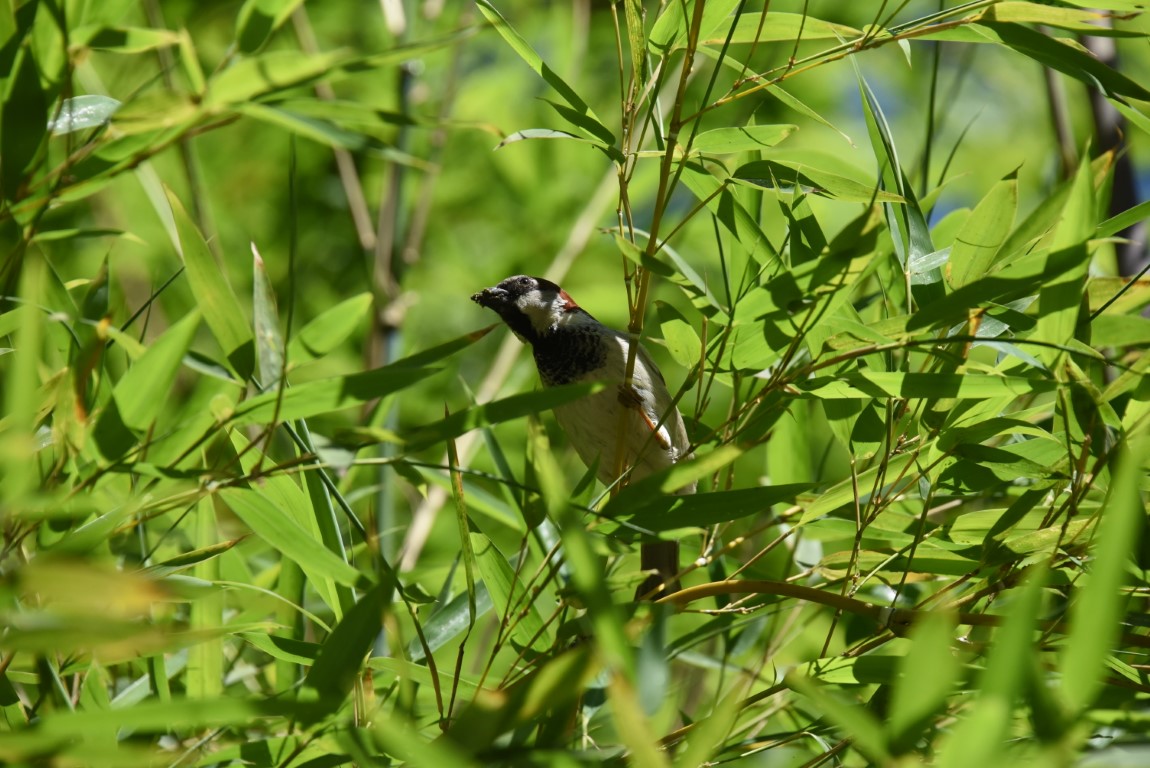
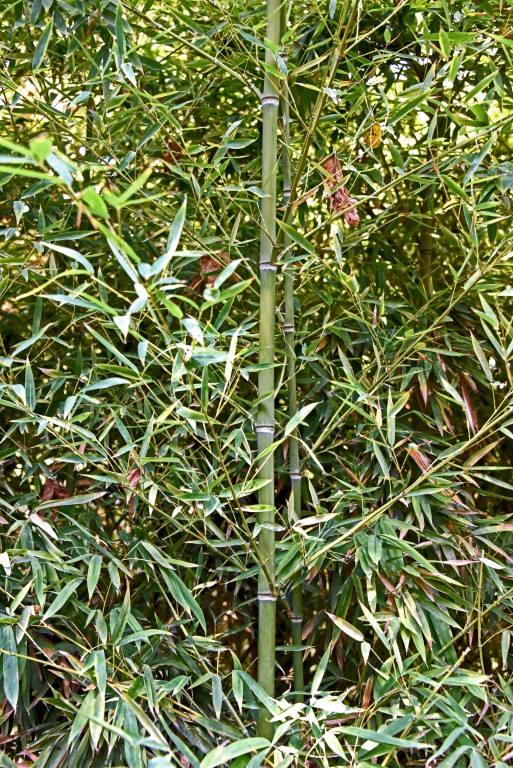
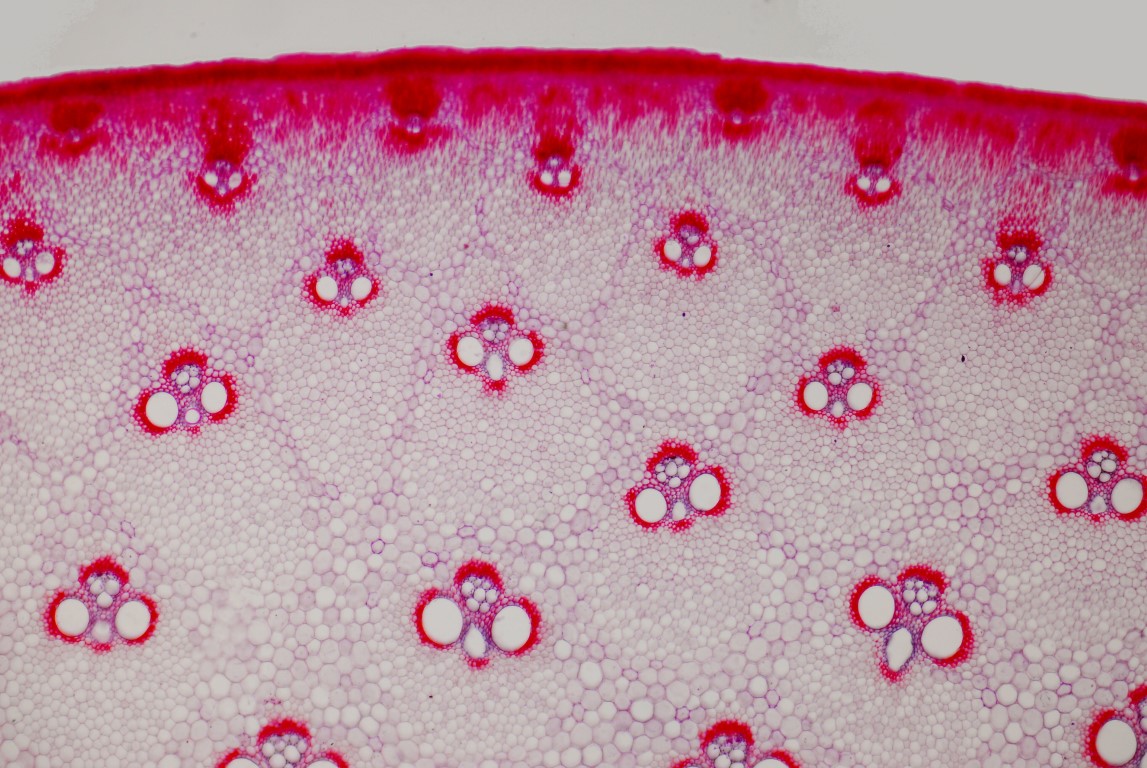
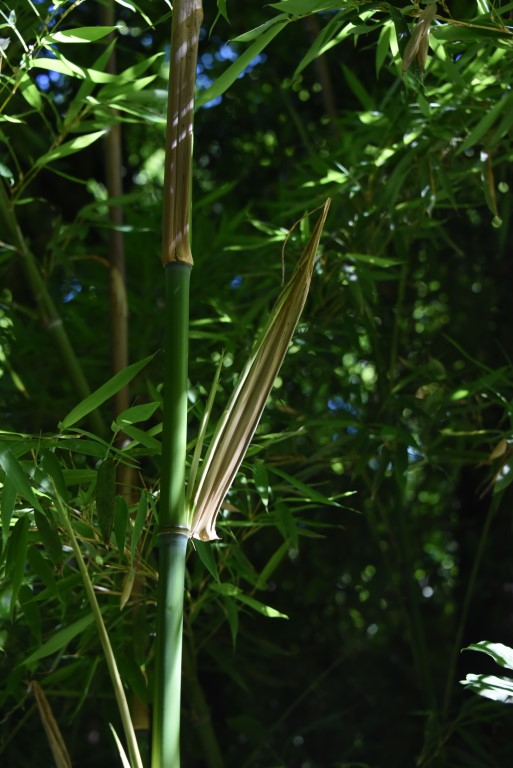
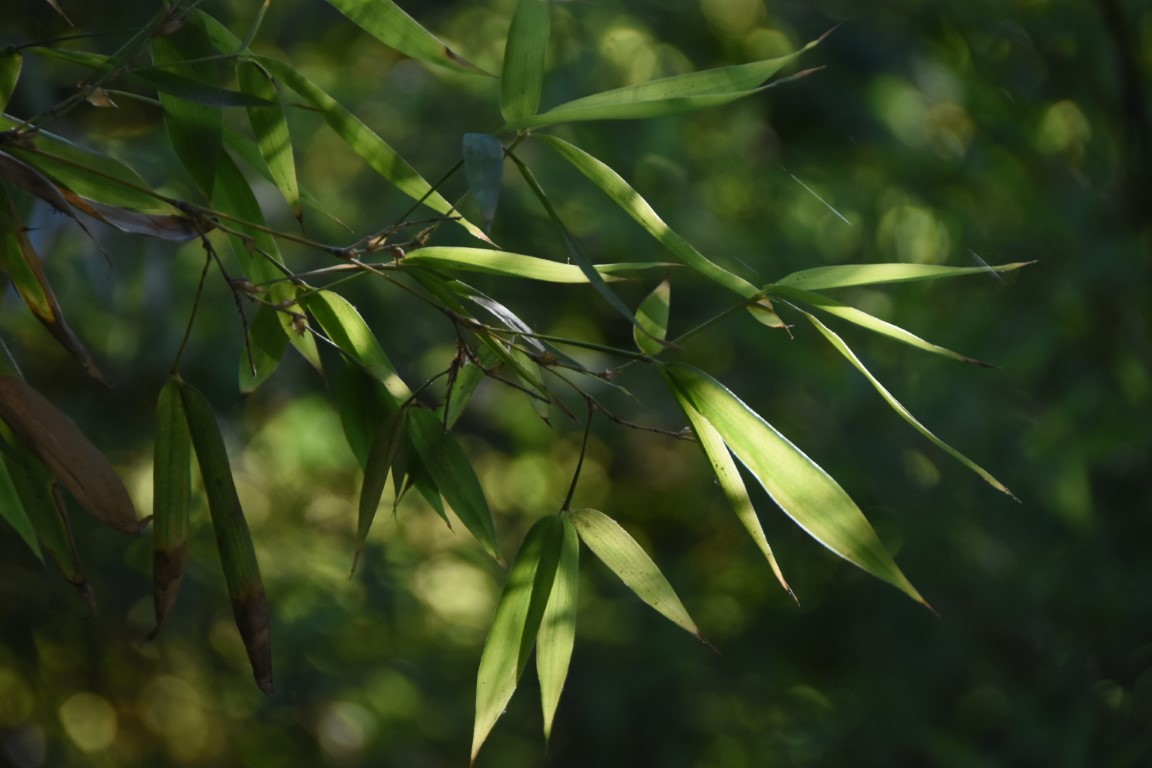
Bamboos are evergreen grasses with thick-walled woody culms that often form clumps. The height of each culm varies depending on the species. They usually reach up to 10–20 meters, as seen in Bambusa vulgaris (common bamboo), but can rise to 35 meters. The leaves are simple, linear and lanceolate in shape, with short pseudopetioles and prominent central venation, arranged alternately. The root system consists of short, thick roots that extend horizontally, allowing the plants to stabilize themselves in the soil.
(flowering period, flowers, seeds)
Reproduction occurs primarily asexually (vegetatively). Flowering is a rare phenomenon for most species. It has been recorded to occur en masse within a population every 12 to over 100 years. Many plants complete their life cycle after flowering. The inflorescences are large terminal panicles or pseudospikes. Sexual reproduction results in a fruit called a caryopsis, which contains a single seed.
Bamboos are among the fastest-growing plants in the world, with some culms growing up to 30 cm or more per day! They are also characterized by remarkable strength and elasticity.
Theophrastus, describing the “Indian reed”, noted that it was so large and durable that it was used for spears. The plant’s robustness, large diameter, and solid composition made it suitable for constructions requiring durability. Pliny added details about the structure of bamboo, explaining that its leaves sprout from nodes and surround the stem with thin membranes. Although this comment does not refer directly to usage, it interprets why bamboo was suitable for construction: the articulated structure of the shoot offered strength and flexibility. Later, in the 1st century AD, the geographer Pomponius Mela mentioned that in India, bamboo could be used for rafts so light and durable that they could carry two or even three people. This usage indicates that the large, hollow shoots of the plant were ideal for buoyancy and improvised floating structures. Pliny confirmed that Indian bamboo was of tree-like size; he even mentions that there were specimens in Roman temples, obviously used as exotic display materials or for ritual/decorative uses.
The first scientific recording of the genus was made in 1753 by Carl Linnaeus in his work “Species Plantarum”, where the species Arundo bambos was recorded. In 1789, the genus was registered as Bambusa by the botanist Schreber. The name is considered to originate from the Malay word “mambu” or “bambu”, which was later adopted by European languages.
Bamboos are used for a variety of purposes. The seeds of certain species are consumed as cereals, and the cooked young shoots as vegetables in Chinese cuisine. Immature leaves are used by livestock farmers as fodder, while the pulped fibers are used for the production of high-quality paper. Bamboo shoots are used to construct, among other things, planks, scaffolding, buckets, and furniture. Their planting also finds application in limiting the phenomenon of soil erosion. This plant is the sole food source for the well-known endangered mammal living in a limited area of China, the panda (Ailuropoda melanoleuca). Bamboo has historical significance for humans, especially in Asia, where it has been used for at least the last 5,000 years. In ancient China, it played a decisive role in the dissemination of knowledge, allowing the construction of writing scrolls, while its practical value was equally great, serving as a basic building material, food, and medicinal medium.
(Note: Ethnobotanical data regarding the medicinal uses of plants must be handled with caution, and their application should be carried out exclusively under medical supervision).
- https://www.worldfloraonline.org
- https://floranorthamerica.org
- https://plantaedb.com
- https://www.britannica.com
- https://www.metmuseum.org
- Plinius secundus, “Naturalis Historia”, 16.65.1, 16.65.2
- Pomponius Mela, “De Chorographia” 3.62
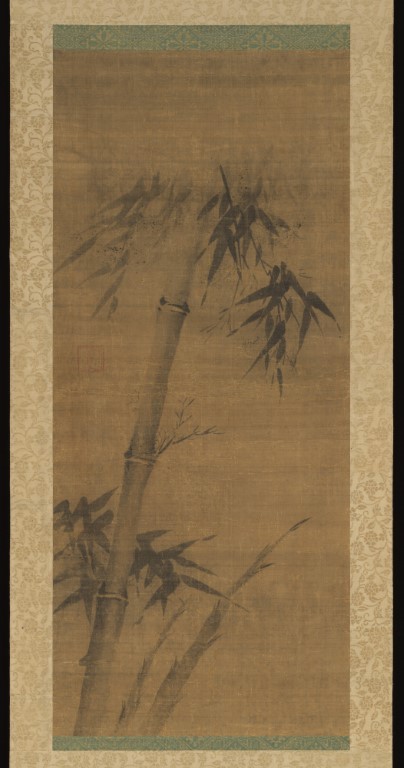
- Kaō. (ca. 1500s). Bamboo [Hanging scroll; ink on silk]. Metropolitan Museum of Art, New York, NY, United States. https://www.metmuseum.org/art/collection/search/37024
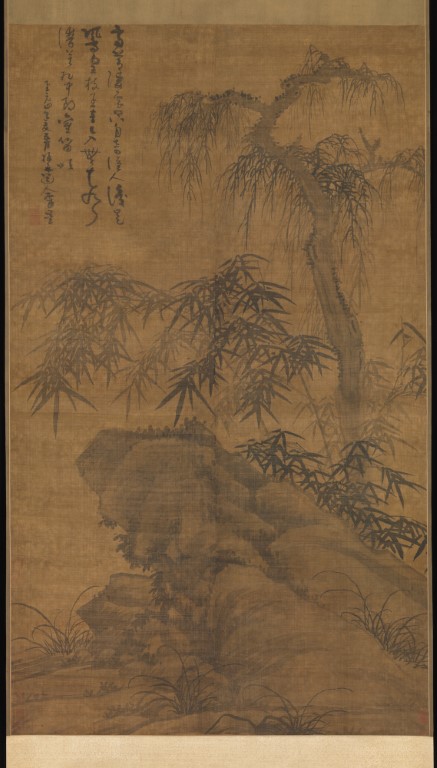
- Wu, Z. (1338). Bamboo, old tree, and rock [Hanging scroll; ink on silk]. Metropolitan Museum of Art, New York, NY, United States. https://www.metmuseum.org/art/collection/search/39535
- Theophrastus, “Historia Plantarum”, 4.11.11
During each season you will see:
SPRING
New shoots sprouting from the ground
SUMMER
Well-developed shoots with leaves
AUTUMN
Leaves
WINTER
Leaves
References in Αrt
In East Asia, Bamboos are a constant and timeless symbol of honesty, humility, and resilience in painting and poetry. A characteristic example is the “literati paintings” in China, which combine painting, poetry, and calligraphy, where plants of the genus are often depicted. A well-known work is “Bamboo and Poem” by Zheng Xie, dating from the Qing dynasty period (1644-1911).