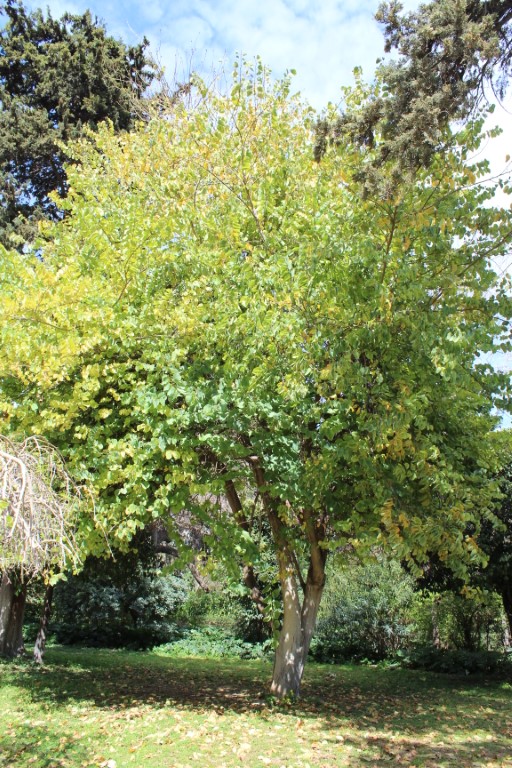


A particularly hardy and adaptable species. In its natural environment, it grows in mixed deciduous forests and river valleys. It prefers sunny positions and thrives even in disturbed soils and urban environments, while also demonstrating resistance to drought conditions and high temperatures.
(height, leaf arrangement, leaf shape, root system)
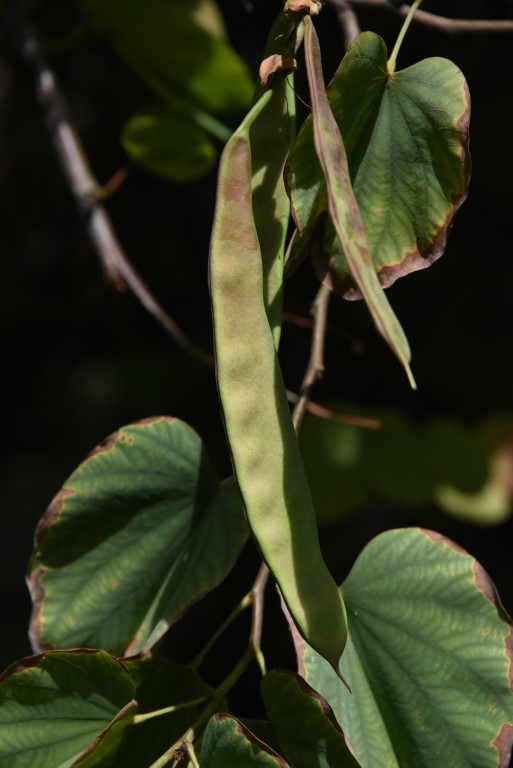
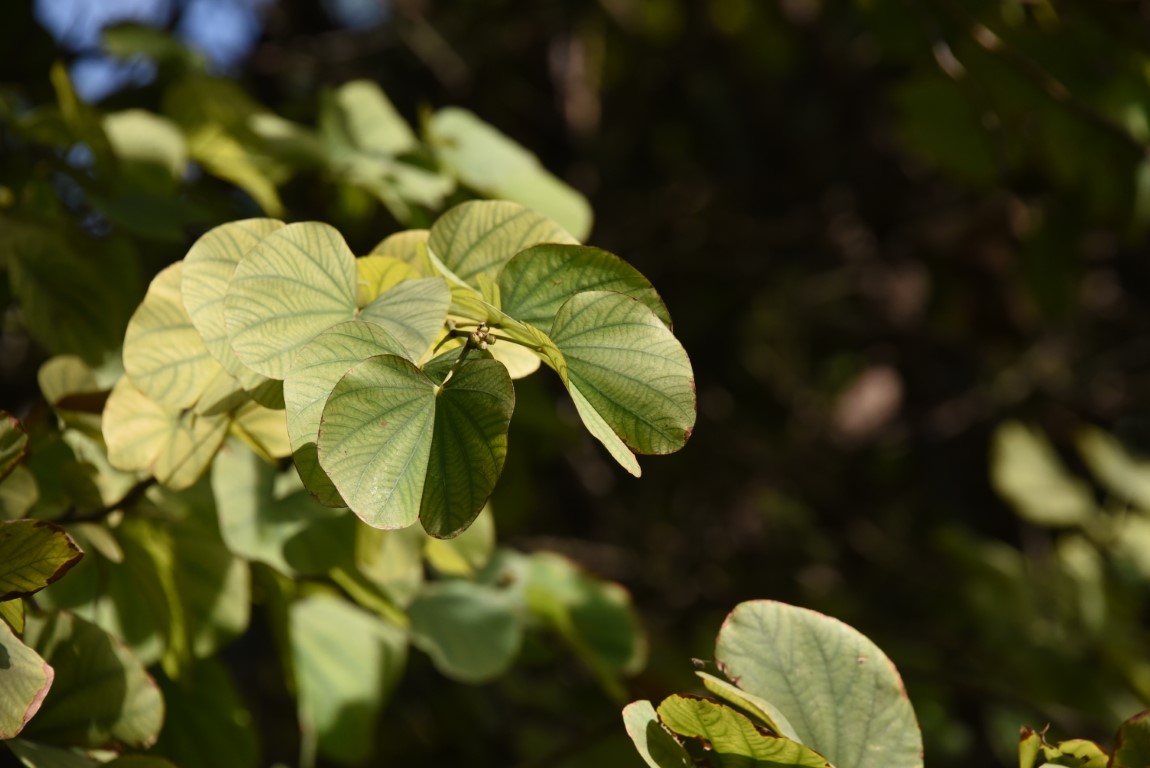
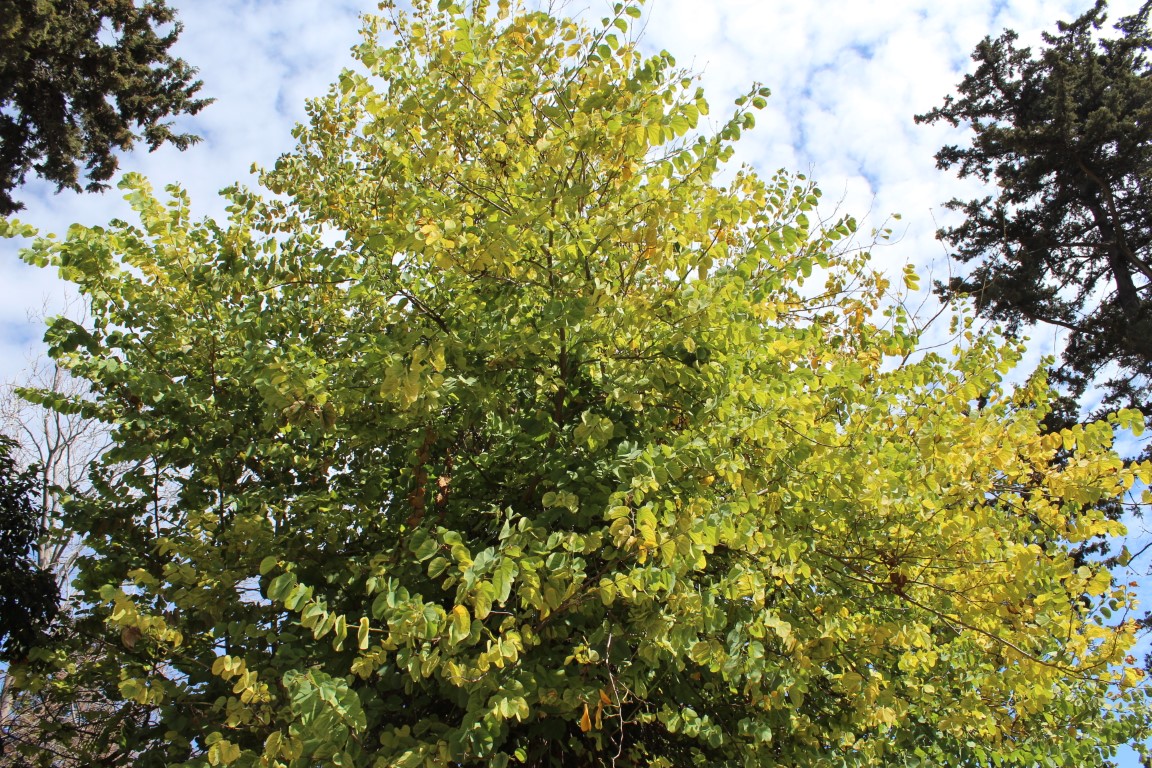
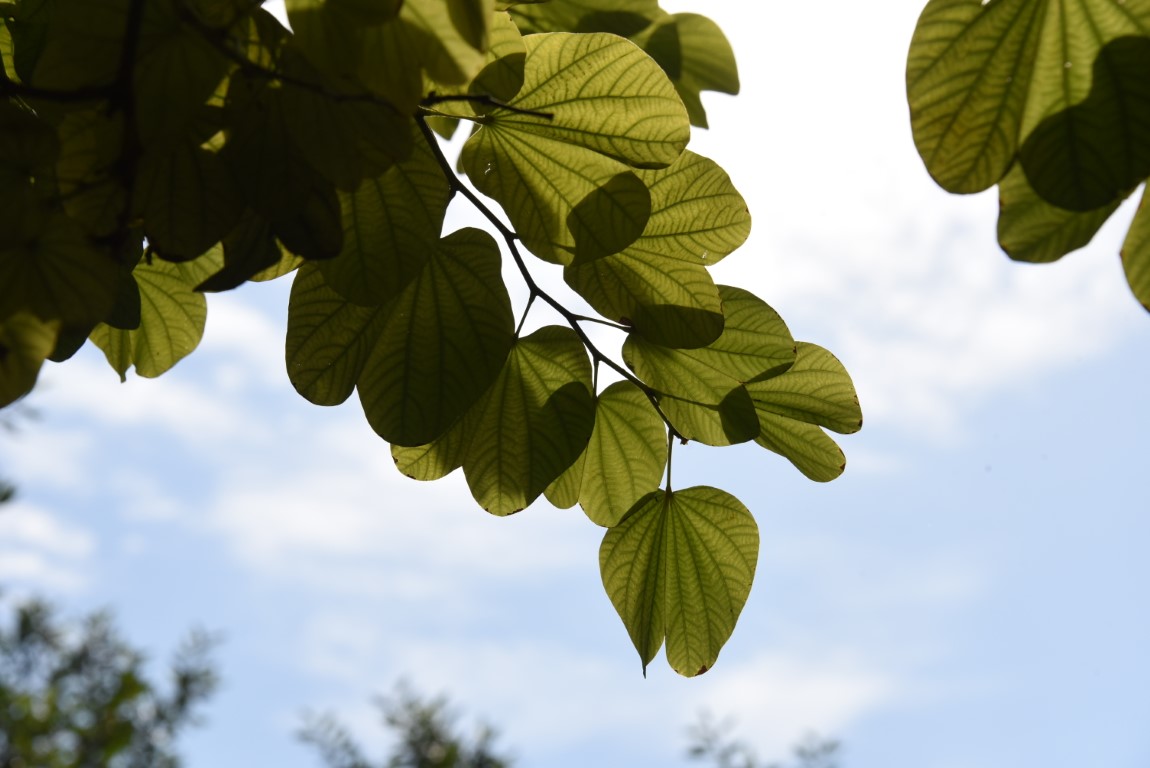
Deciduous tree or shrub of small to medium size that usually reaches a height of 6-12 m. It has a broad crown and relatively smooth dark brown trunk. The leaves grow alternately. They are simple, petiolate, broad ovate to lanceolate, mostly glabrous. Their base is heart-shaped and their tip is bilobed. The species possesses a strong root system that extends deep, contributing to soil stabilization.
(flowering period, flowers, seeds)
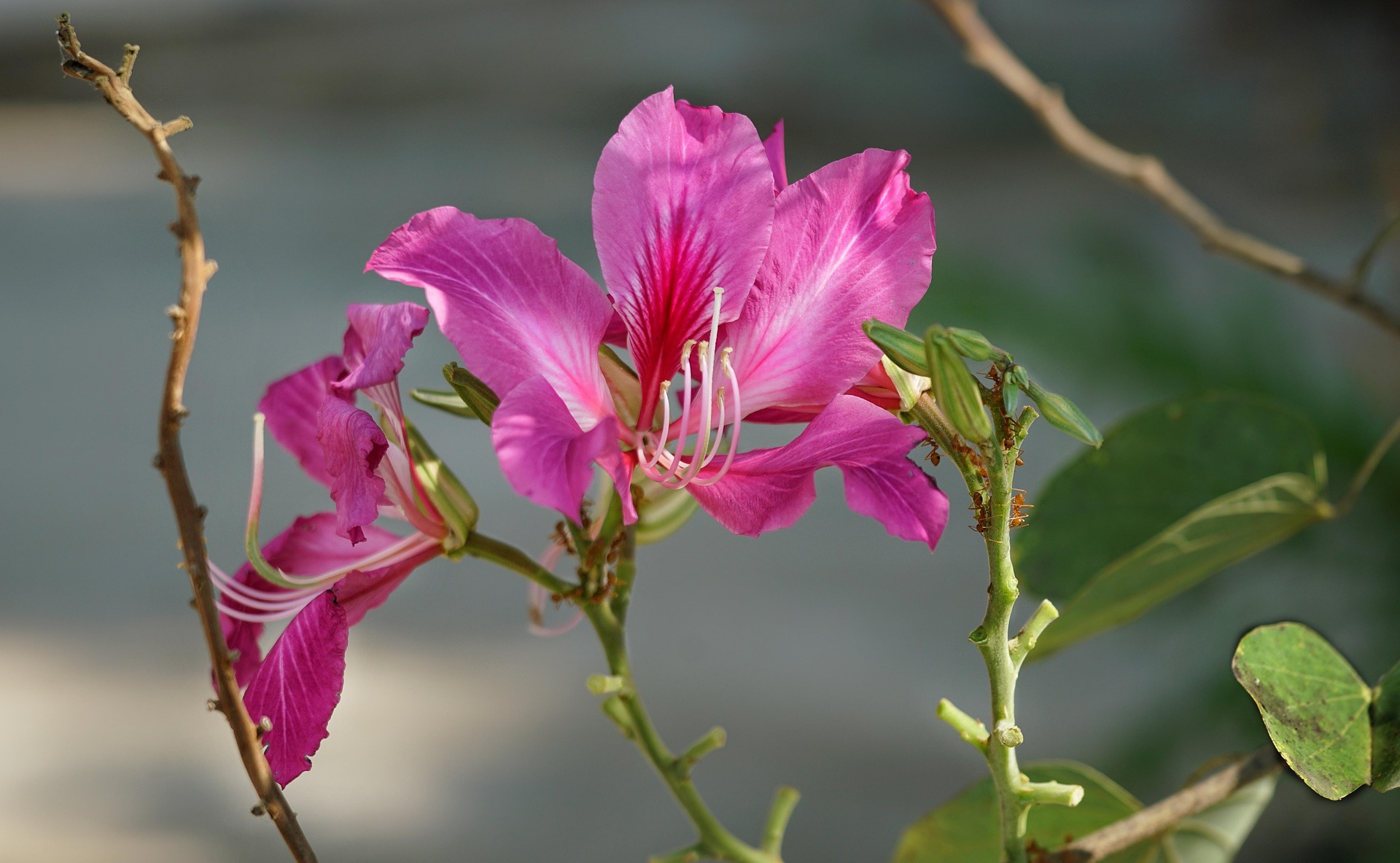
The reproduction of the Orchid Tree offers an impressive spectacle, as flowering takes place from late winter to early spring (February – April), a period during which the tree is usually bare of leaves. The hermaphroditic flowers are organized in racemose inflorescences. They are large, fragrant, and possess five petals in shades of pink, purple, or white, strongly resembling orchid flowers, a feature to which the common name “Orchid Tree” is owed. After flowering, fruiting follows with the formation of long, flat pods of 15-30 cm length. Once the pods mature, they open abruptly and twist, scattering the 10 to 25 brown seeds they contain.
The shape of the species’ leaves is unique, as it resembles a camel’s hoof, a trait that has earned it the international common name “Camel’s foot”.
Bauhinia variegata (known as Kachnar or Kanchan in India and Mountain Ebony internationally) is considered a native species of the Indian subcontinent and generally of South Asia. It has a long history of use in traditional Indian medicine since the Vedic period. It constitutes an important plant in the Ayurveda, Siddha, and Unani systems. The scientific name of the genus, Bauhinia, was given by the naturalist Carl Linnaeus in 1753 in his famous work “Species Plantarum”, in honor of the Swiss botanist twin brothers Jean and Caspar Bauhin.
The leaves and other parts of the plant show significant antibacterial activity against pathogens of the Enterobacteriaceae family (bacteria usually found in the intestinal tract of humans and other animals), antioxidant capacity, as well as anticancer potential with mechanisms involving induction of apoptosis. Furthermore, anti-inflammatory, anti-ulcer, anti-hyperlipidemic, and anti-diabetic properties have been reported. Of particular interest is the presence of insulin-like proteins in the leaves, which demonstrate hypoglycemic activity comparable to insulin of animal origin, supporting the use of the plant in both type I and type II diabetes! In the countries of origin of Bauhinia, such as India and Pakistan, the flower buds and young leaves are collected and cooked as a vegetable, constituting a key ingredient in pickles and curry dishes. Medicinally, its bark and roots are used in traditional medicine to treat skin diseases and ulcers, while its wood is utilized for making agricultural tools and the bark to produce dyes and ropes. It is also planted widely as an ornamental species.
(Note: Ethnobotanical data regarding the medicinal uses of plants must be handled with caution, and their application should be carried out exclusively under medical supervision).
- https://powo.science.kew.org
- https://www.worldfloraonline.org
- https://tropical.theferns.info
- https://floranorthamerica.org
- https://apps.cals.arizona.edu
- https://www.efloraofgandhinagar.in
- Azevedo, C., Maciel, F., Silva, L., Ferreira, A., da Cunha, M., Machado, O., Fernandes, K., Oliveira, A., & Xavier-Filho, J. (2006). Isolation and intracellular localization of insulin-like proteins from leaves of Bauhinia variegata. Brazilian Journal of Medical and Biological Research, 39(11), 1435–1444. https://doi.org/10.1590/s0100-879×2006001100007
- Kulkarni, Y. A., & Garud, M. S. (2016). Bauhinia variegata (Caesalpiniaceae) leaf extract: An effective treatment option in type I and type II diabetes. Biomedicine & Pharmacotherapy, 83, 122–129. https://doi.org/10.1016/j.biopha.2016.06.025
- Mishra, A., Sharma, A. K., Kumar, S., Saxena, A. K., & Pandey, A. K. (2013). Bauhinia variegata leaf extracts exhibit considerable antibacterial, antioxidant, and anticancer activities. BioMed Research International, 2013, Article 915436. https://doi.org/10.1155/2013/915436
- Saha, S. (2011). In vivo study for anti-inflammatory activity of Bauhinia variegata L. leaves. Pharmaceutical Crops, 2(1), 70–73. https://doi.org/10.2174/2210290601102010070
- Sharma, A. K., Sharma, U. K., & Pandey, A. K. (2015). Protective effect of Bauhinia variegata leaf extracts against oxidative damage, cell proliferation and bacterial growth. Proceedings of the National Academy of Sciences, India Section B: Biological Sciences, 87(1), 45–51. https://doi.org/10.1007/s40011-015-0578-x
- Sharma, A., Chandel, V., & Roy, S. (2025). Exploring the bioactive properties and diverse uses of Bauhinia variegata: A comprehensive review. Discover Plants, 2, Article 86. https://doi.org/10.1007/s44372-025-00167-7
- Tutin, T. G., Heywood, V. H., Burges, N. A., Moore, D. M., Valentine, D. H., Walters, S. M., & Webb, D. A. (Eds.). (1964–1980). Flora Europaea (Vols. 1–5). Cambridge University Press.
During each season you will see:
References in Αrt
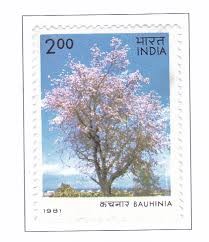
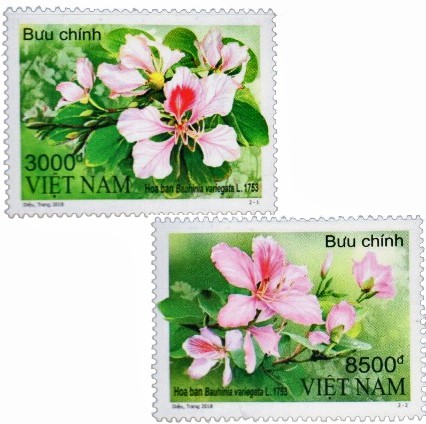
The beauty of the tree has inspired artists and writers, mainly in India, where the “Kachnar” is frequently mentioned in poetry and literature for its exquisite flowering. The species has been depicted on stamps of various countries, such as Vietnam and Thailand, highlighting its importance in the natural heritage of the region.