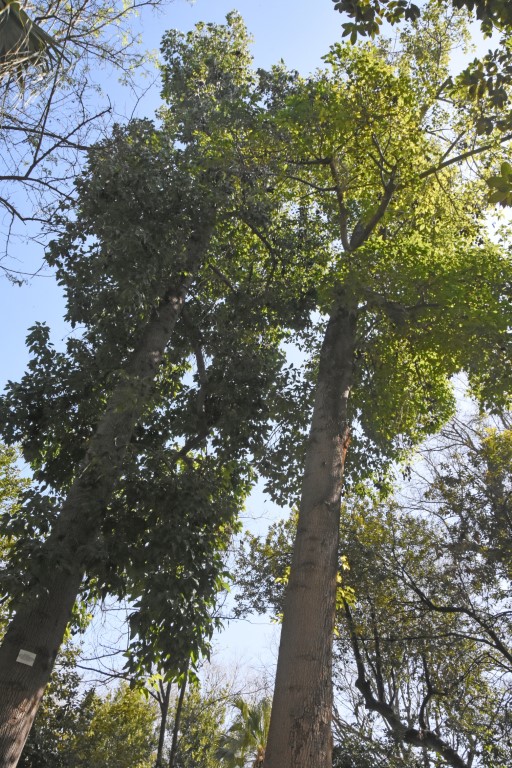


Brachychiton acerifolius thrives in subtropical forests with high rainfall levels and in coastal areas, where humid conditions prevail. After the establishment of its root system, it acquires the ability to adapt to drier environments as well.
(height, leaf arrangement, leaf shape, root system)
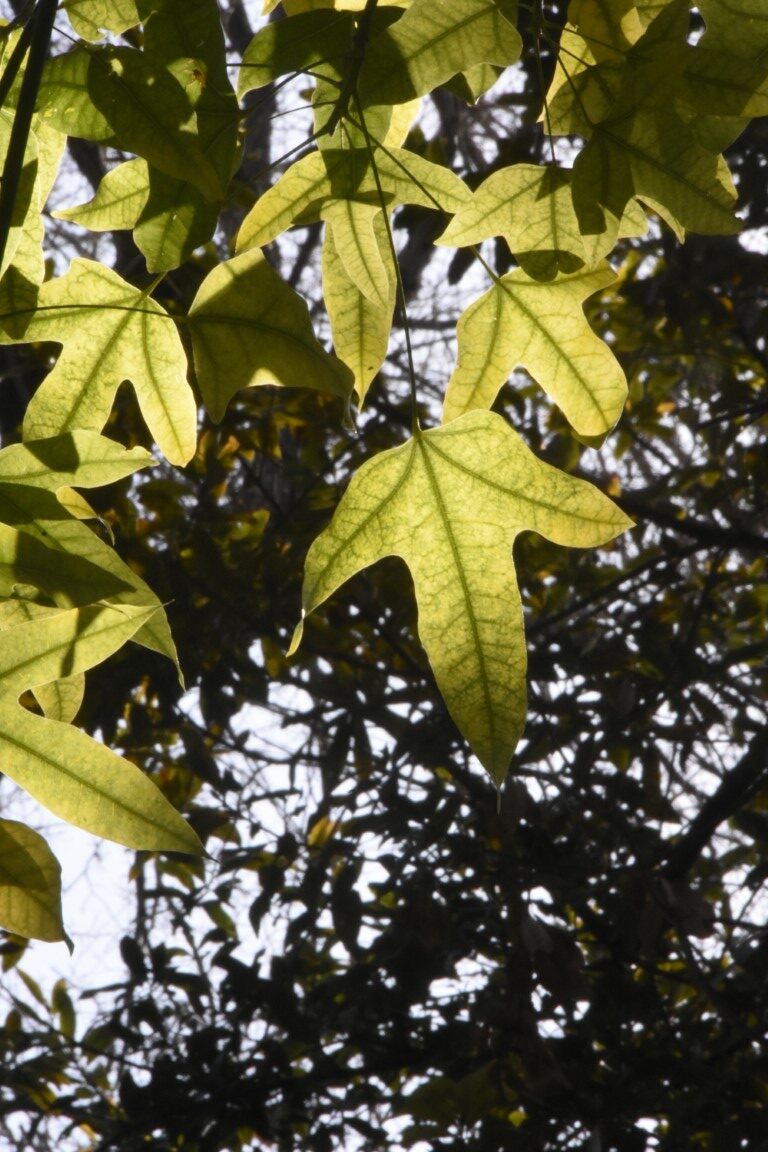
A large, deciduous tree that in urban environments usually reaches 10 to 20 m, although in its natural environment it can approach 35 m in height. Young trees have a distinctive green trunk which gradually turns grey. It often features a swelling at the base for water storage. Its leaves are glossy, leathery, with variable shape. They can be simple ovate, up to lobed with 3 to 5 lobes, strongly resembling maple leaves (hence the specific epithet acerifolius). The root system is not particularly extended.
(flowering period, flowers, seeds)
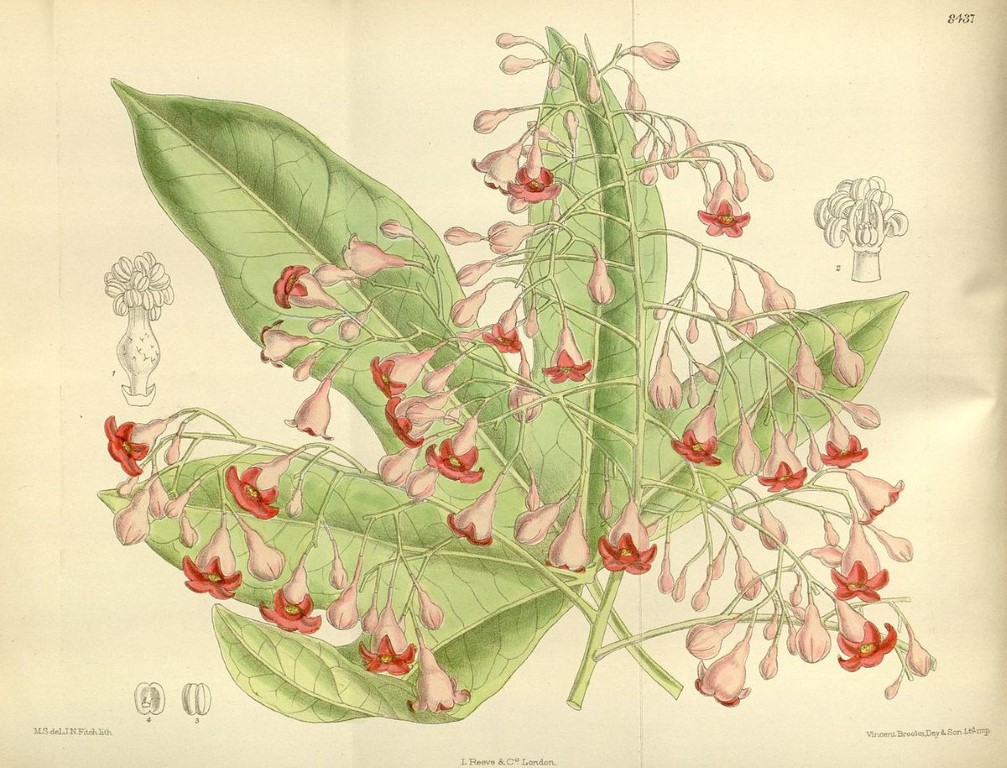
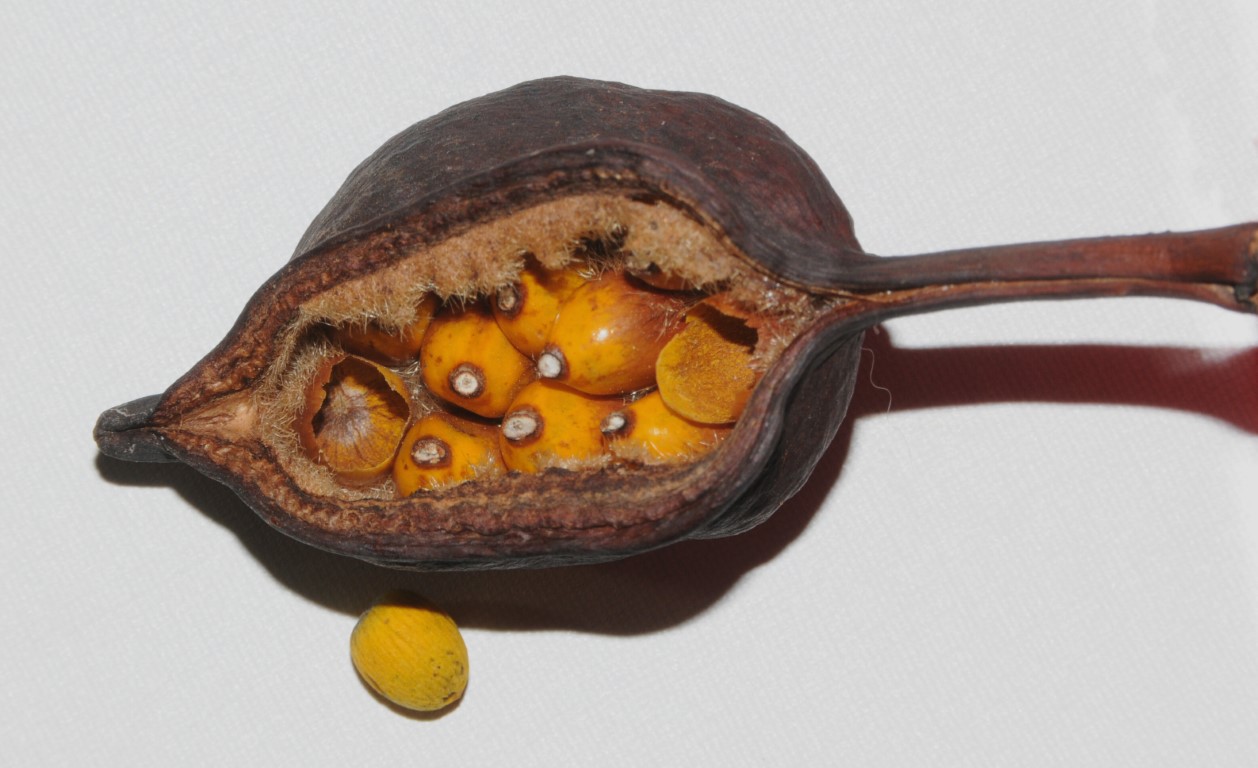
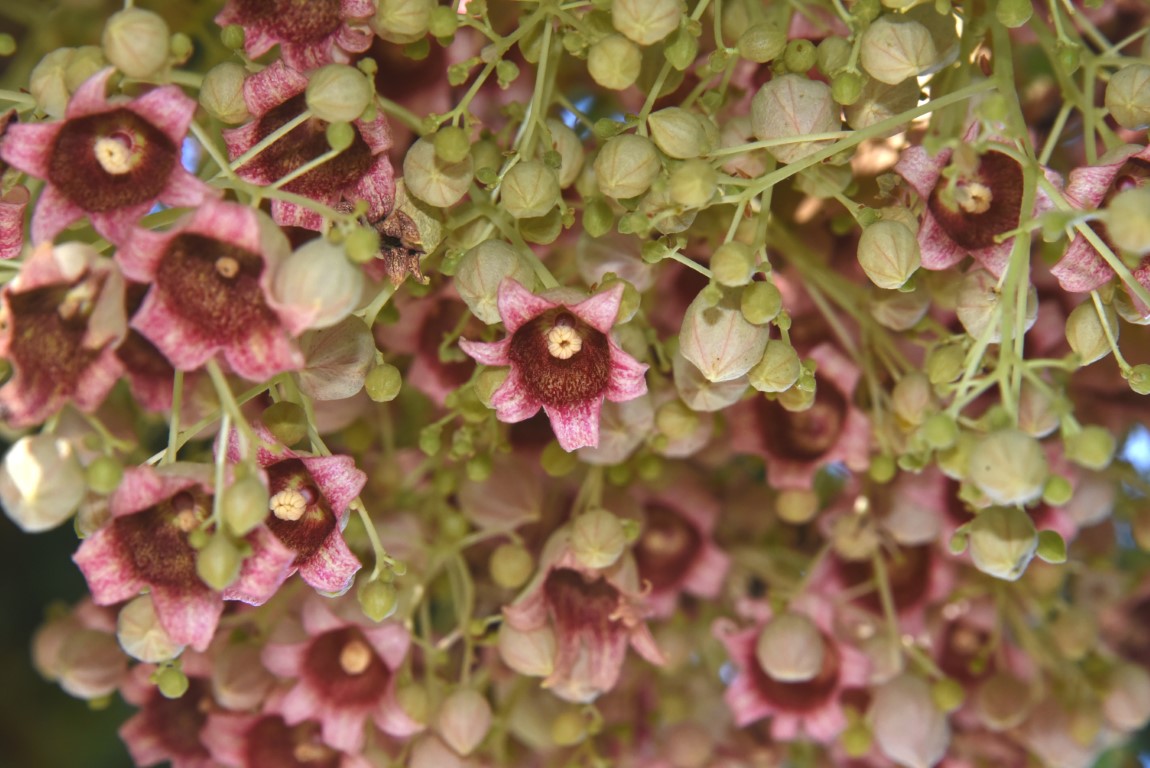
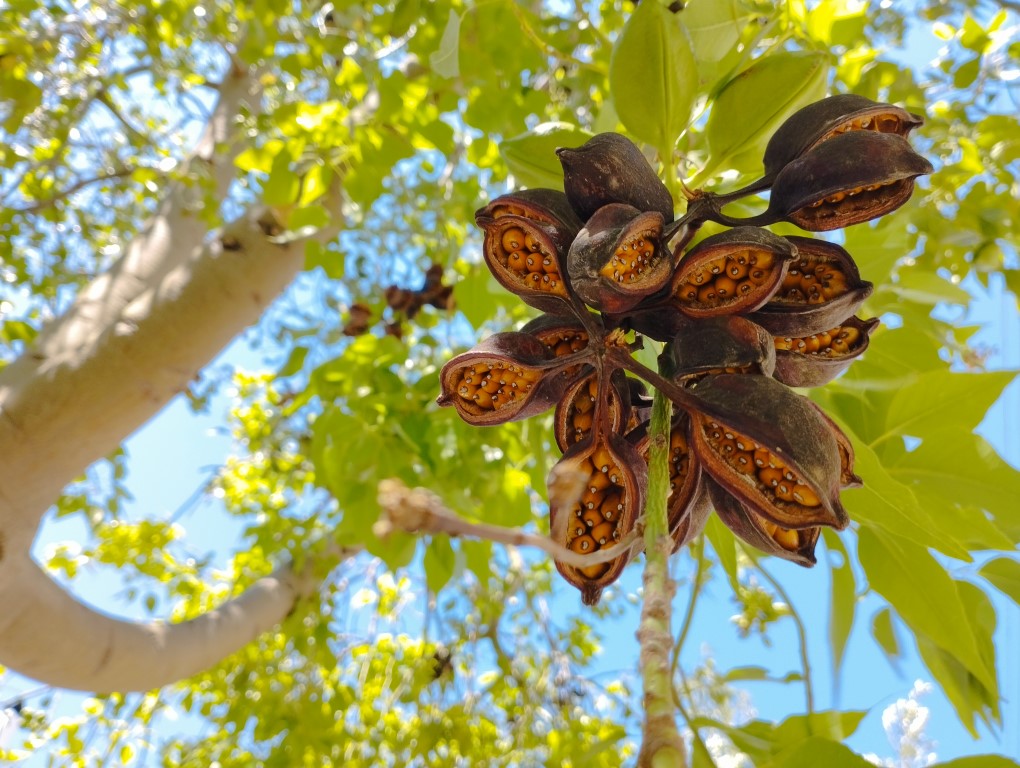
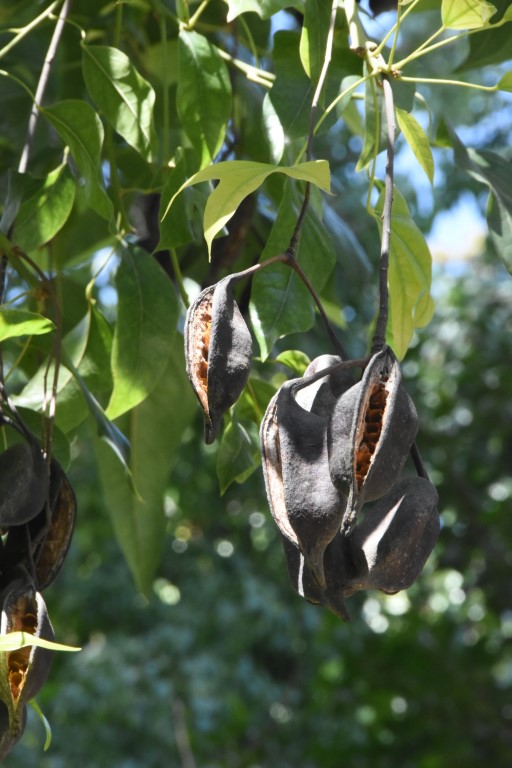
Monoecious species, with separate female and male flowers which however are found on the same tree. They are coral to red in color, 1-2 cm long, and organized in panicle-type inflorescences. In the species’ natural environment, flowering takes place from October to December, not annually. After reproduction, large woody capsules 6-8 cm long arise, each containing many yellowish seeds 1-1.5 cm, covered by hair.
Often, the tree sheds all or most of its foliage just before flowering. This results in the bare branches being covered exclusively by thousands of red flowers, creating the impression that the entire crown is aflame. For this reason, it is also called “Illawarra Flame Tree”, due to the region of Eastern Australia where its natural population is located.
The species was officially described and classified by European botanists during the 19th century. The genus name comes from the Ancient Greek βραχύς (brachys, “short”) and χιτών (chitōn, “tunic”) and refers to the characteristic hairy coating of its seeds. Brachychiton acerifolius is deeply rooted in the history of the Australian continent, mainly eastern Australia. For thousands of years, Indigenous Australians of the east coast (Aborigines) utilized the tree for their survival, since the plant’s seeds were known to be consumed after roasting as nutritious food, while at the same time, they used the fibers from the inner bark for making fishing nets, twine, and baskets.
Today, the Flame Tree is cultivated globally as an ornamental plant due to its impressive red flowering. Its seeds are still consumed today, but only after processing to remove the surrounding hairs and make them edible.
It presents increasing scientific interest due to its rich phytochemical profile and its significant biological activities. Leaf extracts show strong antioxidant activity, which is attributed mainly to the high content of flavonoids, such as apigenin, luteolin, rutin, quercetin, and kaempferol. At the same time, leaf and flower extracts present inhibitory activity against pathogenic bacteria, without showing significant toxicity, a fact that highlights their potential as natural antiseptics or complementary antimicrobial agents.
(Note: Ethnobotanical data regarding the medicinal uses of plants must be handled with caution, and their application should be carried out exclusively under medical supervision).
- https://www.worldfloraonline.org
- https://www.rhs.org.uk
- https://tropical.theferns.info
- https://resources.austplants.com.au
- Cock, I. E. (2019). Brachychiton acerifolius (A. Cunn. ex G. Don) Macarthur and C. moore leaf and flower extracts inhibit the growth of a panel of pathogenic bacteria. Pharmacognosy Communications, 10(1), 37–43. https://doi.org/10.5530/pc.2020.1.7
- Farag, M. A., Zeid, A. H. A., Hamed, M. A., Kandeel, Z., El-Rafie, H. M., & El-Akad, R. H. (2014). Metabolomic fingerprint classification of Brachychiton acerifolius organs via UPLC-qTOF-PDA-MS analysis and chemometrics. Natural Product Research, 29(2), 116–124. https://doi.org/10.1080/14786419.2014.964710
- Prain, D. (Ed.). (1912). Brachychiton acerifolius. Curtis’s Botanical Magazine, 138 (Ser. 4, Vol. 8), Tab. 8437 [Lithograph by J. N. Fitch]. Royal Botanic Gardens, Kew.
- Zeid, A. H. A., Farag, M. A., Hamed, M. A., Kandil, Z. A. A., El-Akad, R. H., & El-Rafie, H. M. (2017). Flavonoid chemical composition and antidiabetic potential of Brachychiton acerifolius leaves extract. Asian Pacific Journal of Tropical Biomedicine, 7(5), 389–396. https://doi.org/10.1016/j.apjtb.2017.01.009
During each season you will see:
References in Αrt
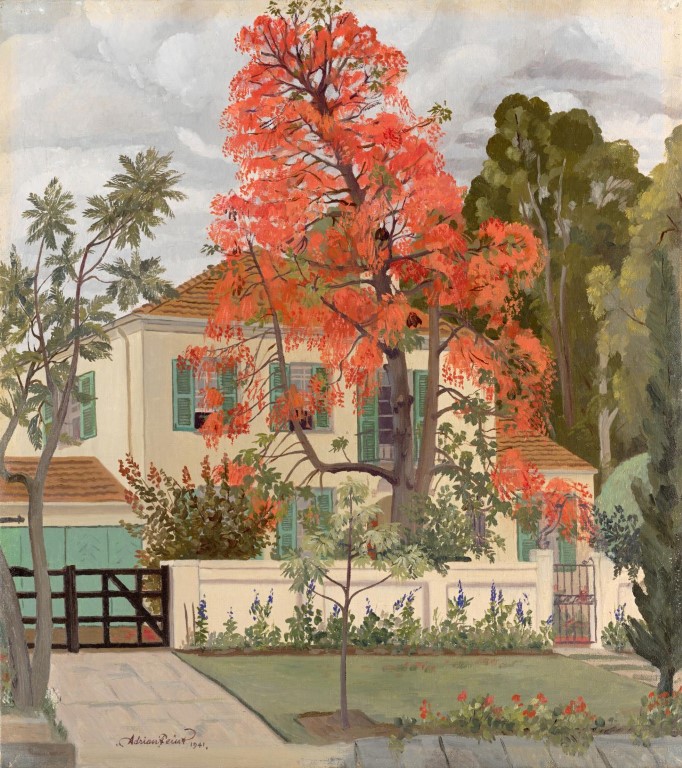
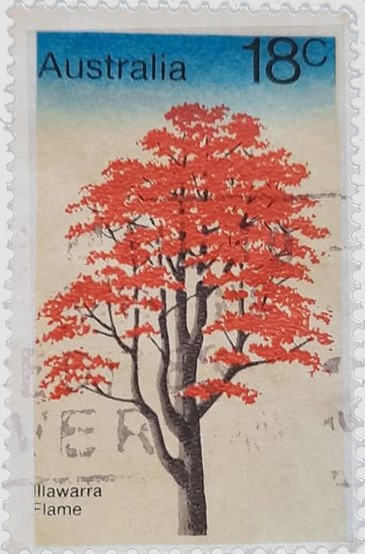
The tree holds a special place in Australia’s cultural identity and has become a symbol of nostalgia through art. A notable example is the painting “The Illawarra Flame Tree” (1941) by Adrian Feint. Its most famous reference, however, appears in the iconic rock song “Flame Trees” (1984) by the band Cold Chisel. Additionally, in 1978, a postage stamp was issued in Australia depicting the tree in full bloom.