

Species that grows optimally in tropical climates with a daily temperature range fluctuating between 17–38°C, while it cannot survive in sub-zero temperatures. It thrives in moist, well-drained soils and sunny locations. It displays maximum productivity in locations up to 500 meters above sea level, though it is also found at higher altitudes.
(height, leaf arrangement, leaf shape, root system)
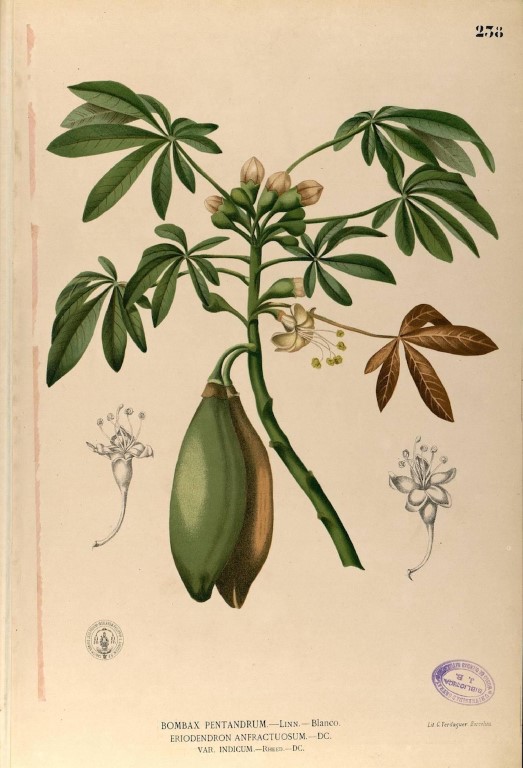
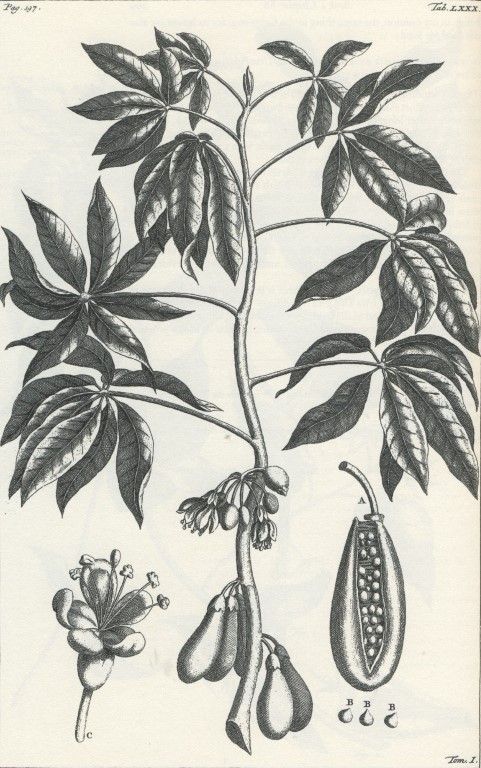
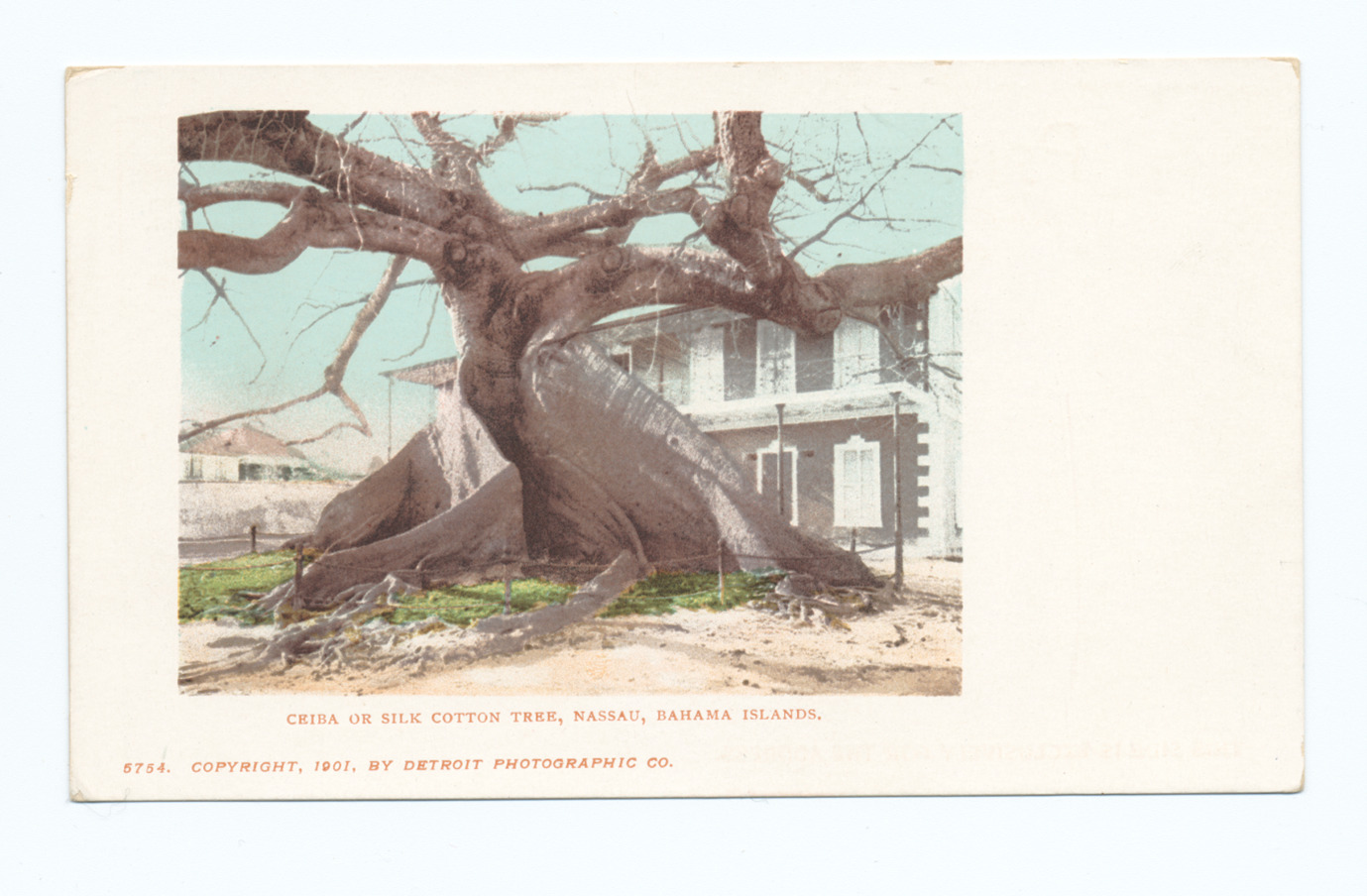
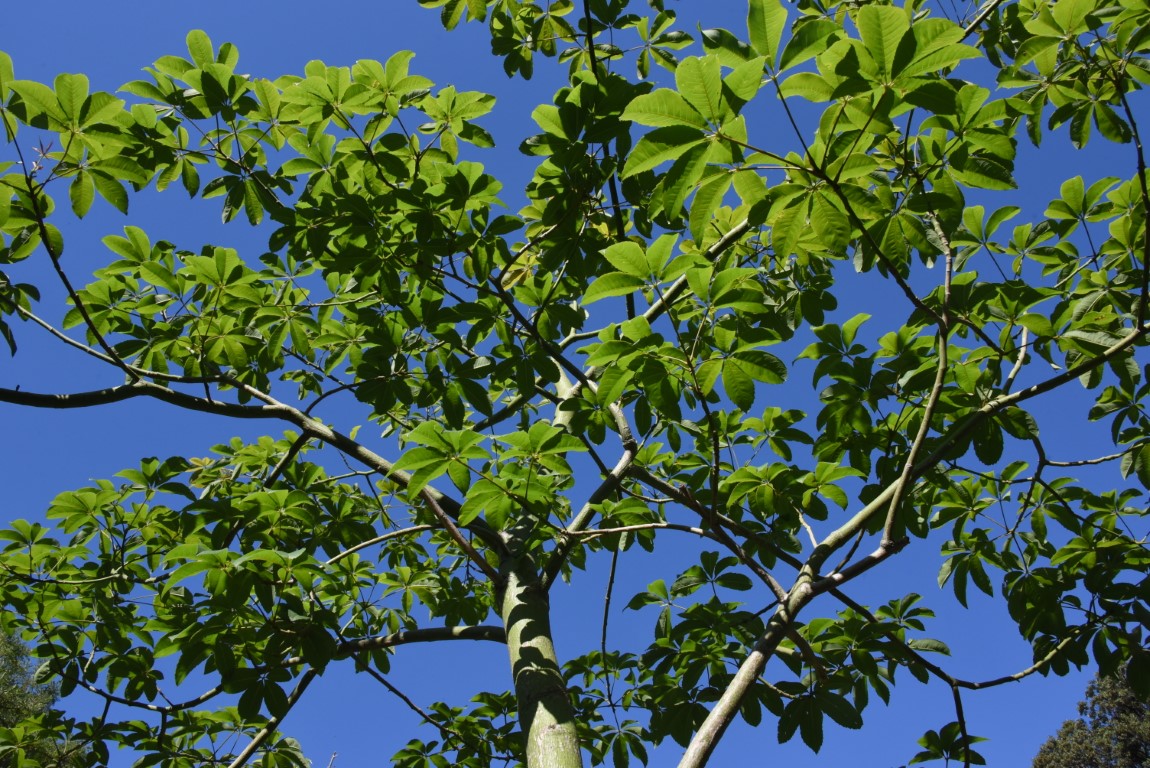
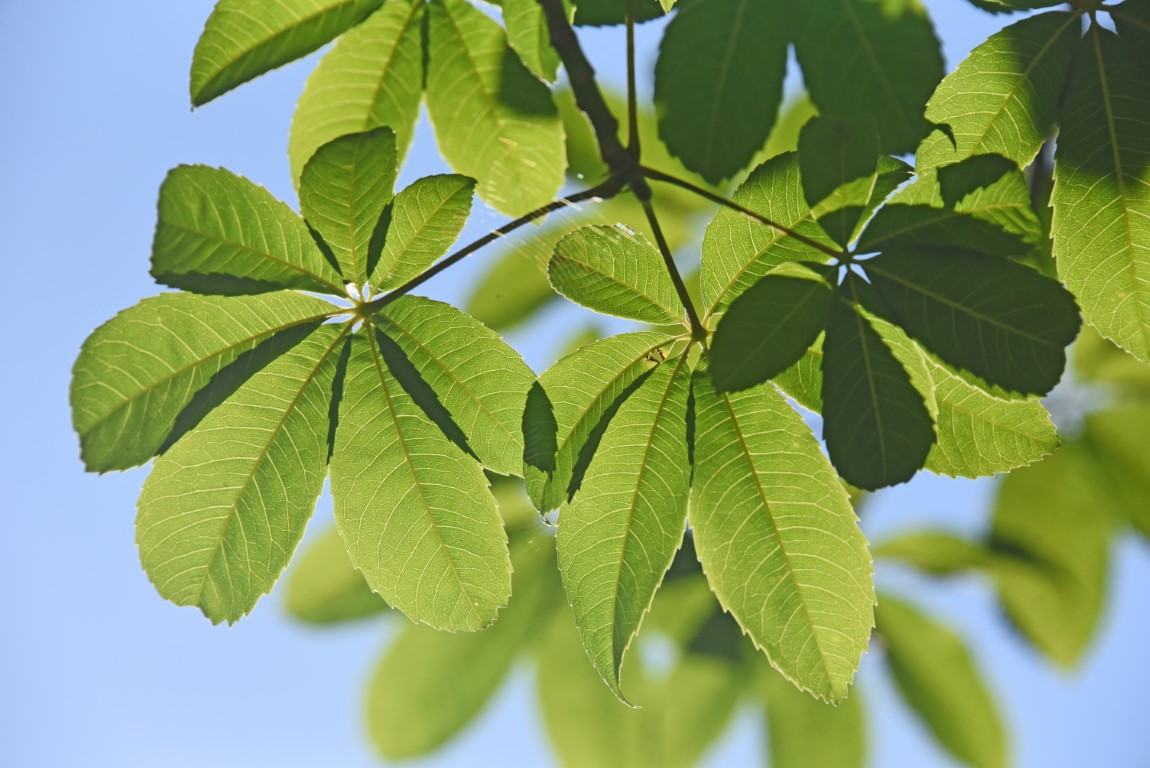
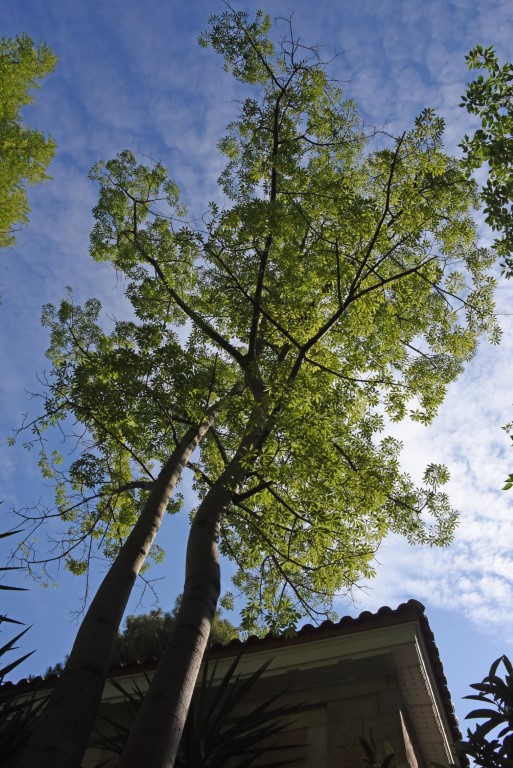
A deciduous tree capable of reaching up to 70 meters in height, although it usually attains a final height of approximately 30 meters. It has a smooth and thorny trunk, grey-beige in color, with a cylindrical shape, a diameter of 1–3 meters, and a spherical to pyramidal crown. The leaves are petiolate and compound, palmate, with 5–9 oblong, unequal leaflets, and are arranged alternately. The tree’s root system develops at a shallow depth, while many roots sprout from the tree trunk and extend above ground, stabilizing it under strong wind conditions.
(flowering period, flowers, seeds)
Monoecious species with hermaphroditic flowers of pale yellow or pink color that appear in clusters before the leaves sprout. For this specific species, flowering is a process that does not occur every year, as flowers may not be produced for 5–10 years. Depending on the geographical location, the flowering period may last from January to April. After fertilization, woody capsules 15 centimeters long are produced, each containing seeds surrounded by a fibrous structure, a mixture of lignin and cellulose. This structure constitutes the kapok, from which the species takes its common name.
Flowering occurs while the tree is leafless, allowing bats access to the nectar of the flowers. The bats approach the flowers to feed, acting simultaneously as pollinators for the species.
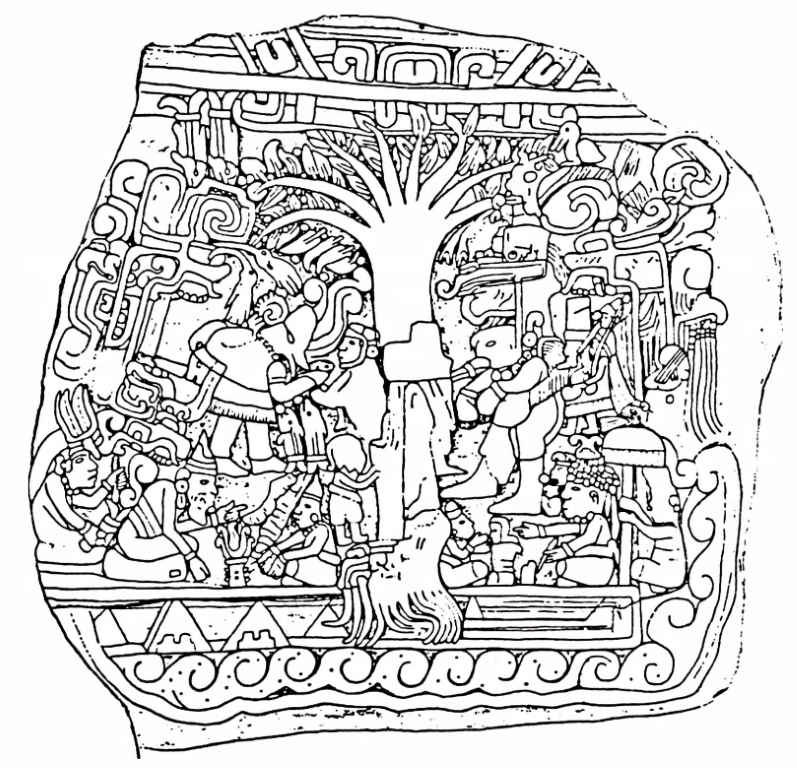
The first official description of the species was made in 1753 by Carl Linnaeus, who named it Bombax pentadrum. However, in 1791, Gaertner transferred it to the genus Ceiba. According to fossils found, the species has existed in West Africa for thousands of years. The name of the genus Ceiba comes from indigenous languages of Central America, while the specific epithet pentandra refers to the five stamens of the flower. It is speculated that its transfer from America to Africa occurred via the sea, as the fruits float in water. Ceiba pentandra constitutes a sacred symbol for the Maya civilization, where it has been considered since antiquity as the “First Tree”. For the Maya, Ceiba pentandra (known as Yaxché) was a sacred cosmic tree. They believed its roots formed a connection to the Underworld, the trunk to the world of humans, and its foliage to the Sky and the gods. It constitutes a national symbol of Guatemala, Puerto Rico, and Equatorial Guinea.
The seeds of the Kapok tree are processed to isolate an aromatic oil rich in fatty acids, which is utilized in the production of soaps and biodiesel. The fruit produces distinct fibers known as “kapok”: lightweight, hydrophobic, and buoyant materials that were historically essential for filling mattresses, pillows, and life jackets, as well as for insulation, although they have largely been replaced by synthetic alternatives. The tree’s wood, despite being lightweight, is valued for constructing canoes, musical instruments, and household utensils, and serves as a fuel source. Beyond material uses, the species is deeply integrated into traditional medicine; its leaves are used to treat fevers and coughs, the roots provide diuretic relief, and the bark is applied to ailments ranging from asthma and diabetes to skin infections. Modern pharmacological research has validated many of these traditional practices, confirming that the tree possesses significant anti-inflammatory, antioxidant, and hypoglycemic properties, highlighting its potential for future pharmaceutical development.
(Note: Ethnobotanical data regarding the medicinal uses of plants must be handled with caution, and their application should be carried out exclusively under medical supervision).
- https://tropical.theferns.info
- https://powo.science.kew.org
- https://www.worldfloraonline.org
- https://www.missouribotanicalgarden.org
- https://www.britannica.com
- Abouelela, M. E., Orabi, M. A., Abdelhamid, R. A., Abdelkader, M. S., Madkor, H. R., Darwish, F. M., Hatano, T., & Elsadek, B. E. (2019). Ethyl acetate extract of Ceiba pentandra (L.) Gaertn. reduces methotrexate-induced renal damage in rats via antioxidant, anti-inflammatory, and antiapoptotic actions. Journal of Traditional and Complementary Medicine, 10(5), 478–486. https://doi.org/10.1016/j.jtcme.2019.08.006
- Aguiar, A. C. N., Gonçalves, J. S., & Melo, J. D. G. (2023). Uso medicinal da Samaúma (Ceiba pentandra): Revisão de literatura [Medicinal use of Samaúma (Ceiba pentandra): Literature review]. Research, Society and Development, 12(6), e4812641912. https://doi.org/10.33448/rsd-v12i6.41912
- Baraniak, J., & Kania-Dobrowolska, M. (2023). Multi-purpose utilization of kapok fiber and properties of Ceiba pentandra tree in various branches of industry. Journal of Natural Fibers, 20(1). https://doi.org/10.1080/15440478.2023.2192542
- Blanco, M. (1877). Flora de Filipinas (A. Naves & C. Fernández-Villar, Eds.; Plate 238). Establecimiento Tipográfico de Plana.
- Chan, E. W. C., Yeong, S. W., Wong, C. W., Soo, O. Y. M., Phua, A. C. Y., & Ng, Y. K. (2022). Ceiba pentandra (L.) Gaertn.: An overview of its botany, uses, reproductive biology, pharmacological properties, and industrial potentials. Journal of Applied Biology & Biotechnology. https://doi.org/10.7324/jabb.2023.110101
- Christensen, A. J. (1997). The sacred tree of the ancient Maya. Journal of Book of Mormon Studies, 6(1), 1–23.
- Detroit Publishing Company. (1900–1902). Ceiba or silk cotton tree, Nassau, B. I. [Postcard]. The Miriam and Ira D. Wallach Division of Art, Prints and Photographs, The New York Public Library, New York, NY, United States.
- Nkouam, G. B., Adjoh, G., Leudeu, C. B. T., Kouebou, C., Tchiegang, C., & Kapseu, C. (2017). Local uses of kapok (Ceiba pentandra Gaertn.) tree from the northern part of Cameroon. International Journal of Environment, Agriculture and Biotechnology, 2(4), 2214–2219. https://doi.org/10.22161/ijeab/2.4.82
- Rumpf, G. E. (1741). Herbarium amboinense (Vol. 3). Apud Fransicum Changuion, Joannem Catuffe, Hermannum Uytwerf.
During each season you will see**:
**Depending on the geographical area.
SPRING
Fruits
SUMMER
Leaves
AUTUMN
Leaves
WINTER
Bare branches with flowers
References in Αrt
Due to the sacredness of the species for the Maya, ceramic vessels have been found that either depict it or have morphology similar to its trunk, where the presence of conical thorny structures is evident. Similarly, the columns of their temples took the form of the trunk.