
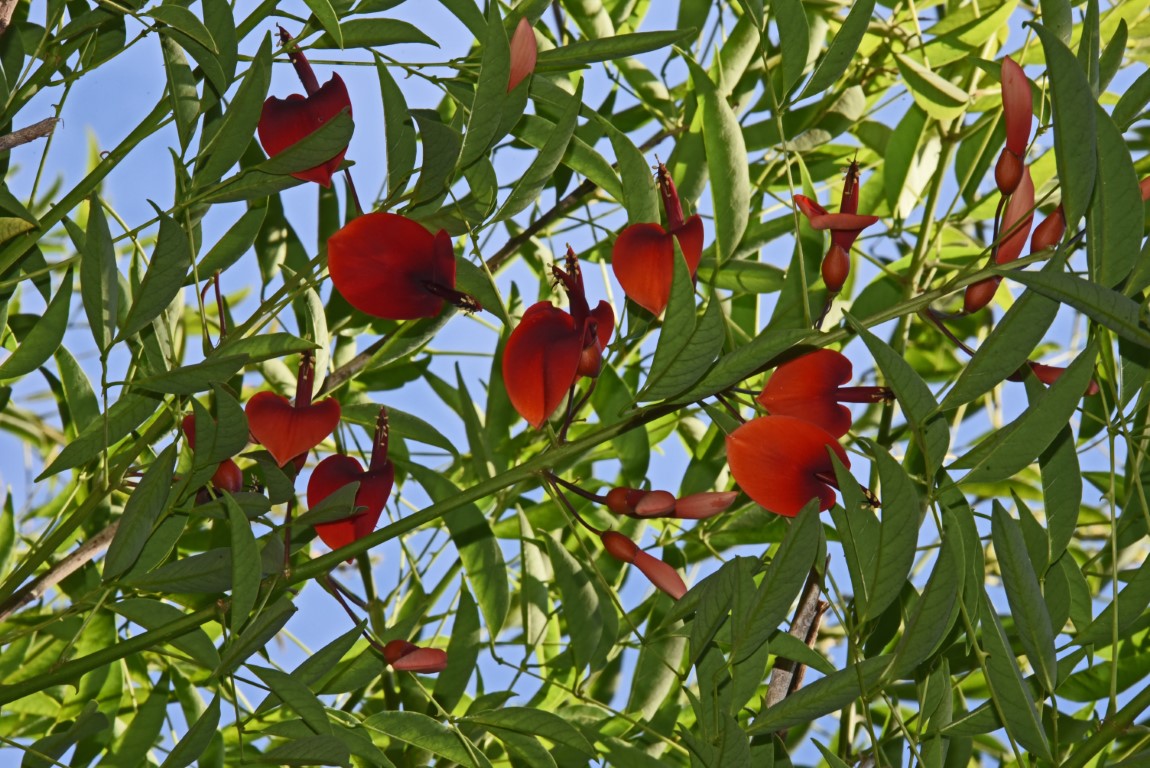
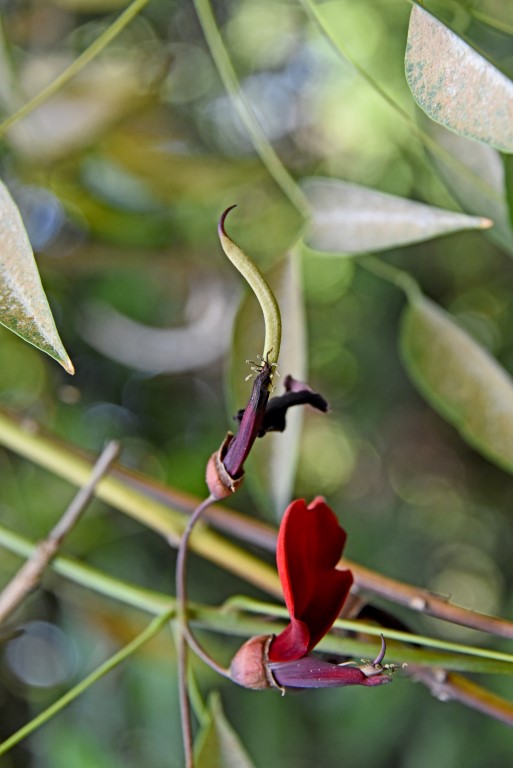
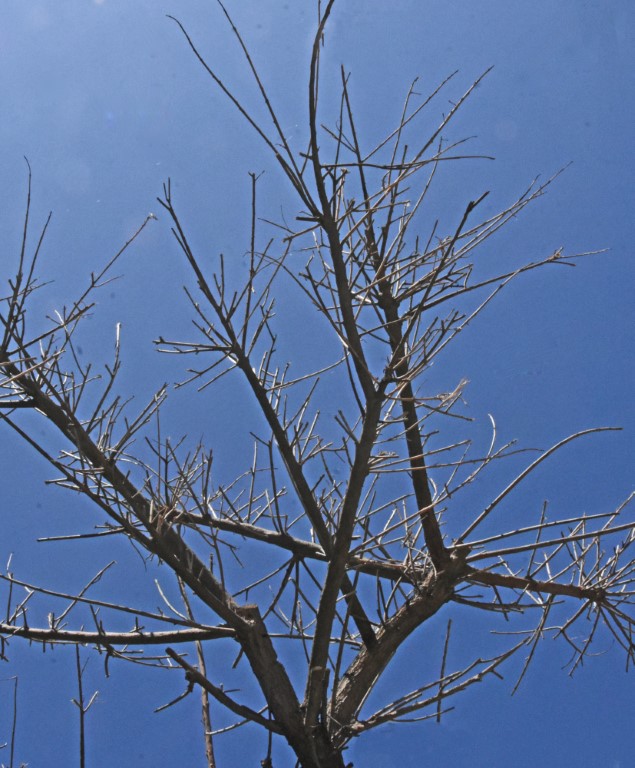
The Coral Tree is particularly adaptable. It grows in humid-tropical, subtropical, and semi-arid regions and in zones where the mean annual temperature ranges between 20°C and 32°C. The ideal mean annual rainfall is 800-1,500mm, with rainy periods lasting 5 to 6 months. It is observed as a native plant in deciduous forests reaching altitudes up to 1,500 meters.

(height, leaf arrangement, leaf shape, root system)

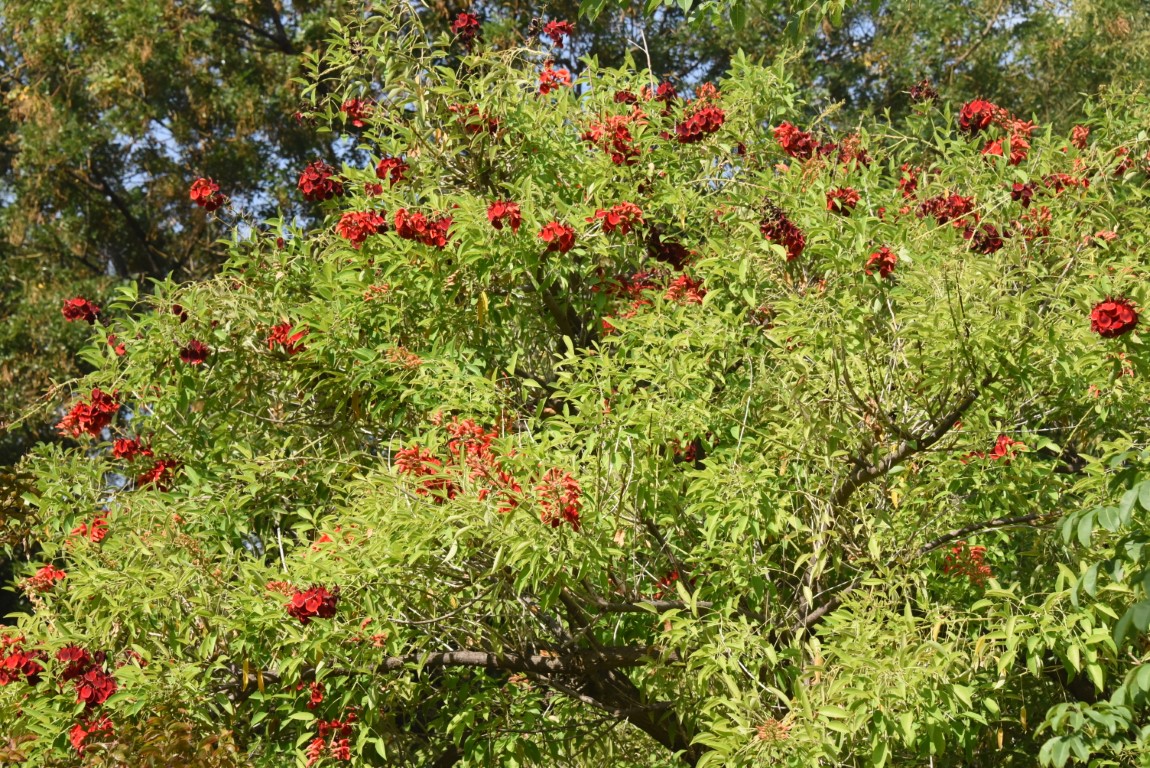
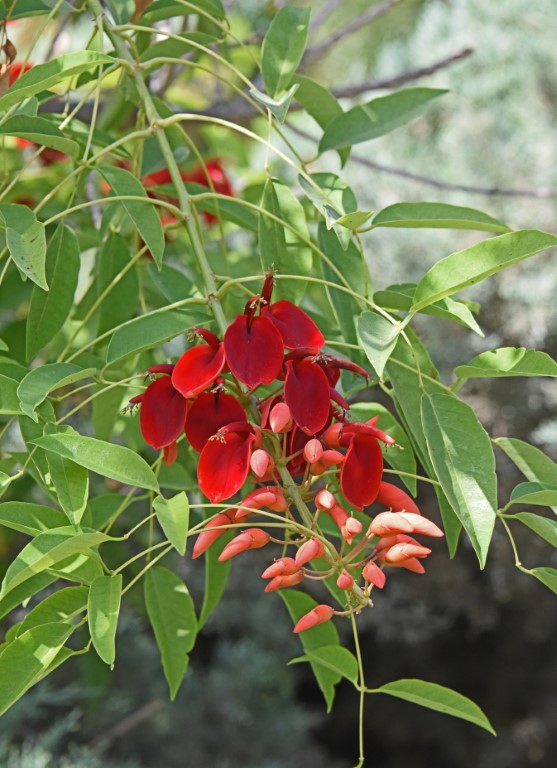
A shrub or small tree with a trunk circumference of approximately 50 cm. The height of the trees ranges between 5 and 8 m, however, individuals reaching 10 m have also been recorded. The woody trunk of the tree bears thorny branches that may approach 50 cm in circumference. The leaves grow alternately, are petiolate and compound, with 3 ovate and acuminate leaflets, each 5-8 cm long and 2-3 cm wide. The species is deciduous, meaning it does not retain its foliage throughout the year. Its root system consists of a taproot. The roots bear nodules produced by nitrogen-fixing bacteria. These bacteria live symbiotically with the tree, facilitating the absorption of nitrogen by the plant in exchange for organic substances necessary for their metabolic processes.

(flowering period, flowers, seeds)

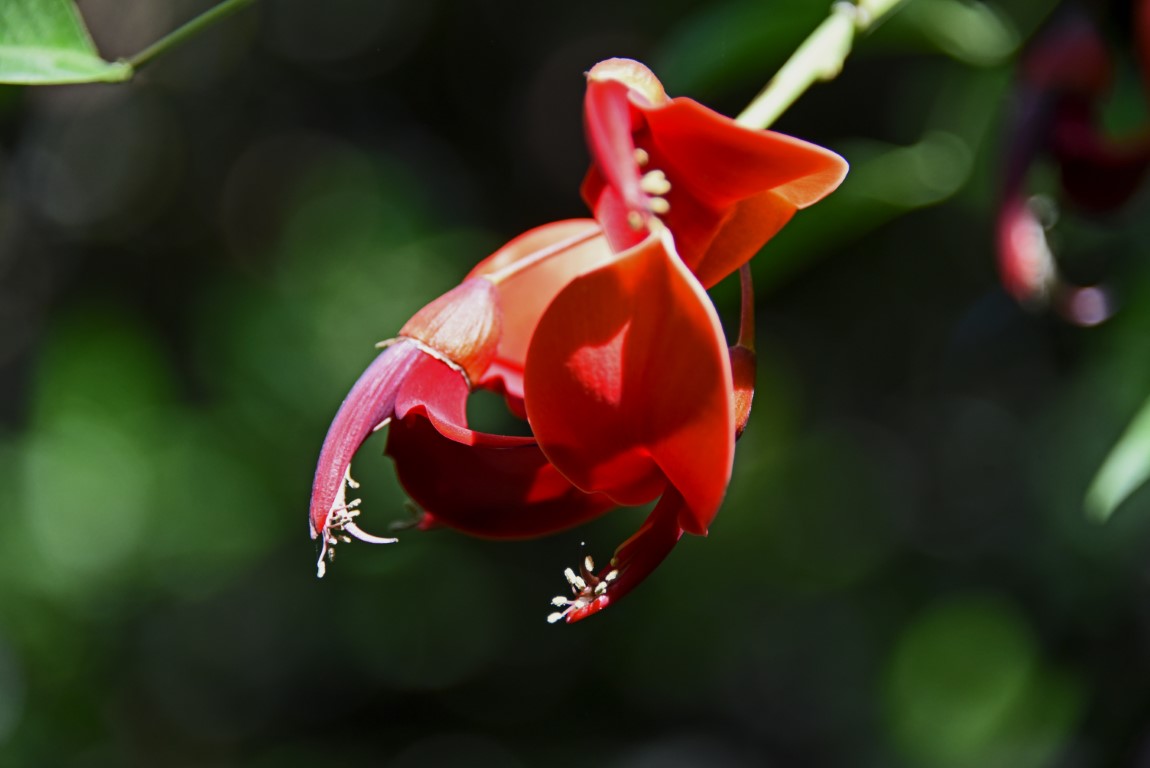
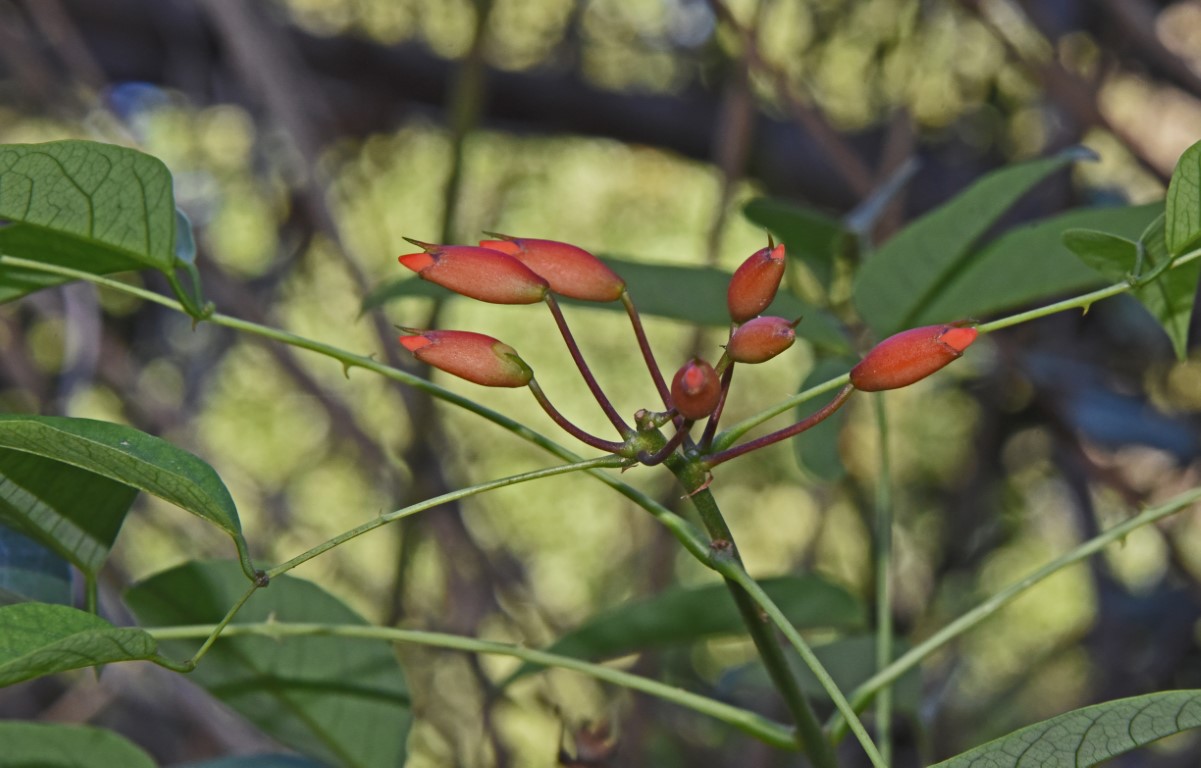
The flowers of the species are hermaphroditic, terminal, pentamerous, and red. They are organized in racemose inflorescences. The flowering period lasts from October to April in South America and from April to October in the northern hemisphere. The fruit is woody, 10-14 cm long and 1-1.5 cm wide. It contains on average 5-10 dark brown to reddish kidney-shaped seeds, 1-1.5 cm in length.

Plants of this species stand out because of their impressive red flowers, which resemble a cock’s comb. The name “Erythrina” derives from the Greek word “ἐρυθρός – erythrós” meaning red, and the Latin epithet “crista-galli” meaning “cock’s comb”. The species is known by many common names, such as Cockspur Coral Tree internationally and “ceibo” (in Argentina), “corticeira” or “corticeira-do-banhado” in Brazil, indicating its frequent presence in wet environments. Due to its ecological importance and the degradation of its natural habitats, E. crista-galli has been designated a protected species in Brazil by CONAMA.

The first recording of the species was made by Carl Linnaeus in 1767, in the first volume of his publication, “Mantissa Plantarum”. In 1942, the Coral Tree was declared the national tree of Argentina (decree 138474/42), a procedure also followed by Uruguay 10 years later, in 1952.

Traditionally, various parts of the plant are used in folk medicine to treat ailments such as rheumatism, liver disorders, asthma, insomnia, and inflammation. Extensive phytochemical studies have revealed the presence of alkaloids and flavonoids with significant biological activities, such as antibacterial and antifungal activity against pathogenic microorganisms, as well as anti-inflammatory and antioxidant properties, making the species an important subject of modern pharmacological research. The bark of the trees is used medicinally in cases of rheumatism, and it can act, among other things, as a diuretic and antispasmodic agent. The resin of the trees treats intestinal ailments, and their leaves contain camphor, a substance with healing and anti-inflammatory properties.

It is frequently planted for ornamental purposes, and the seeds of the species are utilized as beads for jewelry making.

(Note: Ethnobotanical data regarding the medicinal uses of plants must be handled with caution, and their application should be carried out exclusively under medical supervision).

  • https://www.worldfloraonline.org
  • https://powo.science.kew.org
  • https://www.socfindoconservation.co.id
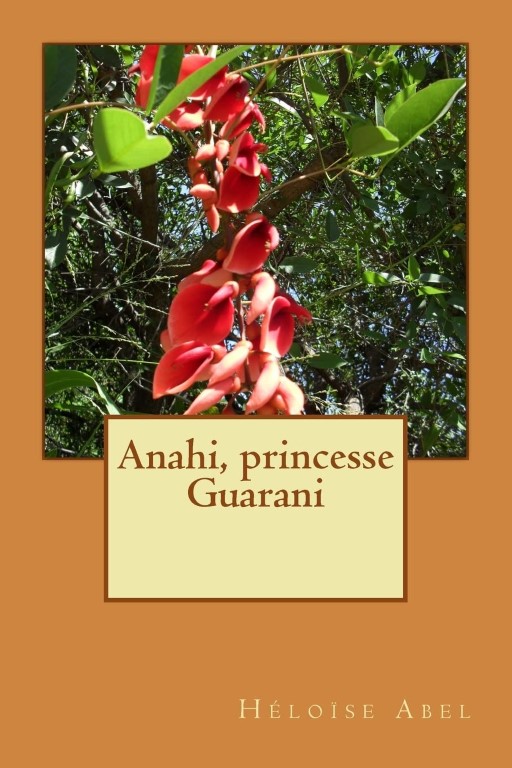
  • Abel, H. (2015). Anahí, princesse Guarani. CreateSpace Independent Publishing Platform.
  • De Ávila, J. M., Dalcol, I. I., Pereira, A. O., Santos, E. W., Ferraz, A., Santos, M. Z., Mostardeiro, M. A., & Morel, A. F. (2018). Antimicrobial evaluation of erythrinan alkaloids from Erythrina cristagalli L. Medicinal Chemistry, 14(8), 784–790. https://doi.org/10.2174/1573406414666180524081650
  • De Farias, V., Maranho, L. T., De Vasconcelos, E. C., Da Silva Carvalho Filho, M. A., Lacerda, L. G., Azevedo, J. A. M., Pandey, A., & Soccol, C. R. (2009). Phytodegradation potential of Erythrina crista-galli L., Fabaceae, in petroleum-contaminated soil. Applied Biochemistry and Biotechnology, 157(1), 10–22. https://doi.org/10.1007/s12010-009-8531-1
  • Galetto, L., Bernardello, G., Isele, I. C., Vesprini, J., Speroni, G., & Berduc, A. (2000). Reproductive biology of Erythrina crista-galli (Fabaceae). Annals of the Missouri Botanical Garden, 87(2), 127–141. https://doi.org/10.2307/2666157
  • Jiang, G., Yang, S., Sun, Q., Zhou, R., Zhan, R., Aisa, H. A., & Chen, Y. (2024). Compounds from the leaves and stems of Erythrina crista-galli. Chemistry of Natural Compounds, 60(2), 310–313. https://doi.org/10.1007/s10600-024-04310-w
  • Larré, C. F., Fernando, J. A., Marini, P., Bacarin, M. A., & Peters, J. A. (2013). Growth and chlorophyll a fluorescence in Erythrina crista-galli L. plants under flooding conditions. Acta Physiologiae Plantarum, 35(5), 1463–1471. https://doi.org/10.1007/s11738-012-1187-4
  • Maier, U. H., Rödl, W., Deus-Neumann, B., & Zenk, M. H. (1999). Biosynthesis of Erythrina alkaloids in Erythrina crista-galli. Phytochemistry, 52(3), 373–382. https://doi.org/10.1016/s0031-9422(99)00230-7
  • Weber, D., Gorzalczany, S., Martino, V., Acevedo, C., Sterner, O., & Anke, T. (2005). Metabolites from endophytes of the medicinal plant Erythrina crista-galli. Zeitschrift für Naturforschung C, 60(5-6), 467–477. https://doi.org/10.1515/znc-2005-5-616

References in Αrt

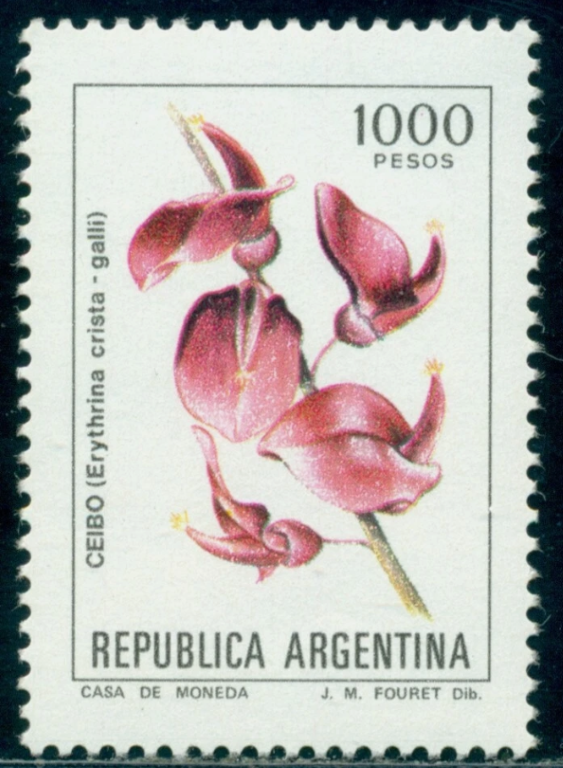
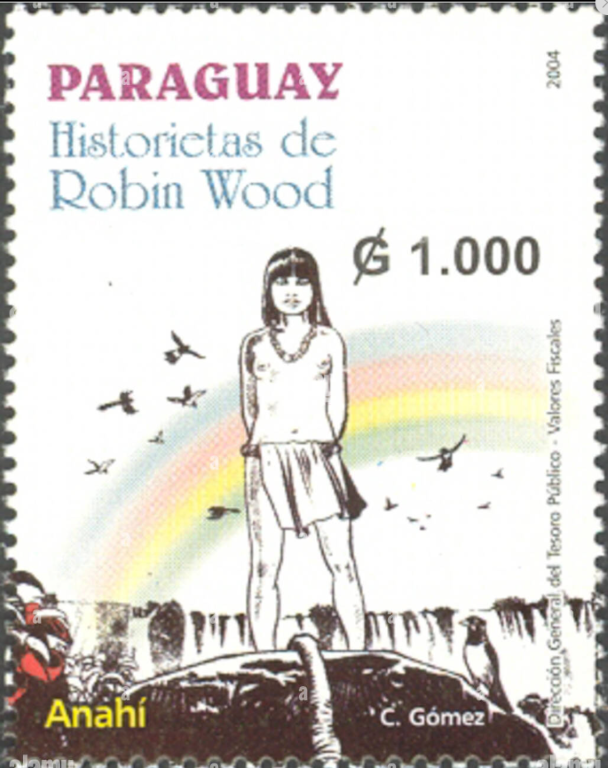
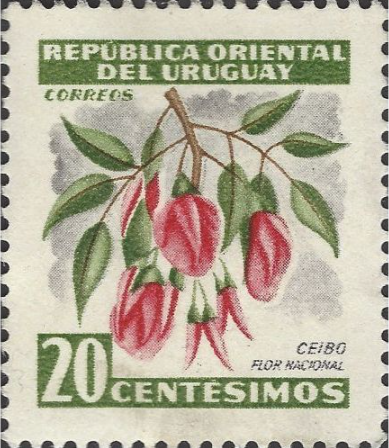
The species is frequently mentioned in traditional songs and poems of Argentine culture. According to the tradition of the Guarani tribe of Argentina, Anahí was an indigenous girl, daughter of the tribe’s chief, who passionately loved her land, wandered alone in the forests, and knew every corner of the place, all the birds and flowers. One day Spanish invaders arrived in her tribe’s lands; she defended herself and was captured to be executed by burning at the stake. Tied to a tree on the riverbank, they piled wood at her feet and set it on fire. To the surprise of those watching the scene, Anahí, with her beautiful voice, began to sing a song asking her God to protect their land, the forests, the rivers, and her tribe. However, in the night, her body became the trunk of the Coral Tree and her ashes transformed into its vibrant red flower, adorned with beautiful hanging clusters of red young flowers, as red as the flames that had consumed her, immortalizing her spirit and sacrifice forever. Since then, the flower of the plant is called Anahí. In 2004, Paraguay released a postage stamp series themed after the legend of Anahí. Furthermore, the plant itself was depicted on Uruguayan stamps in 1954, designated as the national flower, and was subsequently featured in similar Argentinian issues.