
Subtropical and temperate dry forests in regions with mild climates. The species thrives in urban environments with sun and well-drained soil.

(height, leaf arrangement, leaf shape, root system)

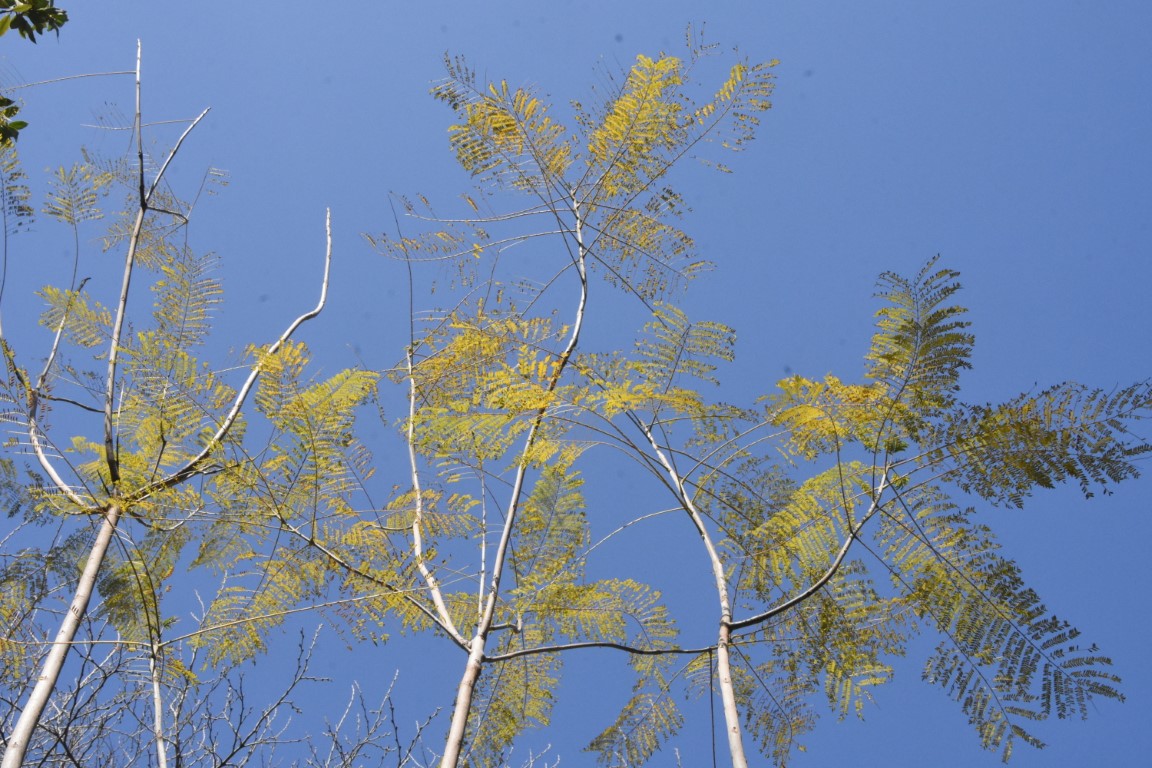
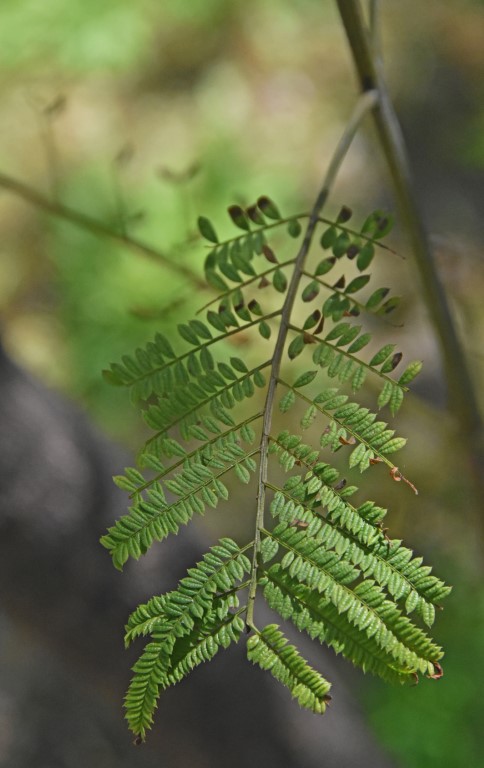
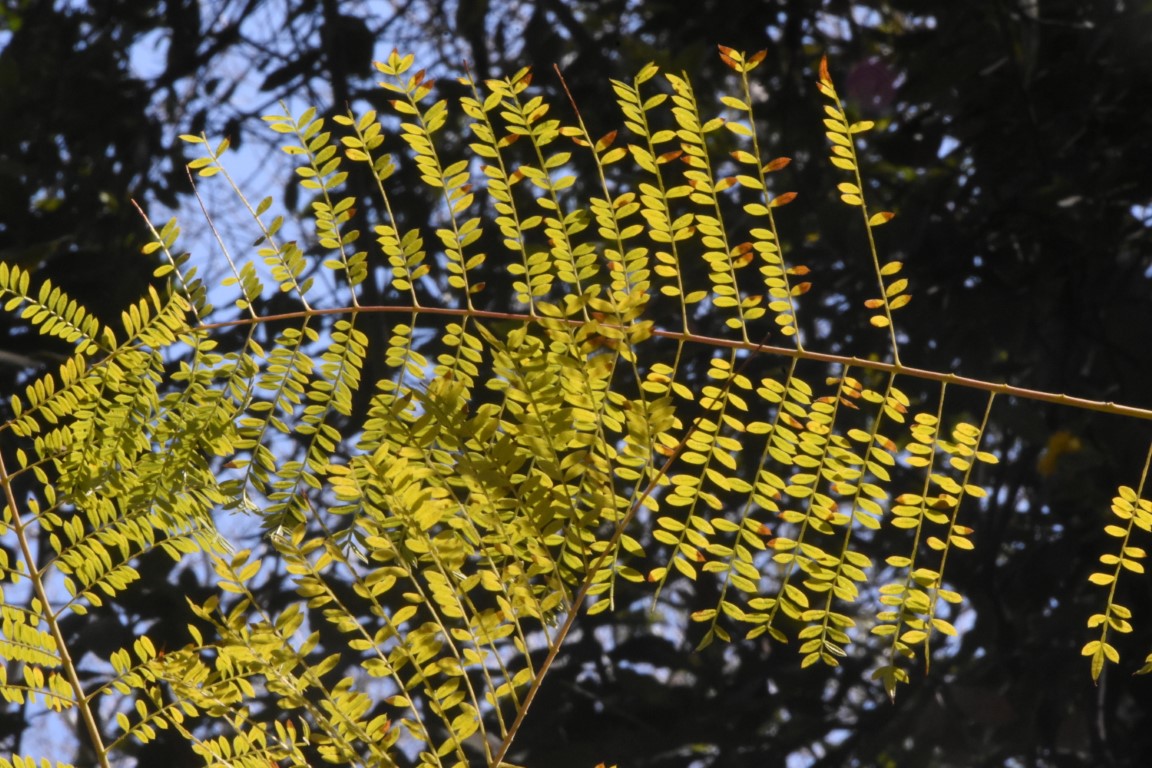
Deciduous tree 5-15 m in height. It has a grey-brown trunk that can reach 45 cm in diameter and thin, red-brown branches. The leaves of the species are green and compound, with each reaching up to 10 cm in length, possessing 13-41 elliptical leaflets, 3-12 mm long and 1-4 mm wide. The root system is particularly strong and extensive horizontally, a trait that renders the trees a likely cause for the destruction of sidewalks and roads.

(flowering period, flowers, seeds)

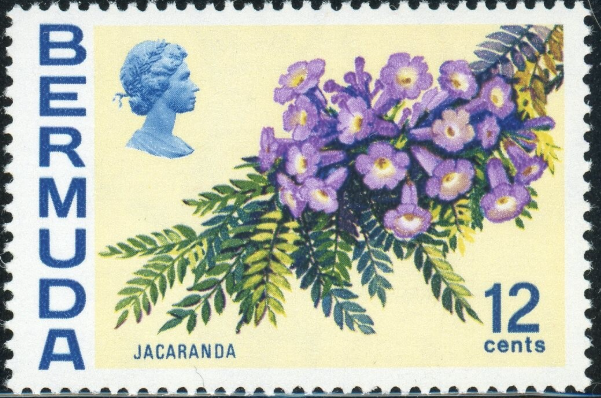
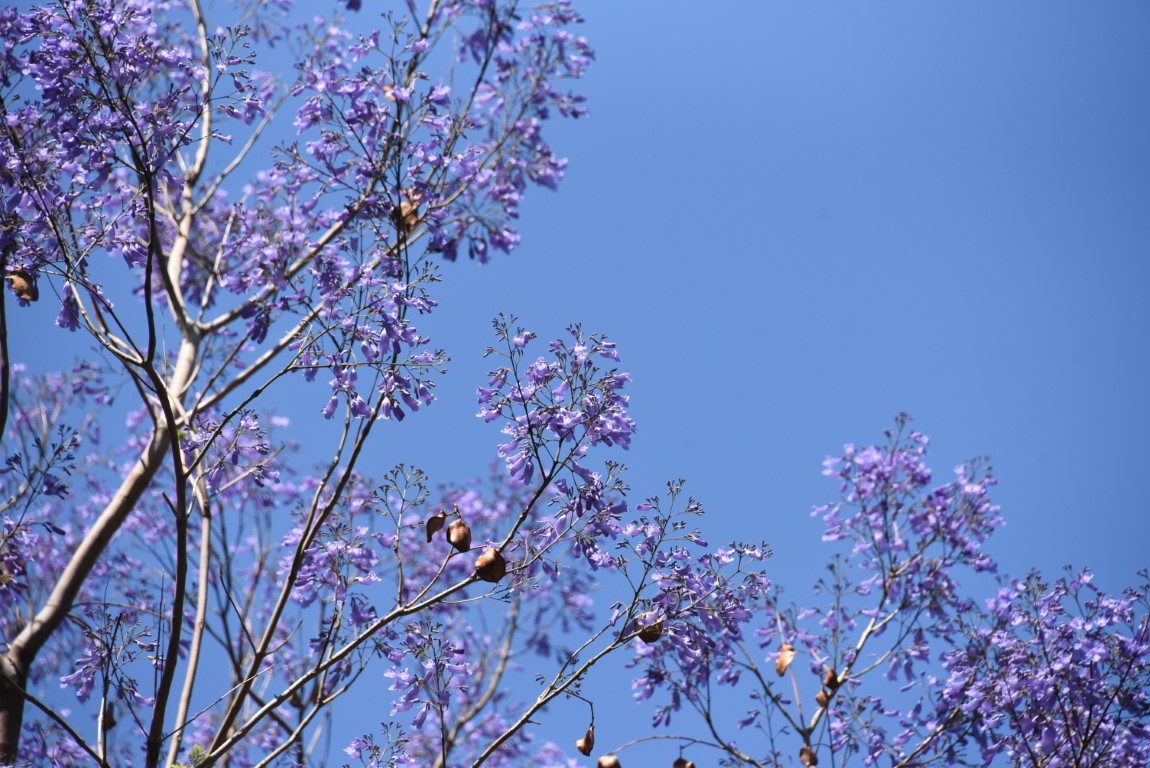
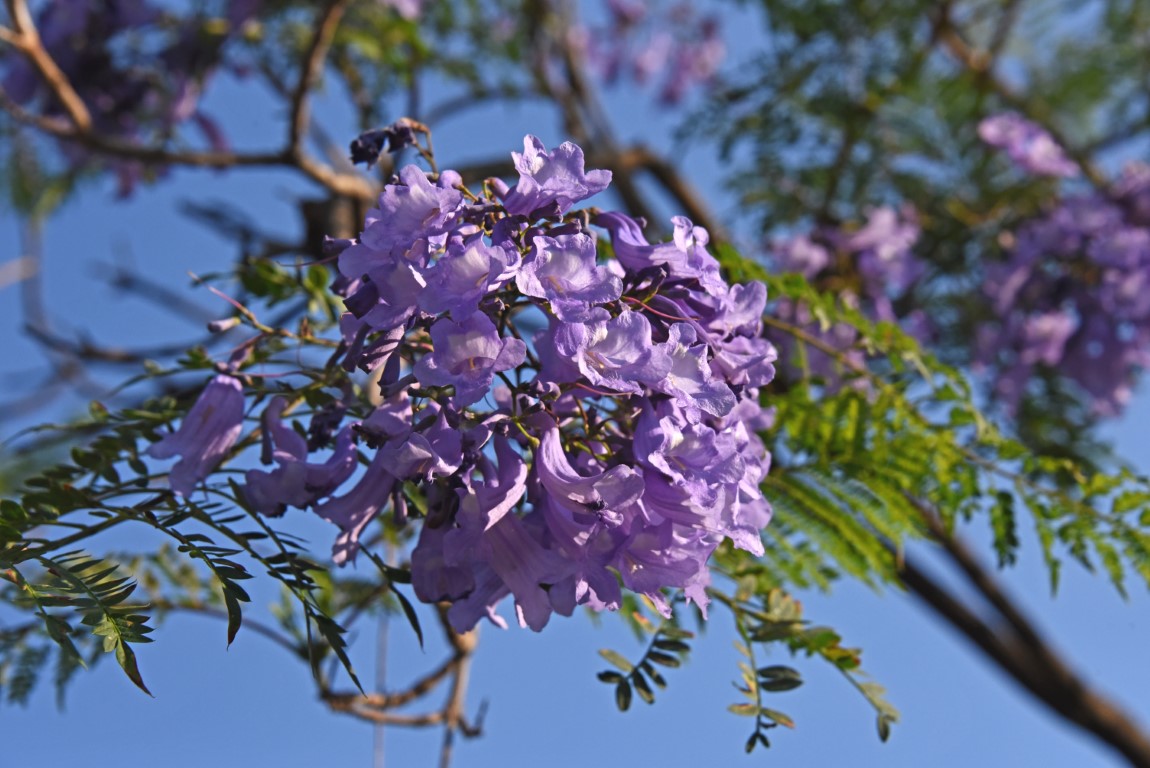
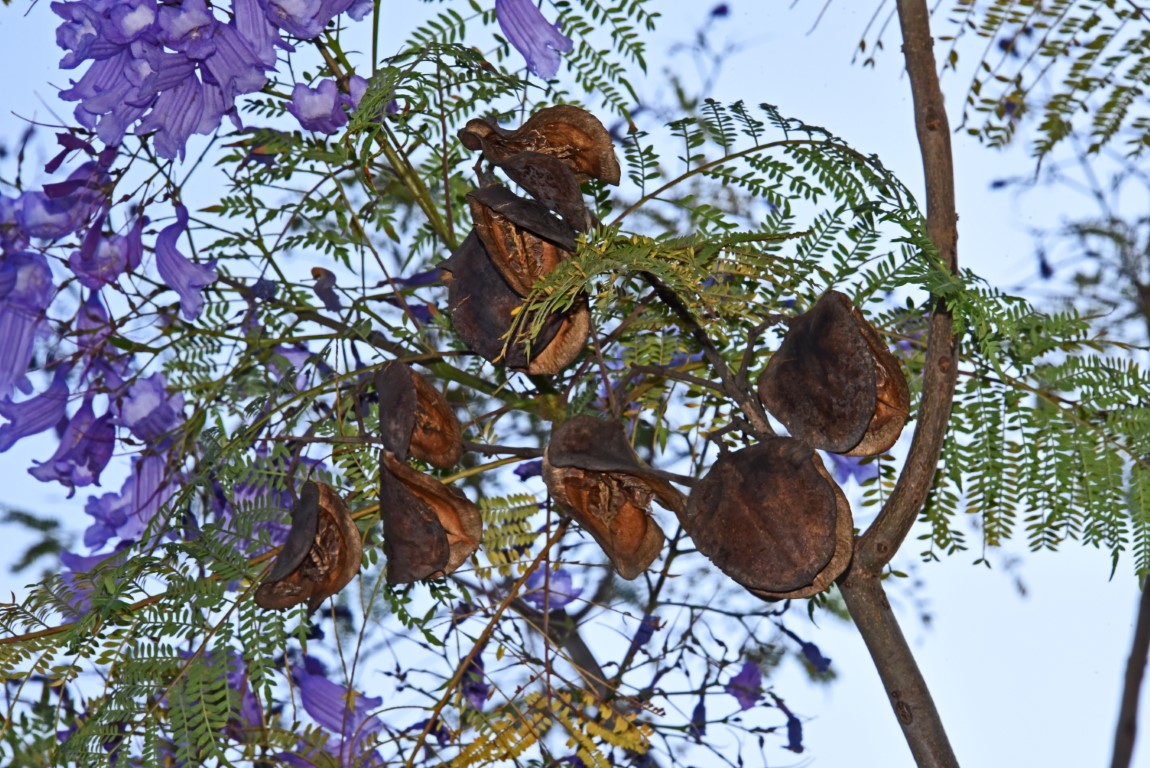
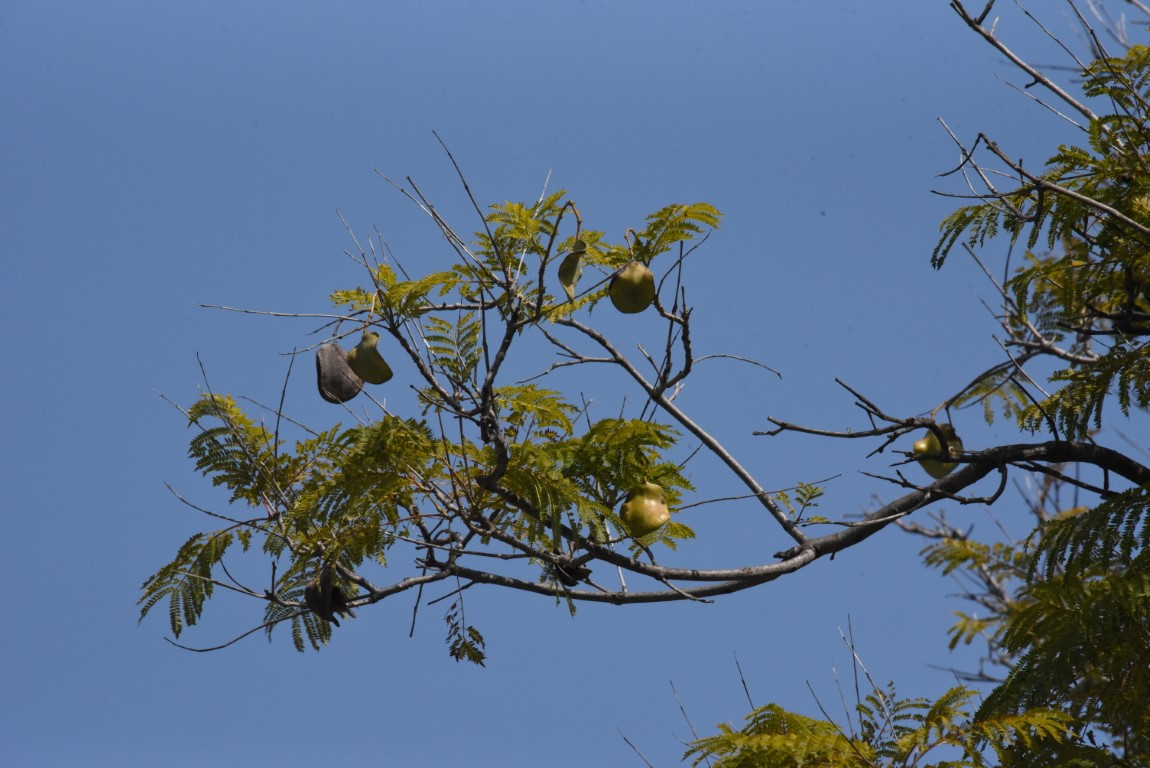
The flowers of the species are hermaphroditic of impressive blue-violet color, organized in large panicle inflorescences. The flowering period lasts during the Spring months up to the beginning of Summer. From the fertilized flowers, round, flat, woody capsules of 2.5 to 8 cm in diameter arise, from which numerous winged brown seeds are released.

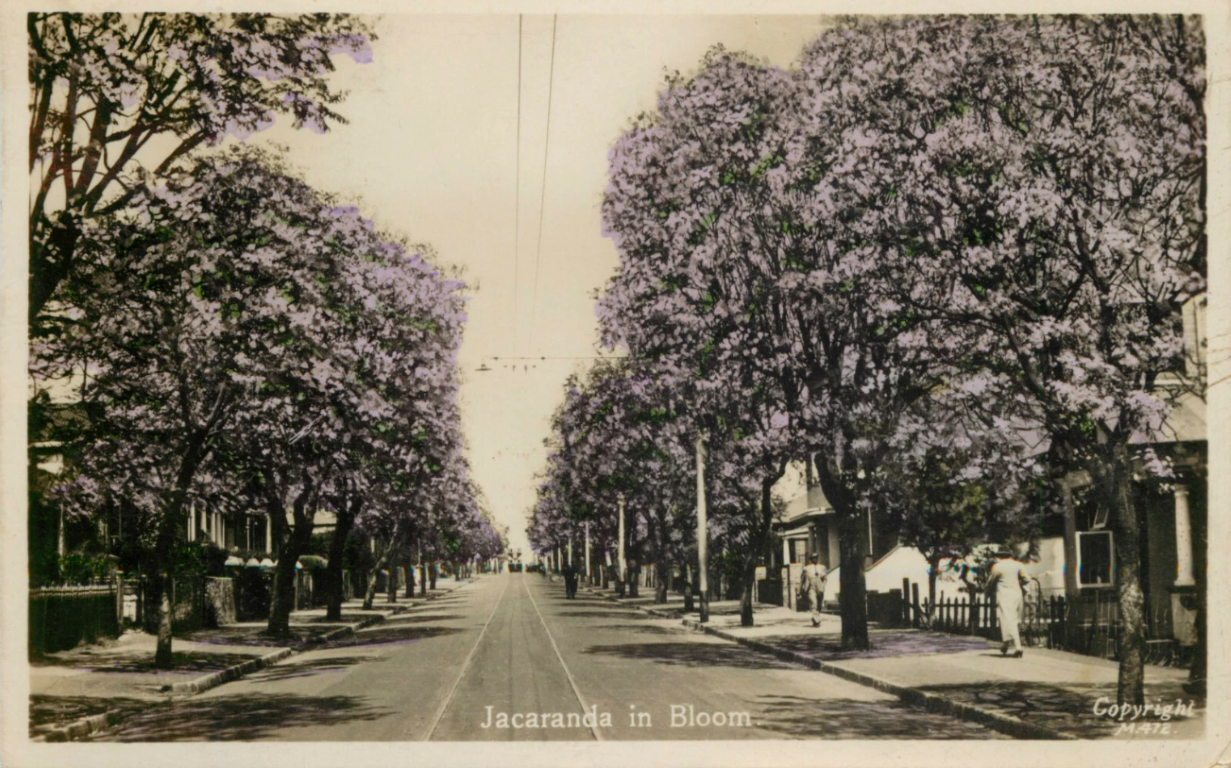
Jacaranda trees stand out for their impressive purple flowers, with which they flood sidewalks during the summer. At the University of Queensland in Australia, numerous jacarandas have been planted, resulting in the use of the term “purple panic” among students, as the falling of the purple flowers signals the start of their exam period.

Pretoria, the administrative capital of South Africa, due to the numerous Jacaranda trees that have been planted there, is called the “Jacaranda City”.

The first recording of the genus Jacaranda was made by the naturalist Georg Marcgraf in 1648 in his work “Historia Naturalis Brasiliae”. The genus belongs to the family Bignoniaceae and includes 49 species found in tropical and subtropical regions worldwide. Trees of the genus are often the first to colonize an area and grow rapidly in open spaces or forest gaps, with seed dispersal mainly via wind. The botanist Allan Cunningham introduced the species Jacaranda mimosifolia to Europe in 1818, sending specimens from Brazil to the Royal Botanic Gardens, Kew, in London. Although older sources give the species the name Jacaranda acutifolia, it is now classified as Jacaranda mimosifolia, with the two names being treated as synonyms. Rarely are the two species considered different, with their differences lying in the geographical location of origin, as the species Jacaranda acutifolia originates from Peru.

The trees are planted mainly for ornamental purposes. Species of the genus Jacaranda, particularly Jacaranda acutifolia, are used traditionally for medicinal purposes, such as treating rheumatism, skin ailments, urinary tract infections, and sexually transmitted diseasesFlower extracts have antioxidant properties, resulting in their utilization as an ingredient in various cosmetic products.. The bark, leaves, and flowers are applied directly or as decoctions, while essential oils and bioactive components, such as flavonoids, anthocyanins, triterpenes, and quinones, offer antioxidant, antimicrobial, and anticancer activity. These pharmacological properties explain their traditional use and reinforce the importance of the plant in ethnobotanical practice, as well as in modern applications in pharmaceutical and cosmetic products.

(Note: Ethnobotanical data regarding the medicinal uses of plants must be handled with caution, and their application should be carried out exclusively under medical supervision).

  • https://hort.ifas.ufl.edu
  • https://www.worldfloraonline.org
  • Bajaj, Y. P. S. (1989). Some Indian ornamental trees: Cassia fistula Linn., Poinciana regia (Boj.) and Jacaranda acutifolia auct. In Y. P. S. Bajaj (Ed.), Biotechnology in agriculture and forestry (pp. 469–476). Springer. https://doi.org/10.1007/978-3-642-61535-1_25
  • Gachet, M. S., & Schühly, W. (2008). Jacaranda—An ethnopharmacological and phytochemical review. Journal of Ethnopharmacology, 121(1)
  • , 14–27. https://doi.org/10.1016/j.jep.2008.10.015
  • Latta, P. A. (2007). Edenic narratives in the nature poetry of Chile’s Pablo Neruda and Gabriela Mistral. ISLE: Interdisciplinary Studies in Literature and Environment, 14(2), 141–163.
  • Mostafa, N. M. (2017). Hepatoprotective, antihyperglycemic and cytotoxic activities of Jacaranda acutifolia leaf extract. Medicinal & Aromatic Plants, 06(04). https://doi.org/10.4172/2167-0412.1000297
  • Mostafa, N. M., Ashour, M. L., Eldahshan, O. A., & Singab, A. N. B. (2015). Cytotoxic activity and molecular docking of a novel biflavonoid isolated from Jacaranda acutifolia (Bignoniaceae). Natural Product Research, 30(18), 2093–2100. https://doi.org/10.1080/14786419.2015.1114938
  • Neruda, P. (1950). Vegetaciones. In Canto general (Section VIII: La tierra se llama Juan). University of California Press.
  • Piso, W., & Marcgraf, G. (1648). Historia naturalis Brasiliae: In qua non tantum plantae et animalia, sed et indigenarum morbi, ingenia et mores describuntur et iconibus supra quingentas illustrantur. Franciscum Hackium; Lud. Elzevirium.
  • Singab, A. N. B., Mostafa, N. M., Eldahshan, O. A., Ashour, M. L., & Wink, M. (2014). Profile of volatile components of hydrodistilled and extracted leaves of Jacaranda acutifolia and their antimicrobial activity against foodborne pathogens. Natural Product Communications, 9(7), 1007–1010. https://doi.org/10.1177/1934578×1400900731
  • Seferis, G. (1945). Imerologio katastromatos B [Logbook II]. Ikaros.

References in Αrt

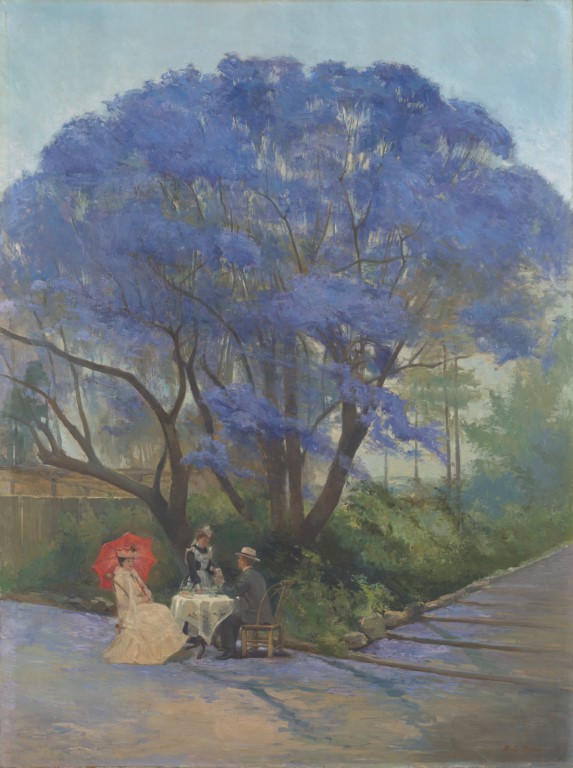
The 1903 painting “Under the Jacaranda” is a work by the Australian artist Godfrey Rivers. The painting depicts Rivers and his wife Selina drinking afternoon tea under a blooming jacaranda in the Brisbane Botanic Gardens, which is considered the first tree of the species in the city, planted by the botanist Walter Hill in the late 19th century.

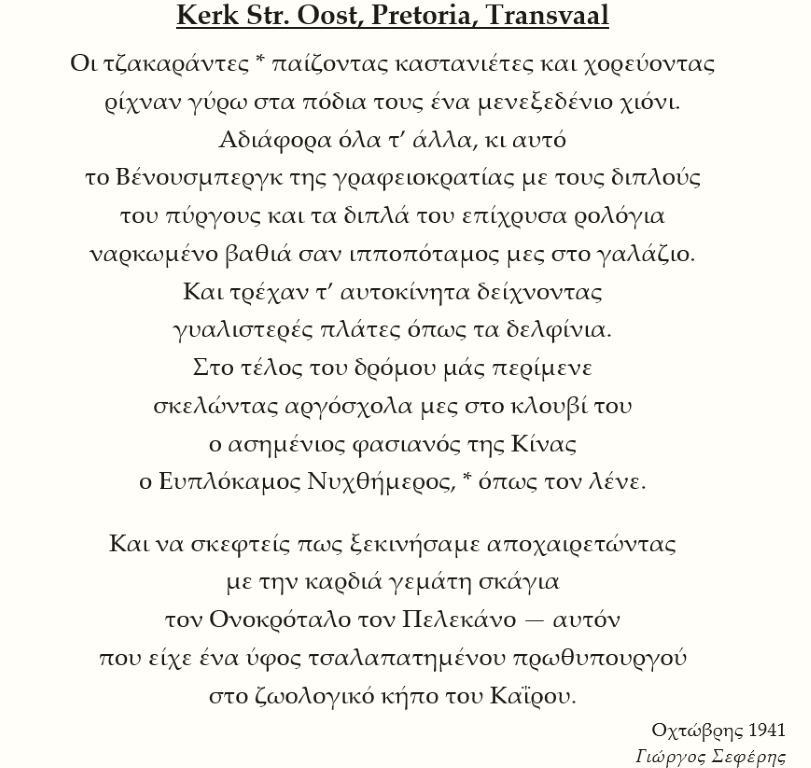
In October 1941, while in Pretoria, the Greek poet George Seferis witnessed the blossoming of the jacaranda trees, an image that inspired his poem “Kerk Str. Oost, Pretoria, Transvaal”. Through this work, he articulates the tragic isolation of the exile who beholds the indifferent prosperity of a foreign land while his own homeland faces collapse.

Pablo Neruda in his poem “Vegetaciones”, included in “Canto General”, refers to the tree as an image of foaming marine radiance, a tree that raises “foam from transoceanic reflections”, symbolizing the explosive, almost cosmic vitality of nature.