
It grows in warm, dry, and desert regions. It requires large amounts of water, which is why it typically occurs in oases.
(height, leaf arrangement, leaf shape, root system)
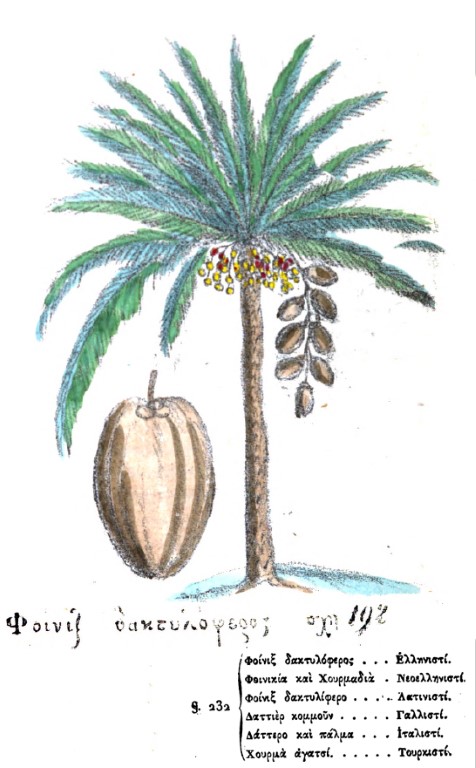
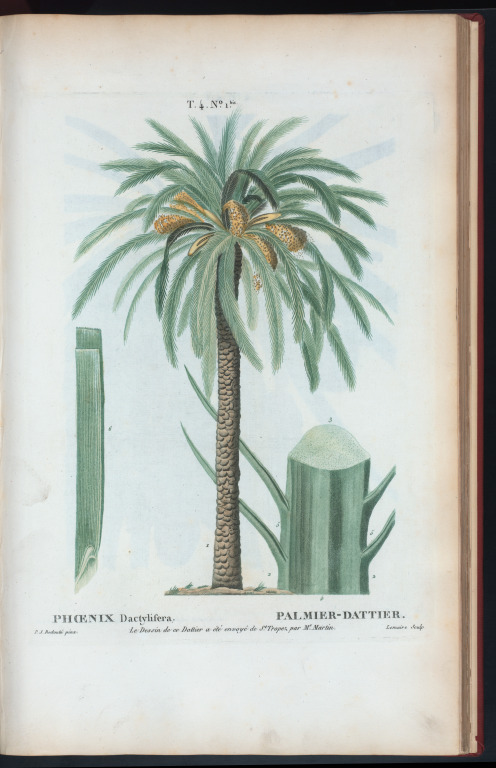
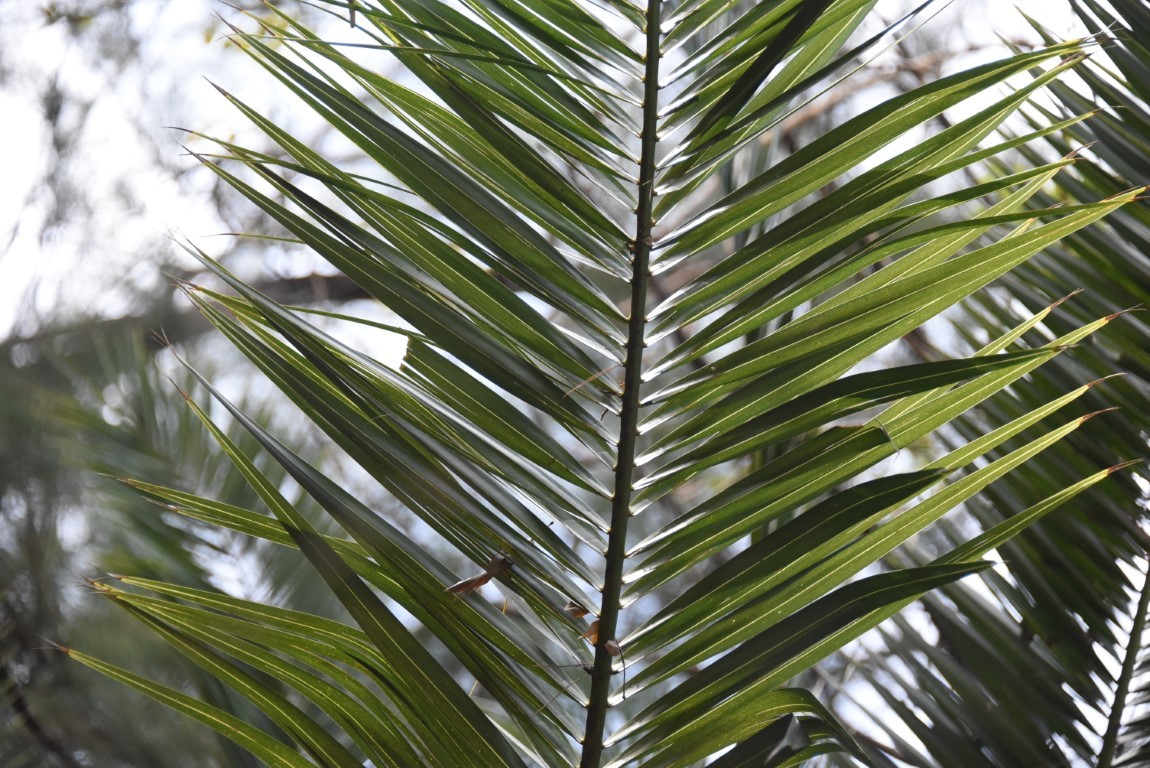
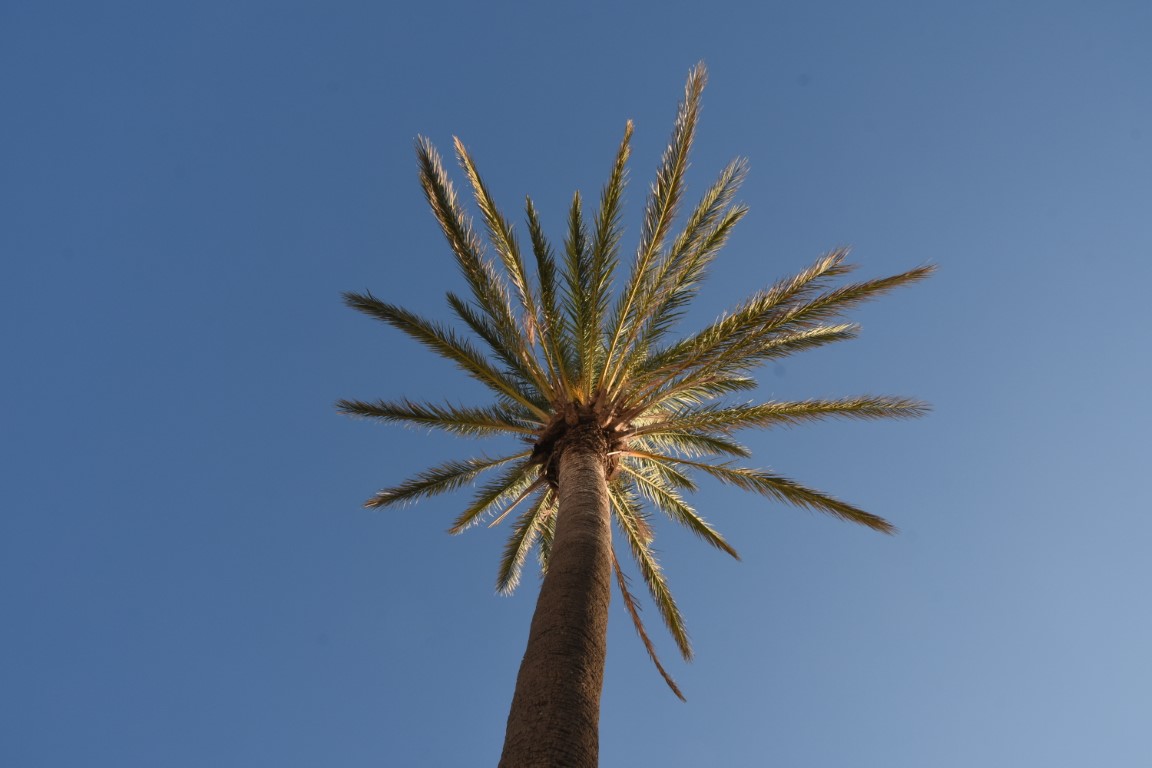
It is a slow-growing evergreen palm tree that can reach a height of 20 to 30 m, with a slender cylindrical trunk of grayish-brown color, bearing the characteristic marks of the bases of old leaves. Its root system is extensive and fibrous, with the ability to produce more than one shoot from the same root system and with the presence of pneumatophorous structures that facilitate gas exchange. The crown is formed at the top of the trunk and has a diameter of 6 to 10 m, consisting of 20 to 40 large leaves that form a spherical to hemispherical canopy. The leaves are compound, pinnate, and reach a length of 5.5 to 6 m, with a petiole bearing spines at the base, and each leaf carries approximately 150 leaflets, 30 to 60 cm long and about 2 cm wide. The leaflets are rigid, leathery, and have a characteristic silvery-green color. The date palm can live for more than 100 years, withstands temperatures down to –10 °C, and requires intense light and sufficient water for its growth.
(flowering period, flowers, seeds)
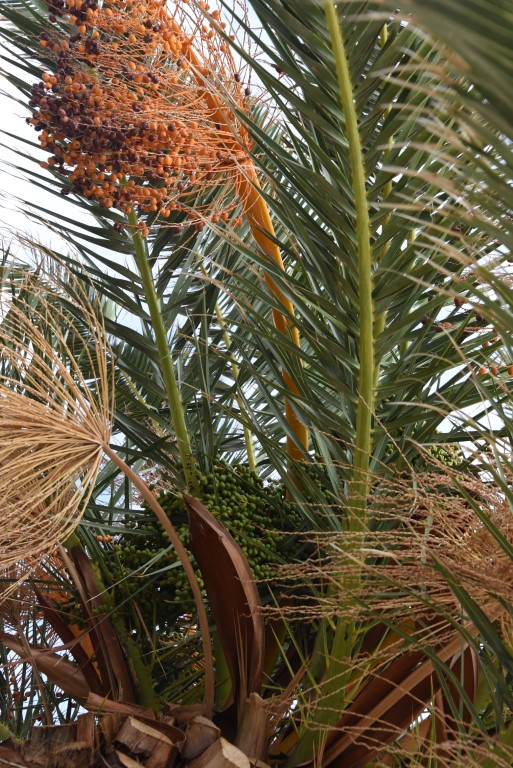
It is a dioecious plant, with separate male and female individuals. In nature, pollination is carried out by the wind; however, in traditional oases and in modern commercial plantations, manual pollination is systematically applied to achieve higher yields. The flowers appear in spadices that develop in the axils of the previous year’s leaves in mid-spring. The male flowers are small, white to pale yellow, and rich in pollen, while the female flowers are also small but more spherical, and green. The fruits, known as dates, are ovoid to cylindrical, 3–7 cm long and approximately 2–3 cm in diameter. Depending on the variety, during ripening they acquire a color ranging from bright red to vivid yellow, while in their final mature form they may be brown to dark brown. Inside they contain a single seed, spindle-shaped, 2–2.5 cm long and 6–8 mm thick, with a hard endocarp. Although the date palm can be propagated from seeds, only about 50% of the seedlings are female and capable of producing fruits, which are often smaller and of lower quality compared to cultivated varieties. For this reason, most commercial plantations use vegetative propagation through offshoots or cuttings from productive varieties, which ensure better fruit quality and earlier fruiting by 2–3 years compared to plants originating from seeds.
Mature trees can produce 70 to 140 kilograms of dates per harvest season.
Fossil records indicate that the date palm has existed for at least 50 million years. Archaeological evidence further attests to its cultivation by a Neolithic civilization in western Pakistan circa 7000 BCE, as well as in Arabia by 6000 BCE. In Euripides’ works, Leto gives birth to Apollo and Artemis beneath the branches of a palm and a laurel tree, which emerged as sacred omens of the divine nativity. In the Odyssey, during his encounter with Nausicaa, Odysseus likens the young maiden to the upright shoot of a palm tree he once beheld rising beside the altar of Apollo on the island of Delos. According to Herodotus, palm trees and various other fruiting and non-fruiting trees were planted on islands housing Apollonian sanctuaries, while inhabitants utilized the palm even for the creation of garments. Pausanias describes an impressive bronze palm tree at Delphi, which supported a golden statue of the goddess Athena—a votive offering dedicated by the Athenians following their decisive double victory at the Battle of Eurymedon (~466 BCE) against the Persians.
Palm plantations in Judaea and Egypt are documented by Pliny the Elder, while Strabo provides a comparative analysis of their quality, noting that those surrounding the Nile Delta and Alexandria were considered inferior, whereas the finest variety was located in Thebes. Theophrastus offers a botanical description of the palm, mentioning the “Babylonian royal” variety; he observes that the species thrives in saline soils and arid regions, possessing a long lifespan and sustained productivity (though the removal of its apex leads to withering). He further notes that transplantation to new environments, such as Rhodes, may diminish its yield. According to Xenophon, soldiers in Mesopotamia purchased date wine and traversed the Euphrates on rafts constructed from palm timber. In Ionia, Strabo records a sacred palm grove adjacent to the Temple of Apollo, while extensive plantations of palms, olives, and laurels were found along the eastern Mediterranean coast. The Roman orator Cicero remarks that the Athenians of his era continued to exhibit the “immortal’ palm of Delos—the very one seen by Odysseus. The palm also served as an augury; in Rome, it was deemed a propitious sign when palms sprouted around the temple of a goddess who had recently returned from a distant ritual. Even Julius Caesar, while clearing a forest, ordered the preservation of a solitary palm as a favorable omen.
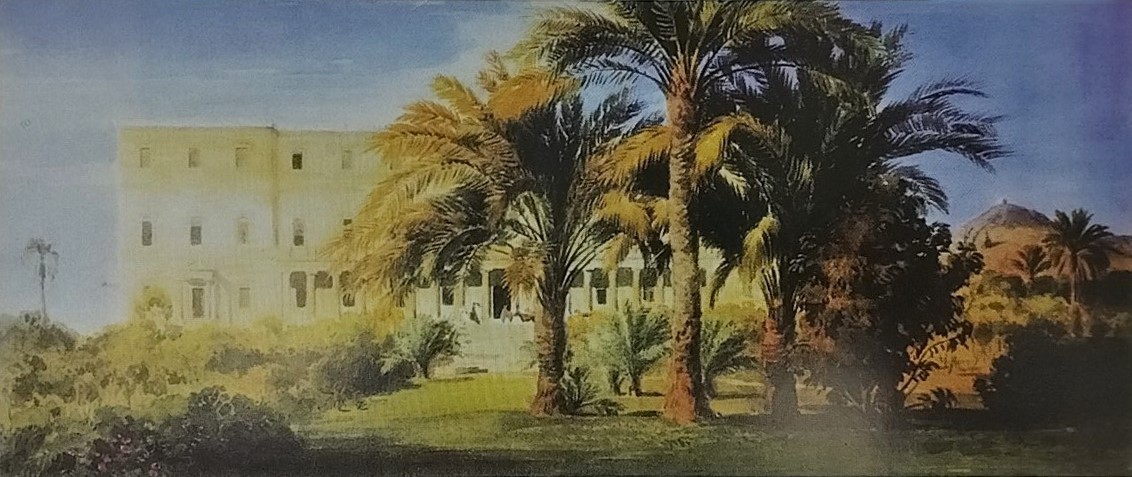
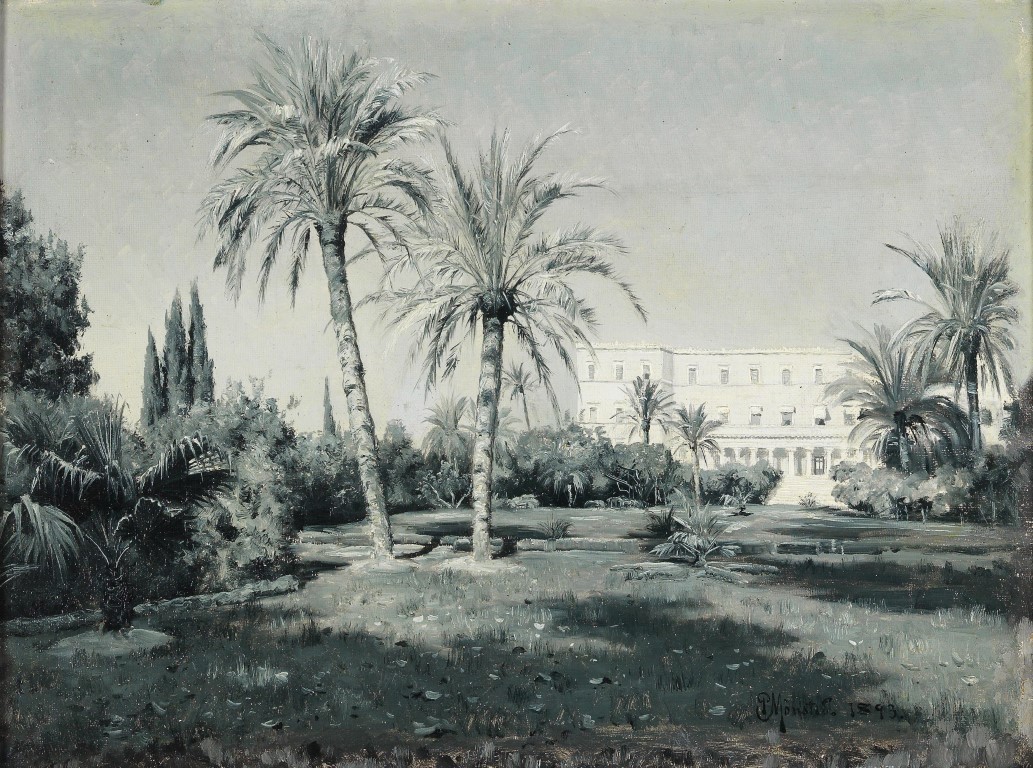
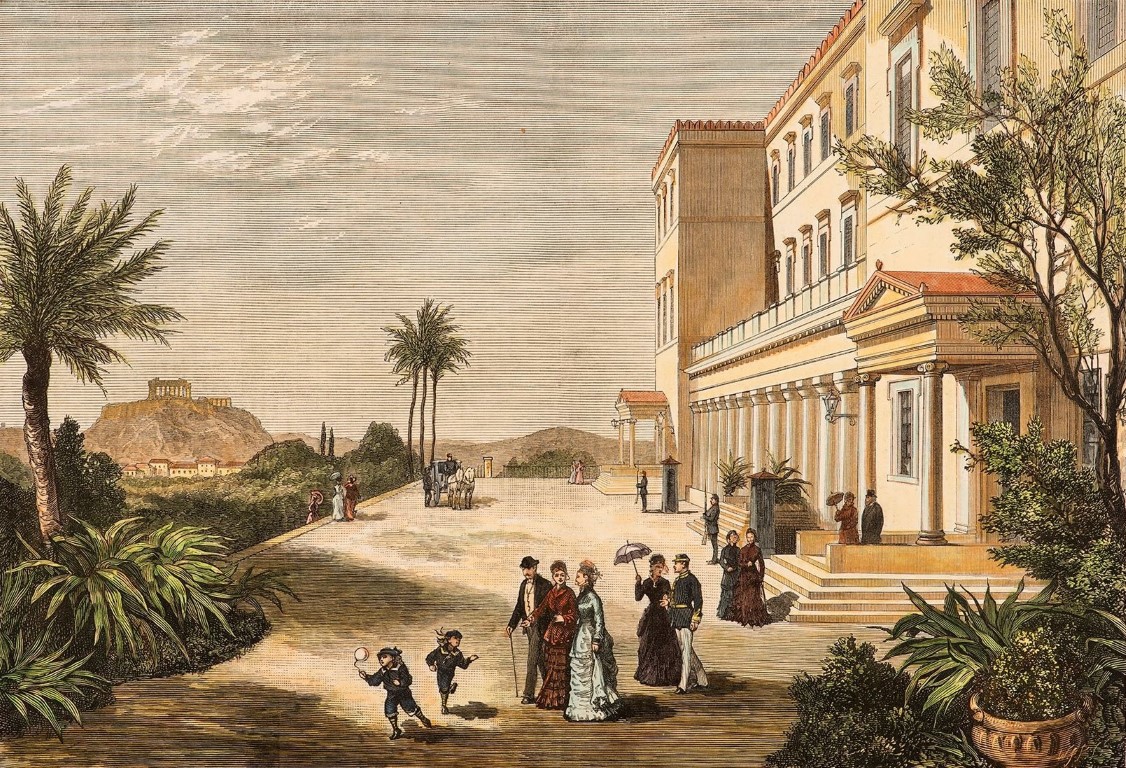
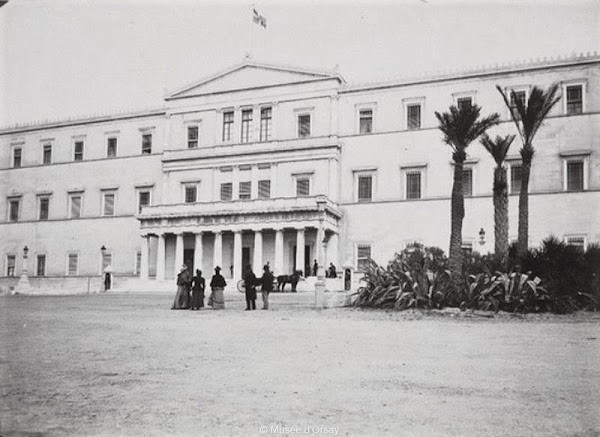
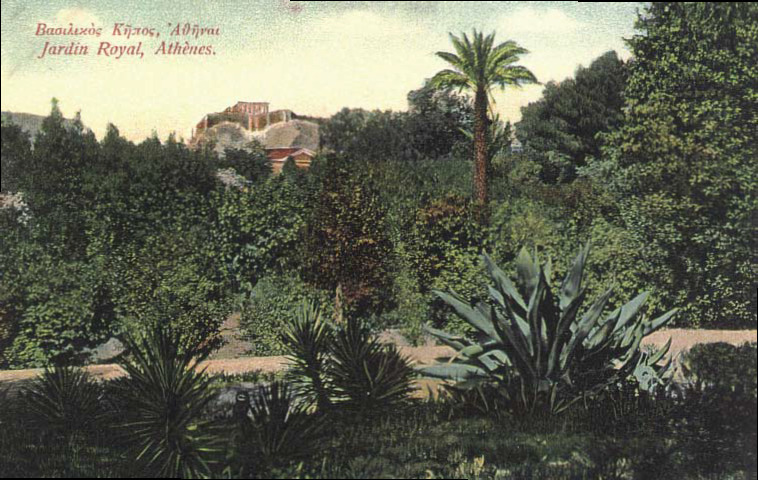
This tradition endured into Late Antiquity and the Medieval period. Vast palm groves are described in Mesopotamia, with Procopius noting regions where no vegetation grew except for palms, as if the earth had selected a single species to nurture. In Christian tradition, during Jesus’ entry into Jerusalem, the populace welcomed him with palm branches, recognizing him as king and savior. Similarly, in the Book of Revelation, “a multitude from every nation stands before the throne of God, holding palms of victory”. The plant’s fronds continue to be used during Palm Sunday in the Christian liturgy. The tree was extensively cultivated as a primary food source in ancient Israel, the cradle of Judaism and later Christianity; consequently, dates are mentioned more than 50 times in the Bible and 20 times in the Quran. In modern Greek history, Queen Amalia brought three palm trees from the island of Ios to decorate the exterior of the National Garden in Athens. Although these palms no longer survive today, they were preserved in an engraving dating to 1877. Queen Amalia herself wished to be remembered as the “Queen of the Palms”. In fact, as she describes in the letters sent to her father, she had even bestowed names upon some of them (recording, for instance, “Aslauga”—a name that most likely refers to the mythical Queen of Scandinavia from the work of Friedrich de la Motte Fouqué, a figure who embodies a blend of nobility and solitude.
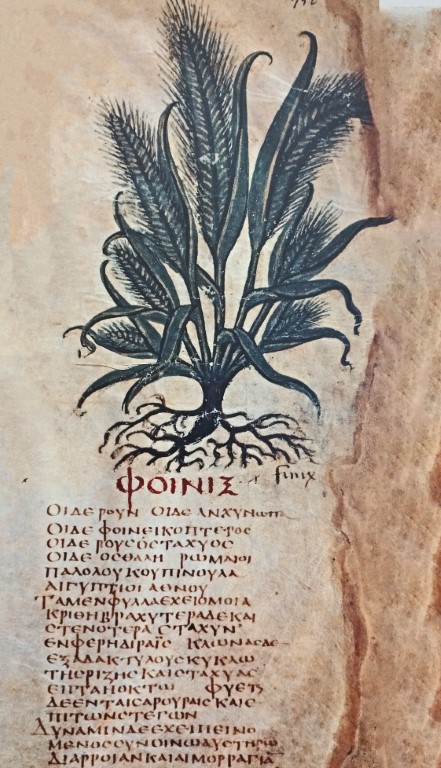
According to Dioscorides, the palm is cultivated in Egypt, where its fruits are collected in mid-summer, when they reach full maturity. These fruits are astringent and styptic, and when consumed with strong wine they are effective against diarrhea and female bleeding (menstruation). They are also used for the treatment of hemorrhoids and heal wounds when applied as poultice. The decoction of the Theban palms relieves heatstroke. Today, fruits, which also have a high sugar content, are widely consumed as sweets or as ingredients in confectionery. The seeds of the species are soaked and ground for use as animal feed. Their oil is suitable for use in cosmetics and dermatological applications. The wood of the palm is durable, can support weight, and is used for beams, makeshift bridges, constructions, sculptures, and religious objects in historical times (Strabo, Xenophon, Aelian, Aulus Gellius, Pliny the Elder). The palm also provides food, wine, vinegar, flour, and textiles (Strabo). In trees with low fruit production, sap extraction can be carried out, which can be consumed fresh or subjected to fermentation or distillation. In North Africa, the leaves are commonly used for the construction of dwellings or for items such as rugs, screens, baskets, and fans. Processed leaves can be used as insulating boards, while the dried leaf stalks are a source of cellulose pulp, used for walking sticks, brooms, fishing floats, and fuel. Finally, the species contributes to the phytoremediation of Mediterranean areas with high soil salinity, as it can grow effectively under these conditions. The palm is associated with cultural and religious practices, is used in offerings and musical instruments, and in Byzantine historiography symbolizes royal endurance and regeneration (Plutarch, Athenaeus, Niketas Choniates).
(Note: Ethnobotanical data regarding the medicinal uses of plants must be handled with caution, and their application should be carried out exclusively under medical supervision).
- https://en.wikipedia.org/wiki/Date_palm
- https://powo.science.kew.org/taxon/urn:lsid:ipni.org:names:668912-1
- 2 Chronicles 3:5
- Cicero, “De Legibus” 1.2
- Dio Cassius, “Histories” 48.43.5
- Dioscorides, “De Materia Medica”, CXLIII
- Duhamel du Monceau, H.-L. (1755). Traité des arbres et arbustes qui se cultivent en France en pleine terre. Chez H.L. Guerin & L.F. Delatour.
- Eichberger, C., Sigl, M., & Rühfel, H. (2007). Trees and shrubs on classical Greek vases. Bocconea, 21, 117–130.
- Euripides, “Hecuba”, l. 443
- Flavius Josephus, “Jewish Antiquities”, 14.4.1, 15.4.2; “Jewish War”, 3.44, 3.516
- Gospel according to John, 12:13
- Herodotus, “Histories”, 2.156; 4.43
- Homer, “Odyssey”, line 160
- Marinatos, S. (1973). Kreta, Thera und das mykenische Hellas. Hirmer.
- Niketas Choniates (Akominatos), “Chronicle” pp. 163, 164, 446
- Plinius secundus, “Naturalis Historia”, 5.70, 5.73, 16.48.1, 13.6.1
- Plutarch, “Quaestiones Convivales”, 724a–d
- Procopius, “History of the Wars”, 1.19.7
- Revelation, 7:9
- Strabo, “Geography”, 14.1.35; 15.2.5; 16.4.14; 17.1.51
- Suetonius, “Lives of the Caesars”, Aug.94.8
- Theophrastus, “Enquiry into Plants”, 2.6.7; 2.6.10; 3.13.7; 4.14.7; 4.16.1
- Virgilius, “Georgica” 4.8
- Xenophon, “Anabasis”, 1.5.10
Zohary, D., & Hopf, M. (2000). Domestication of plants in the Old World. Oxford University Press.
During each season you will see:
SPRING
Leaves,
flowers,
Beginning of Fruit Set
SUMMER
Leaves,
immature fruit
AUTUMN
Leaves,
mature fruit
WINTER
Leaves
References in Αrt
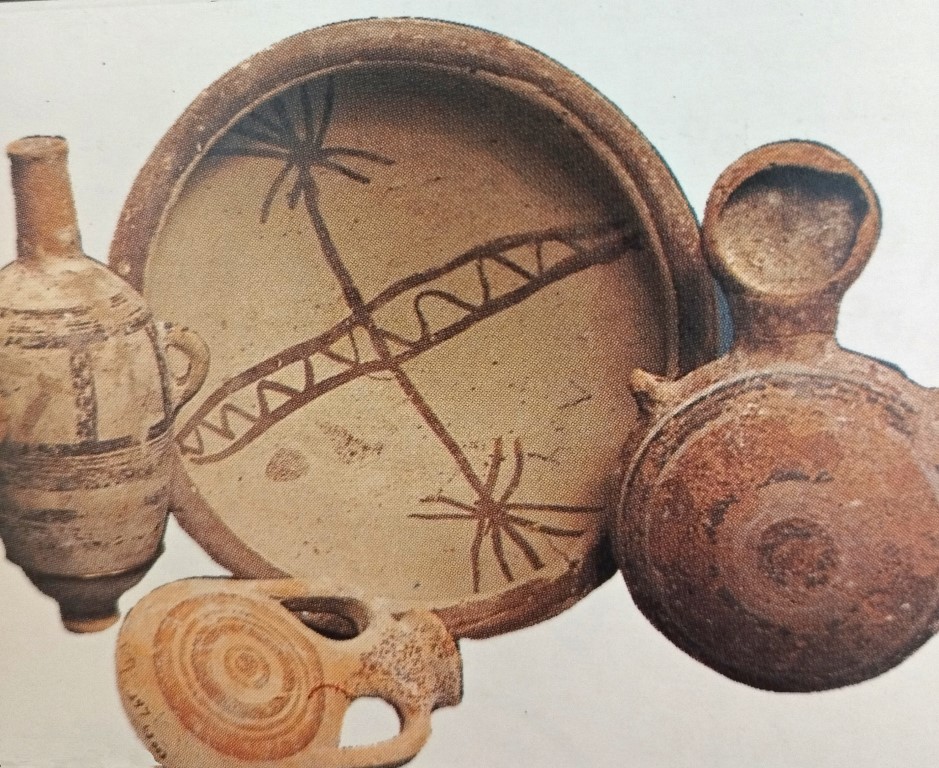
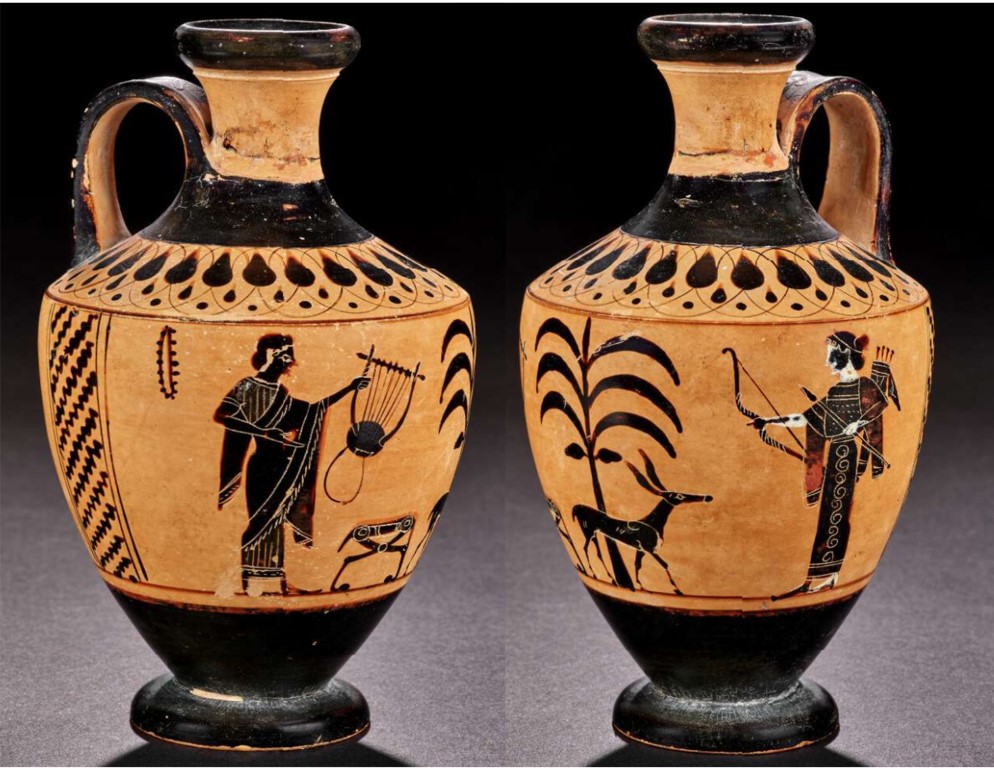
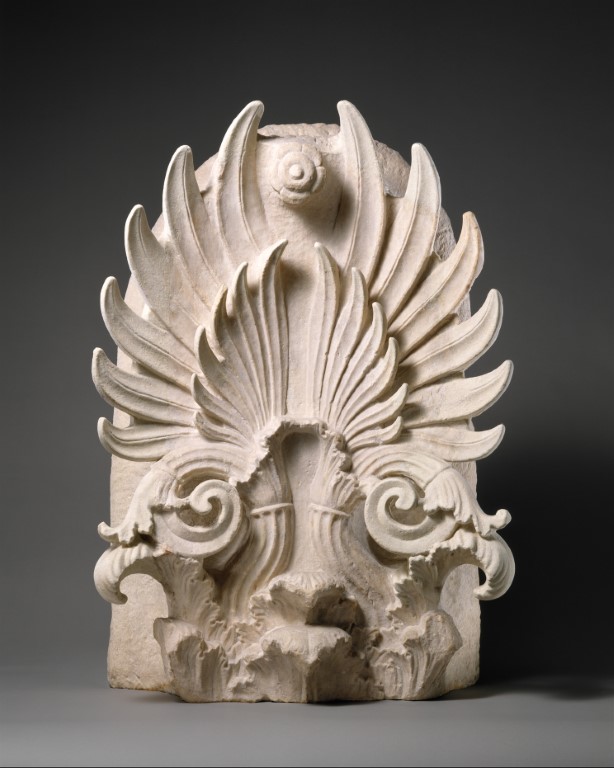
Depictions of the palm appear as early as the 2nd millennium BC in Cretan Minoan and Mycenaean art as elements of ritual practices. On a krater dated to 400 BC, Apollo meets Dionysus on Delos with a palm standing between them, while on an Archaic lekythos Apollo is shown holding his lyre and Artemis her bow and quiver, with a palm positioned between the two deities. In Hagia Sophia in Constantinople, the capitals are carved with palm leaves together with acanthus leaves, and similar decoration is also reported for the Temple of Solomon, where gilded representations of palms adorned the central space. The species has been identified in wall paintings from Pompeii and other areas of Italy and is also depicted on the emblem of Saudi Arabia, which consists of two crossed swords with a palm above them. The palm symbolizes growth, vitality, and prosperity. In 1866, Joseph Strauß composed the waltz “Friedenspalmen” (Palms of Peace) on the occasion of the end of the Austro-Prussian War, which resulted in territorial losses for Austria, capturing the population’s exhaustion from war while combining melancholy with joy at the return of life to normality. In his extensive poem “The Palm Tree” (1900), dedicated to G. Drosinis, Kostis Palamas employs the imposing and majestic tree as a symbol of natural perfection. Throughout its 312 verses, he highlights the notion that human thought and art are the defining forces that imbue an otherwise inanimate natural beauty with meaning and spiritual substance.