

It is classified as a “Phanerophyte (P)”, and its habitat is “Woodlands and scrub (W).” It thrives in Mediterranean coastal ecosystems, where it grows on sand dunes, mountain slopes, and hilly areas, often forming overstory clusters above maquis or in mixed forests with Quercus ilex and Pinus halepensis. It is particularly well adapted to dry, sunny climates and a variety of soils, preferring acidic siliceous soils but also tolerating calcareous ones.
(height, leaf arrangement, leaf shape, root system)
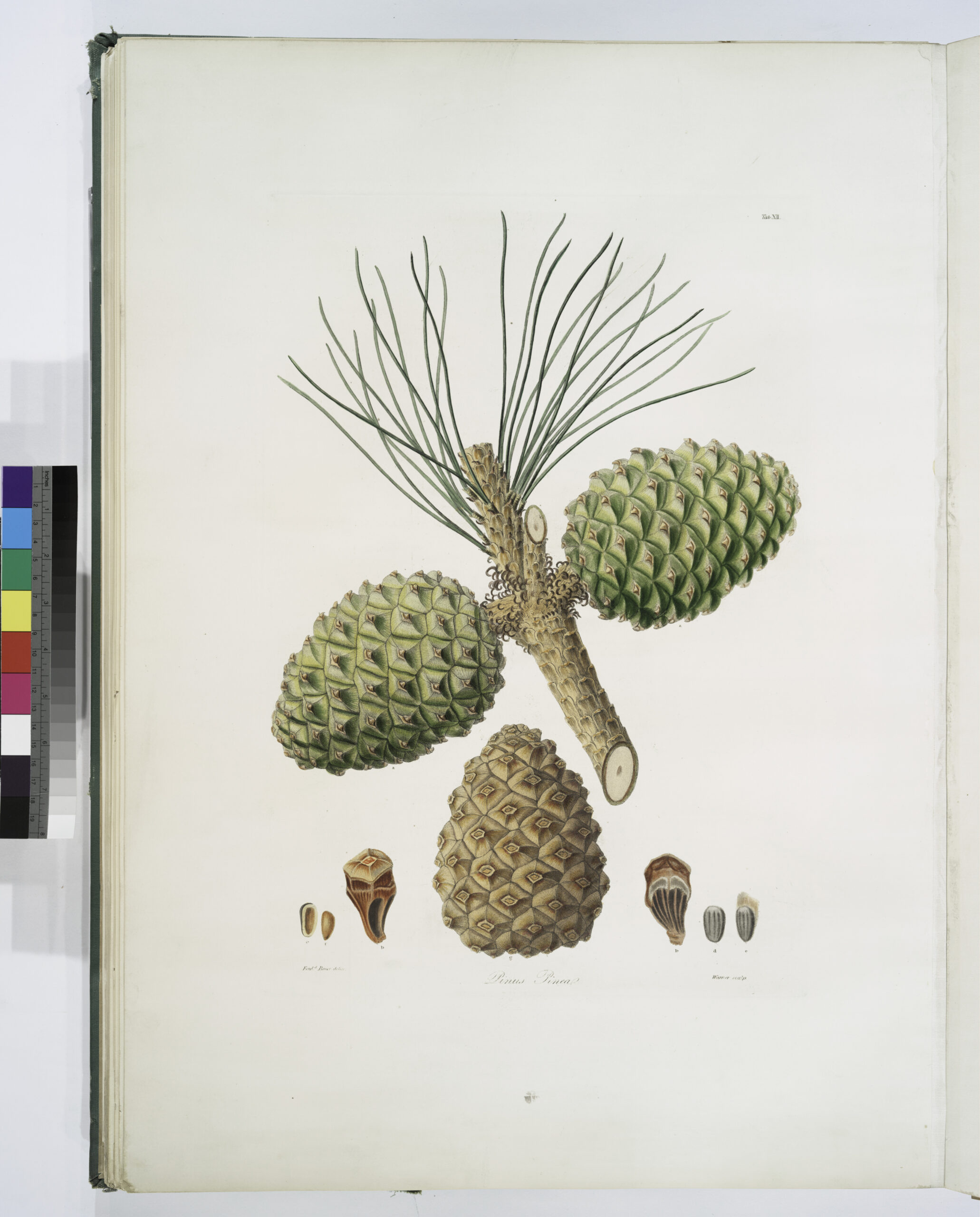
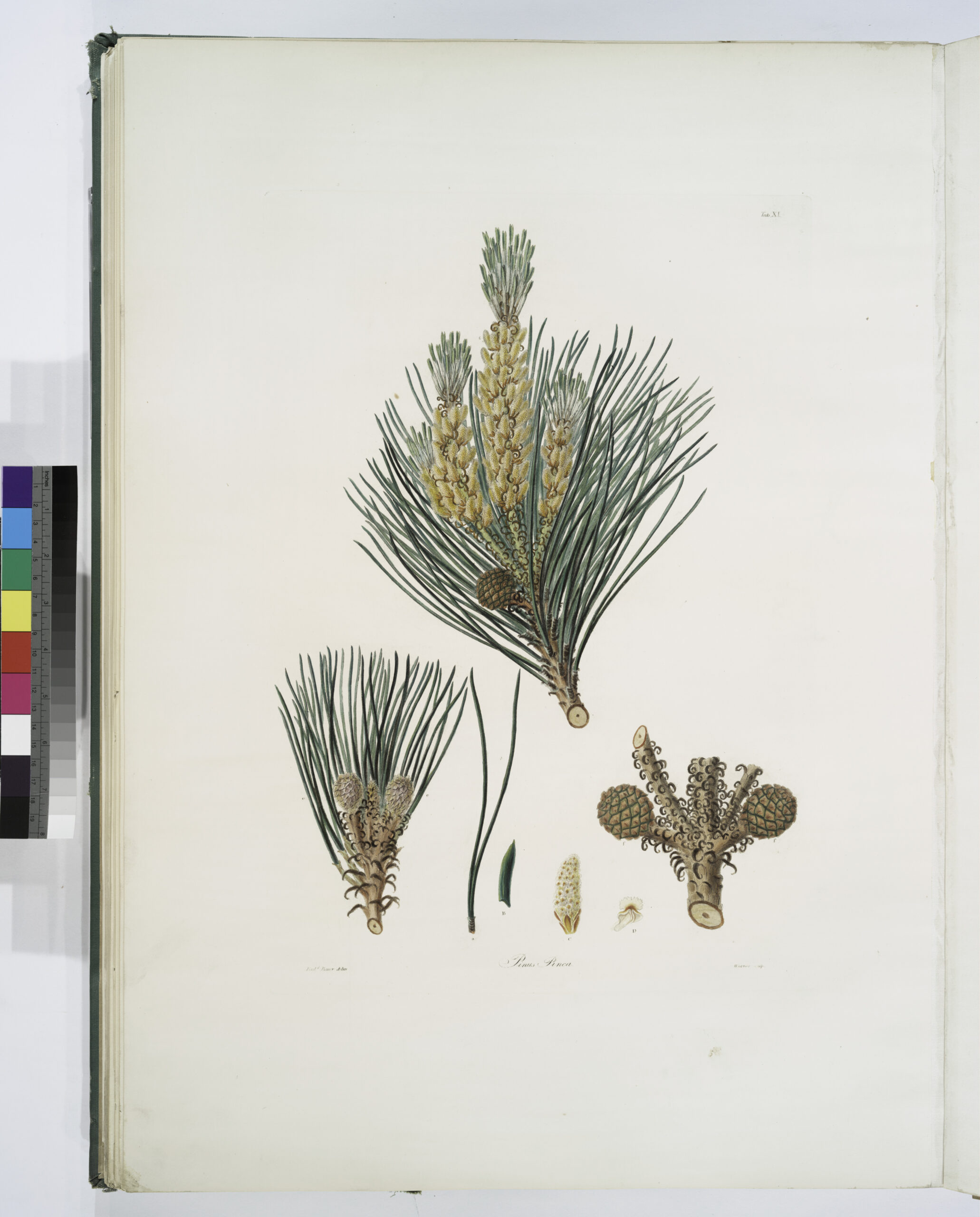
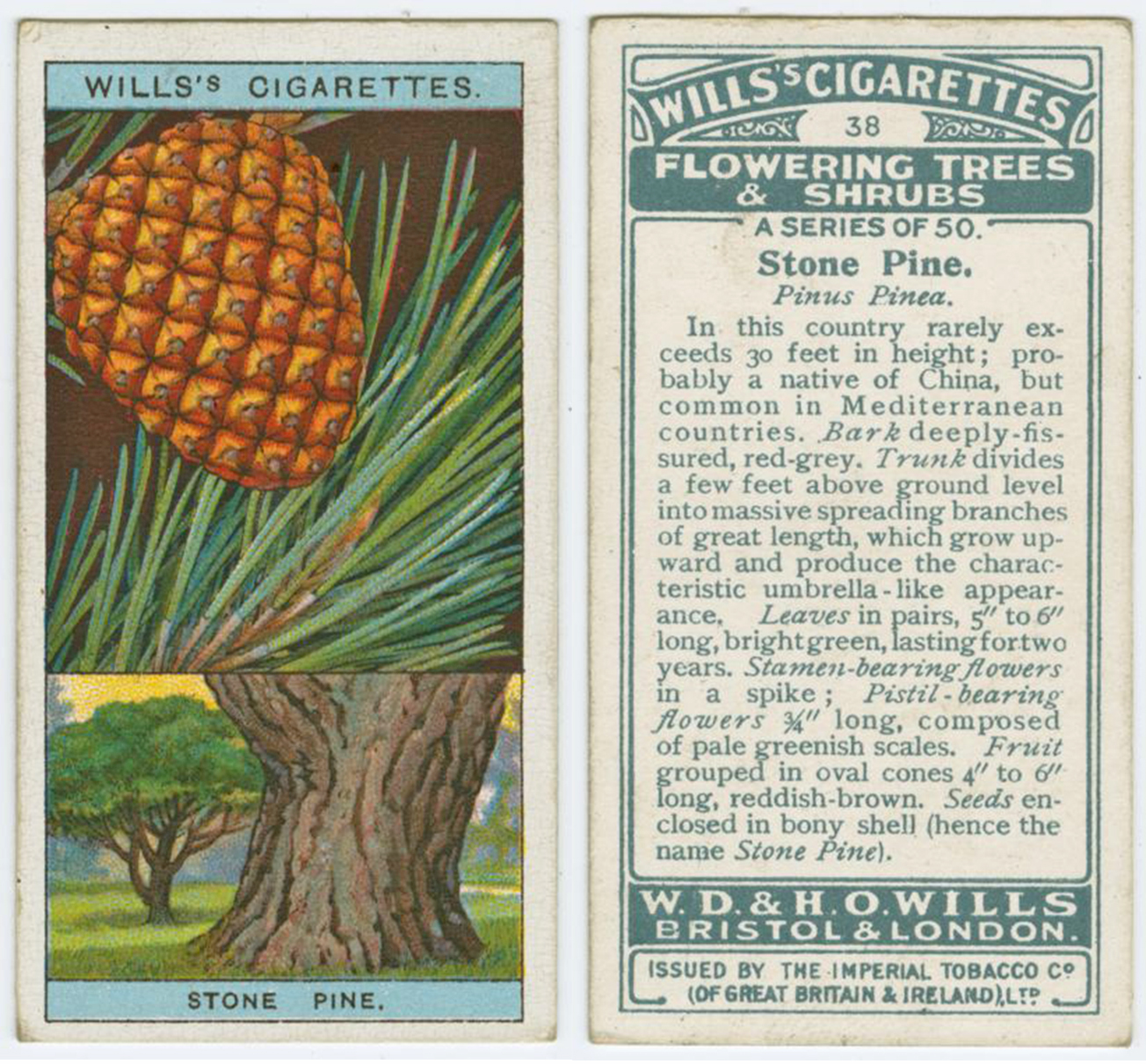
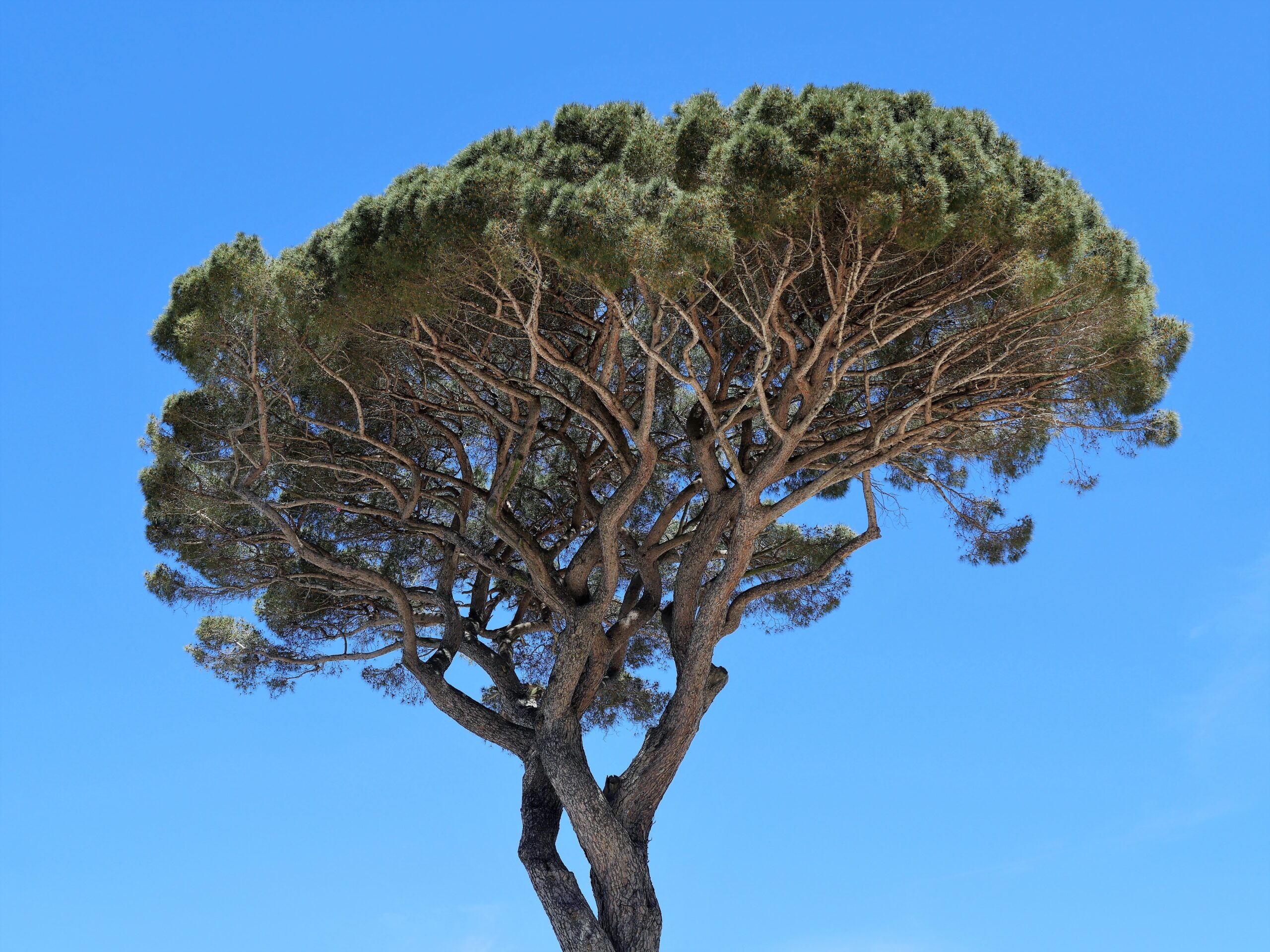
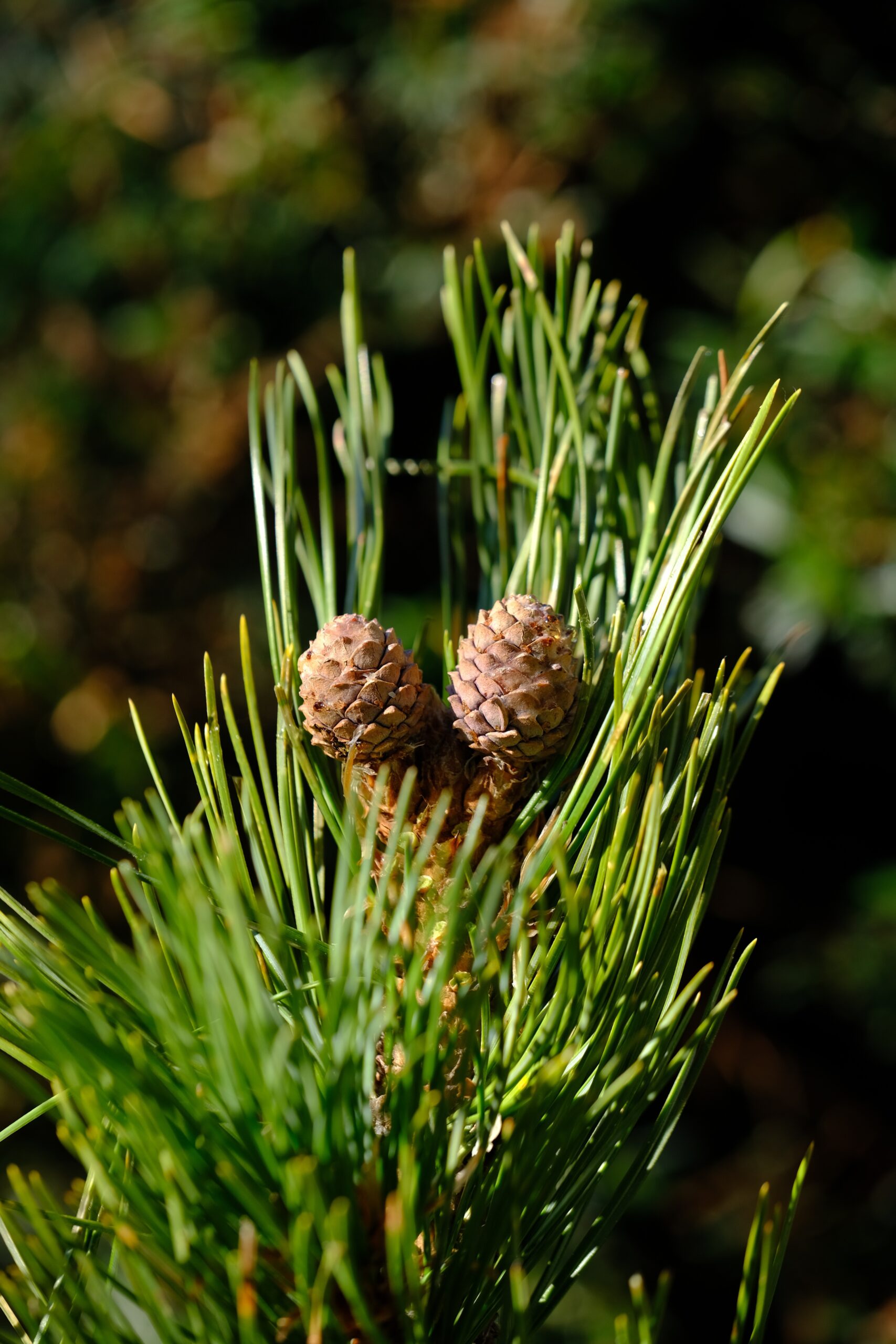
It is a medium-sized evergreen coniferous tree, typically reaching a height of 25–30 m, with a trunk that can exceed 2 m in diameter. Its crown is initially spherical and bushy, then develops a characteristic umbrella-like shape, and at maturity becomes flat and broad. The trunk is usually short, with numerous branches growing at an upward angle, bearing foliage primarily at their tips. The bark is thick, reddish-brown to grayish-brown, deeply fissured and divided into large, flat orange to reddish plates, providing fire resistance. The leaves are needle-like, in bundles of two, measuring 8–18 cm in length, glaucous green to bluish-green in color, and remain on the tree for 2–4 years, while young trees bear shorter needles of 2–4 cm.
(flowering period, flowers, seeds)
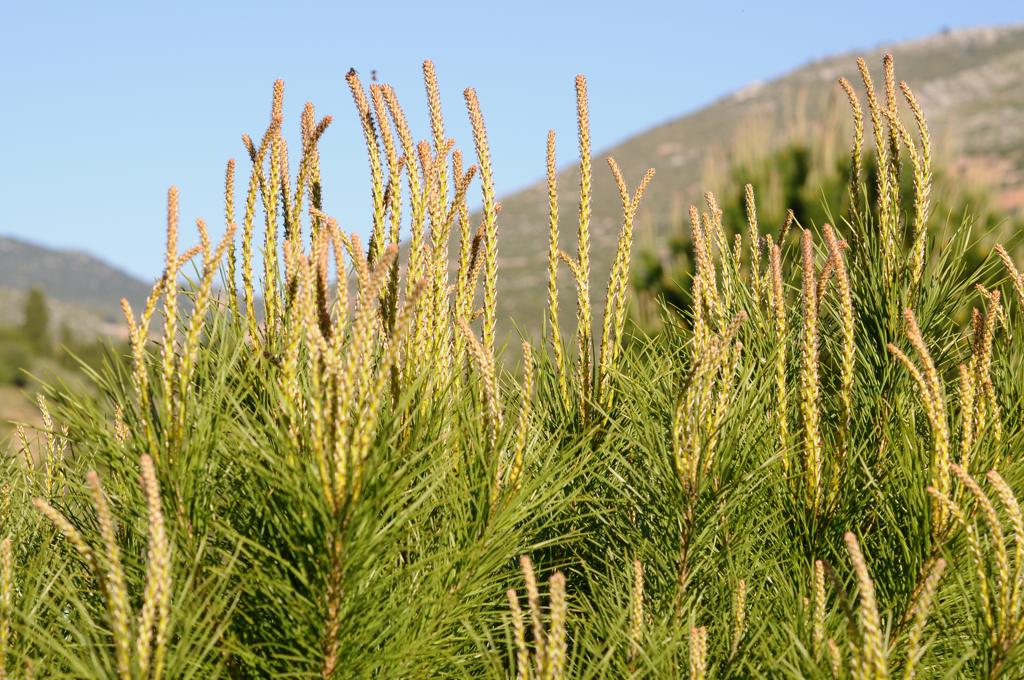
It is a monoecious species, with male flowers (pollen-bearing cones) appearing abundantly at the base of new shoots, measuring 10–20 mm in length and pale orangish-brown in color. The female cones are ovoid to spherical, 8–15 cm long, sessile, green when young, and reddish-brown at maturity, which is completed after three years—a period longer than any other pine. The seeds are large, about 2 cm long, light brown with a black powdery coating that is easily removed and possess a small wing that detaches easily and does not aid in dispersal. Dispersal occurs mainly through wildlife, particularly birds and rodents, as well as post-fire dispersal, while humans have also played an important role in recent history. The species does not reproduce vegetatively and shows considerable variation in seed production from year to year.
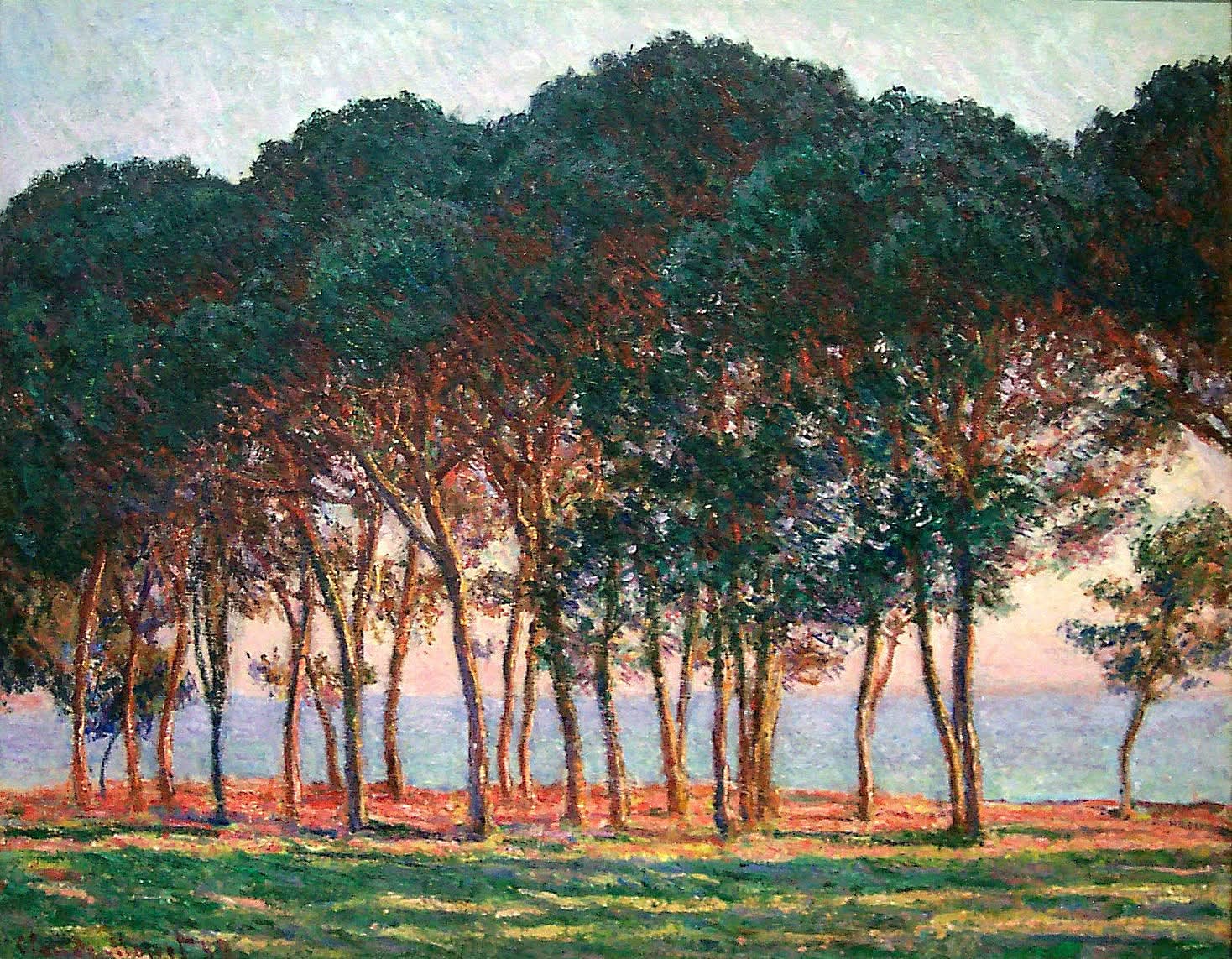
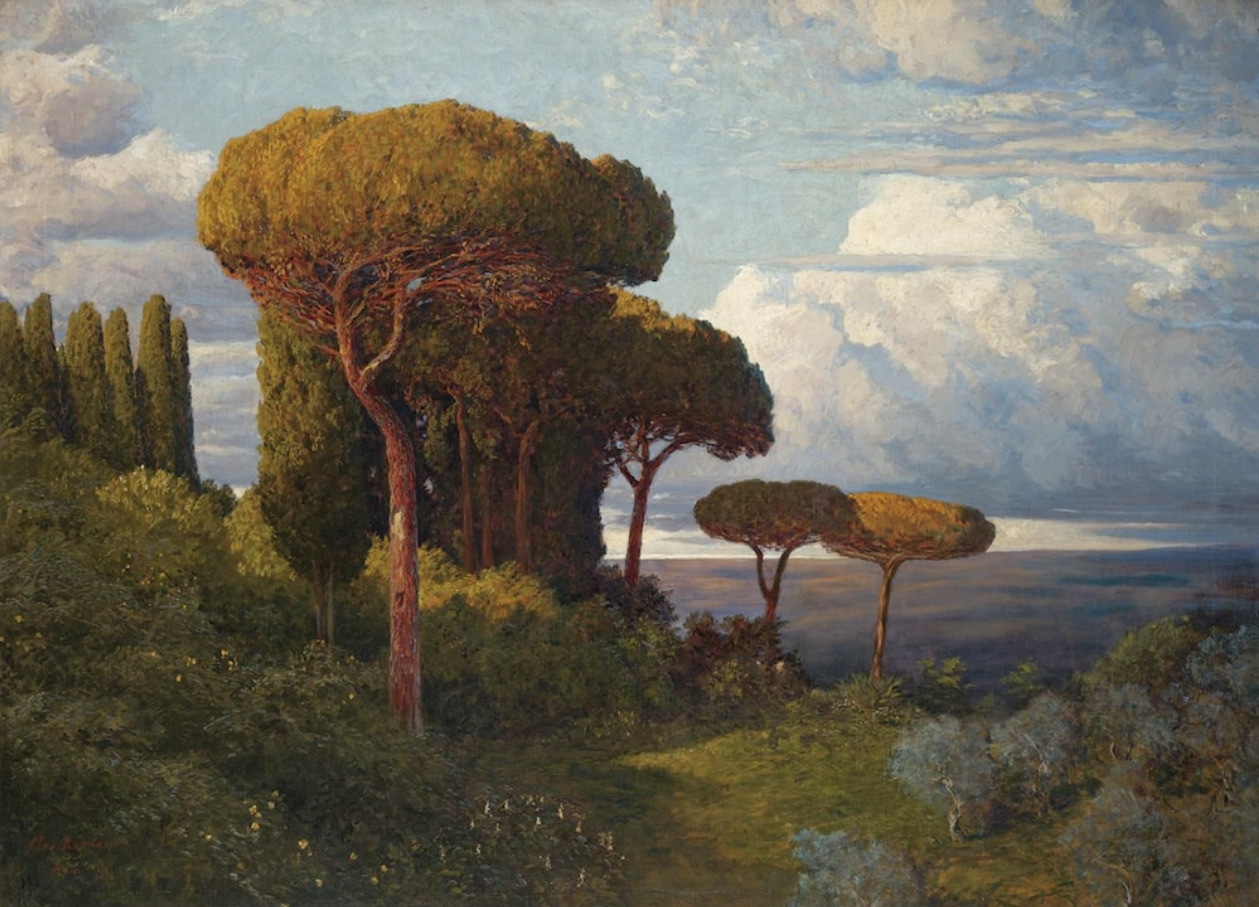
The characteristic umbrella-shaped crown of the stone pine makes it easily recognizable and emblematic of the Mediterranean landscape.
The precise origin and natural distribution range of Pinus pinea (stone pine) have been subjects of scientific debate for many years. Although the species is encountered throughout the Mediterranean Basin, its long history of anthropogenic cultivation and translocation complicates the identification of its original natural populations. Some researchers consider it indigenous to the entire Mediterranean region, while others restrict its native range either to the Eastern Mediterranean and Asia Minor or to the Western Mediterranean, particularly the Iberian Peninsula. Paleobotanical and archaeological data indicate that the species was present in Iberia as early as the Pleistocene (2.58 million to 11,700 years BP) and the Holocene (beginning 11,700 years BP), suggesting a natural presence at least within this region. Furthermore, historical and palynological evidence (pollen analysis) supports the presence of Pinus pinea in various Mediterranean locales for millennia, noting that its expansion was significantly bolstered by human activities such as cultivation and reforestation.
Theophrastus, in his work Enquiry into Plants (Historia Plantarum), examines the reproductive mechanisms of plants, specifically the phenomenon of “degeneration” when propagated from seeds—wherein offspring do not retain the exact characteristics of the parent plant. However, he makes a notable exception: he observes that certain trees, such as the stone pine, are among the most stable when grown from seed. This implies that young stone pines largely maintain the phenotypic traits of the progenitor tree, in contrast to other species that exhibit variations in form or quality.
The stone pine has been systematically cultivated for its edible seeds for approximately 6,000 years. Human utilization of the species dates back as far as 49,200 years ago, as evidenced by recent findings in Gibraltar, while in classical antiquity, its seeds were a tradable luxury commodity. Papyri from the 2nd and 3rd centuries AD record the use of pine nuts in religious ceremonies and even mention the existence of specialized pine nut merchants. In Roman literature, Ovid refers to stone pine seeds as an aphrodisiac, a view supported by the physician Galen, who recommended their consumption in combination with honey and almonds to stimulate libido. The Roman gastronome Apicius suggested their use in refined culinary recipes, while references to their aphrodisiac properties are also encountered in medieval Arabic texts.
General comments for the pines in antiquity
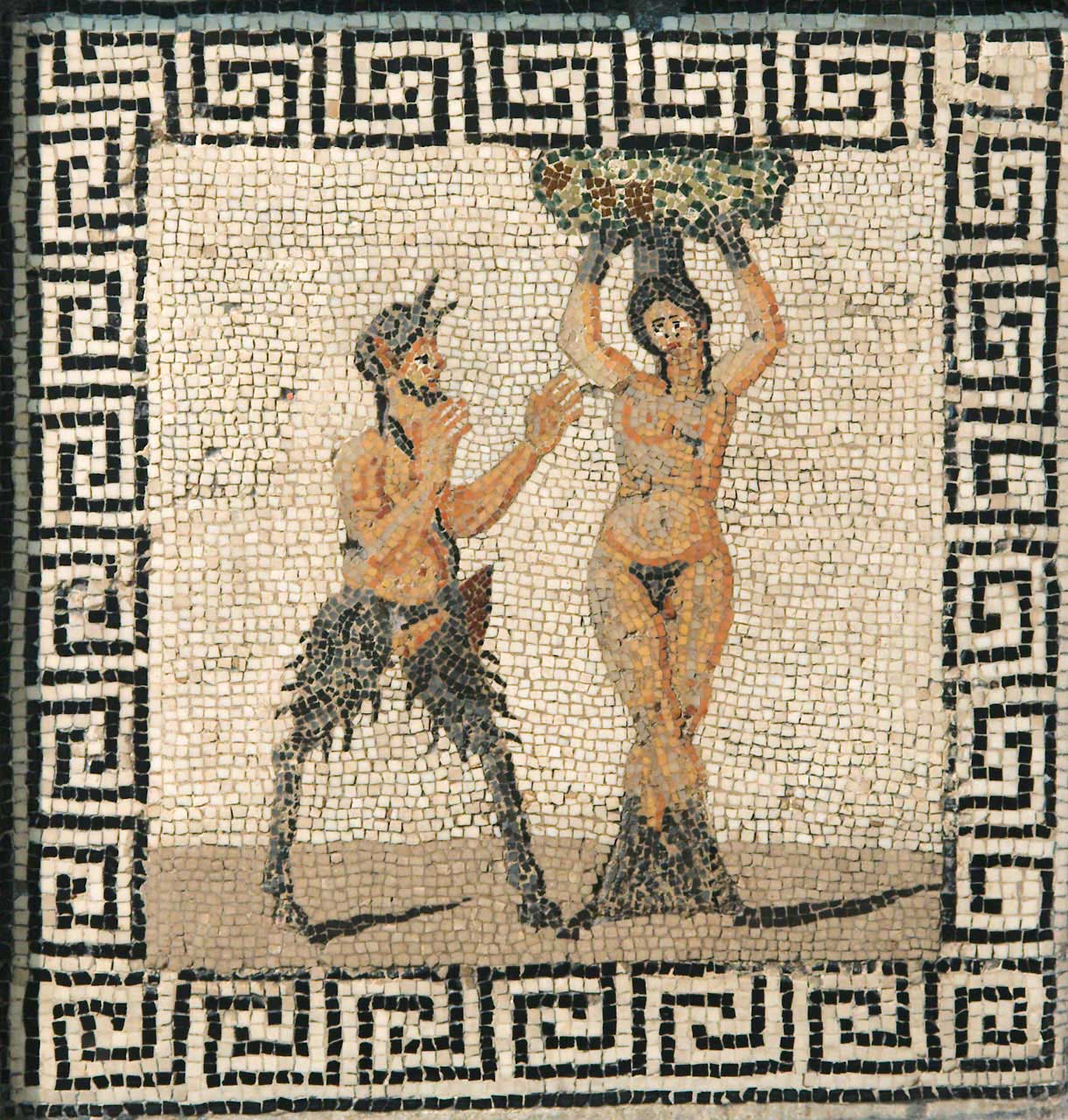
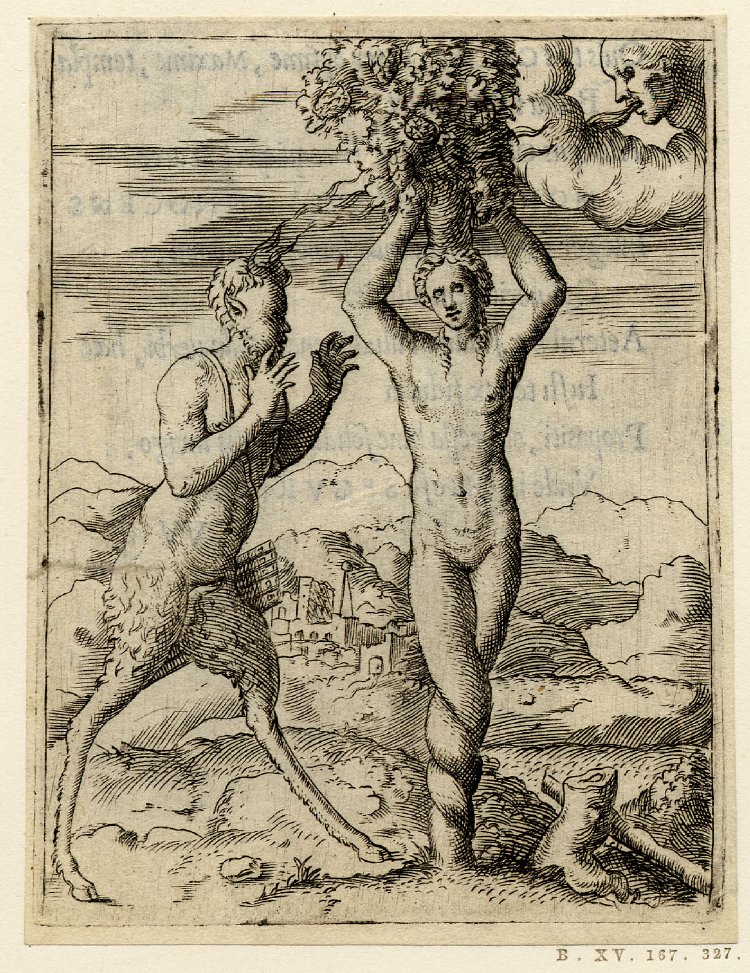
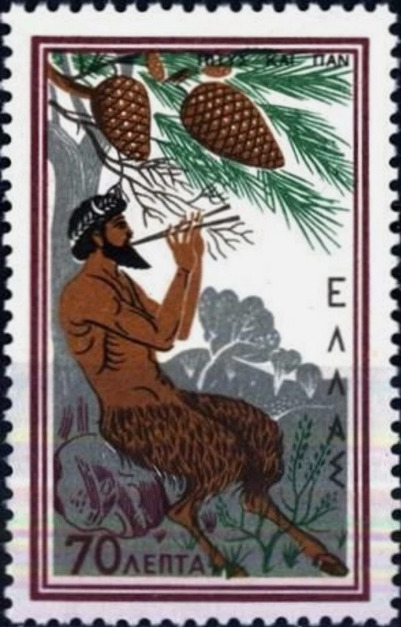
Pliny provides detailed information on the morphological characteristics of the pine, noting its slender, elongated leaves, almost hair-like, without strictly distinguishing between species. The pine was the favored tree of Rhea, symbolizing a link between the celestial and terrestrial worlds. Pitys is also mentioned as an Oread nymph pursued by both Pan and Boreas (the North Wind). As narrated by Nonnus of Panopolis, Boreas chased her to take her from Pan; Pitys resisted, and he cast her from a cliff. Pan then transformed her into a robust tree. To this day, when the north wind blows, Pitys remembering the pain caused by Boreas, “weeps” tears of amber.
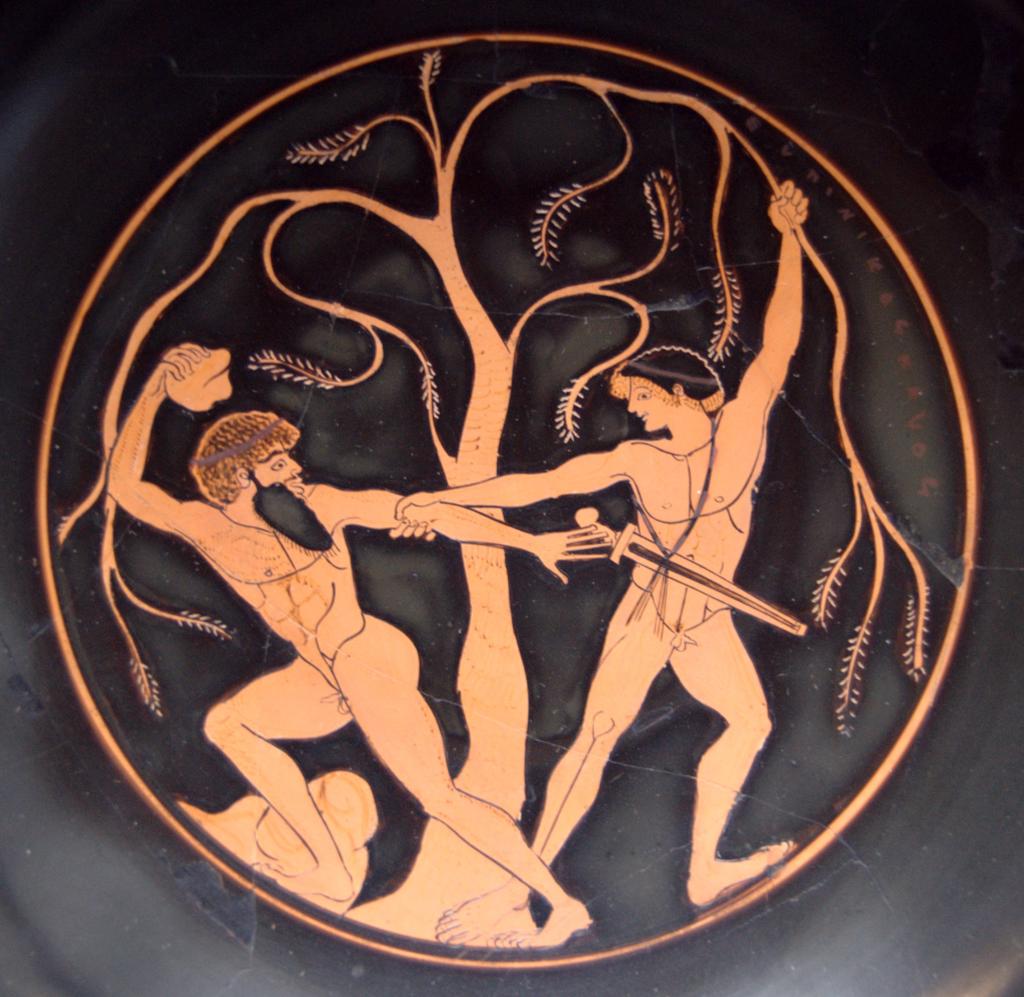
The tree is ubiquitous throughout the Greek world. Strabo refers to the island of Chios as Pityoussa (Πιτυοῦσσα) due to the abundance of pines in its northern part, a name also shared by Lampsacus, Chios and Salamis. He similarly uses the term Pityoussae (Πιτυοῦσσαι) for the islands of Ibiza and Formentera in Spain. The region of the Isthmus of Corinth was renowned for its pines; Plutarch notes that the “Isthmian pine” was famous for the construction of triremes. He adds that pine resin provided absolute waterproofing for vessels, which is why the tree was dedicated to Poseidon. At the Isthmus, the Panhellenic Isthmian Games were held in honor of Poseidon, where the victors were awarded a crown (or branch) of pine. Pausanias describes that the pines there reach the shoreline and recounts a local legend: the brigand Sinis, known as Pityokamptes (Πιτυοκάμπτης-the Pine-Bender), lived in this area. Sinis would capture travelers and tie them to two opposite pine branches he had bent downward. Upon releasing them, the victim’s body would be torn apart. This bandit was eventually slain by Theseus in the same manner (by the very pine Pausanias encountered!).
In Euripides tragedy Medea, the nurse, soliloquizing outside the palace of Corinth, despairs at the moment the timber of Mount Pelion was converted into shipbuilding material. She wishes that “the pines in the glens of Pelion had never been felled to provide oars for the hands of the Argonauts”, as this act was the root cause of the tragedy; had the Argo never been built, Medea would never have fled her homeland, consumed by her passion for Jason. Apollodorus also refers to the Pelion pine used for the Argonautic expedition. Furthermore, the Centaurs of Pelion are depicted attacking Heracles with entire uprooted pines (Diodorus). Outside the Greek mainland, the pine was equally widespread; Odysseus informs King Alcinous that the courtyard of the Cyclops Polyphemus’ cave (likely located in modern NE Sicily) was filled with oaks and pines.
The pine was a sacred tree and a symbol of Dionysus, as mentioned by Plato. The thyrsus (θύρσος), the staff carried by the Maenads, was topped with a pine cone as an emblem. Plutarch notes that wine originating from “pine-clad regions- πιτυώδη χωρία” was particularly “sweet-tasting-ἡδύοινος” (hedyoinos). The “pitched wine – ὁ πισσίτης οἶνος” (pissites oinos) was highly esteemed by the Romans, while in Euboea and the Po Valley, the addition of resin as a flavoring agent is described. The Stoic philosopher Cornutus explains that Pan was crowned with pine because he dwelt in caves and mountains, forever linking the tree with mountain and forest deities. Another prominent myth connects the pine to Attis. According to Ovid, Attis was a beautiful Phrygian youth loved by Cybele (the Magna Mater). She dedicated him to her service, demanding eternal chastity. When Attis broke his vow to marry a nymph, Cybele drove him into a divine frenzy, leading him to self-mutilate under a pine tree. After his death, Cybele declared the pine sacred as a monument to Attis, its evergreen nature symbolizing his eternity and immortality. This event is tied to the “Ides of March”. During the late Imperial period, the Ides marked the beginning of a “holy week” honoring Cybele and Attis. On March 22nd, the ceremony of “Arbor intrat” (The Tree enters) commemorated Attis’ death. A priestly college known as the “dendrophoroi “(tree-bearers) would cut down a pine annually, hang an image of Attis from it, and carry it to the Temple of the Great Mother amidst ritual lamentations.
According to Dioscorides, the pine tree was a valuable source of medicinal materials, primarily acting on the respiratory and digestive systems, as well as aiding in the healing of skin conditions. Its fruits (pine cones) were considered warming and digestive aids, while, when combined with honey, they were used as a remedy for coughs and chest ailments. Pliny emphasizes that the seeds of the stone pine, known as pine nuts, possessed both nutritional and medicinal value, as they were deemed beneficial for the stomach and the urinary system. Athenaeus mentions the use of pine nuts as a key ingredient in rich puddings, where either their whole kernels or their scales were used to add flavor and texture to the dish! To this day, pine nuts remain a staple food product and are widely used in Mediterranean cuisine – from pasta and sweets to the famous Italian pesto sauce. Every year, millions of kilograms of pine nuts are harvested in Mediterranean countries, as the cones are collected and opened through heating. Its wood, although of poor quality for timber due to its resinous and irregular texture, is used locally in furniture making, while the empty pine cones are utilized as fuel, especially in ovens, as well as for decorative purposes. The resin has applications in pharmaceuticals, varnishes, waterproofing, and for use on violin bows, while a green dye is produced from the needles. Furthermore, the species is cultivated for the protection and stabilization of coastal dunes, soil conservation, the protection of agricultural crops, and as an ornamental tree in gardens and parks with mild climates.
(Note: Ethnobotanical data regarding the medicinal uses of plants must be handled with caution, and their application should be carried out exclusively under medical supervision).
- https://powo.science.kew.org/taxon/urn:lsid:ipni.org:names:263221-1
- https://www.iucnredlist.org/ja/species/42391/129160976
- https://forest.jrc.ec.europa.eu/media/atlas/Pinus_pinea.pdf
- https://conifers.org/pi/Pinus_pinea.php
- Abad Viñas, R., Caudullo, G., Oliveira, S., & de Rigo, D. (2016). Pinus pinea in Europe: Distribution, habitat, usage and threats. In J. San-Miguel-Ayanz, D. de Rigo, G. Caudullo, T. Houston Durrant, & A. Mauri (Eds.), European atlas of forest tree species (pp. 128–130). Publications Office of the European Union.
- Aeneas Tacticus, “Poliorketika – How to Survive under Siege”, 35
- Apollodorus, “The Library”, 3.12.6
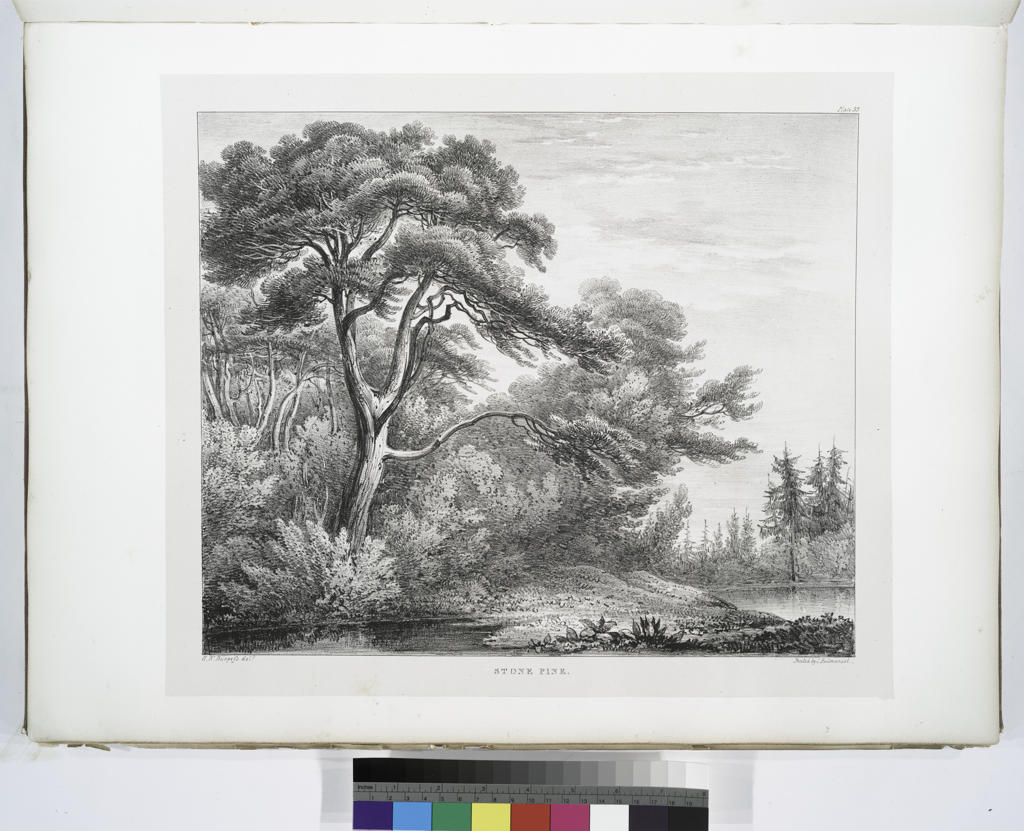
- Burgess, H. W. (1827). Eidodendron: Views of the general character and appearance of trees foreign and indigenous connected with picturesque scenery. (C. J. Hullmandel, Print.; J. Dickins, Publ.).
- Cornutus, “On the Nature of the Gods and Greek Religion”, 50
- Dimopoulos, P., Raus, Th., Bergmeier, E., Constantinidis, Th., Iatrou, G., Kokkini, S., Strid, A., & Tzanoudakis, D. (2013). Vascular plants of Greece: An annotated checklist. Botanic Garden and Botanical Museum Berlin-Dahlem; Hellenic Botanical Society. (Englera 31). https://doi.org/10.3372/en.31
- Diodorus Siculus, “Library of History”, 4.12.5
- Dioscorides, “On Medical Matters (De Materia Medica)”, LXXXVII, XCIV, XCII
- Dominguez-Lerena, S., Herrero Sierra, N., Carrasco Manzano, I., Ocaña Bueno, L., Peñuelas Rubira, J. L., & Mexal, J. G. (2006). Container characteristics influence Pinus pinea seedling development in the nursery and field. Forest Ecology and Management, 221(1–3), 63–71.
- Durrant, T., & Mauri, A. (Eds.). (2016). European atlas of forest tree species. Publications Office of the European Union.
- Euripides, “Bacchae”, 99-120
- Euripides, “Medea”, 1-10
- Homer, “Odyssey”, i, 186
- Lambert, A. B., Don, D., & Bauer, F. (1803–1824). A description of the genus Pinus: Illustrated with figures, directions relative to the cultivation, and remarks on the uses of the several species. J. White.
- Lancellotti, M. G. (2002). Attis, between myth and history: King, priest, and god. Brill.
- Martínez, F., & Montero, G. (2004). The Pinus pinea L. woodlands along the coast of South-western Spain: Data for a new geobotanical interpretation. Plant Ecology, 175(1), 1–18.
- Mommsen, T. (Ed.). (1893). Inscriptiones Latinae antiquissimae ad C. Caesaris mortem: Fasti anni Iuliani (2nd ed., Vol. 1, Part 1, pp. 256–278). Georg Reimer. (Original work published 354).
- Mutke, S., Calama, R., González-Martínez, S. C., Montero, G., Picardo, A., & Pastor, A. (2012). Mediterranean stone pine: Botany and horticulture. In J. Janick (Ed.), Horticultural reviews (Vol. 39, pp. 153–201). Wiley-Blackwell.
- Mutke, S., Vendramin, G. G., Fady, B., Bagnoli, F., & González-Martínez, S. C. (2019). Molecular and quantitative genetics of stone pine (Pinus pinea). In D. Nandwani (Ed.), Genetic diversity in horticultural plants (Vol. 22, pp. 61–81). Springer, Cham.
- Nergiz, C., & Dönmez, İ. (2004). Chemical composition and nutritive value of Pinus pinea L. seeds. Food Chemistry, 86(3), 365–368.
- Nonnus, “Dionysiaca”, ii 108
- Ovid, “Fasti”, IV, 221-246
- Ovid, “Metamorphoses”, 10.86
- Pausanias, “Description of Greece”, 1.4, 2 1.3,
- Plato, “Phaedrus”, 69
- Pliny the Elder, “Natural History”, 16.16.2, 23.74
- Plutarch, “Moralia, Table Talk Books I & V”
- Simões, A. S. B., Borges, M. M., Grazina, L., & Nunes, J. (2024). Stone Pine (Pinus pinea L.) high-added-value genetics: An overview. Genes, 15(1), 84. https://doi.org/10.3390/genes15010084
- Stefi, A. (2018). “The effect of electromagnetic radiation on model biological systems”. Doctoral Dissertation, Department of Biology, National and Kapodistrian University of Athens.
- Strabo, “Geography”, 3.5.1, 9.1.4, 9.1.9, 13.1.18
- Tutin, T. G., Heywood, V. H., Burges, N. A., Moore, D. M., Valentine, D. H., Walters, S. M., & Webb, D. A. (Eds.). (1964–1980). Flora Europaea (Vols. 1–5). Cambridge University Press.
- Virgil, “Georgics”, 2.420
During each season you will see:
SPRING
Leaves, flowers,
immature cones
SUMMER
Leaves,
immature cones
AUTUMN
Leaves,
mature cones
WINTER
Leaves,
mature cones
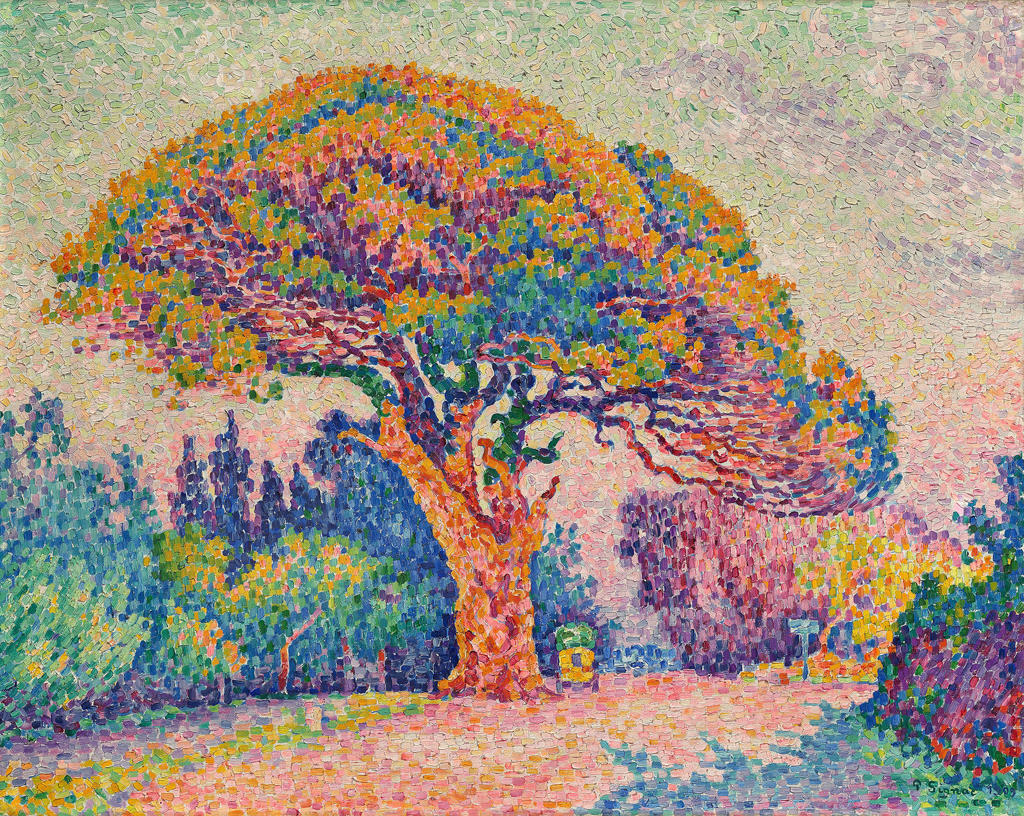
References in Αrt
Representations of this characteristic pine have been created by George Inness (1874), whose work is exhibited at the Virginia Museum of Fine Arts, and by Claude Monet (1888) in his painting “Under the Pines, End of the Day, Antibes”, located at the Philadelphia Museum of Art. Additionally, the work “The Pine Tree at Saint Tropez” by Paul Signac (1909) is on display at the Pushkin Museum in Moscow.