

It is characterized as a “Phanerophyte (P)”, and its habitat is “Woodlands and scrub (W)” and “Freshwater habitats (A)”. It is found near rivers and streams. Nevertheless, it can also survive in dry soil. Plane tree forests, according to Directive 92/43/EEC, constitute the habitat type «92C0, Platanus orientalis and/or Liquidambar orientalis forests (Platanion orientalis». Additionally, the species is protected under Greek legislation (Presidential Decree 67/81) due to its utmost importance in preventing severe flood events.
(height, leaf arrangement, leaf shape, root system)
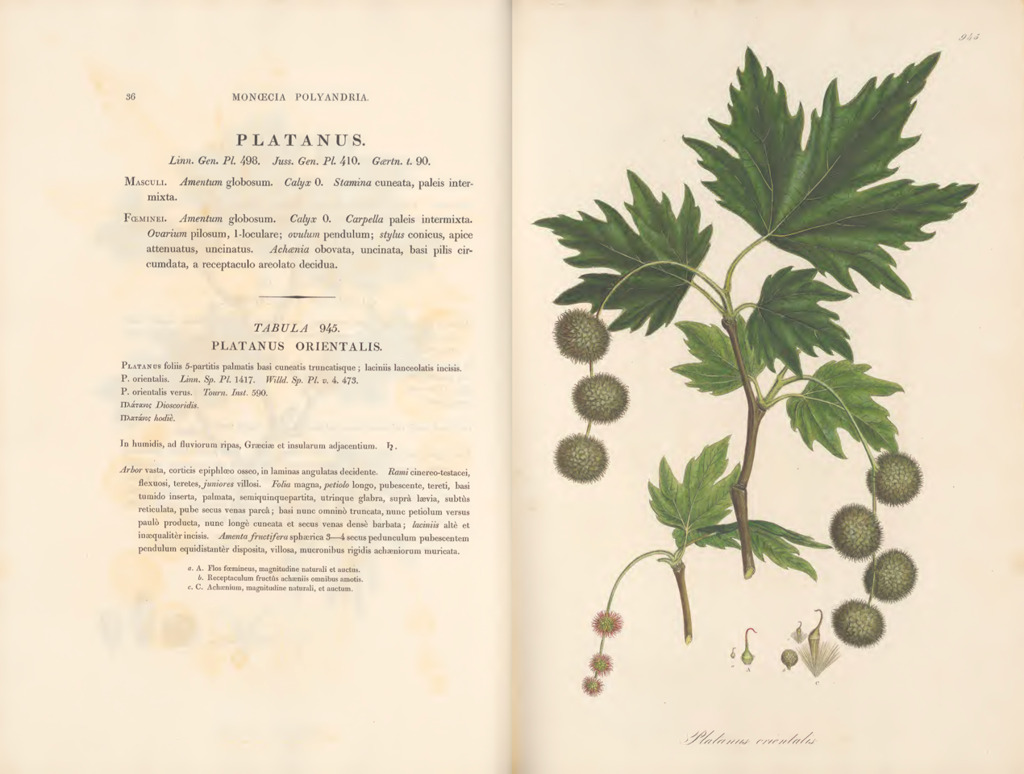
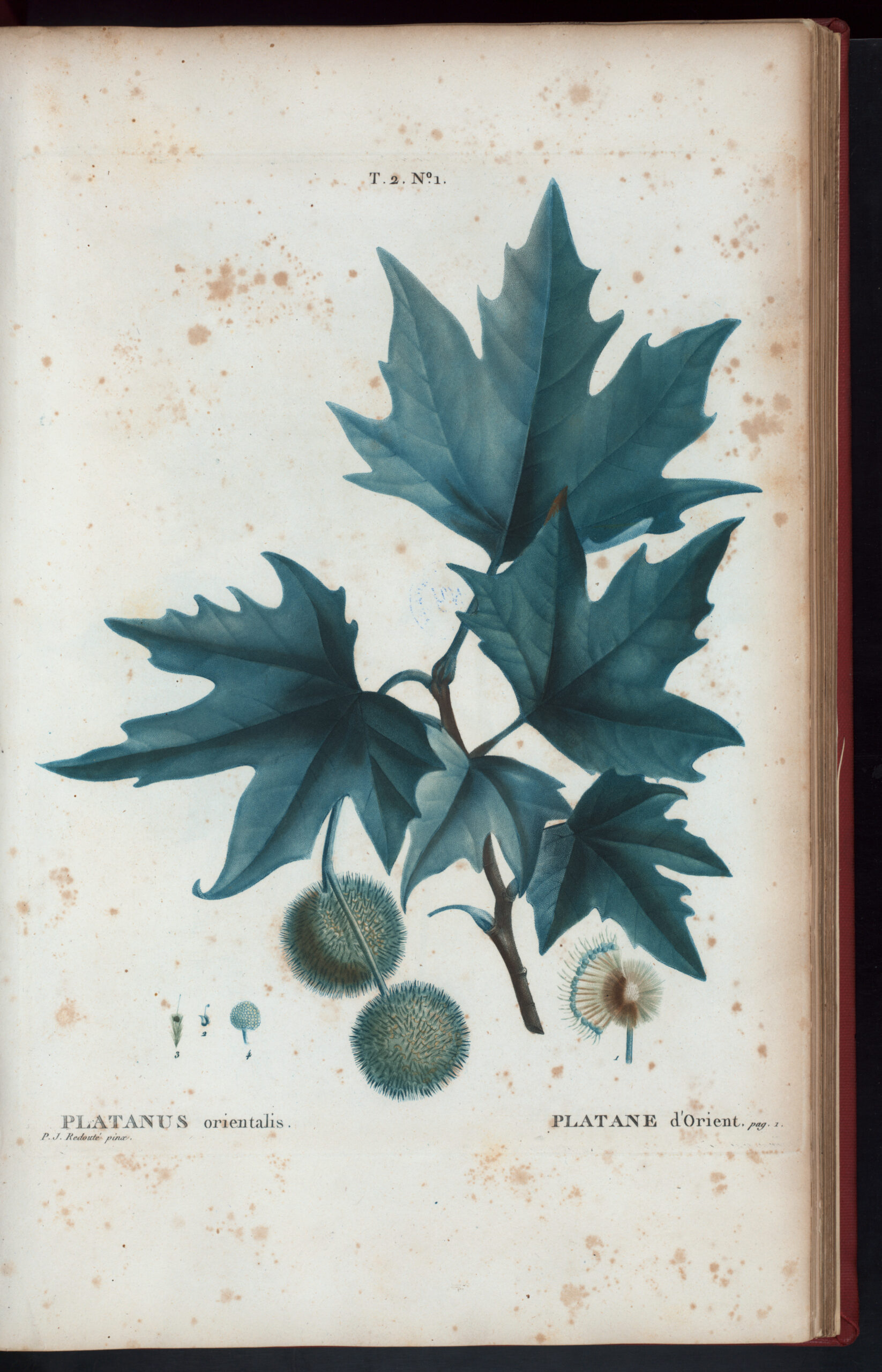
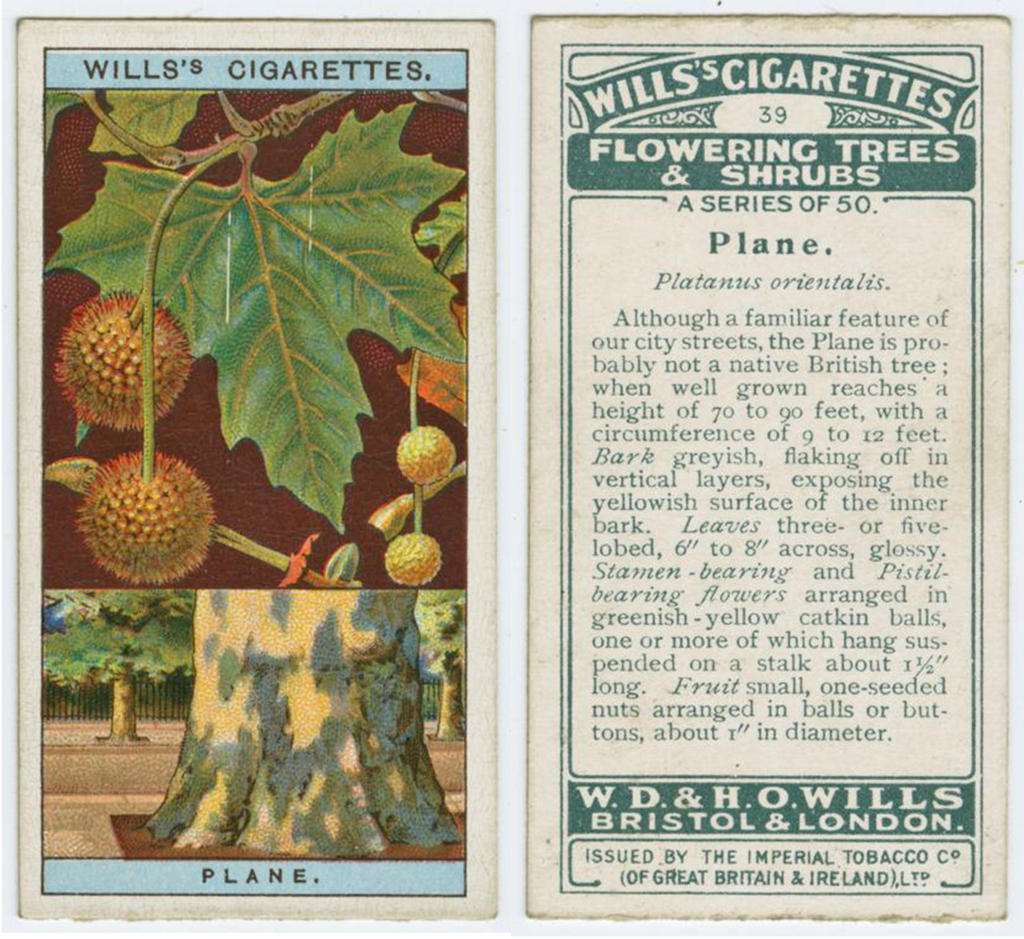
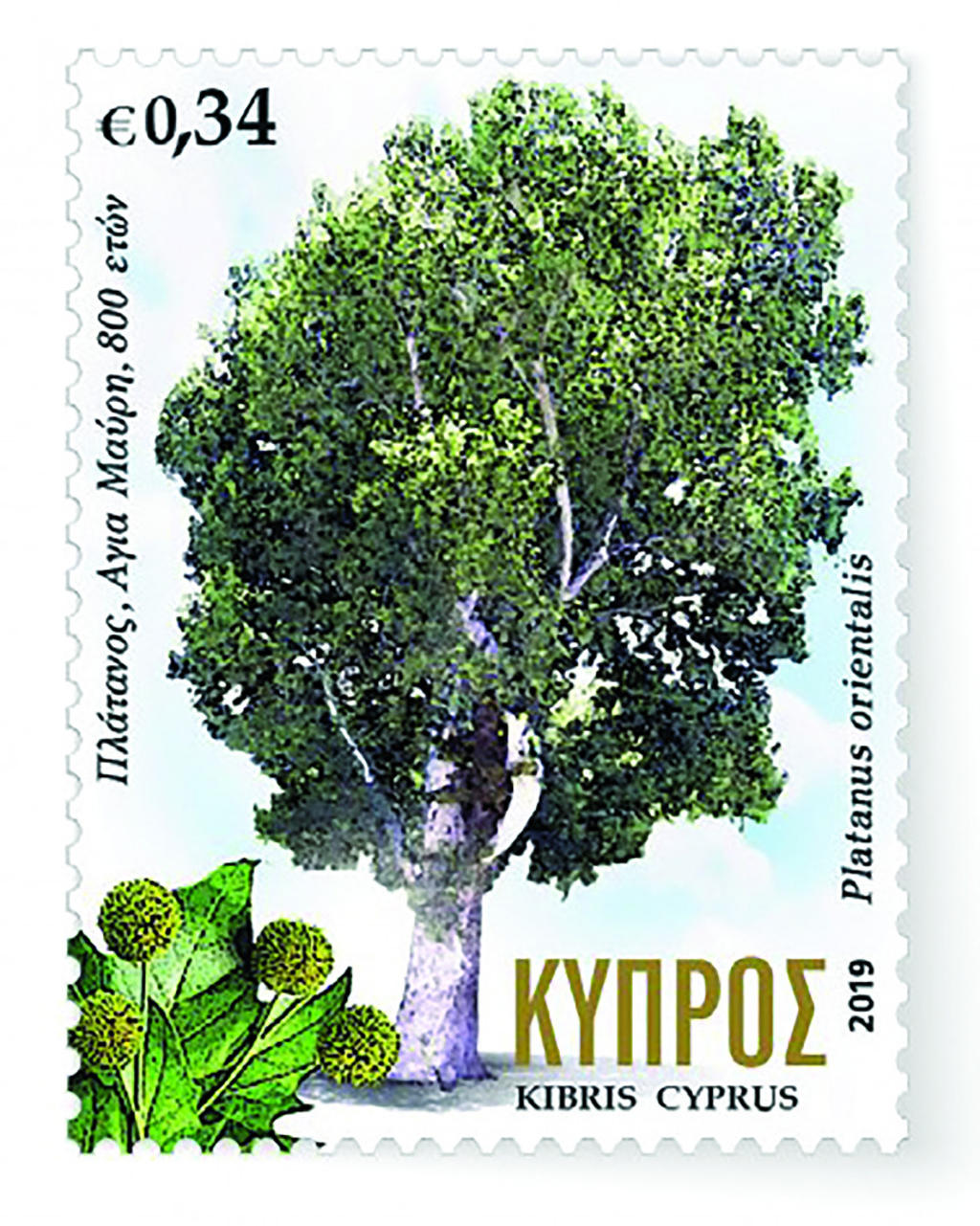
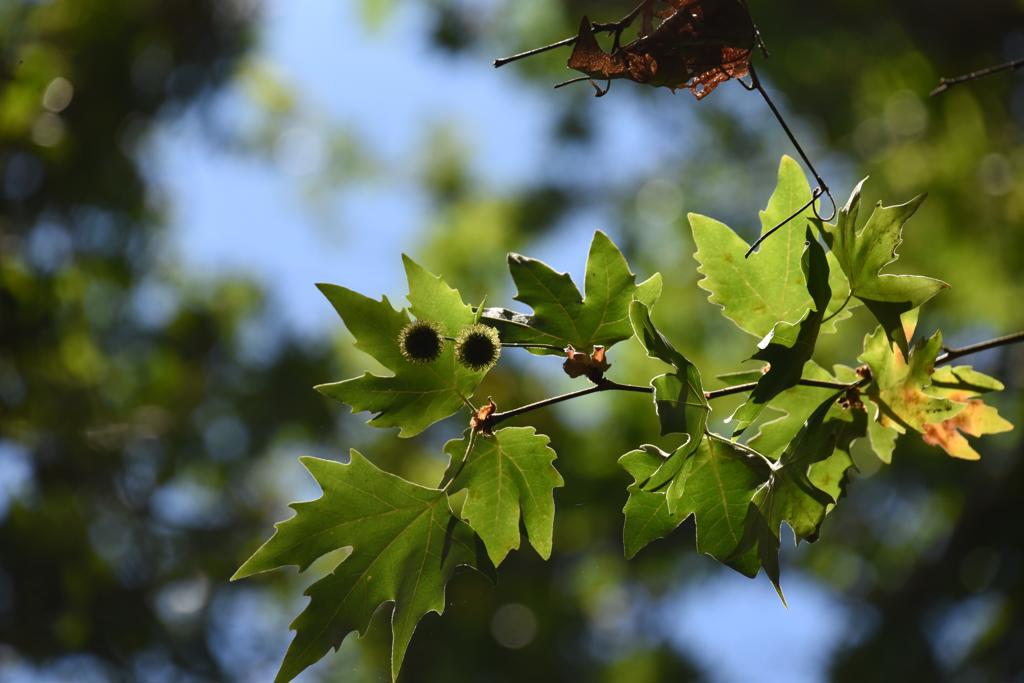
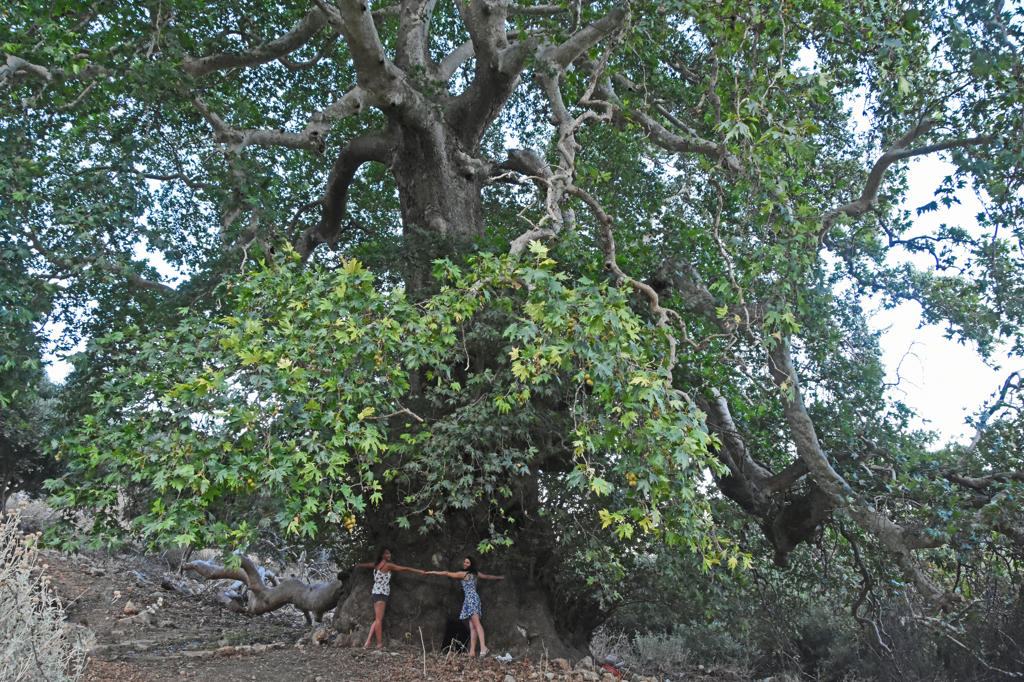
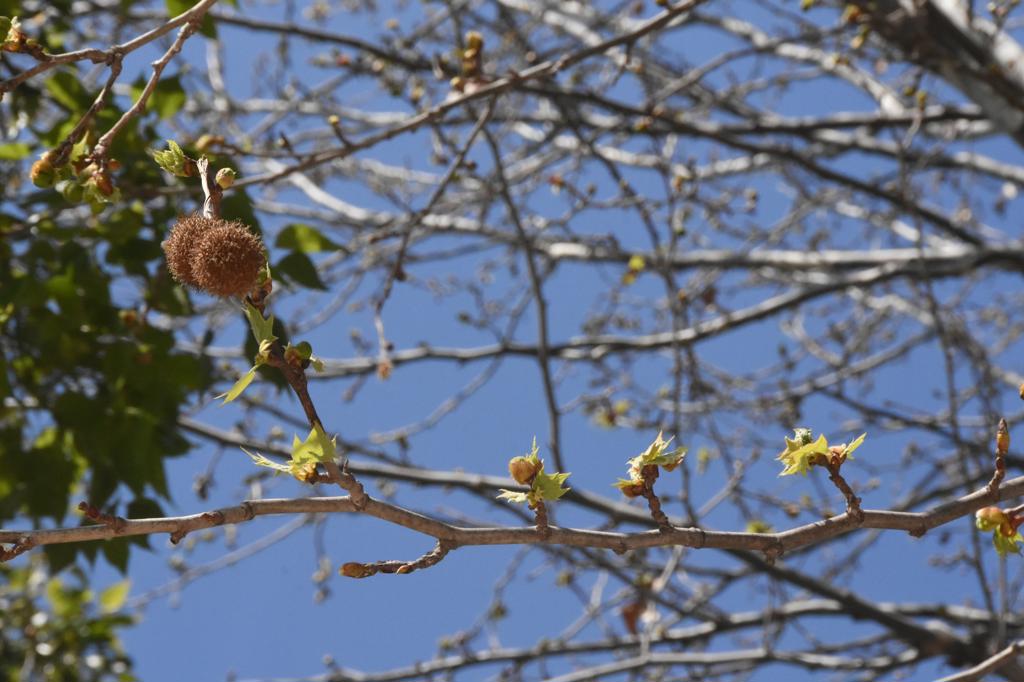
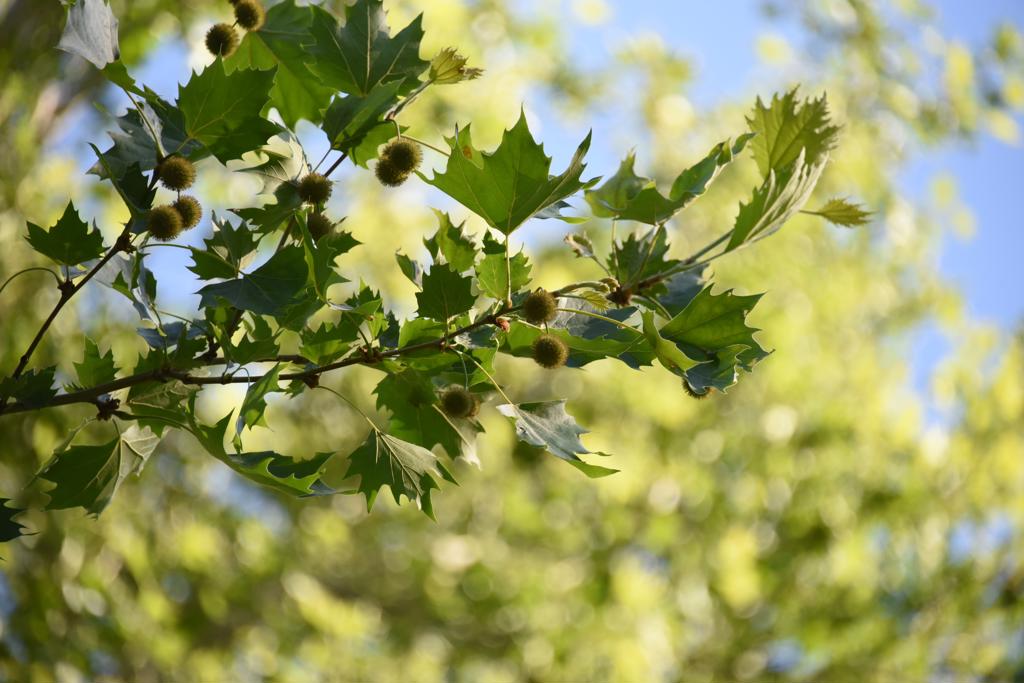
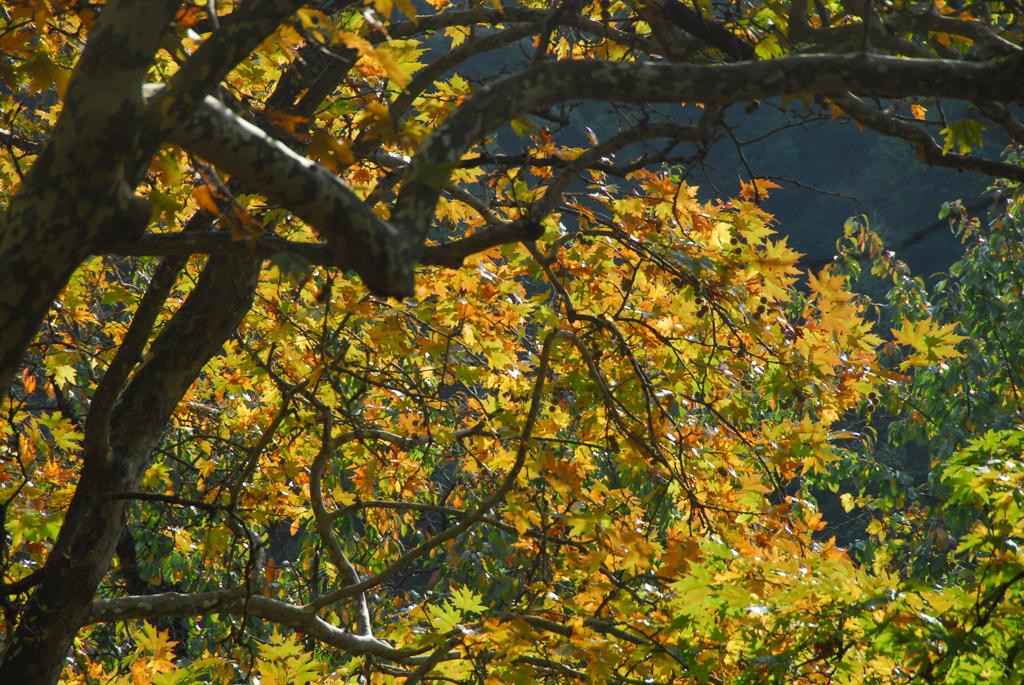
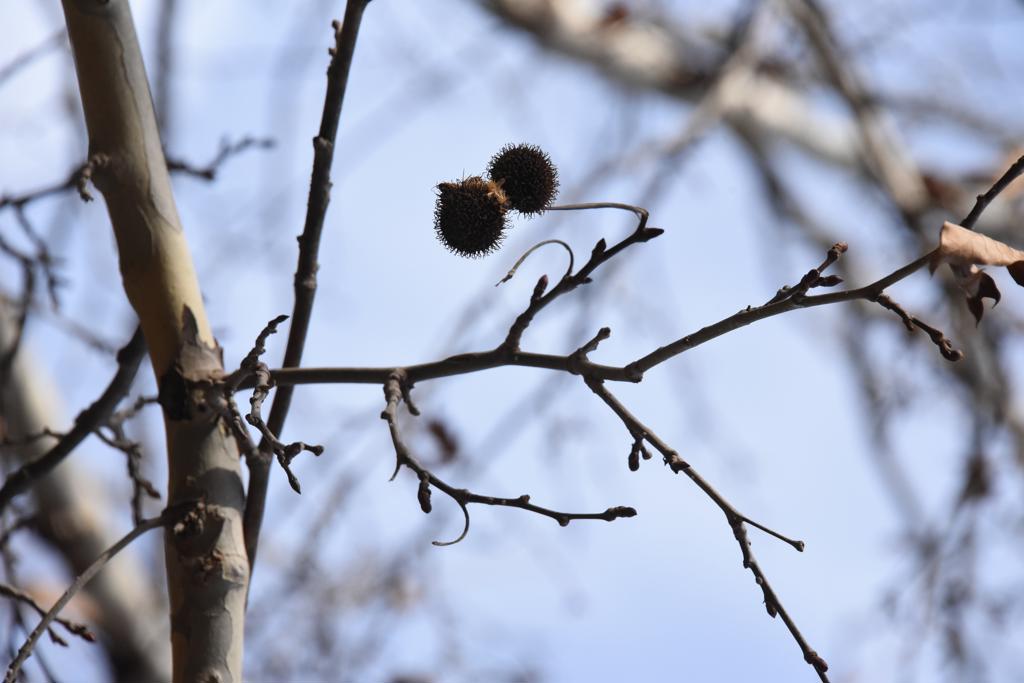
It is a fast-growing and long-lived, monoecious, deciduous tree. It can reach a height of 35 m while forming a dense crown that can reach 20 to 25 m in diameter. Its trunk usually has a diameter of 2 to 3 m but can become much larger in very old trees, and its bark is gray-green, peeling in places. The leaves grow alternately, are palmate with 5 to 7 lobes, and measure 10 to 20 cm in length and 12 to 25 cm in width. Their upper surface is green and smooth, while the lower surface is lighter in color. They appear in spring, turn bright red, orange, or yellow in autumn, and fall before winter.
(flowering period, flowers, seeds)
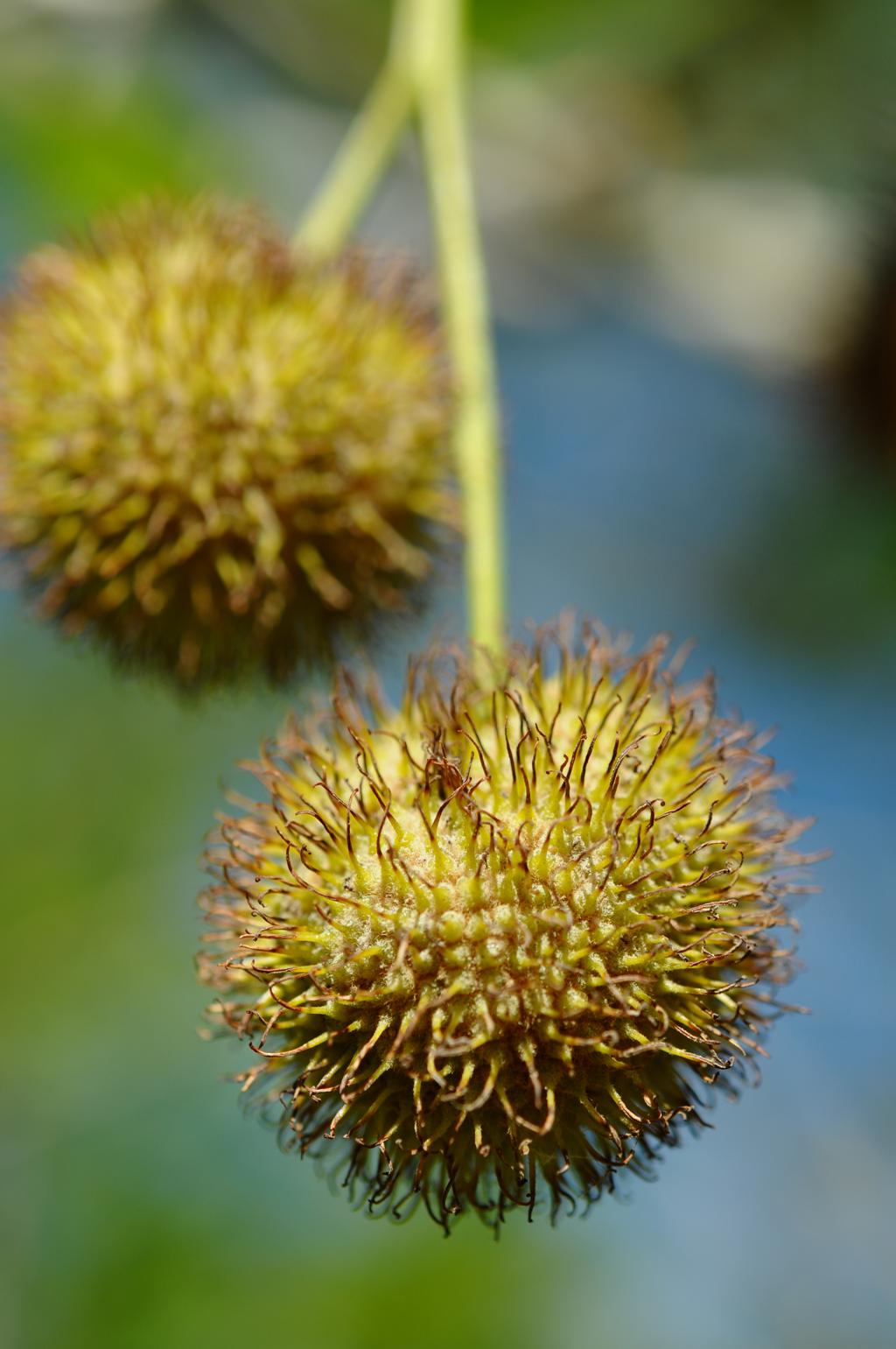
The species has both male and female flowers on the same tree (monoecious). The flowers are small, greenish, and grouped into spherical capitulate inflorescences, male and female, which appear together with the leaves in spring. The fruits are spherical clusters 2 to 3 cm in diameter, appearing in groups of 2 to 6 per stem, and remain on the tree throughout the winter. The seeds are small, hairy achenes dispersed by wind and water, maturing from autumn to winter. The species reproduces by seed germination but can also reproduce asexually from suckers or shoots emerging from the trunk or roots, especially after injuries.
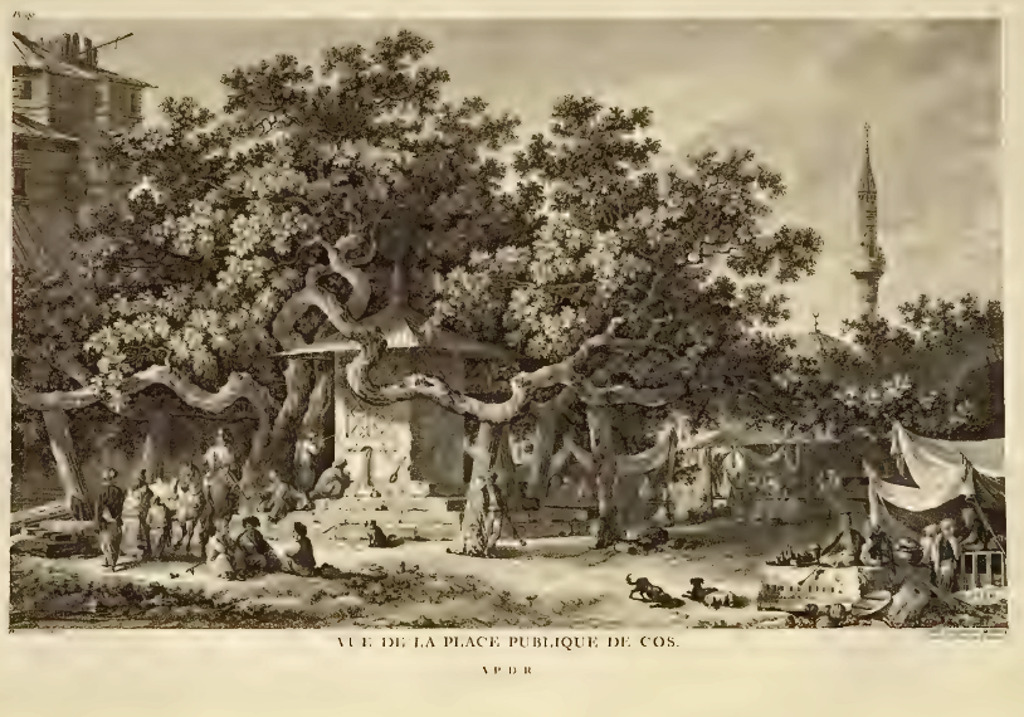
Most Greek villages have one or more plane trees in the central square, where there were usually also springs. Many of these trees have large hollows and are sometimes illuminated and highlighted as attractions.
Its natural distribution extends from Southeastern Europe and the Mediterranean to Asia Minor, the Caucasus, and Iran. Paleontological data indicate that ancestors of the genus Platanus appeared as early as the Cretaceous period, an era when the family exhibited a much broader geographical range and greater species diversity. The modern evolutionary lineage of P. orientalis likely took shape during the Miocene, while leaf fossils suggest that its ancestors migrated from western North America to Eurasia via Beringia and Central Asia. Over time, the morphological characteristics of the leaves evolved gradually toward the form exhibited by the modern species. Today, the plane tree is considered a relic of the Tertiary Mediterranean flora; its distribution has been influenced by both natural climatic factors and human cultivation, as the species has been planted since antiquity for shade and ornamental purposes.
The plane tree held a prominent position among the sacred plants of antiquity, as its lush foliage signaled the presence of water and offered coolness to passersby, given that the tree requires abundant water and moisture to survive. The ancient Greeks regarded it as a divine gift; Pliny mentions that in Sicily, people watered it with wine and paid for the privilege of sitting under its shade. Pausanias notes that the Altis grove in ancient Olympia, at the foot of the Cronion Hill between the Alpheios and Kladeos rivers, was renowned for its numerous plane trees, while plane trees also adorned Plato’s Academy in Athens. Herodotus reports that at the sanctuary of Zeus Stratios in Labraunda (modern-day Turkey), there was an extensive grove of plane trees where sacrifices were offered to the god.
Theophrastus describes the plane tree as an exceptionally hardy and adaptable tree, capable of having part of its trunk submerged in water while the rest of the body remains entirely above it. In fact, he even mentions the growth of a plane tree within a bronze vessel as an example of its adaptability and its ability to reproduce from seeds. It possesses an extensive and powerful root system, which allows it to absorb water from great distances and stabilize itself in the soil; a characteristic example is the plane tree at the Lyceum in Athens, “which, although still young, spread its roots to a distance of thirty-three cubits, having both space and nourishment”. Pliny the Elder adds that the dense foliage of plane trees traps large quantities of air and often requires pruning, while also noting that certain specimens could reach impressive dimensions or regenerate even after severe damage to their trunks. Finally, the plane tree appears as a symbol of wealth and luxury. Xenophon refers ironically to the famous “golden plane tree” of the Persian kings, noting that its reputation exceeded its actual size.
Fifty-six plane trees of this specific variety have been found in Crete, and one is indeed located in Gortyn, at the same site mentioned by Theophrastus. The plane tree is a long-lived (centuries-old) tree, a characteristic reflected in ancient testimonies. Pausanias mentions a massive tree in Arcadian Orchomenos which, according to tradition, was planted by Menelaus during the assembly of the army before departing for the Trojan War. Considering that Pausanias lived in the 2nd century AD and the Trojan War is dated between the late 12th and early 13th century BC, the plane tree he wrote about would have been at least 1,300 years old. He also mentions plane tree forests in Pharae (an area located today east of Patras, on the south bank of the Peiros River), where their enormous hollow trunks allowed people of the time to dwell inside them. Herodotus even reports that Xerxes was so impressed by a plane tree in the valley of the Lydian Maeander that he ordered his most trusted and hardened soldiers, the “Immortals,” to adorn it with gold and guard it.
In classical literature, the presence of the tree is often synonymous with a place of coolness and rest. In the dialogue Phaedrus, Socrates describes an idyllic landscape with a large plane tree and a willow offering dense shade next to a cool spring, creating a pleasant space for discussion and philosophical reflection. This imagery influenced later writers, such as Cicero, who refers to the plane tree as a meeting and discussion place, linking it to the philosophical tradition of Socrates and Plato. Similarly, in later poetic texts and epigrams of the Greek Anthology, the plane tree is presented as an ideal resting place, where people find shade and coolness, or where shepherds play the flute and lovers take refuge under its thick foliage.
Vitruvius suggests planting plane trees in gymnasia and walkways (peripatoi) to create shaded areas for exercise and relaxation. Correspondingly, Plutarch reports that Cimon planted plane trees in the Agora of Athens and transformed the Academy into a cool grove with shaded walks. Famous individual trees include the Plane Tree of Hippocrates in Kos, under which Hippocrates taught the science of medicine; the plane trees mentioned by Pliny on the island of Diomedes; and the Plane Tree of the Athenian Academy, which stood 15 meters tall. The sacred grove of plane trees at the Academy, outside Athens, was the site where peripatetic philosophy was practiced.
In Iran, many trees of historical significance have been registered as cultural heritage, such as the plane tree in Osku, which is estimated to be over 1,200 years old.
In Iran, the bark of the tree is employed in traditional medicine, while its branches and roots are utilized as natural dyes for textiles. In the timber industry, it is used for the manufacturing of indoor furniture, and the wood also serves as raw material for the production of pulp and paper. However, the most prevalent use of the species is as an ornamental tree, a fact that has led to its widespread dispersal throughout temperate regions. The shade of its canopy and the cooling effect it provides are highly desirable during the summer period. Furthermore, the species possesses significant potential for the improvement of the urban environment due to its notable resilience to atmospheric pollution.
The plane tree constitutes a species of significant ethnobotanical and pharmacological value. Dioscorides attributes soothing properties to the tree’s tender leaves, noting that when macerated in wine and applied as a poultice, they contribute to the arrest of ocular discharges (rheums), as well as the reduction of edema and inflammation. Concurrently, the bark of the plane tree, following decoction in vinegar, is proposed as a mouthwash for the relief of dental pain. Particular reference is made to the fruit (referred to as sphairia or “globules”), which, when consumed fresh with wine, serve as an antidote to reptilian envenomation; furthermore, when blended with fat, they are utilized in the treatment of burns. Finally, the author highlights the deleterious nature of the trichomes found on the leaves and fruit, warning that contact with the auditory or visual organs may result in severe impairment. In the traditional medicine of Persia and other Eastern cultures, it was also cited as an analgesic and anti-inflammatory agent, particularly for the relief of knee and joint pain.
The leaves contain various bioactive compounds, including flavonoids, tannins, proanthocyanidins, caffeic acid, and phytol derivatives, which are associated with anti-inflammatory, analgesic, and potentially anti-ulcerogenic properties. Experimental studies have demonstrated that leaf extracts exhibit significant anti-inflammatory and analgesic activity; in certain instances, they present a lower risk of gastrointestinal side effects compared to conventional pharmaceutical drugs. Concurrently, in specific regions, the leaves are prepared as an infusion (tea) to alleviate joint pain, although the clinical efficacy of this particular application has not yet been fully validated by rigorous scientific research.
(Note: Ethnobotanical data regarding the medicinal uses of plants must be handled with caution, and their application should be carried out exclusively under medical supervision).
- https://powo.science.kew.org/taxon/urn:lsid:ipni.org:names:685873-1
- https://www.iucnredlist.org/species/33951/68135880
- Bauman, E. (1993). Greek flora in myth, art, and literature (P. Brousalēs, Trans.; 2nd ed.). Hellenic Society for the Protection of Nature.
- Choiseul-Gouffier, M.-G.-A.-F. (1782). Voyage pittoresque de la Grèce (Vol. 1). [Publisher not identified].
- Cicero, “De Oratore”, 1.28
- Danika, D., Adroit, B., Velitzelos, D., & Denk, T. (2024). On the origin of the Oriental plane tree (Platanus orientalis L.). Ecology and Evolution, 10(4), Article e1576. https://doi.org/10.1002/ece3.1576
- Dimopoulos, P., Raus, Th., Bergmeier, E., Constantinidis, Th., Iatrou, G., Kokkini, S., Strid, A., & Tzanoudakis, D. (2013). Vascular plants of Greece: An annotated checklist. Botanic Garden and Botanical Museum Berlin-Dahlem; Hellenic Botanical Society. (Englera 31). https://doi.org/10.3372/en.31
- Dioscorides, “De materia medica”, CVII
- Duhamel du Monceau, M. (1801). Traité des arbres et arbustes qui se cultivent en France en pleine terre [Treatise on trees and shrubs cultivated in open ground in France]. Chez Didot ainé, Michel, et Lamy.
- Greek Anthology (7.196; 9.220).
- Haider, S., Nazreen, S., Alam, M. M., Hamid, H., & Alam, M. S. (2012). Anti-inflammatory and anti-nociceptive activities of Platanus orientalis Linn. and its ulcerogenic risk evaluation. Journal of Ethnopharmacology, 143(1), 236–240. https://doi.org/10.1016/j.jep.2012.06.026
- Hajhashemi, V., Ghannadi, A., & Mousavi, S. (2011). Antinociceptive study of extracts of Platanus orientalis leaves in mice. Research in Pharmaceutical Sciences, 6(2), 123–128. https://www.ncbi.nlm.nih.gov/pmc/articles/PMC3523419/
- Herodotus, “Histories”, 5.119
- Pausanias, “Description of Greece”, 2.37.1; 7.5.2; 8.19.2; 8.23.4; 5.27.11
- Plato, “Phaedrus”, 230a
- Pliny the Elder, “Naturalis Historia”, 16.57.1
- Plutarch, “Parallel Lives- Cimon”, 13.6
- Rinaldi, R., Cafasso, D., Strumia, S., Cristaudo, A., Sebastiani, F., & Fineschi, S. (2019). The influence of a relict distribution on genetic structure and variation in the Mediterranean tree, Platanus orientalis. AoB PLANTS, 11(1), Article plz002. https://doi.org/10.1093/aobpla/plz002
- Saraçoğlu, İ. A. (n.d.). Osteoarthritis, gout and antidepressant effects of Platanus anatolius versus Platanus orientalis. Biological and Chemical Research, 79–84.
- Theophrastus, “Enquiry into Plants, 1.7.1, 1.9.4, 3.1.5, 3.11, 4.5.6
- Varro, “Rerum Rusticarum”, 1.37.4
- Vitruvius, “De Architectura”, 5.11.4
- Xenophon, “Hellenica”, 7.1.38
- Yesilada, E., Akkol, E. K., Aydin, A., & Hamitoğlu, M. (2021). A realistic approach for anti-inflammatory, antinociceptive and antimutagenic activities, and risk assessment of the aqueous extract of Platanus orientalis L. leaves. Current Molecular Pharmacology, 14(5), 753–759. https://doi.org/10.2174/1874467213666200720110303
References in Αrt
The plane tree is the main subject of the aria “Ombra mai fu” by the composer George Frideric Händel, featuring Xerxes of Persia, who admires the shade of the plane tree. The leaf of the tree also serves as a symbol of the state of Azad Kashmir in Pakistan. In Greece, there is a significant number of centuries-old (perennial) plane trees, the majority of which are inextricably linked to specific local customs and traditions. These trees often function as the central landmarks of communal life, particularly in the traditional squares (plateias) of Greek villages.