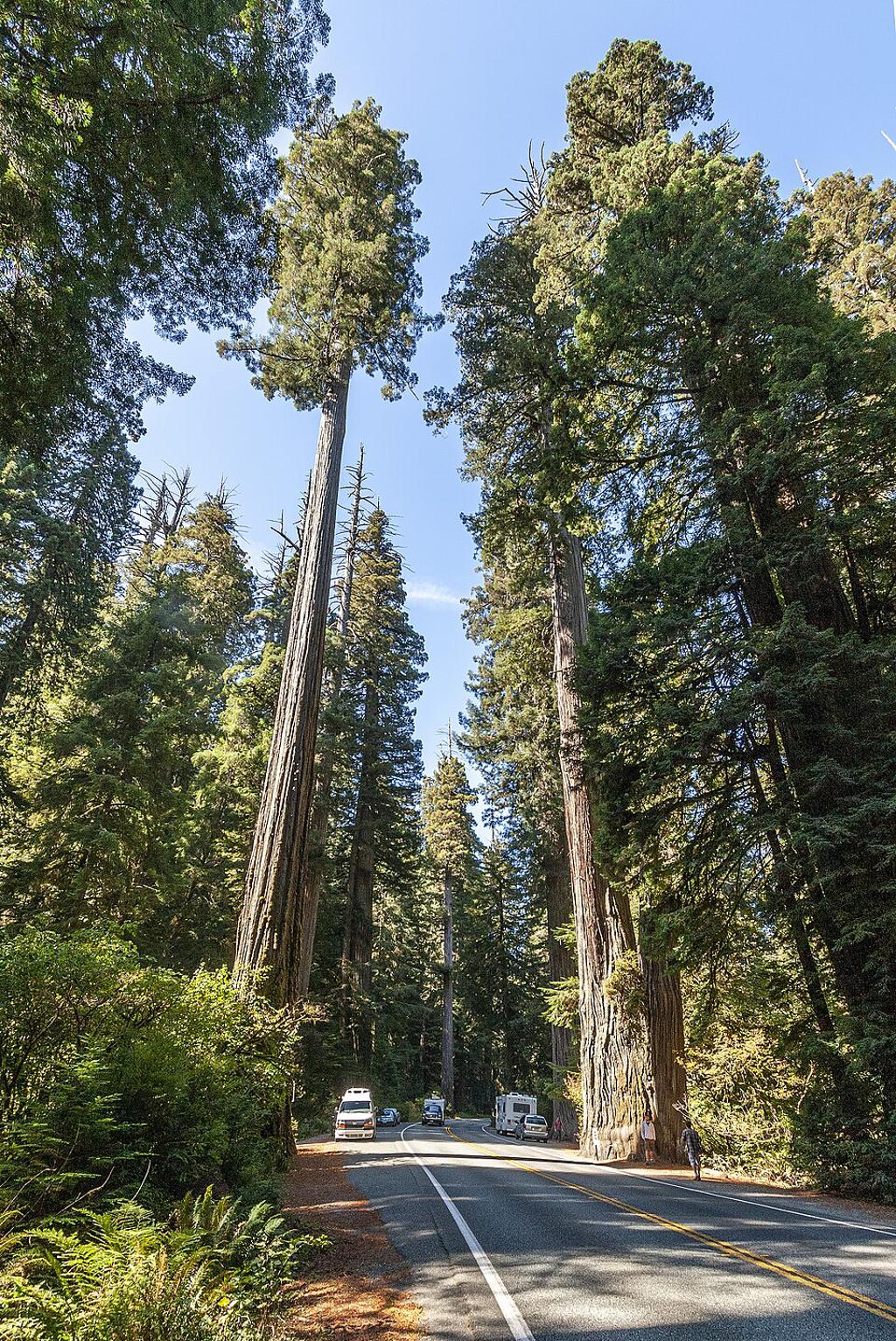


The species dominates the coastal low-elevation forests of California and Oregon, occurring in both pure and mixed stands alongside other conifers and angiosperms, spanning an area 750 km in length and 8 to 75 km in width. The prevalence of frequent marine fog, combined with the structural arrangement of the branches and the morphology of the leaves, facilitates moisture interception—a factor critical for the trees’ survival in a region characterized by summer aridity. At higher elevations, the redwood often constitutes a secondary component of the forest composition, while its distribution follows the fog belt extending into the interior of the arid region (up to 60 km from the coastline).
(height, leaf arrangement, leaf shape, root system)
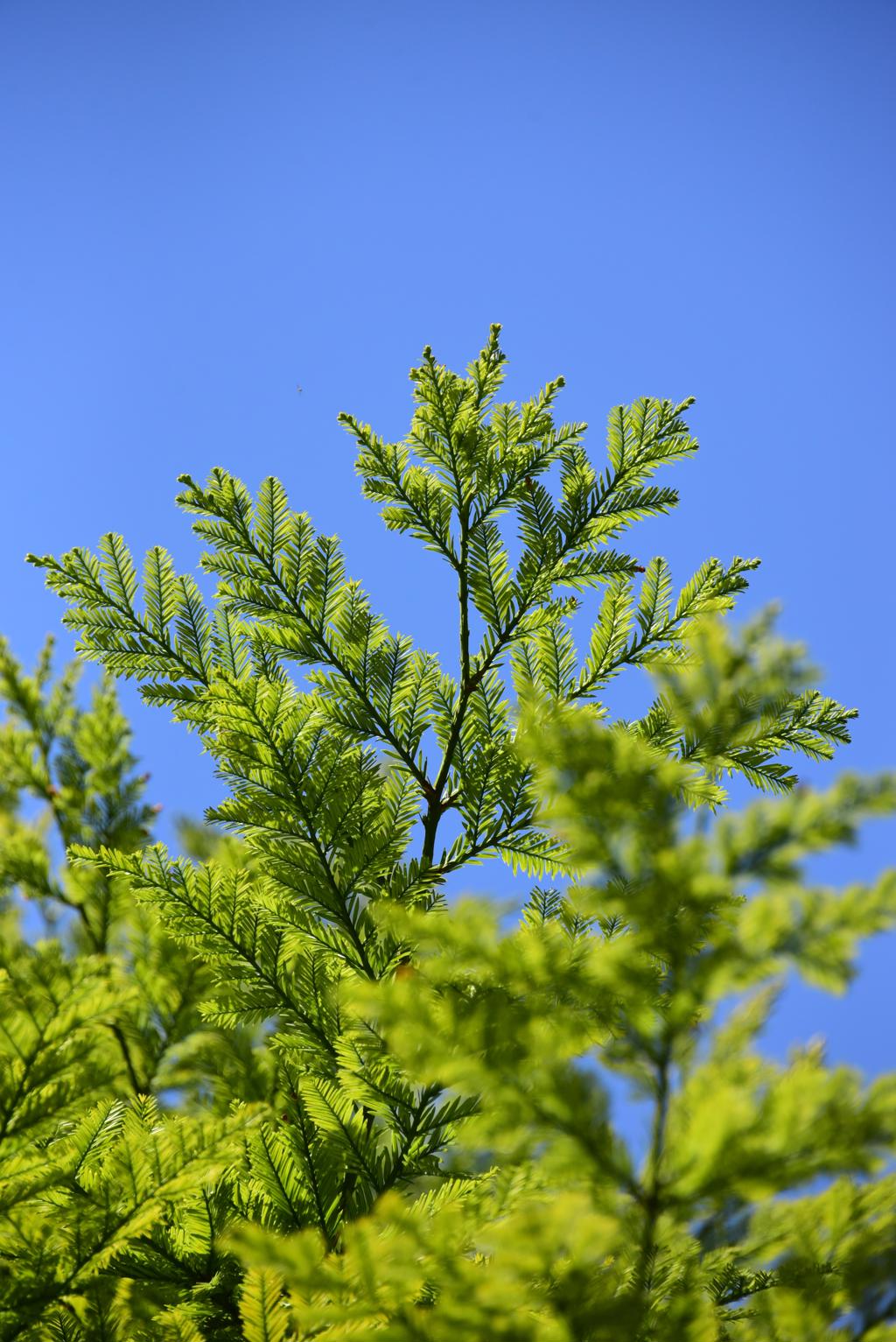
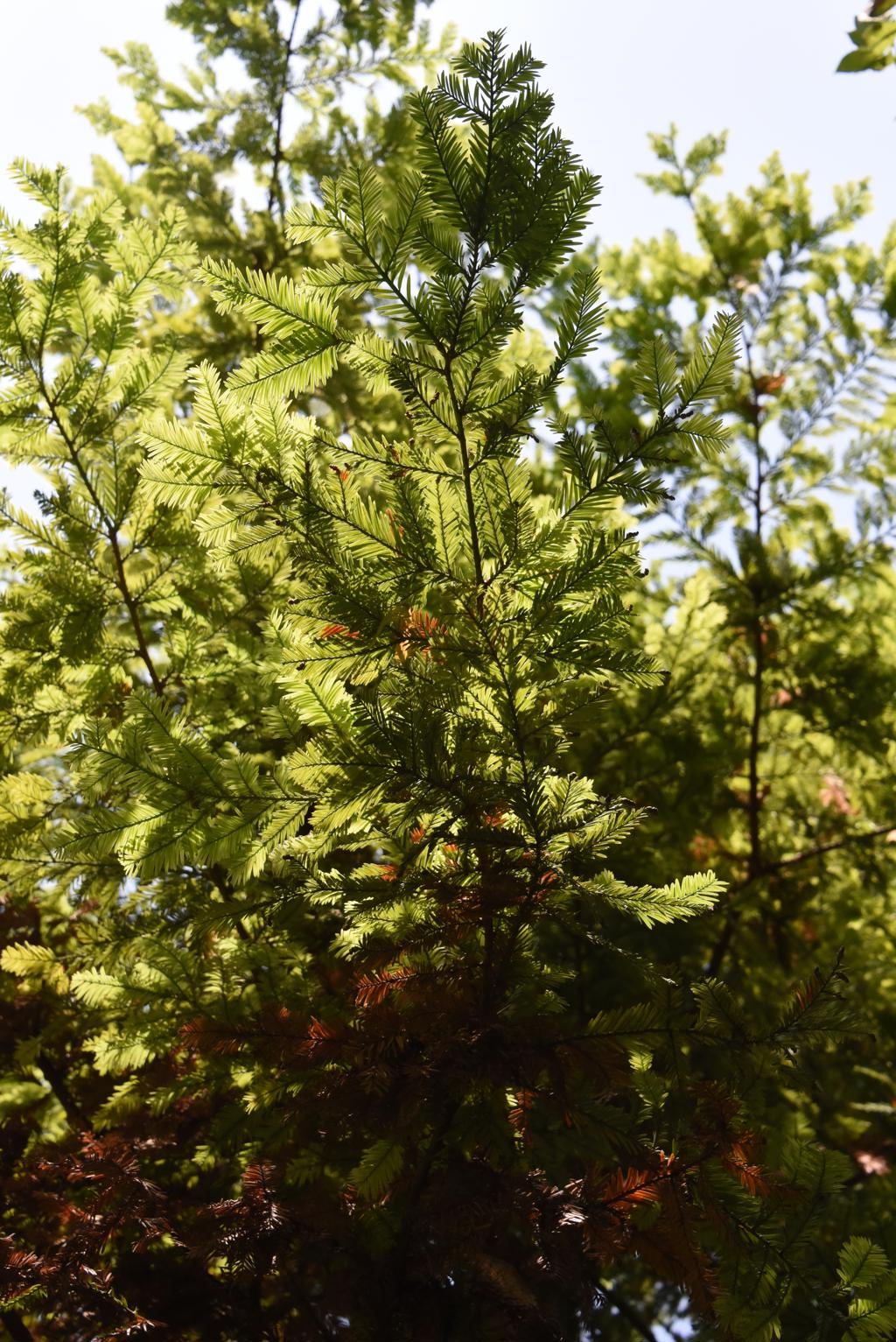
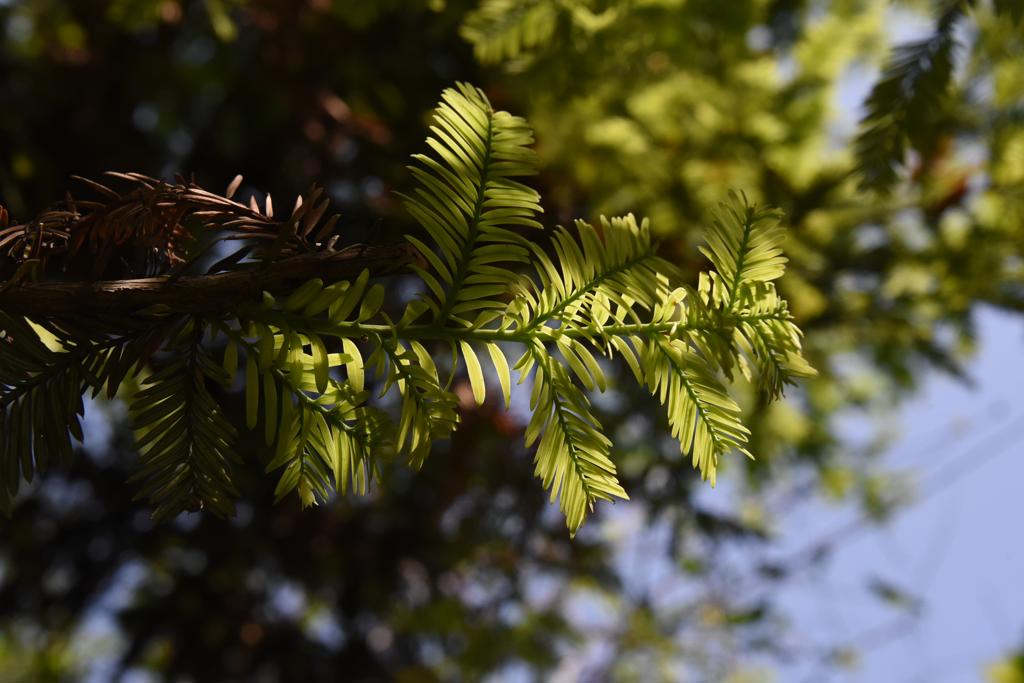
An evergreen and long-lived tree, that can live from 1,200 to over 2,200 years. It is one of the tallest tree species on Earth, typically reaching heights of 60 to 100 m, but in exceptional cases exceeding 110 m, while the trunk diameter can reach up to 9 m. The trunk is straight, often swollen at the base, with thick reddish-brown bark up to 35 cm thick, soft and fibrous, which darkens over time. The crown is initially conical and dense but becomes more open and irregular with age, with horizontal to slightly drooping branches. The leaves are alternate and vary in form: in the shaded lower parts, they are larger, elongated, and lanceolate (15–25 mm), whereas in the sun-exposed upper branches they are smaller and scale-like (5–10 mm). They are arranged spirally, dark green on the upper surface, with two characteristic whitish-blue stomatal bands on the underside. The tree has a shallow but extensive root system and is also characterized by the ability for “trunk sprouting,” with multiple secondary shoots that can create a cluster of trunks from a single central organism.
(flowering period, flowers, seeds)
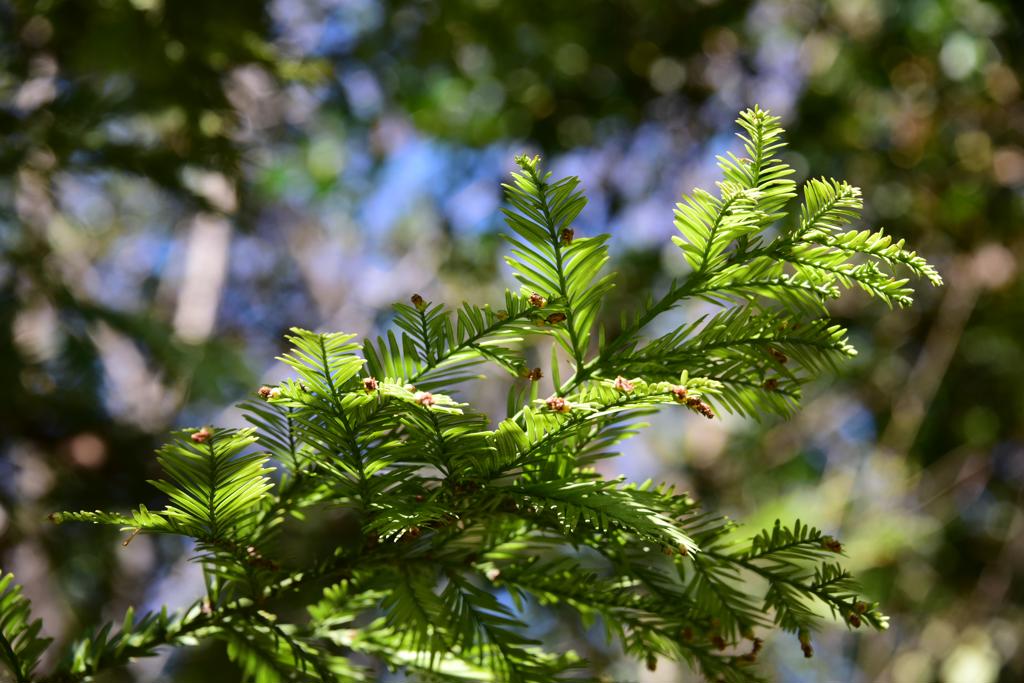
The species is monoecious, meaning that both male and female reproductive structures are located on the same tree but on different branches. The male pollen-bearing cones are small, ovoid or nearly spherical, measuring 2 to 6 mm in length, and appear solitary on short pedicels. The female cones are ovoid to elliptical, 12 to 35 mm long, reddish-brown in color, and hang from the tips of the shoots, consisting of numerous flat, spirally arranged scales.
Pollination occurs from late winter to early spring, specifically from late November to March, with the cones reaching maturity within 8 to 9 months. The mature cones, measuring 13 to 29 mm, open during the autumn of the same year and remain on the tree until approximately December, at which point the seeds are released. Each scale bears 2 to 7 flattened seeds, 3 to 6 mm in length and approximately 0.5 mm in width, equipped with two small wings that facilitate wind dispersal.
Seed production typically commences at an age of 5 to 15 years, with peak viability observed in trees older than 250 years; conversely, germination capacity is exceptionally low in both very young and over-mature individuals. Despite the fact that the trees produce large quantities of seeds almost annually, germinability is usually low, as fewer than 15% of the seeds are fertile. Reproduction is not limited to seed production, as the species can regenerate asexually through sprouting from cut stumps, suckers, or even via the production of epicormic shoots following a fire—a trait that provides it with exceptional resilience.
The tallest living tree in the world, discovered in 2006, is named Hyperion (from the Greek ὑπερ+ίημι, meaning “he who walks on high”). It is a Sequoia sempervirens located in Humboldt County, California, reaching a height of 116.07 meters (according to a 2019 measurement). This height exceeds that of the Statue of Liberty by approximately 23 meters. Its age is estimated to be between 600 and 800 years, implying that at the time of its germination, the region was inhabited by the Chilula Native American tribe.
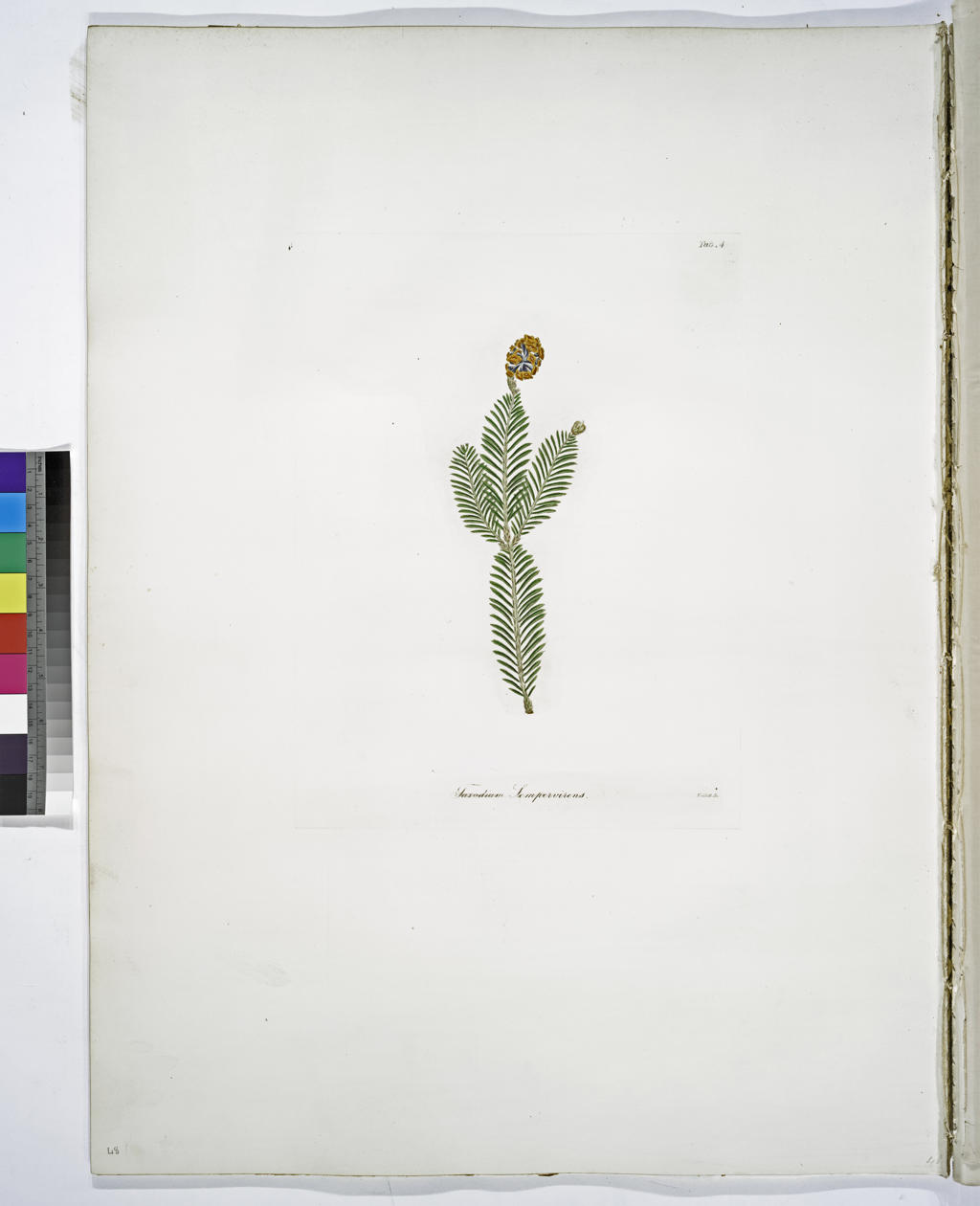
Sequoia sempervirens is a plant endemic to the coastal regions of California and southwestern Oregon. The first recorded reference to the coast redwood (Sequoia sempervirens) appeared in the diary of Friar Juan Crespí on October 10, 1769, during Don Gaspar de Portolá’s overland expedition from San Diego to Monterey. Later, in September 1791, Thaddaeus Haenke, a member of the Spanish Malaspina expedition, became the first naturalist to encounter the tree near Monterey, California; this event led to the dispatch of seeds from the then-undescribed species back to Spain. Concurrently, the British expedition searching for the Northwest Passage (1790–1795) under George Vancouver included Archibald Menzies as the ship’s surgeon and naturalist, who collected specimens from the area of present-day Santa Cruz. However, Menzies’ specimens were not formally described until 1824 by the Scottish botanist David Don. Working in London, Don published his study in the work “A Description of the Genus Pinus,” assigning it the scientific name Taxodium sempervirens.
Generally, the giant forests of North America have always been closely linked to indigenous populations, who utilized their valuable timber for the construction of roofs and boats. This deep historical relationship is also reflected in the prevailing theory regarding their name: it is believed that the term Sequoia was given in honor of the Cherokee Indian, “Sequoyah – See-quah-yah.” However, the connection to the Cherokee leader has been contested by some scholars who propose a more linguistic interpretation. According to this view, the botanist Stephan Endlicher chose the name based on the Latin root sequi (to follow). By this logic, the redwood was so named because it constitutes a “solitary follower,” a survivor of the ancient, colossal forests that once covered the Earth. The epithet sempervirens (“always green”) underscores the evergreen nature and the impressive longevity of the tree.
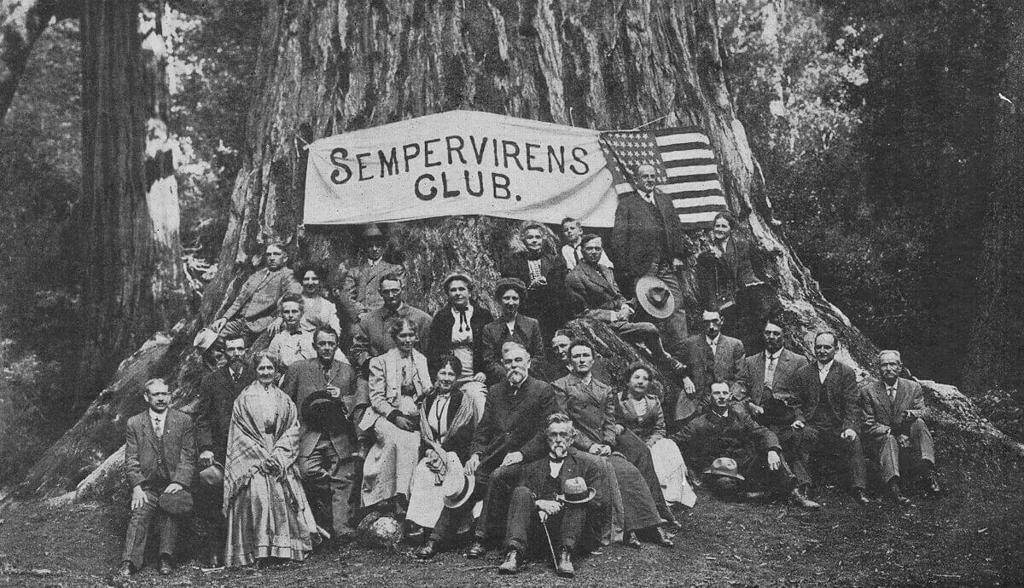
Old-growth forest tracts comprised significant ecosystems with a vast diversity of species, while early reports by European explorers in the 18th and 19th centuries describe the unique growth and height of the trees. Following the California “Gold Rush” in the 19th century, the species became an object of intense exploitation when the demand for timber led to the extensive destruction of primordial forests. In 1900, the Sempervirens Club (now known as the Sempervirens Fund) launched a campaign to save the Sequoia sempervirens trees in the Santa Cruz Mountains, leading to the 1902 establishment of the California Redwood Park (today’s Big Basin Redwoods State Park). Subsequently, in 1918, the “Save the Redwoods League” took action to protect stands of these trees. To this day, the Sempervirens Fund remains active in the South Bay region of Los Angeles, while the “Save the Redwoods League” continues its work protecting both the coast redwood (sempervirens) and the giant sequoia (giganteus).
Despite conservation measures, only 5% of the original old-growth forests survive today, and the species has been classified as “Endangered-EN” by the International Union for Conservation of Nature (IUCN). Of particular historical interest are the reports of giant individuals of the species. The ecological significance of the species remains critical due to its unique biodiversity, long-term carbon storage, and contribution to research on forest species regeneration and microclimates. The dispersal of the species is limited to areas with high humidity and fertile alluvial or weathered soils, significantly influenced by temperature, slope, and wind exposure.
Of particular interest is Hyperion, the tallest living tree in the world, discovered in 2006. The uncontrolled influx of visitors caused such destruction to the ecosystem and soil compaction that, since 2022, the administration of Redwood National Park has strictly prohibited access to the area, imposing fines of $5,000 and prison sentences of up to 6 months on violators!
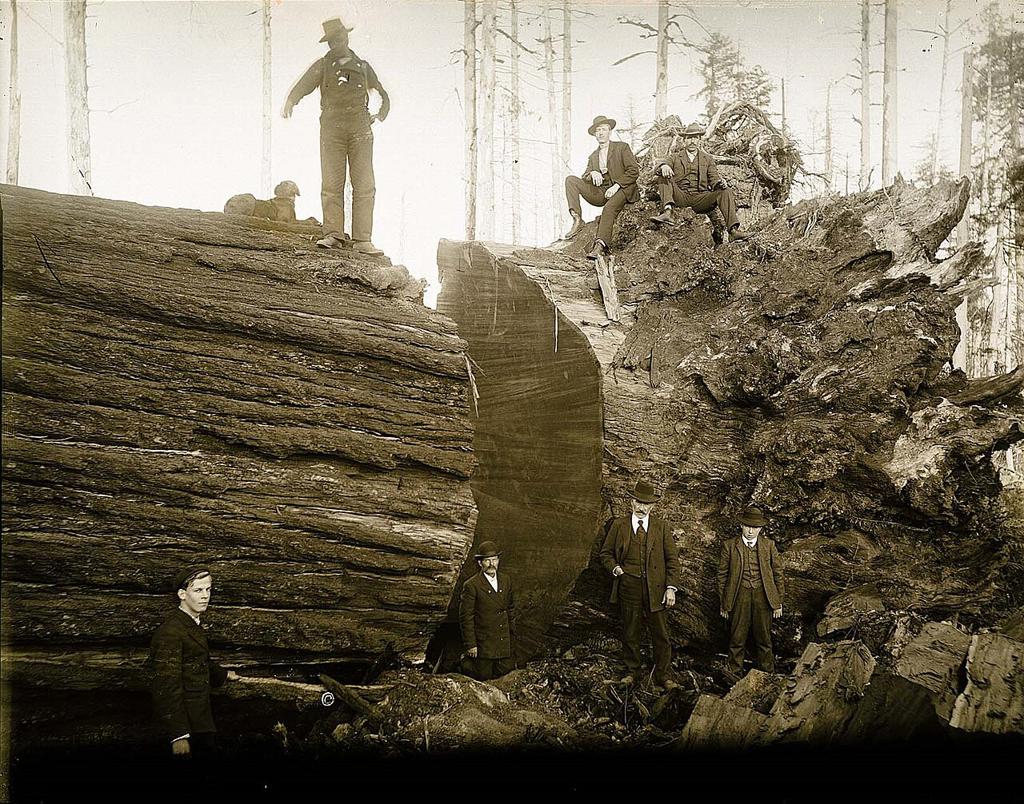
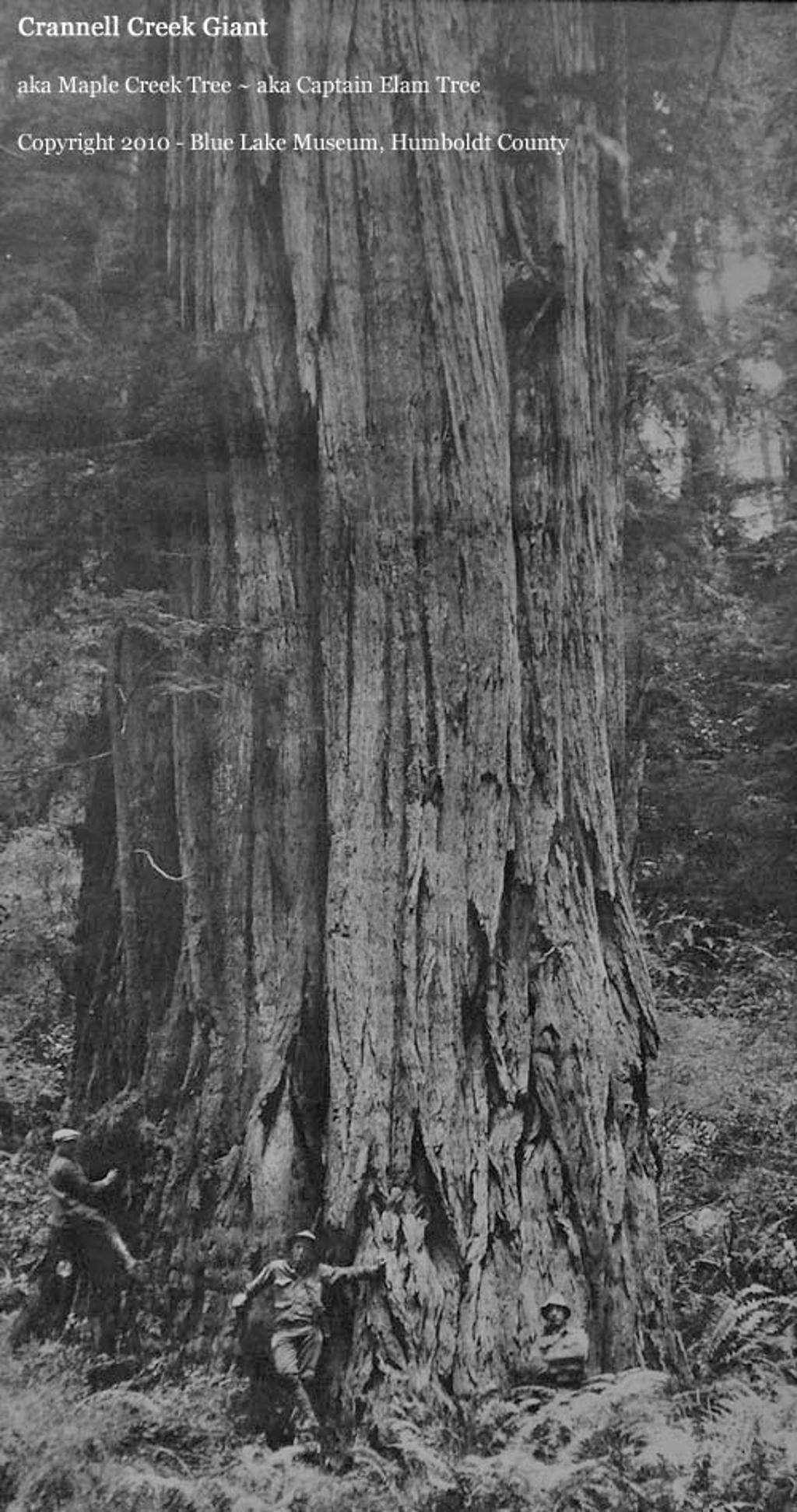
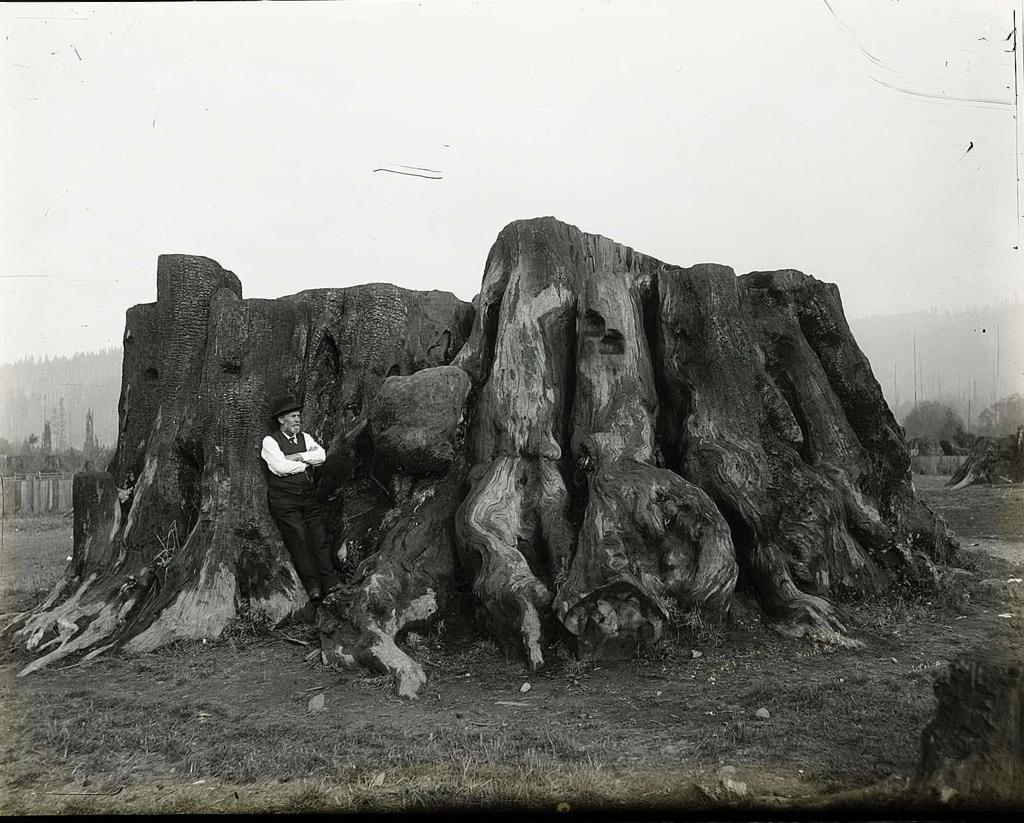
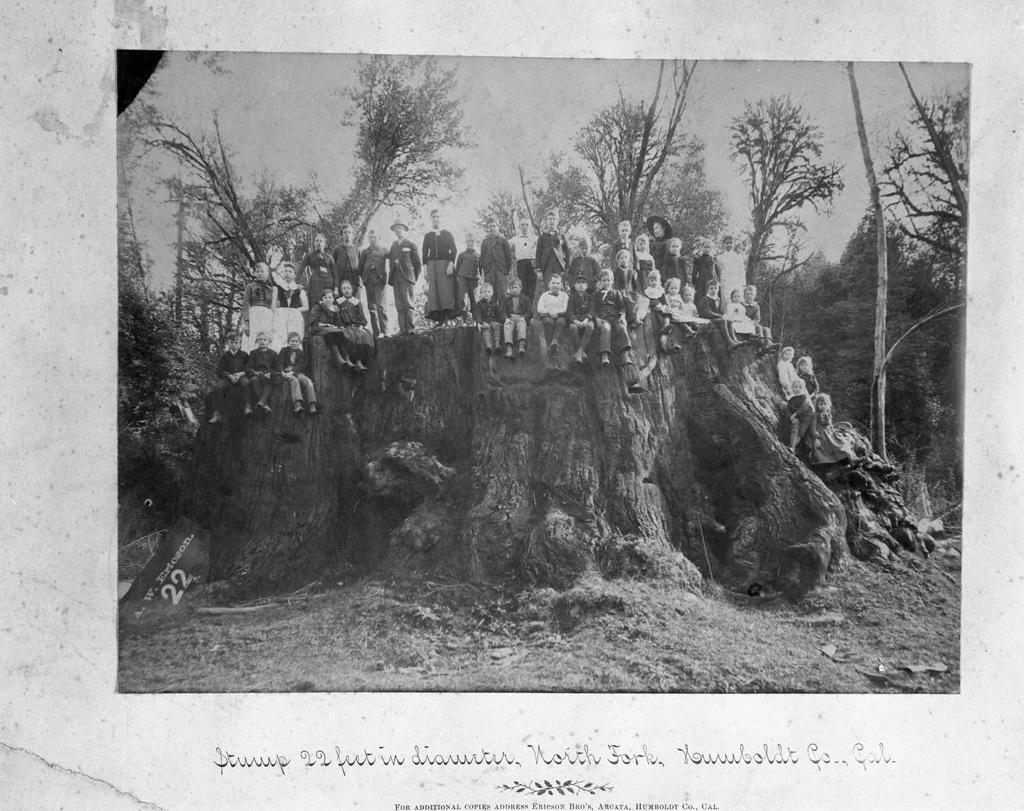
Historical records indicate that prior to the intensive logging of the 19th and 20th centuries, coast redwoods were the largest trees in the world, surpassing in volume even the well-known Giant Sequoias. The three “mythical” California coastal redwoods the “Crannell Creek Giant”, the “Fieldbrook Redwood”, and the “Lindsay Creek Giant” represent some of the largest biological organisms ever recorded on Earth. The “Crannell Creek Giant”, logged in 1926, remains the largest specimen with comprehensive photographic and scientific documentation; standing at 94 meters with an estimated biomass of 3,000 tons, it surpassed the volume of contemporary Giant Sequoias by approximately 17%. Even more imposing was the “Lindsay Creek” tree, which fell during a storm in 1905; reports indicate an extraordinary volume of 2,600 tons and a height of 99 meters.
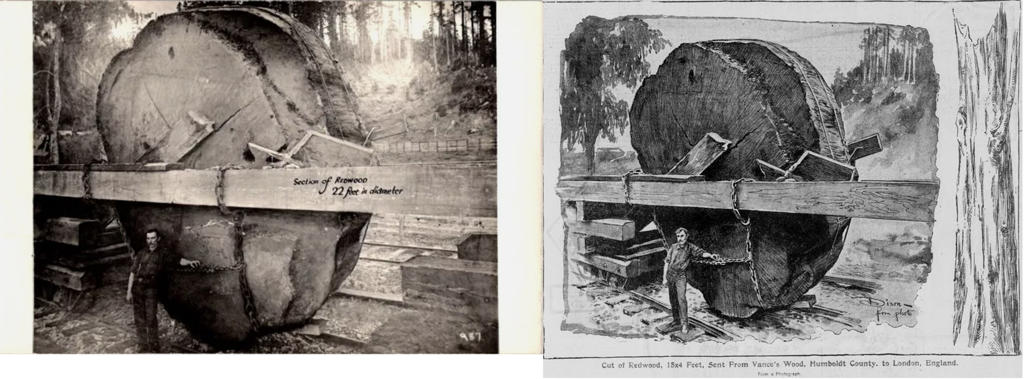
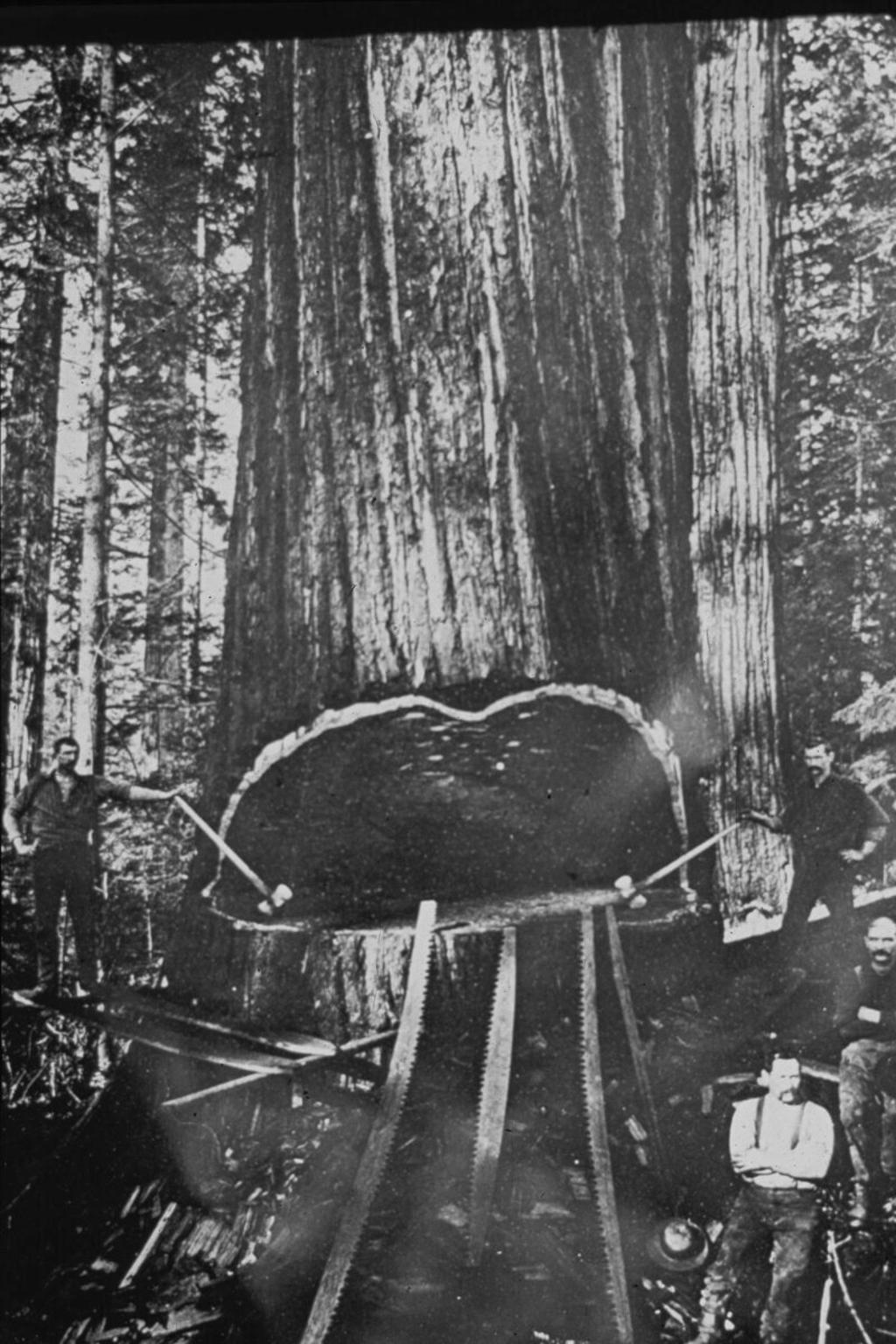
In contrast, the demise of the “Fieldbrook Giant” in the 1890s was not the result of natural phenomena but was driven by the era’s intensive logging industry and the pursuit of a singular colonial attraction. Although folklore suggested the tree reached a height of 110 meters, empirical evidence is lacking; dendrologists estimate the specimen was likely a broken snag of approximately 65 meters, albeit one characterized by an immense basal diameter. While popular myth asserts the tree was harvested to settle a tavern wager—claiming a single cross-section could accommodate 40 dinner guests—historical records suggest this narrative was likely fabricated by a sea captain. The actual motivation was the transport of a massive timber section to the Cliveden Garden in England.
The logistics of transporting this 13.5-ton slab, measuring 6.7 meters in diameter, constituted a significant engineering feat for the period. The route spanned from Humboldt County to San Francisco, navigated Cape Horn to New York, and finally traversed the Thames. Today, the Blue Ox Millworks & Historic Park in California preserves a six-meter saw used in the operation, providing a stark testament to the labor required: historical accounts note that two master loggers labored ten hours daily for over a week merely to fell the specimen.
Dendrochronological analysis of the tree’s remains estimated its age at 1,275 years. A significant contemporary development is the initiative led by David Milarch and the Archangel Ancient Tree Archive, which successfully recovered living tissue from this massive redwood, achieving its genetic rescue. The international propagation of these identical clones ensures the biological continuity of this specific lineage, transforming a historical artifact of environmental loss into a global network of “living monuments”.
Traditionally, its wood was widely used in construction, particularly in applications requiring resistance to decay and rot, such as houses in California and Oregon, wooden roofs, as well as railway tracks and bridges. With the reduction of old-growth forests, its use shifted toward more specialized products, including furniture, artistic wood carvings, and polished tabletop surfaces. At the same time, the tree’s resin and essential oils have been studied for their antibacterial and preservative properties, while seeds and leaves are occasionally used in traditional practices as raw materials for decorative purposes, plant-based preservatives, or microbiological studies, although no widespread medicinal use has been reported. Its thick, fibrous, and durable bark is used for insulation or as mulch in gardens to suppress weeds. Moreover, Sequoia sempervirens is widely cultivated as an ornamental tree in many countries, with several commercial varieties available. Under suitable conditions, it grows rapidly and can reach impressive sizes within a century, while its exceptional longevity leaves open the possibility of continued growth for many more centuries. In vitro tissue cultures (calli) of the species offer a sustainable alternative for producing flavonoids and phenolic compounds without threatening natural populations. These compounds exhibit strong hepatoprotective effects, as well as antioxidant and anti-inflammatory properties, and aid in the recovery of liver cell damage. In both traditional and modern use, the tree’s leaves, roots, and seeds are primarily employed in ethnobotanical practices and phytotherapeutic experiments, while the utilization of wood residues is linked to construction needs and the preservation of ecological heritage. The ethnobotanical significance of the species is closely associated with the survival of communities in the coastal regions of California and Oregon, where its wood and other structural properties were used in daily practices.
(Note: Ethnobotanical data regarding the medicinal uses of plants must be handled with caution, and their application should be carried out exclusively under medical supervision).
- https://powo.science.kew.org/taxon/urn:lsid:ipni.org:names:263741-1
- https://www.iucnredlist.org/species/34051/2841558
- https://conifers.org/cu/Sequoia.php
- https://kymkemp.com/2019/11/16/back-from-the-dead-a-giant-returns-home/
- https://www.mdvaden.com/redwood_crannell_creek_giant.shtml
- Arnaud, Y., Franclet, A., Tranvan, H., & Jacques, M. (1993). Micropropagation and rejuvenation of Sequoia sempervirens (Lamb) Endl: A review. Annales Des Sciences Forestières, 50(3), 273–295. https://doi.org/10.1051/forest:19930305
- Barbour, M., Lydon, C., Borchert, M., & Popper, M. (2001). Coast redwood: A natural and cultural history. Cachuma Press.
- Buchholz, J. T. (1939). The embryogeny of Sequoia sempervirens with a comparison of the sequoias. American Journal of Botany, 26(4), 248–257. https://doi.org/10.2307/2436498
- Endlicher, S. (1847). Synopsis coniferarum. Scheitlin & Zollikofer.
- Heinrichs, S., Öder, V., Indreica, A., Bergmeier, E., Leuschner, C., & Walentowski, H. (2021). The influence of Tilia tomentosa Moench on plant species diversity and composition in mesophilic forests of Western Romania—A potential tree species for warming forests in central Europe? Sustainability, 13(14), 7996. https://doi.org/10.3390/su13147996
- Ishii, H. T., Jennings, G. M., Sillett, S. C., & Koch, G. W. (2008). Hydrostatic constraints on morphological exploitation of light in tall Sequoia sempervirens trees. Oecologia, 156(4), 751–763. https://doi.org/10.1007/s00442-008-1032-z
- Lambert, A. B., Don, D., & Bauer, F. (1803–1824). A description of the genus Pinus: Illustrated with figures, directions relative to the cultivation, and remarks on the uses of the several species. J. White.
- Lippincott, J. H. (1860). Sequoia versus Washingtonia. The Gardener’s Monthly, Devoted to Horticulture, Arboriculture, Botany & Rural Affairs, 2(3), 75–77.
- Lowe, G. D. (2012). Endlicher’s sequence: The naming of the genus Sequoia. Fremontia: Journal of the California Native Plant Society, 40(1/2), 24–35.
Olson, D. F., Jr., Roy, D. F., & Walters, G. A. (1990). Sequoia sempervirens (D. Don) Endl. Redwood. In R. M. Burns & B. H. Honkala (Eds.), Silvics of North America: Volume 1. Conifers (Agriculture Handbook 654). U.S. Department of Agriculture, Forest Service. https://dendro.cnre.vt.edu/DENDROLOGY/USDAFSSilvics/180.pdf
References in Αrt
The species is the subject of the literary work “The Wild Trees” (2007) by Richard Preston, while a historical exploration of the works it has inspired is presented in “Sequoia: The Heralded Tree in American Art and Culture” (2003) by Lori Vermaas.