

It is classified as a phanerophyte (P), and its habitat is “Forests and shrublands (W)”. It occurs in the temperate bioclimate, mainly along streams, at forest edges, in shrublands, and in semi-natural hedgerows around cultivated fields. It thrives in neutral to calcareous, well-drained soils, but does not grow in acidic soils with low calcium content.
(height, leaf arrangement, leaf shape, root system)
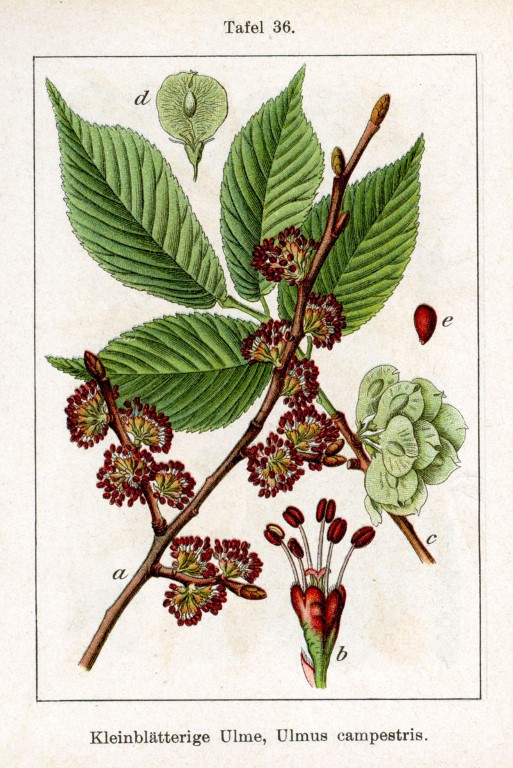
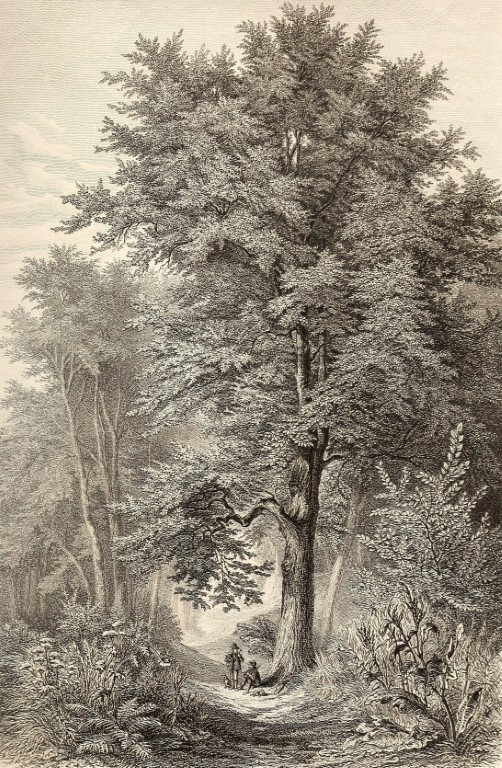
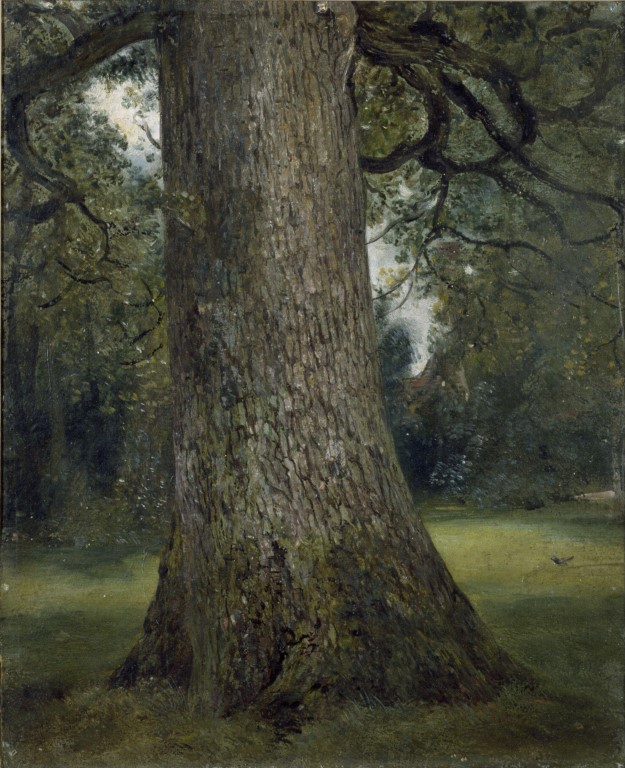
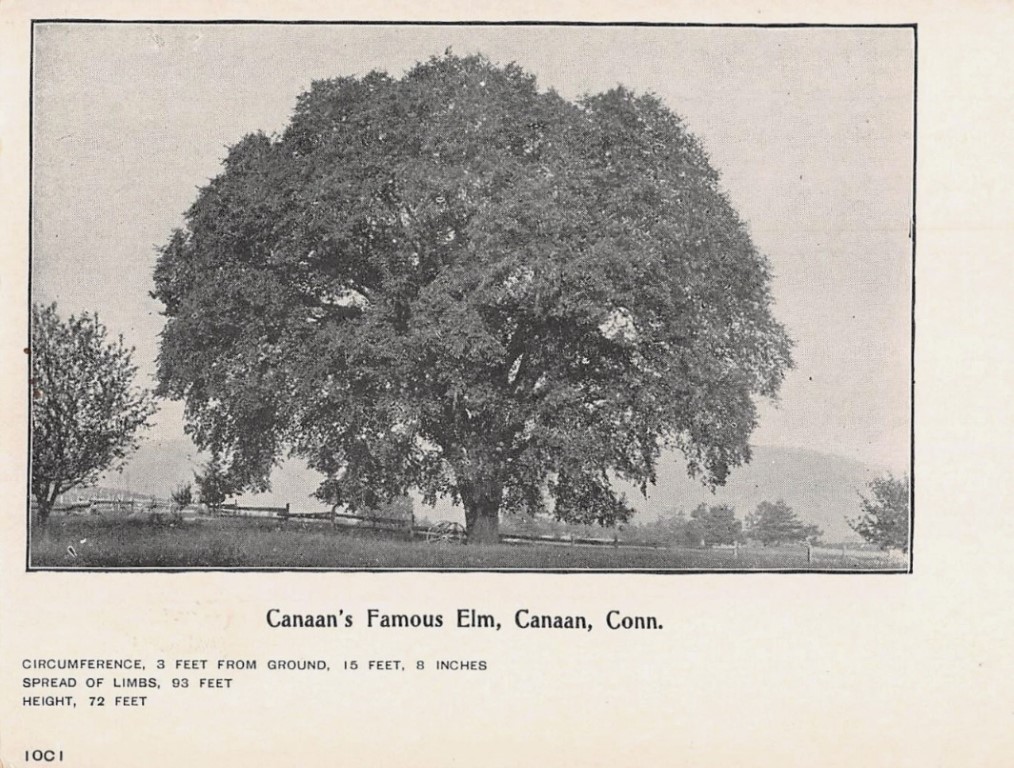
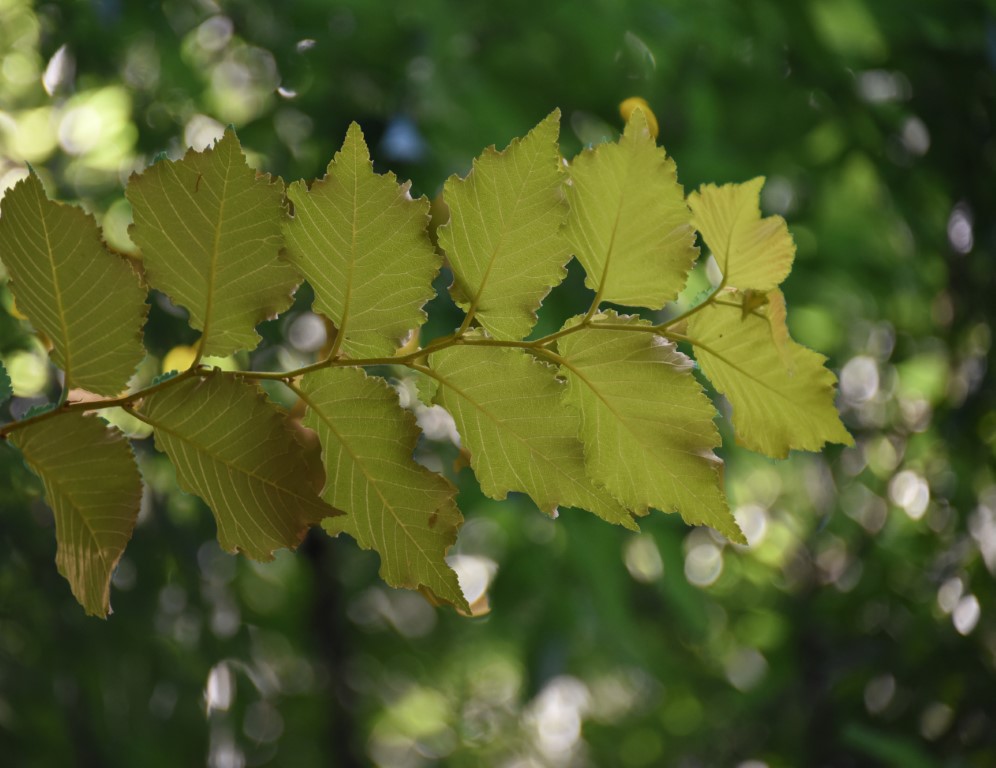
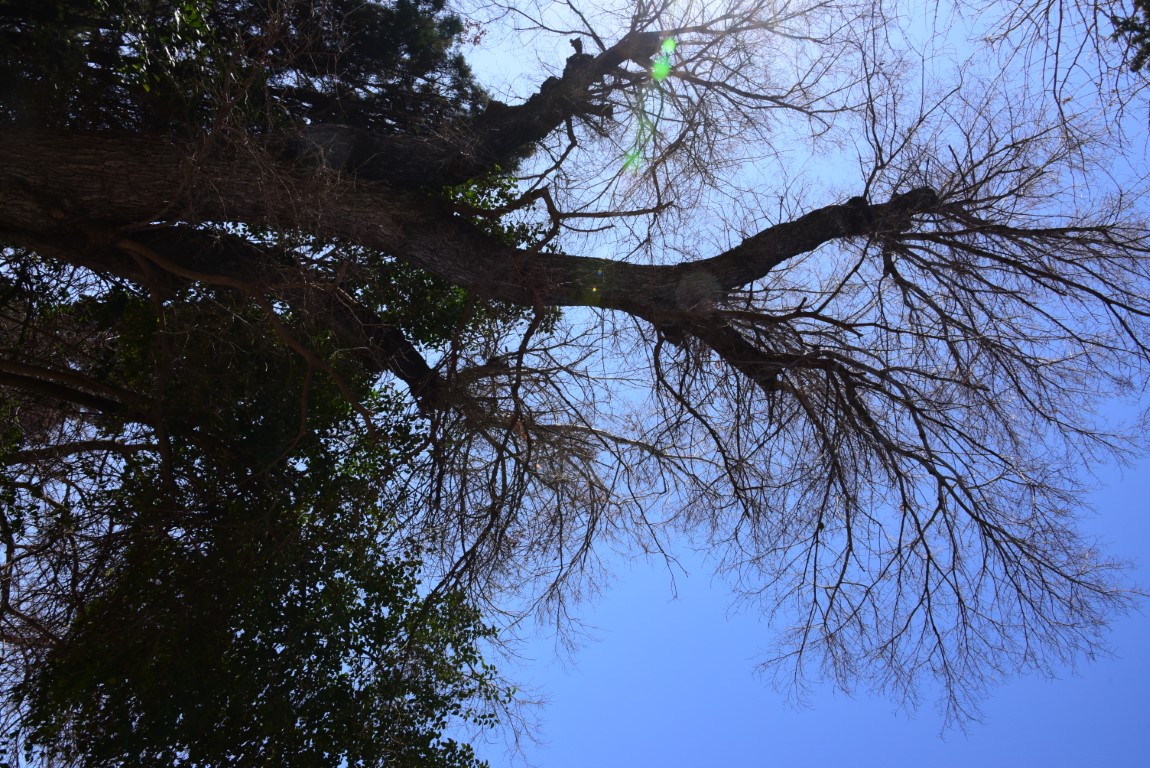
A deciduous, monoecious tree that usually reaches a height of 25–30 m, although in some cases may exceed 35 m. It often also appears in the form of a large shrub. It has a broad, spherical crown with dense, deep green foliage. The bark is gray and relatively smooth in young individuals, becoming darker and developing fissures with age. The twigs are glabrous or sparsely pubescent, slender and slightly hairy during the early stages of growth. The root system is extensive and strong, with numerous lateral roots that contribute to its stabilization in the ground. The leaves are alternate, 2–11 cm long, with a petiole of up to 1.2 cm. The blade is elliptic to obovate, with a strongly asymmetrical base forming almost a right angle with the petiole. The upper surface is smooth and glossy, while the lower surface is usually pubescent. The margins are doubly serrate, a characteristic feature of the species.
(flowering period, flowers, seeds)
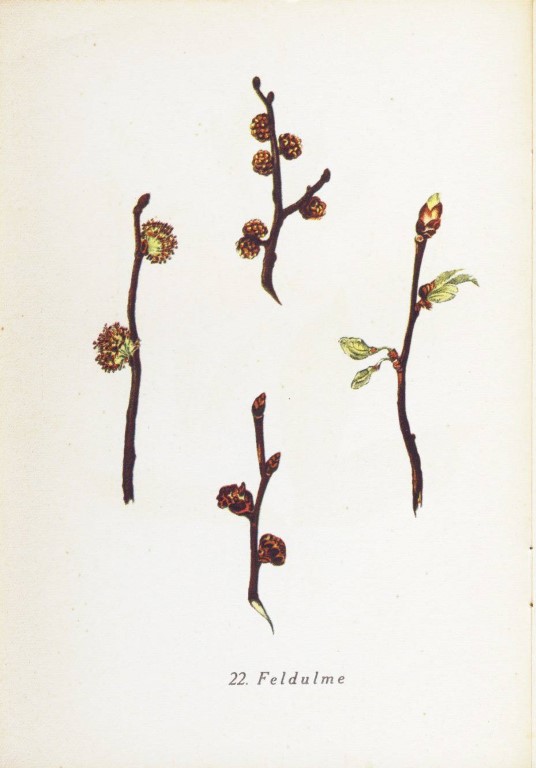
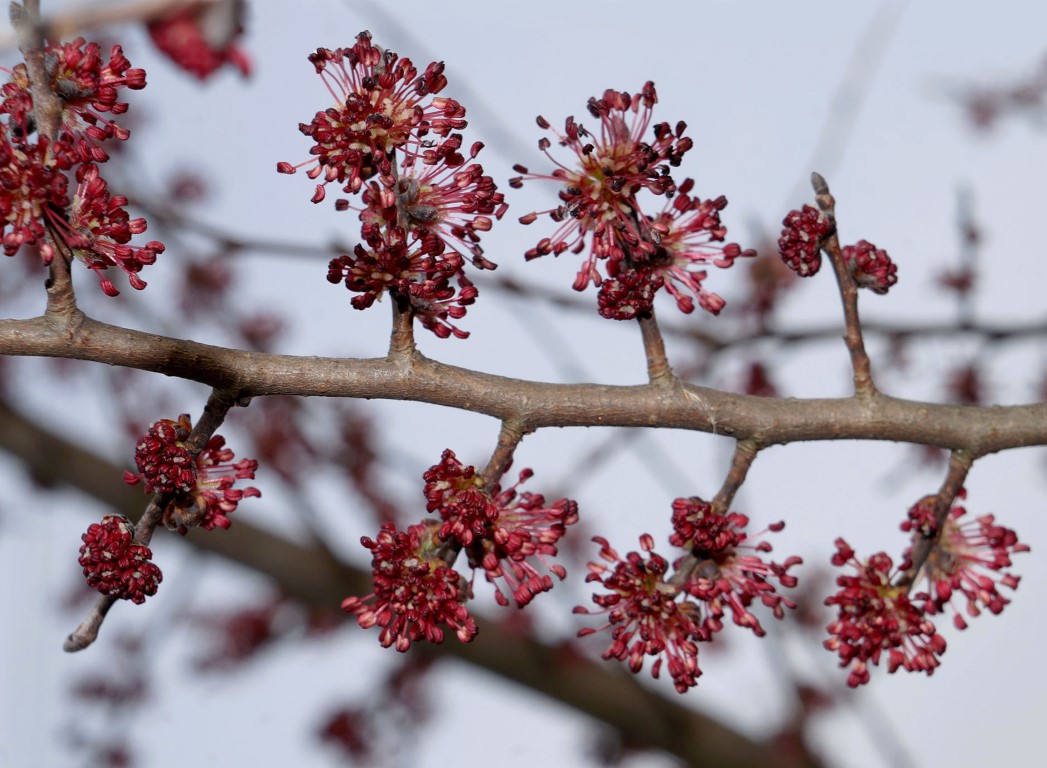
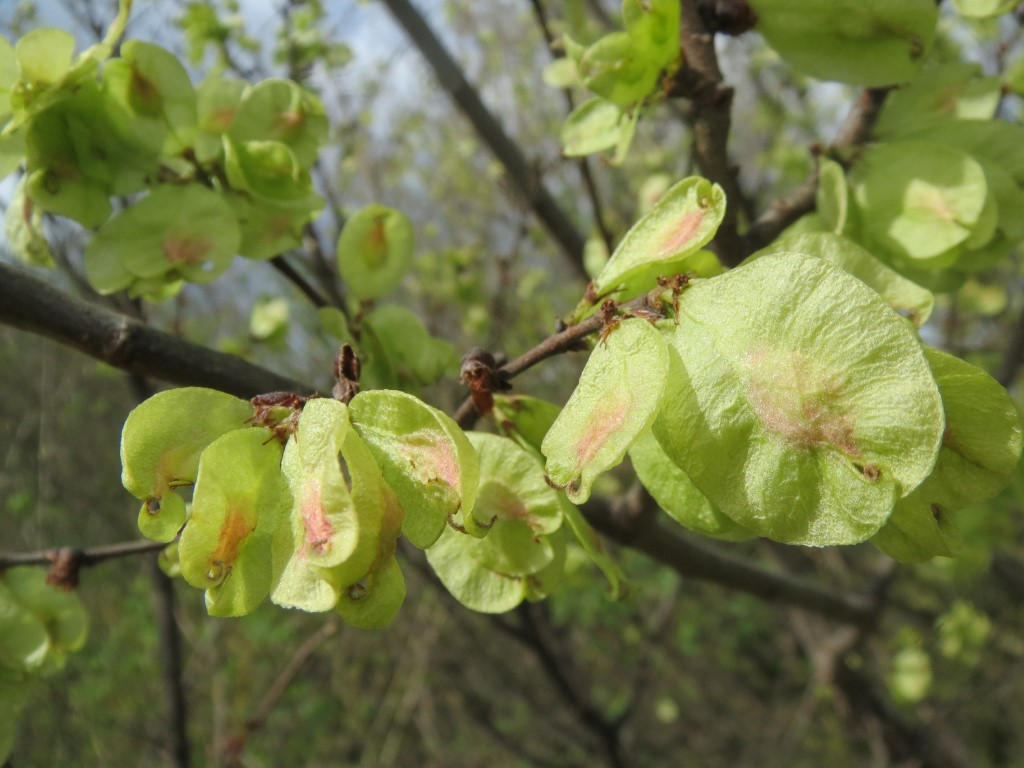
It reproduces both sexually through seeds and asexually through root suckers. The flowers are small, hermaphroditic, and apetalous, lacking both calyx and corolla, and they appear early in the spring before leaf emergence. Since they do not produce nectar, pollination is wind-mediated, and the production of viable seeds depends on the transfer of pollen from another individual of the species. The fruit is winged, known as a samara—a flat, membranous, semi-transparent disc about the size of a small coin, enclosing a single seed at its center. The seeds ripen and are shed in early summer, but remain viable for only a few days, which limits natural regeneration. At the same time, the tree produces abundant root suckers from its extensive root system, which can develop into new trunks, forming clonal stands of elms, a characteristic feature of its vegetative reproduction.
The field elm (Ulmus minor) and the wych elm (Ulmus glabra) are genetically closely related and hybridize naturally, producing the Ulmus × hollandica hybrids, which exhibit significant morphological variation in both tree habit and leaf shape. Numerous other hybrid elms exist, occurring both spontaneously in the wild and through traditional cultivation.
The earliest written record of the species dates back to the Mycenaean era, appearing in the military inventories of Knossos, which list chariots and wheels constructed from elm wood. Theophrastus describes the elm as a tree with serrated leaves and unique structures, such as its characteristic galls or fruits. He notes the contemporary debate regarding the tree’s fruit-bearing capacity while affirming its ability to propagate via seeds. He distinguishes two primary types: the “mountain elm”, characterized by its robust trunk and high-altitude growth, and the more “shrub-like elm” of the lowlands.
Theophrastus further observes that its foliage and fruits vary, noting the reproductive capacity of even seemingly sterile trees. As Hesiod had earlier emphasized, elm wood is exceptionally durable; it resists warping and is better preserved when exposed to air rather than submerged in water. Furthermore, the tree exhibits a remarkable natural resilience, possessing the ability to self-heal following physical injury. Pliny the Elder synthesized extensive practical and naturalist data, confirming the distinction between species and noting the ecological significance of its shade, which can be beneficial to understory plants. He highlights the structural integrity of elm wood—particularly for hinges and door frames—owing to its resistance to distortion.
In Greek mythology, the elm is personified as Ptelea, one of the Hamadryad nymphs. The tree’s sanctity and its symbolism as a tribute to the deceased are documented as early as the Iliad; Homer recounts nymphs planting elms at the tombs of heroes such as Eetion and Protesilaus. Regarding the latter, a poignant myth suggests that the trees surrounding his grave would wither whenever their tops “beheld” the ruins of Troy. The elm also appears in the bucolic poetry of Theocritus as a symbol of coolness and peace, and in the early Christian text The Shepherd of Hermas, where the union of the vine and the elm serves as an allegory for the relationship between the rich and the poor. In Latin literature, Virgil’s Aeneid describes the “Elm of Styx” as a somber tree of the Underworld harboring vain dreams, lending the species a metaphysical dimension. Conversely, Ovid develops the motif of the “marriage” between the elm and the vine as a symbol of interdependence: the vine requires the elm for support, while the elm gains aesthetic beauty through the vine.
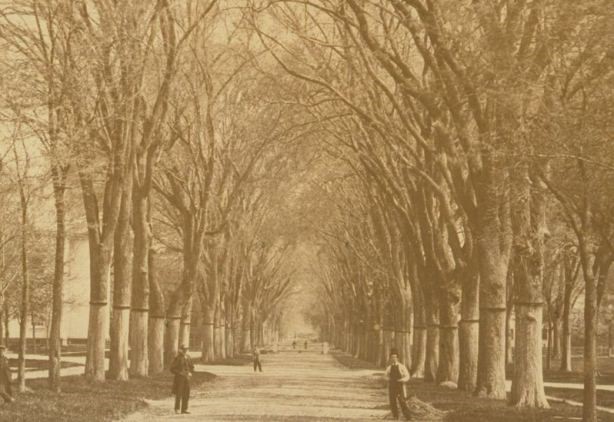
In modern history, elms were planted in England to commemorate the Glorious Revolution of 1688, while during the American Revolution, the famous “Liberty Tree” in Boston became a symbol of resistance against British rule. Monumental specimens were recorded, such as the Great Amwell elm (reaching 40m in 1911) and the renowned Long Melford elms in Suffolk, which served as local landmarks before being decimated by Dutch Elm Disease (DED) in the 20th century. Since the 1960s, the fungus Ophiostoma novo-ulmi has eliminated over 75% of elms in Europe and North America, in some regions destroying nearly all mature trees. In Connecticut, the American elm’s presence is documented as early as 1600 by Thomas Hooker. These trees were systematically planted for shade and urban ornamentation; Wethersfield once boasted the largest elm in the country (which succumbed to DED in 1953), while New Haven became historically known as the “Elm City”.
In Greece, the centuries-old elm in Aidona, Kalambaka—estimated to be over 500 years old—was designated a “Preserved Monument of Nature” in 1981. Regrettably, this majestic landmark, which withstood centuries of warfare, finally collapsed under gale-force winds around 2009. In Turkish, the word karaağaç means black tree and is still used today in the form “karagatsi” to describe elm wood. Consequently, the name “Karagatsi” was often given to regions featuring prominent elms. It was such a magnificent elm in the courtyard of a church in Rapsani, Thessaly—under whose shade he spent his summers reading—that inspired the literary pseudonym of the eminent Greek novelist M. Karagatsis.
Elm leaves and branches have been utilized for medicinal purposes since antiquity, particularly for wound dressing. Dioscorides noted that young leaves were consumed boiled, while the inner bark served as an anti-inflammatory and astringent agent. He also documented that the bark and leaves were applied as poultices to treat leprosy and wounds—leveraging the bark’s elasticity to function as a “natural bandage”, while decoctions were believed to accelerate the callus formation in bone fractures. Internally, specific dosages of the bark administered with wine or water acted as a purgative to expel phlegm. Furthermore, the fluid collected from leaf galls was traditionally used as a cosmetic treatment for facial radiance. Recent phytochemical studies confirm the presence of compounds with anti-inflammatory properties, validating the historical interest in its pharmacological applications.
Elm wood has been exceptionally valued since prehistoric times due to its durability, elasticity, and the interlocked nature of its grain, as observed by Hesiod and Theophrastus. According to Strabo, systematic plantation in rows and seasonal harvesting further enhanced the wood’s structural integrity for the construction of tools, doors, beams, presses, and even military spears. Its resistance to splitting made it the primary material for chariots, wagons, and specifically wheel hubs, as the wood remains intact when spokes are driven into it.
Owing to its remarkable resistance to decay when saturated, elm was extensively used for water conduits, pumps, and pipes. In classical and medieval shipbuilding, it was essential for the construction of internal structural components, while the keels and ribs of traditional Greek caiques were often fashioned from elm. Additionally, the longbows of medieval European infantries were frequently crafted from this resilient timber.
The Roman naturalist Pliny recorded the collection of resin from elms in Asia Minor, though he expressed skepticism regarding the pharmacological efficacy of its leaves and branches. The tree is deeply linked to viticulture; Nonnus notes that the elm provides crucial support for vineyards, asserting that vines not supported by elms would fail to produce “sweet grapes”. Seneca emphasized the planting of elms in late March to “embrace” other flora and create environmental harmony. In Roman myth and history, the elm is portrayed as a resilient species capable of regeneration and associated with prosperity.
During periods of famine, dried elm leaves were ground into flour for bread, while the seeds, exceptionally rich in protein (45%), were considered highly nutritious. Since the 17th century, the elm has been cultivated across Europe as an ornamental urban tree. Its notable tolerance to atmospheric pollutants and maritime air has made it a preferred choice for landscaping in industrial and coastal cities.
(Note: Ethnobotanical data regarding the medicinal uses of plants must be handled with caution, and their application should be carried out exclusively under medical supervision).
- https://powo.science.kew.org/taxon/urn:lsid:ipni.org:names:77224482-1
- Athenaeus, “Deipnosophistae”, 14.62.
Catullus, “Carmina”, LXII.
Dioscorides, “De Materia Medica”, CXI.
Hesiod, “Opera et Dies (Works and Days)”, 414.
Homer, “Ilias (Iliad)”, 6.415.
Horace, “Epistulae, Liber Primus”, 1.7.46.
Nonnus of Panopolis, “Dionysiaca”, 2.364, 37.1, 42.288.
Ovid, “Metamorphoses”, 10.86, 14.654.
Ovid, “Tristia (Letters from Exile)”, 2.120.
Pliny the Elder (Plinius Secundus), “Naturalis Historia”, 11.5.1, 13.13.1, 16.29.1, 16.45.1, 16.54.1, 16.57.1, 16.77.1, 16.79.1, 16.84.1, 17.18.1, 17.25.1, 24.33.1.
Seneca, “Epistulae Morales ad Lucilium”, 86.20.
Silius Italicus, “Punica”, 5.461.
Theocritus, “Idylls”, 5-11.
Theophrastus, “Historia Plantarum (Enquiry into Plants)”, 1.10.3, 2.8.3, 3.1.3, 3.3.4, 3.4.2, 3.7.2, 3.11.2, 3.14.1, 3.17.3, 4.5.7, 4.15.2, 5.3.7, 5.4.3, 5.7.6, 5.7.7.
Virgil, “Aeneis (Aeneid)”, 6.264.
Virgil, “Georgica”, 2.420, 3.339, 4.103. - Bussmann, R. W., Paniagua-Zambrana, N. Y., Kikvidze, Z., Batsatsashvili, K., Khutsishvili, M., Mehdiyeva, N. P., Mursal, N., Maisaia, I., Sikharulidze, S., & Tchelidze, D. (2025). Ulmus glabra Huds. Ulmus minor Mill. Ulmus minor subsp. minor Ulmaceae. In R. W. Bussmann, N. Y. Paniagua-Zambrana, & Z. Kikvidze (Eds.), Ethnobotany of the Caucasus (pp. xx–xx). Springer. https://doi.org/10.1007/978-3-031-91369-3_530
- Caudullo, G., & de Rigo, D. (2016). Ulmus – elms in Europe: Distribution, habitat, usage and threats. In J. San-Miguel-Ayanz, D. de Rigo, G. Caudullo, T. Houston Durrant, & A. Mauri (Eds.), European Atlas of Forest Tree Species (pp. e01bd40+). Publications Office of the European Union.
- Conde, P., Sousa, A., Costa, A., & Santos, C. (2008). A protocol for Ulmus minor Mill. micropropagation and acclimatization. Plant Cell, Tissue and Organ Culture (PCTOC), 92(1), 113–119. https://doi.org/10.1007/s11240-007-9310-8
- D’Angiolo, M., De Leo, M., Camangi, F., Magliocca, G., De Tommasi, N., Braca, A., & Marzocco, S. (2022). Chemical constituents of Ulmus minor subsp. minor fruits used in the Italian phytoalimurgic tradition and their anti-inflammatory activity evaluation. Planta Medica, 88(09/10), 762–773. https://doi.org/10.1055/a-1787-1342
- Dimopoulos P., Raus Th., Bergmeier E., Constantinidis Th., Iatrou G., Kokkini S., Strid A. & Tzanoudakis D. 2013: Vascular plants of Greece: An annotated checklist. – Berlin: Botanic Garden and Botanical Museum Berlin-Dahlem; Athens: Hellenic Botanical Society. – Englera 31. https://doi.org/10.3372/en.31
- Li, M., López, R., Venturas, M., Sanz, R., & Gil, L. (2015). Greater resistance to flooding of seedlings of Ulmus laevis than Ulmus minor is related to the maintenance of a more positive carbon balance. Trees, 29(3), 835–848. https://doi.org/10.1007/s00468-015-1163-x
Martín, J. A., Solla, A., Coimbra, M. A., & Gil, L. (2005). Metabolic distinction of Ulmus minor xylem tissues after inoculation with Ophiostoma novo-ulmi. Phytochemistry, 66(20), 2458–2467. https://doi.org/10.1016/j.phytochem.2005.08.004
During each season you will see:
References in Αrt
The elm has profoundly influenced numerous painters and writers in modern Europe. In England, it became a seminal subject for landscape artists such as John Constable and S. R. Badmin, whose work “Long Melford Green on a Frosty Morning” (1940) is preserved in the Victoria and Albert Museum. In Shakespeare’s “A Midsummer Night’s Dream”, the elm is imbued with masculine symbolism when Titania likens herself to ivy entwining the gnarled fingers of the elm. In Norse mythology, the first woman, Embla, was created from an elm tree, while in Ainu (Japanese) tradition, the hearth deity Kamuy Fuchi was said to have been born from the same species.
In literary discourse, the elm frequently serves as a silent witness to the human condition. In Anatole France’s “The Elm-tree on the Mall” (1910), the tree is transformed into a perennial observer of the social and political life of a provincial French town, acting as the focal point for intellectual dialogue during an era of transition. Similarly, in Ursula Bloom’s “The Old Elm Tree” (1974), the tree’s presence is charged with nostalgia, serving as a steadfast pillar in a rapidly changing world.
This intimate bond between humanity and nature is tenderly portrayed in Norma Sommerdorf’s contemporary tale, “An Elm Tree and Three Sisters” (2001). In this narrative, the elm matures alongside three sisters, transforming a barren backyard into a sanctuary of memories and demonstrating that the tree constitutes an integral part of personal and familial history.