
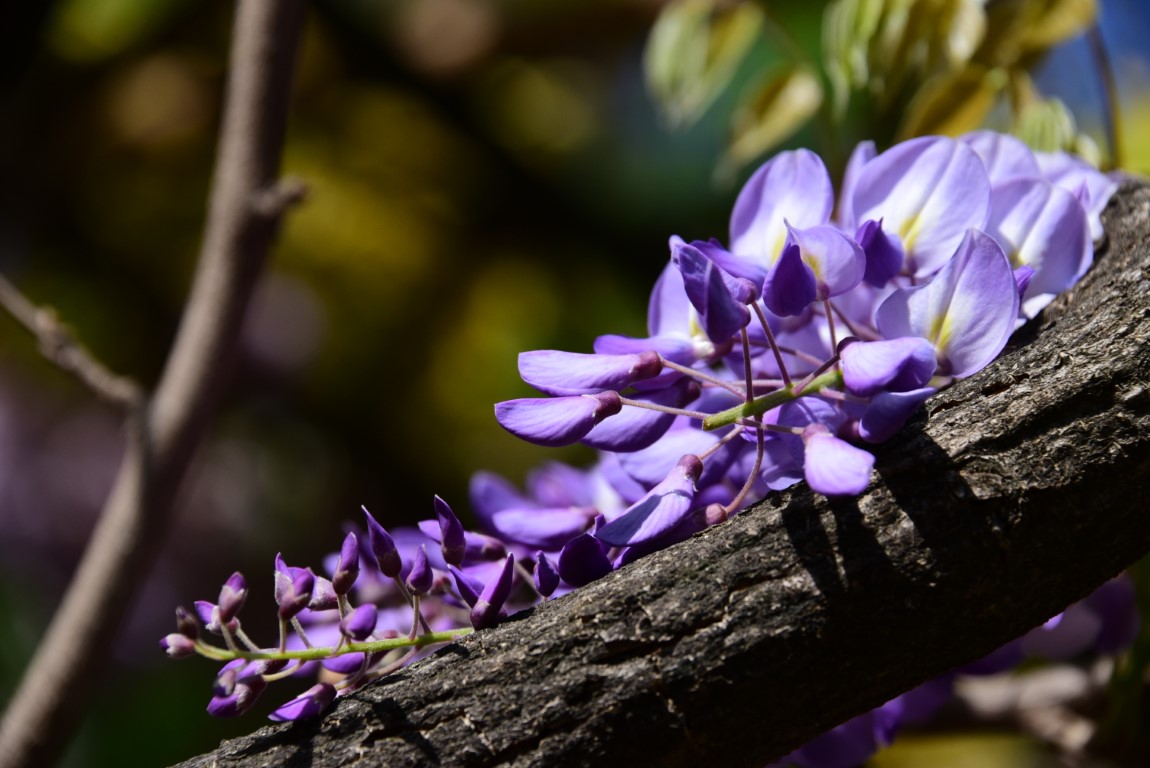
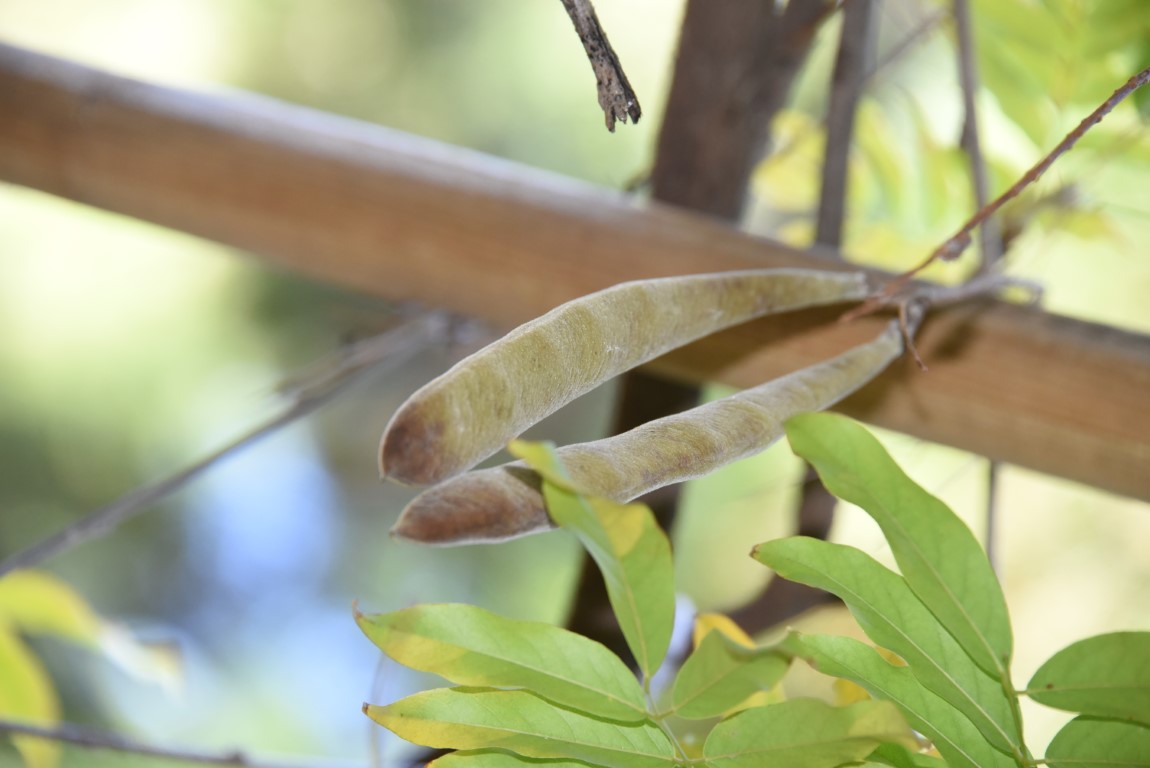
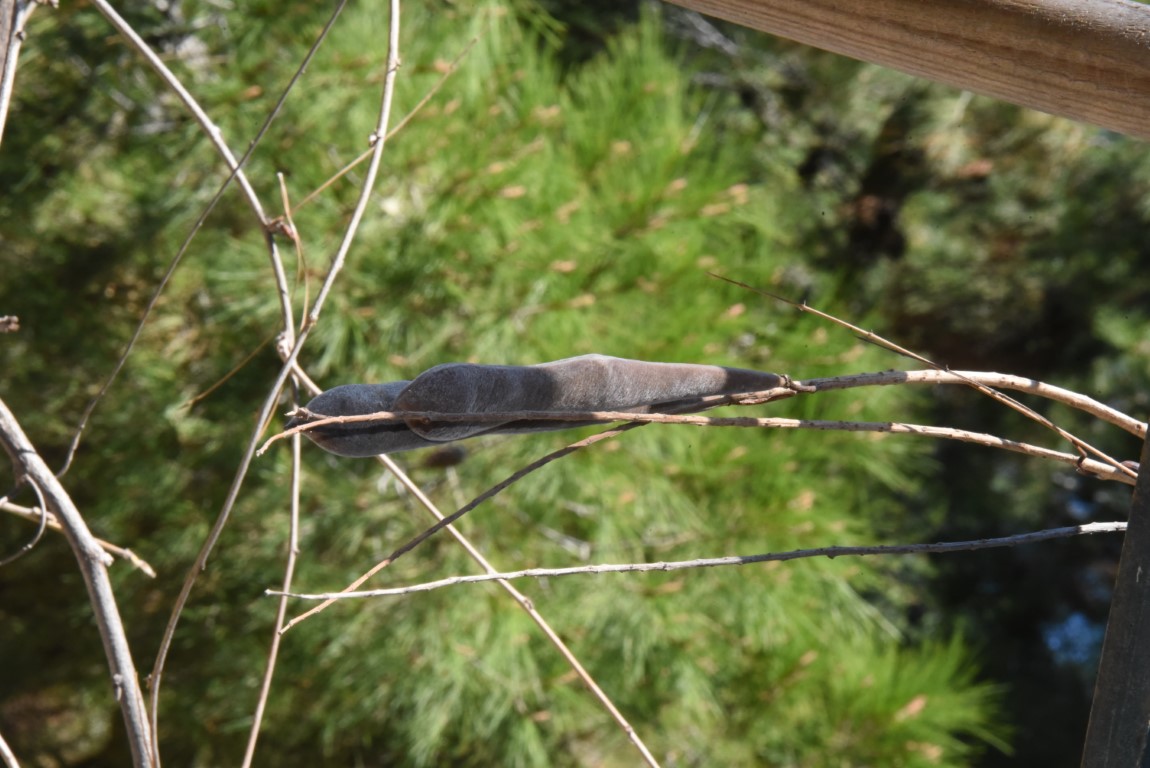
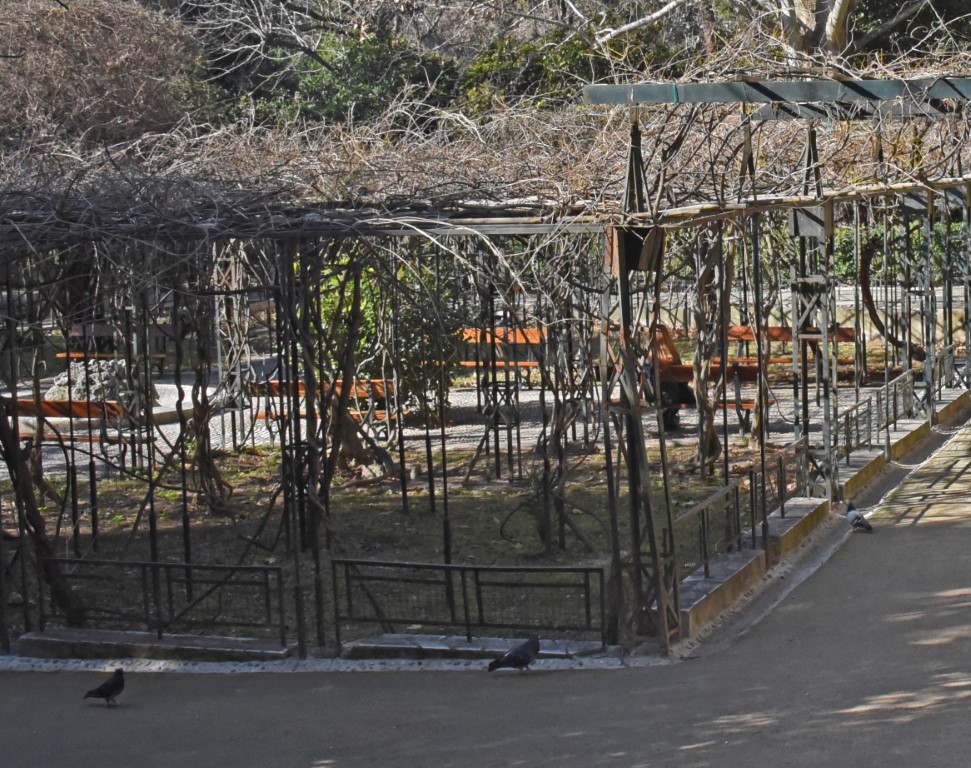
The genus consists of four species. They grow in temperate ecosystems, preferring sunny locations with moist, acidic to moderately fertile, well-drained soils, where they climb on stable supports, and under suitable conditions, they can exhibit vigorous, expansive growth.
(height, leaf arrangement, leaf shape, root system)
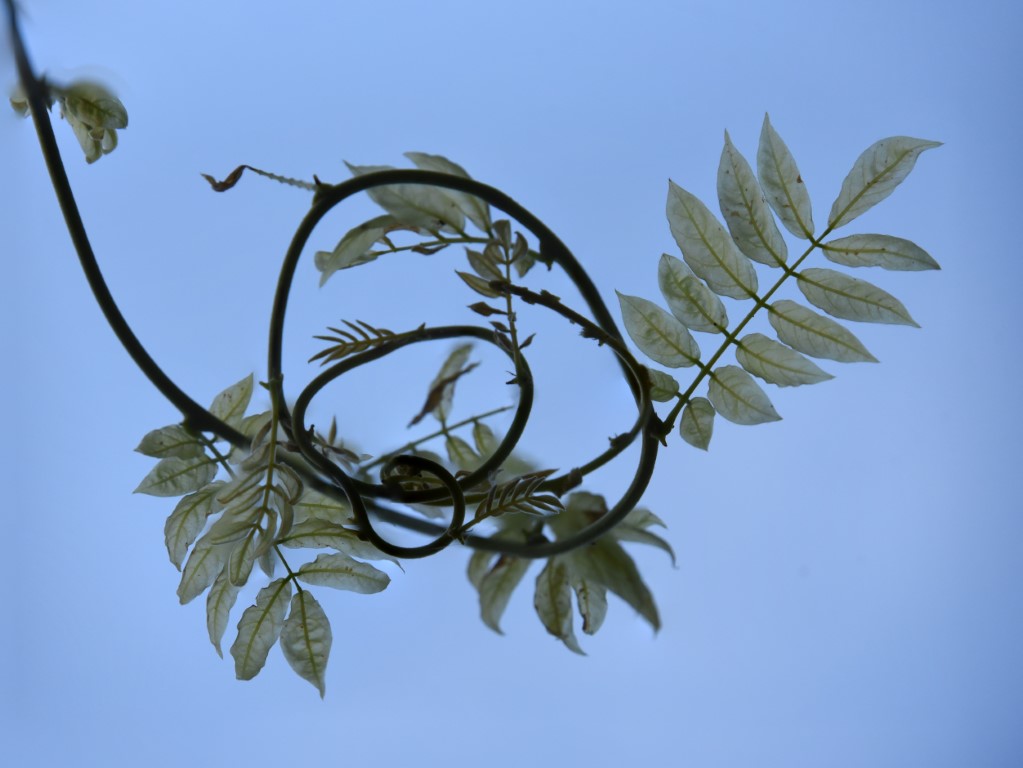
It is a woody, deciduous climbing vine. Wisteria floribunda grows with a clockwise twining around its supports, whereas W. sinensis twines counterclockwise—a characteristic used to distinguish these two common species. Plants of the genus typically reach a height of 9–10 meters, and under ideal conditions can exceed 30 meters in length. The stem is strong, woody, and spirally twisted; over the years, it develops a rough texture and considerable strength, capable of supporting the dense leafy mass of the plant. The leaves are compound, alternate, 10–35 cm long, composed of 9–19 elliptic to lanceolate leaflets measuring 2–6 cm, with smooth margins and a glossy dark green upper surface. The root system is robust and extensive, with the ability to produce suckers, contributing to the rapid spread of the plant.
(flowering period, flowers, seeds)
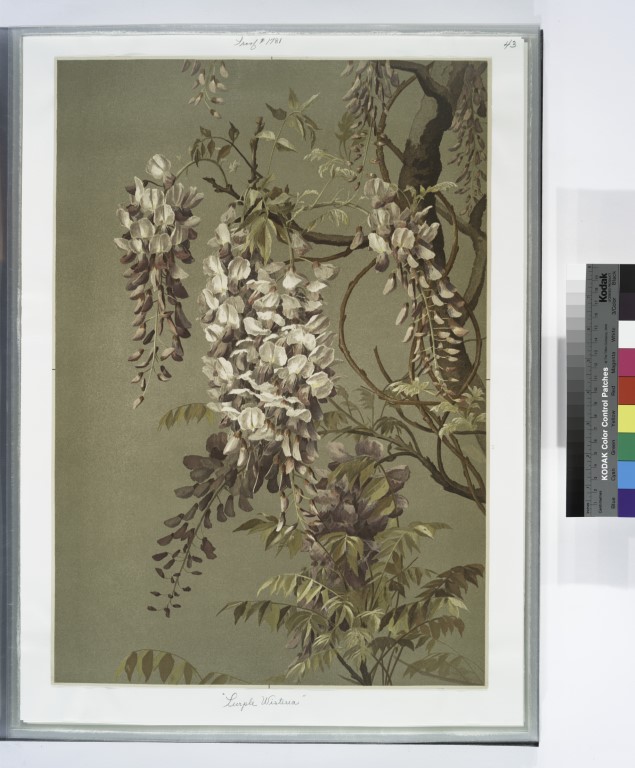
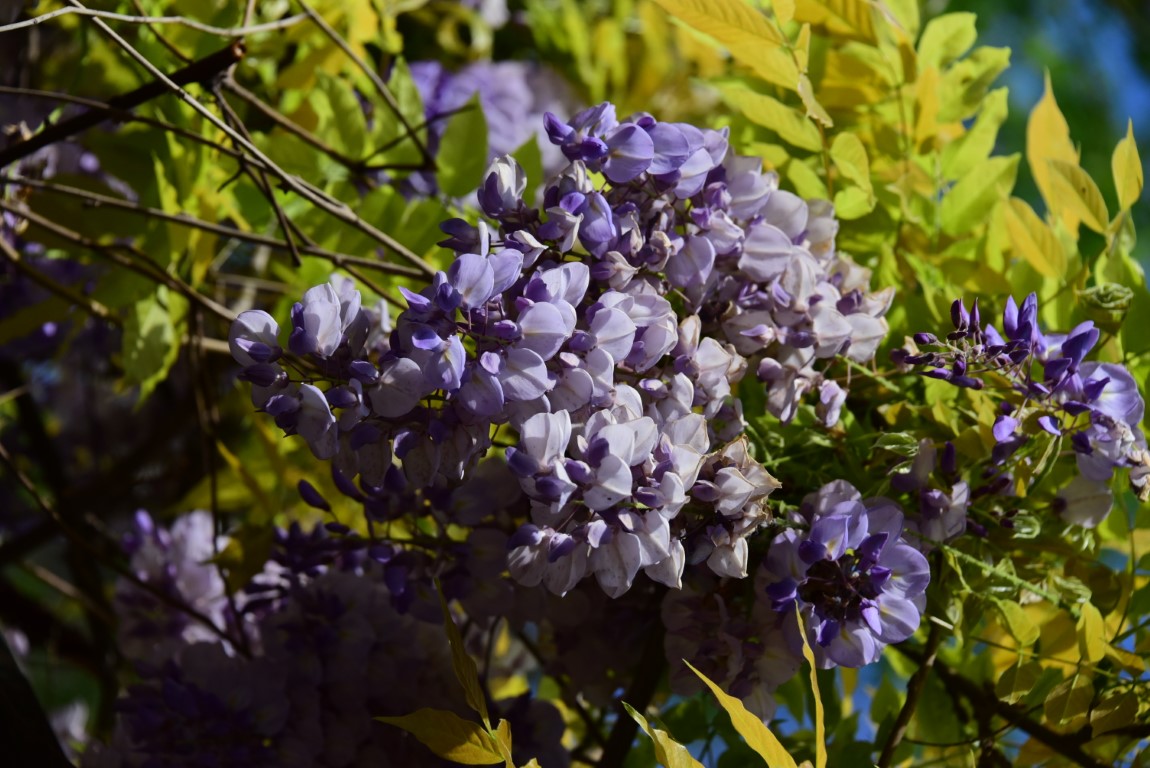
The three species originating from the East (W. floribunda, W. sinensis, and W. brachybotrys) flower in spring (May), whereas the American species (W. frutescens) blooms in late summer. The inflorescences vary in length depending on the species and hang impressively in racemes filled with fragrant flowers in shades of blue, violet, pink, or white. W. frutescens has the shortest inflorescences, 5–7 cm long, while W. floribunda (Japanese wisteria) usually produces inflorescences about 90 cm long, with some cultivars reaching 120–200 cm. The flowers are petaloid, similar to those of beans, and emit a sweet, grape-like fragrance. Blooming begins at the base of the raceme and progresses upward, accompanied by leaf emergence. The fruits are elongated, brown, velvety, curved pods, 5–10 cm long, containing flat, brown, and poisonous seeds. They mature in summer and remain on the plant until winter. Reproduction occurs both by seed—which requires many years before flowering—and vegetatively (cuttings, layering, or grafting). Vegetative propagation is preferred for ornamental plants because it ensures faster and more reliable flowering.
Wisteria floribunda twines clockwise around its support, in contrast to Wisteria sinensis, which twines counterclockwise. This trait is highly consistent and is therefore used as a reliable characteristic for species identification.
The largest known Wisteria in the world is located in the Sierra Madre, California, covering an area of over 1 acre (1,000 m²) and weighing 250 tons. It was planted in 1894 and belongs to the species Wisteria sinensis, cultivar “Chinese Lavender.”
Wisteria possesses significant ethnobotanical and practical uses, particularly in Asia. Its flowers, beyond their ornamental value, are traditionally consumed as food; for instance, they are candied and made into local confections, while both leaves and flowers may be used as a substitute for tea. The fibers of the stems are utilized in paper production. In traditional medicine, extracts have been employed in the treatment of diseases such as cancer and rheumatoid arthritis, while modern studies have demonstrated antioxidant and antibacterial properties.
However, all parts of the plant, including the seeds, contain a saponin known as wisterin, which is toxic if ingested and may cause dizziness, confusion, nausea, vomiting, abdominal pain, diarrhea, and collapse. At the same time, the plant serves as a food source for certain insects.
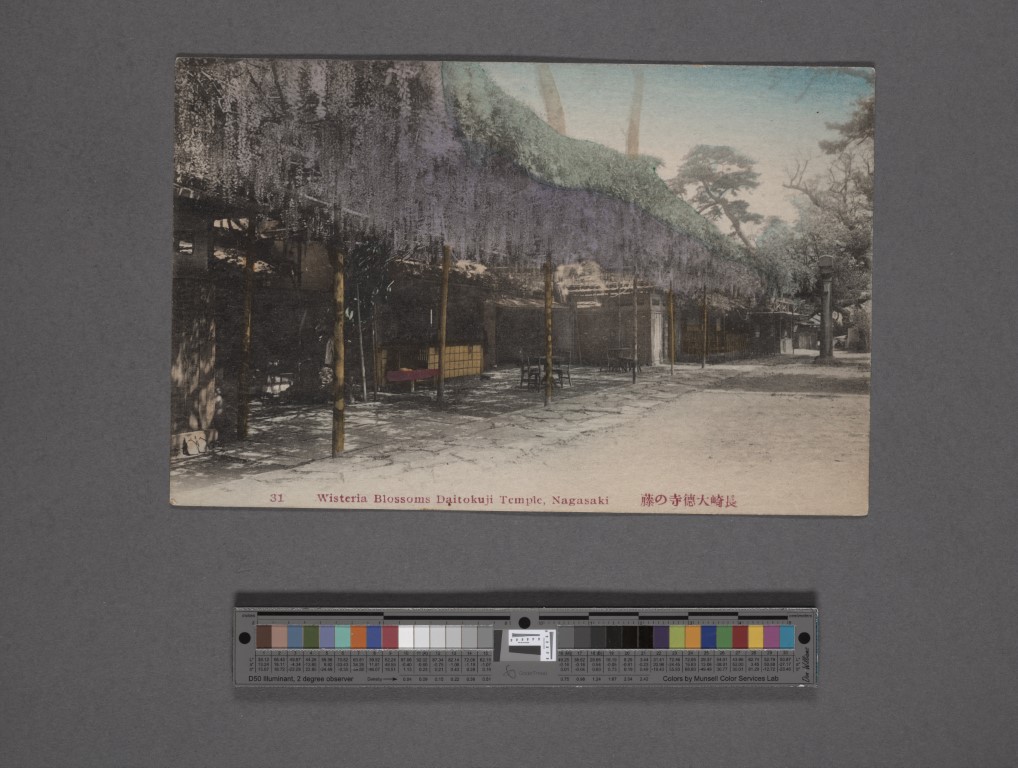
It is widely used as an ornamental plant, as it is an उत्कृष्ट climbing species suitable for pergolas. It is also frequently used on fences and building surfaces, and, with appropriate management, it can be trained into a shrub or tree form. The “wisteria tunnels” at Kawachi Fuji Garden in Japan are considered among the most enchanting flowering landscapes in the world, attracting thousands of visitors each spring.
(Note: Ethnobotanical data regarding the medicinal uses of plants must be handled with caution, and their application should be carried out exclusively under medical supervision).
- https://powo.science.kew.org/taxon/urn:lsid:ipni.org:names:525791-1
- https://wfoplantlist.org/taxon/wfo-4000040782-2025-12?hide_syns=true
- https://www.ipni.org/n/332065-2
- Compton, J. A., & Lack, H. W. (2012). The discovery, naming and typification of Wisteria floribunda and W. brachybotrys (Fabaceae) with notes on associated names. Willdenowia, 42(2), 219–240. https://doi.org/10.3372/wi.42.42207
- Crivellaro, A., & Lens, F. (2023). Wood and bark anatomy of the charismatic Wisteria vines (Leguminosae). IAWA Journal, 44(3), 253–265. https://doi.org/10.1163/22941932-bja10117
- L. Prang & Co. (1865–1899). Publisher’s proofs of the publications of L. Prang & Co.: Volume 8 (E. T. Fisher, Artist).. Boston, MA.
- Mohamed, M. A., Hamed, M. M., Abdou, A. M., Ahmed, W. S., & Saad, A. M. (2011). Antioxidant and cytotoxic constituents from Wisteria sinensis. Molecules, 16(5), 4020–4030. https://doi.org/10.3390/molecules16054020
- Rondeau, E. S. (1993). Wisteria toxicity. Journal of Toxicology: Clinical Toxicology, 31(1), 107–112. https://doi.org/10.3109/15563659309000378
- Roscoe, M. V. (1927). Cytological studies in the genus Wisteria. Botanical Gazette, 84(2), 171–186
- Wang, Q., Dilcher, D. L., Zhu, X. Y., Zhou, Y. L., & Lott, T. A. (2006). Fruits and leaflets of Wisteria (Leguminosae, Papilionoideae) from the Miocene of Shandong Province, Eastern China. International Journal of Plant Sciences, 167(5), 1061–1074. https://doi.org/10.1086/505537
During each season you will see:
References in Αrt
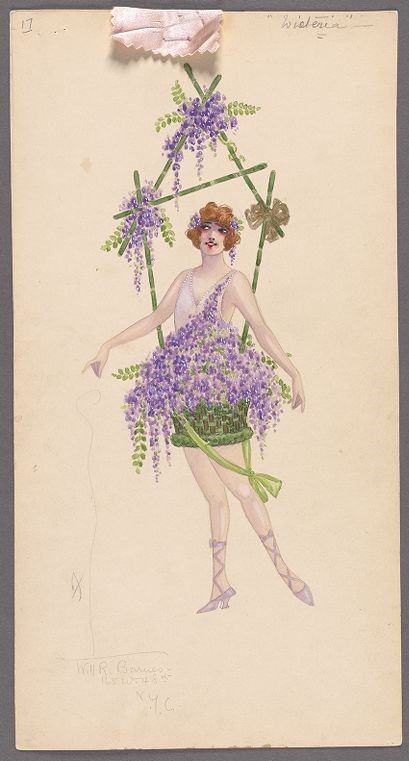
Wisteria (known as fuji in Japanese) symbolizes love, romance, and longevity, and is frequently depicted in artworks, kimonos, and gardens. It has been widely used throughout Japanese history as a popular emblem in family crests.
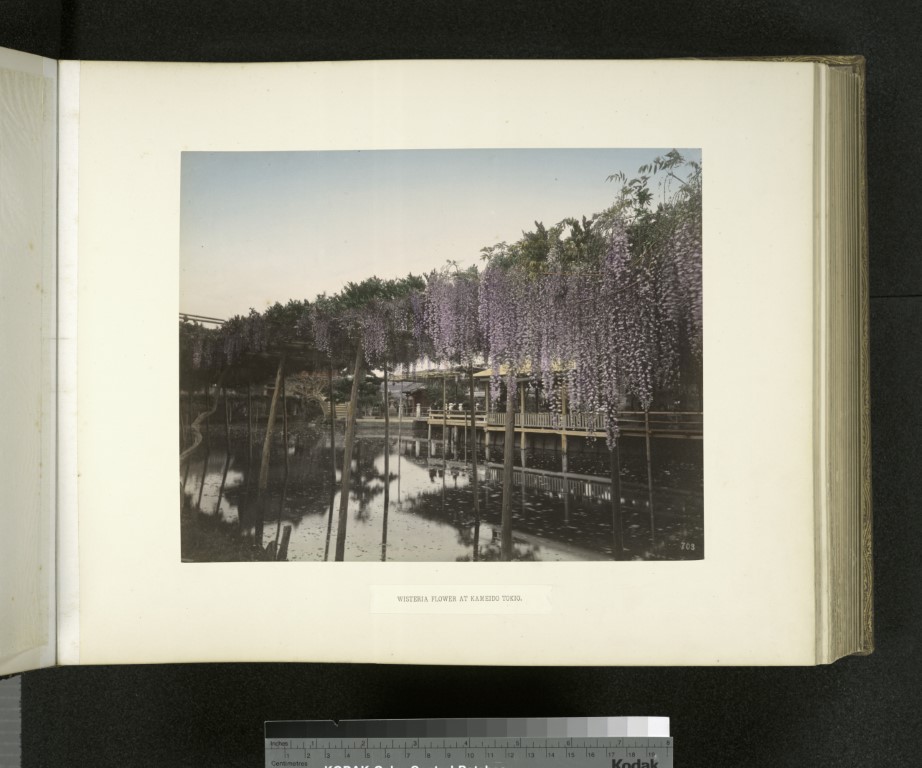
The Kameido Tenjin Shrine in Tokyo represents an iconic landmark of Japanese iconography, where the natural environment is transformed into a complex architectural and artistic construct. Indeed, from the mid-17th century to the present, the “Kameido Tenjin Wisteria Festival” takes place each April. The planting of wisteria during the Edo period (1603–1868) transcends mere horticultural practice, embodying a conscious aesthetic expression of the concept of mono no aware (物の哀れ)—the profound sensitivity to the ephemeral nature of things.
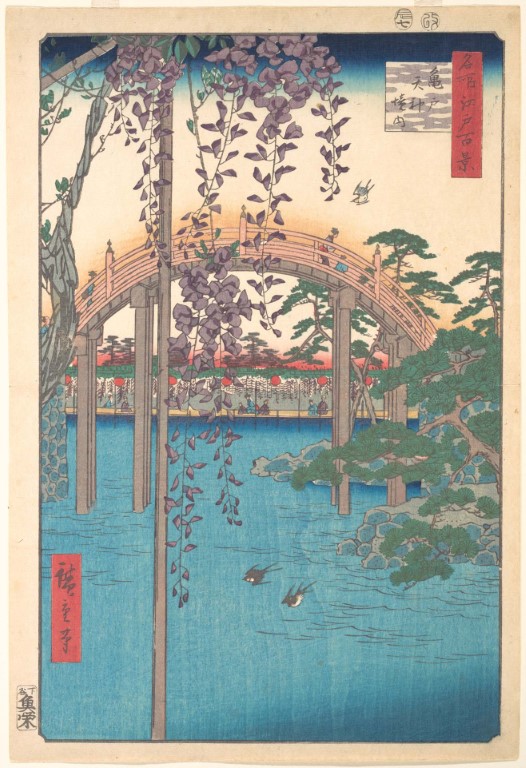
Within the ukiyo-e tradition (images of the floating world), Utagawa Hiroshige captured the characteristic hanging clusters and the shrine’s arched bridge, incorporating them into his renowned series One Hundred Famous Views of Edo. Through an innovative perspective in which the flowers function as a natural frame, the artist exploited the reflection on the water to achieve visual depth and chromatic balance. This composition transformed the landscape into a “living” artwork, where the interplay of violet hues with the water established a timeless symbol of elegance (miyabi) and refinement.
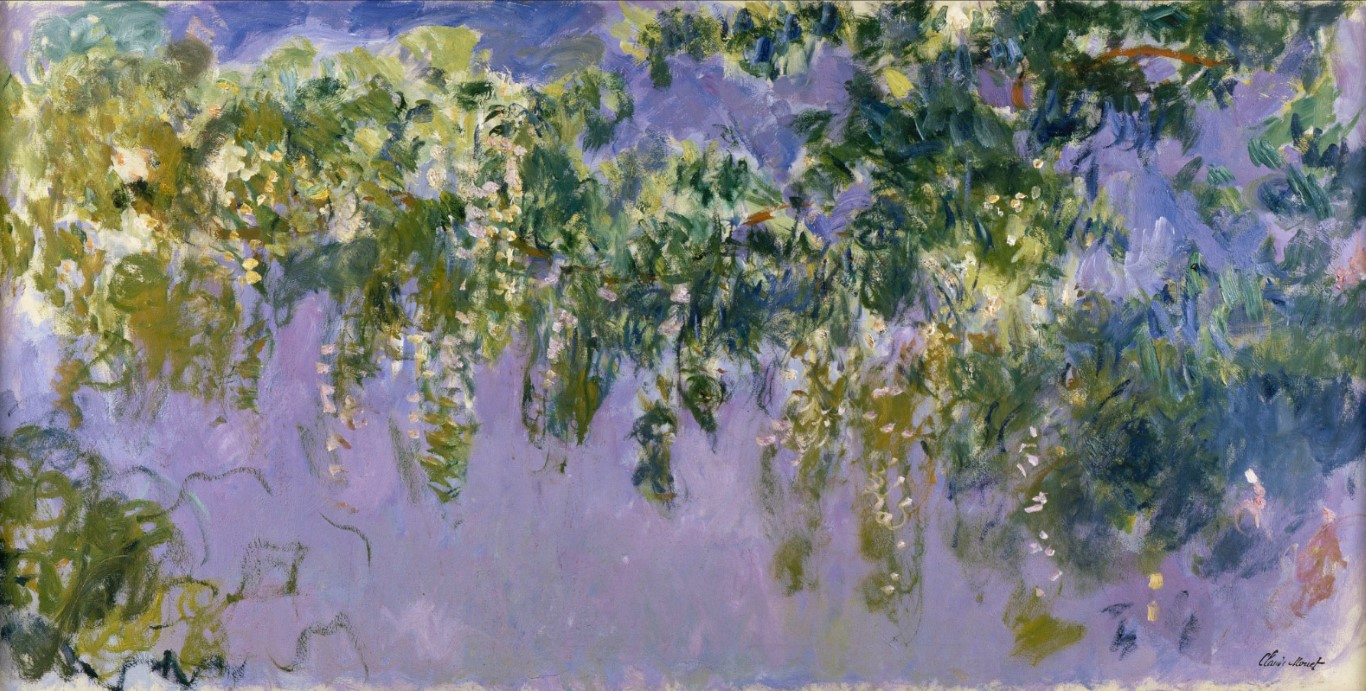
The enduring reproduction of this motif, from classical woodblock prints to later artistic movements, underscores the shrine’s significance as a reference point for Japanese artistic identity. Simultaneously, the distinctive aesthetics of Kameido exerted a profound influence on European Impressionism, elevating wisteria to a global conduit connecting the divine with beauty. A notable example is Claude Monet, who painted his own interpretations of wisteria.